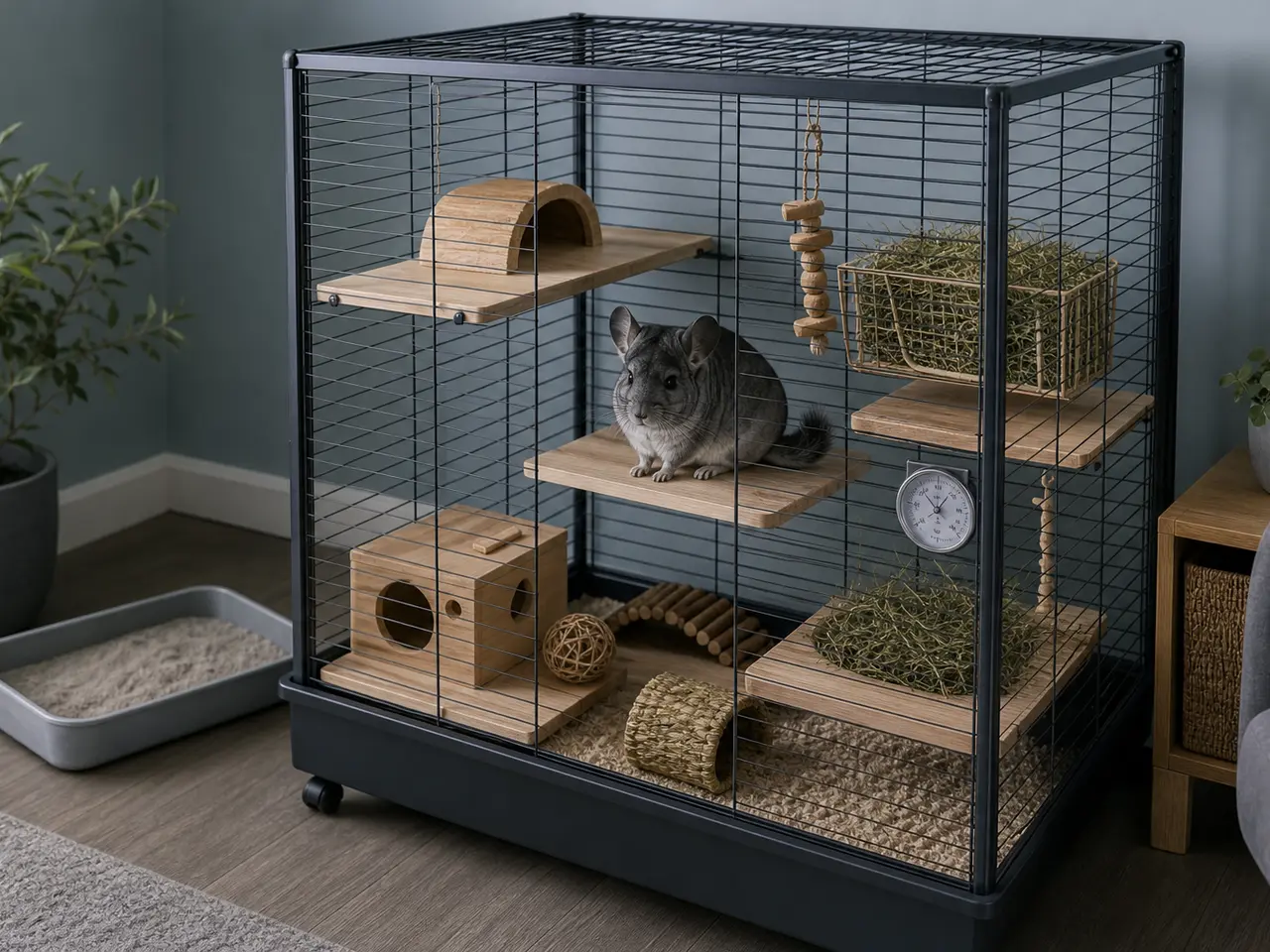
Start with the safest step
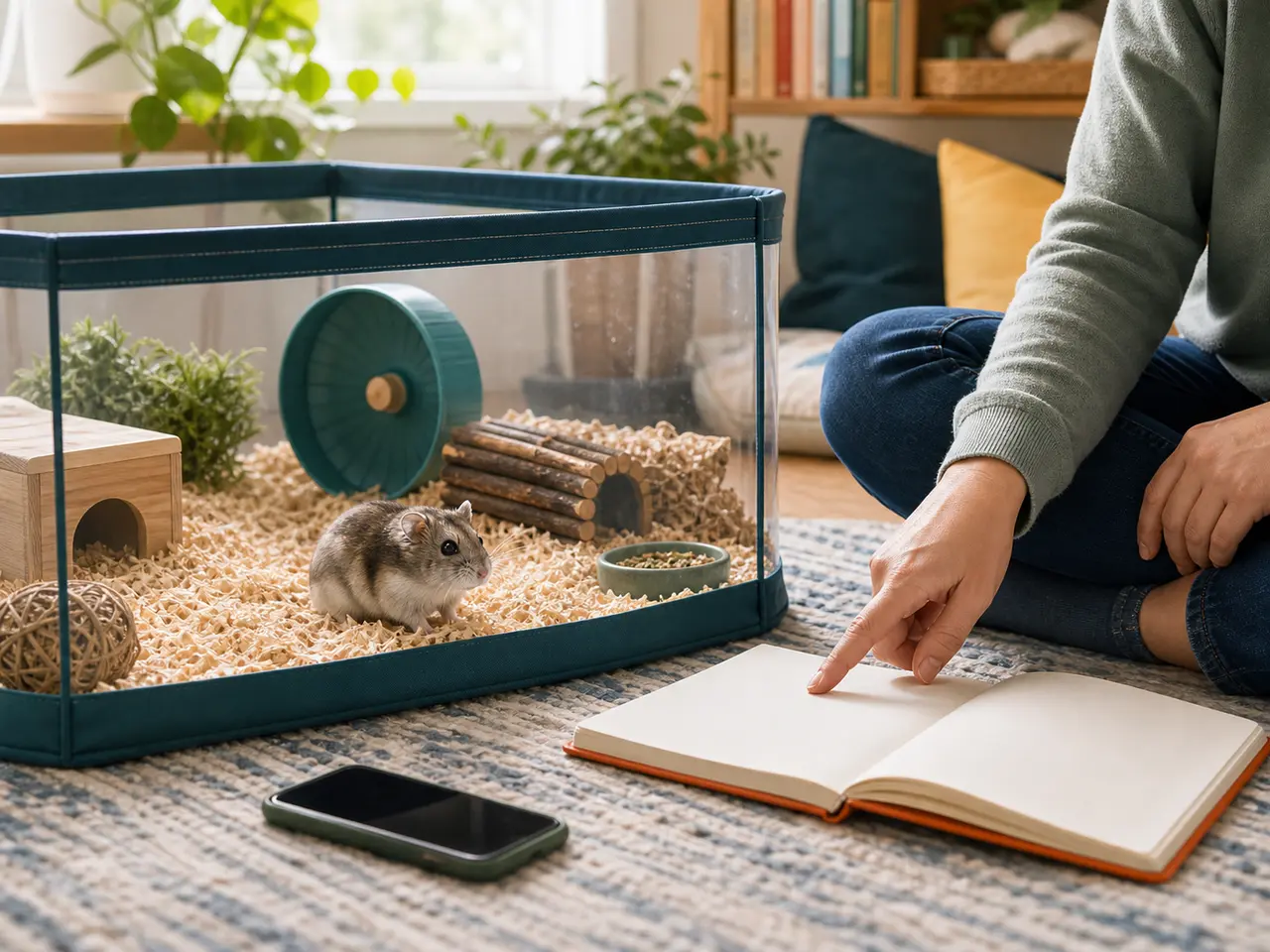
Start with the real home: sleep, doors, children, other pets, heat, travel, budget, and backup care.
Updated
Small mammal question
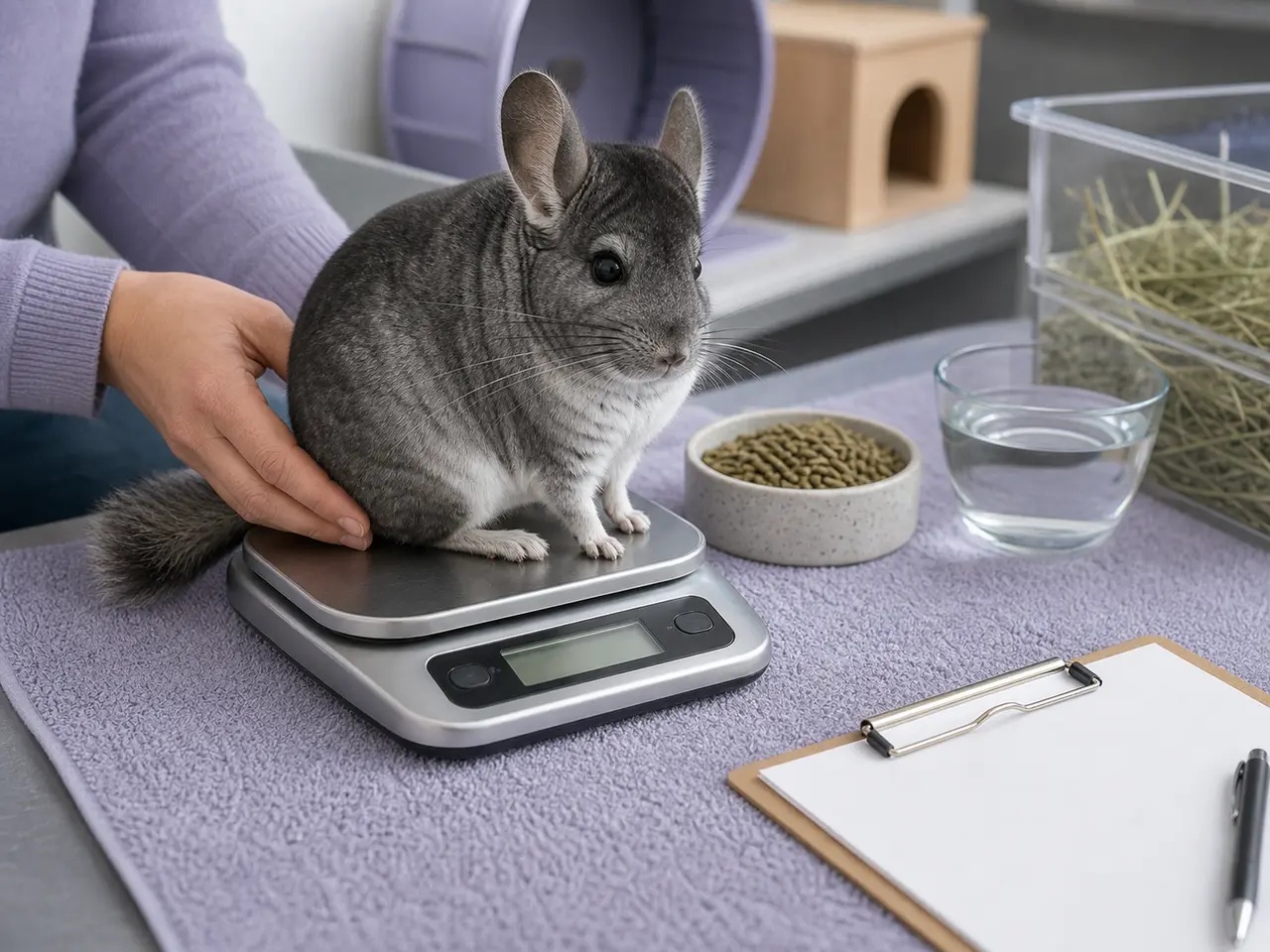
Chinchillas can live a long time compared with many small pets, so adoption should include long-term housing, cooling, diet, dental care, and vet care.
Keep heat, hay, dust, teeth, and gentle handling in view.
Start with the real home: sleep, doors, children, other pets, heat, travel, budget, and backup care.
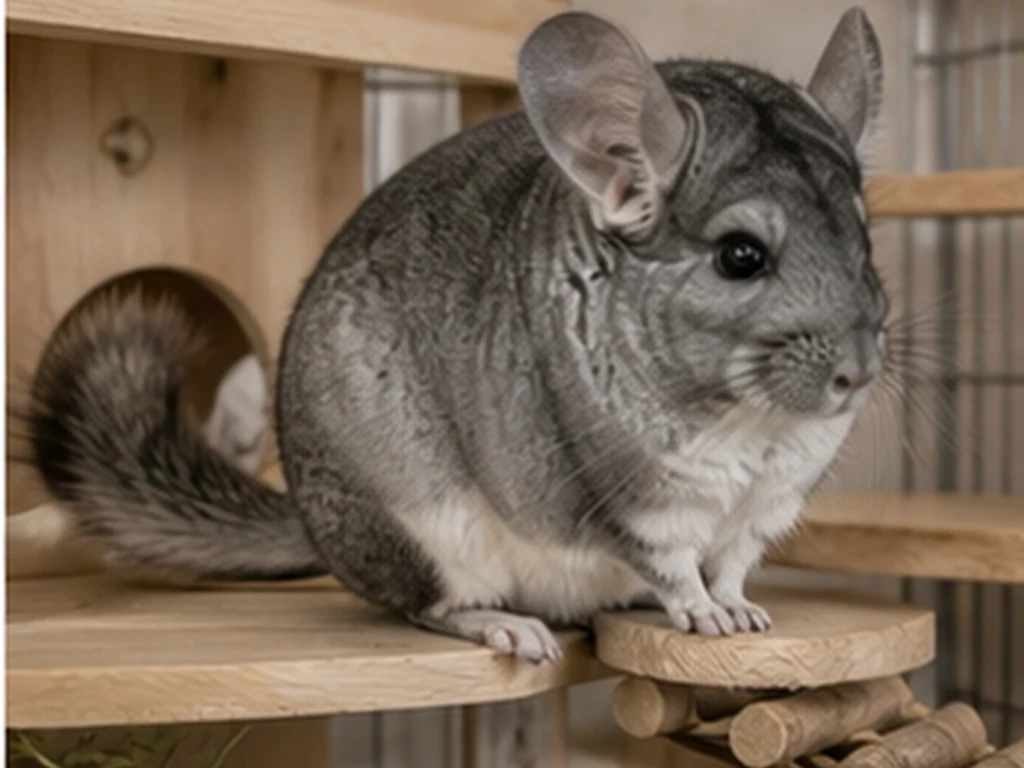
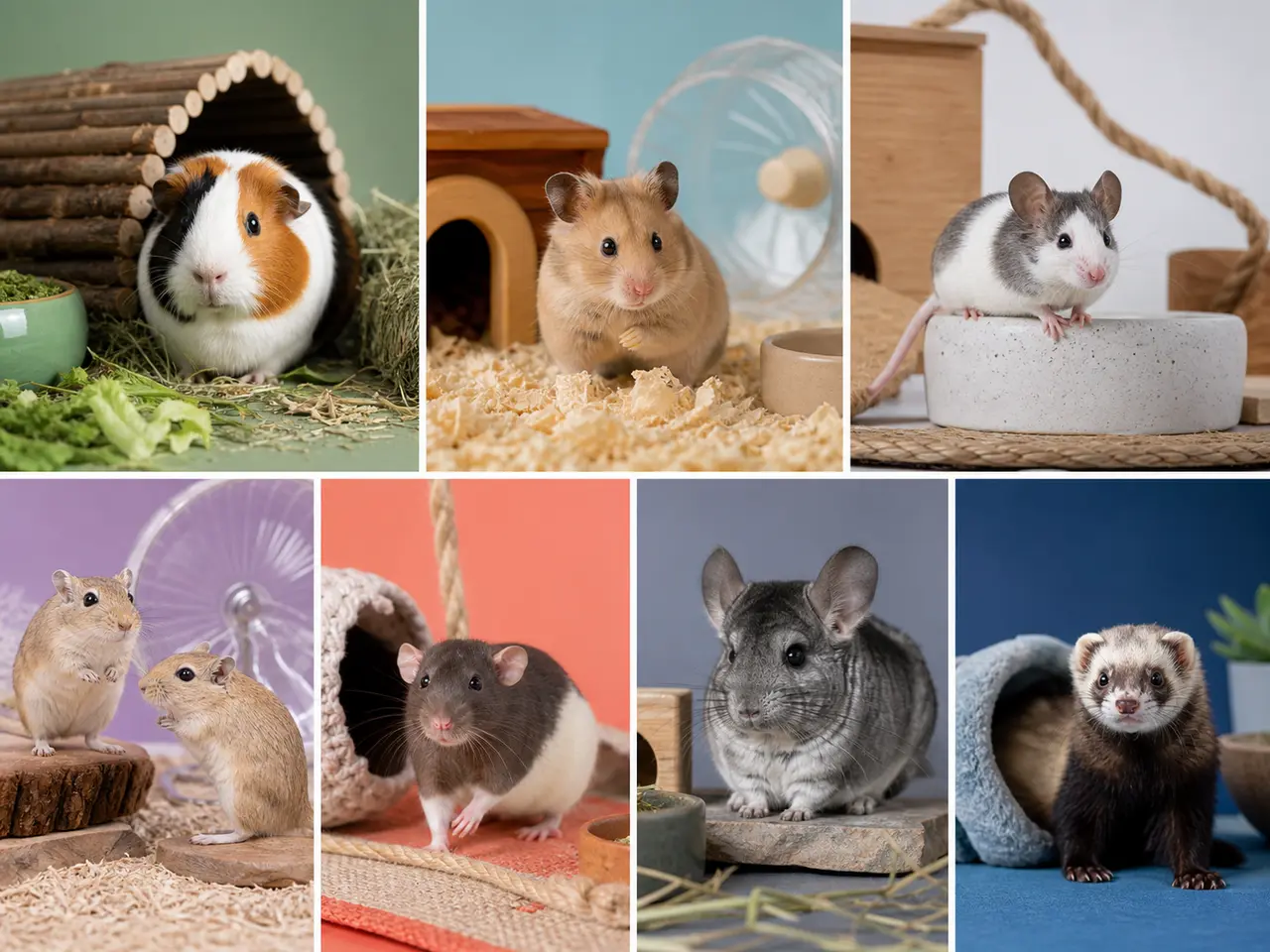
Household answers change by species because sleep time, handling tolerance, escape risk, heat sensitivity, social rules, and legal rules differ.
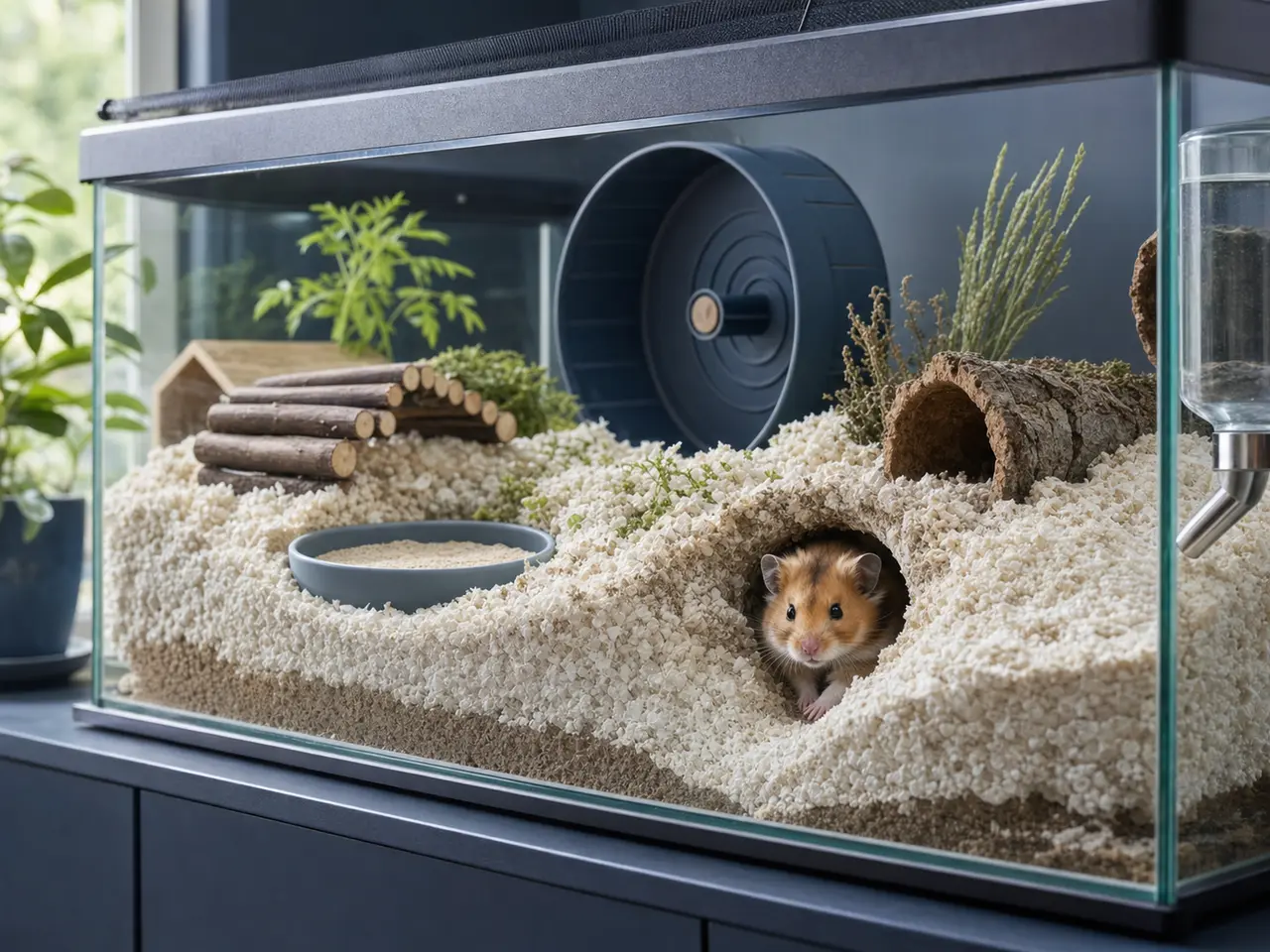
The routine should make temperature, hay, dust timing, ledges, water, and droppings easy to check.
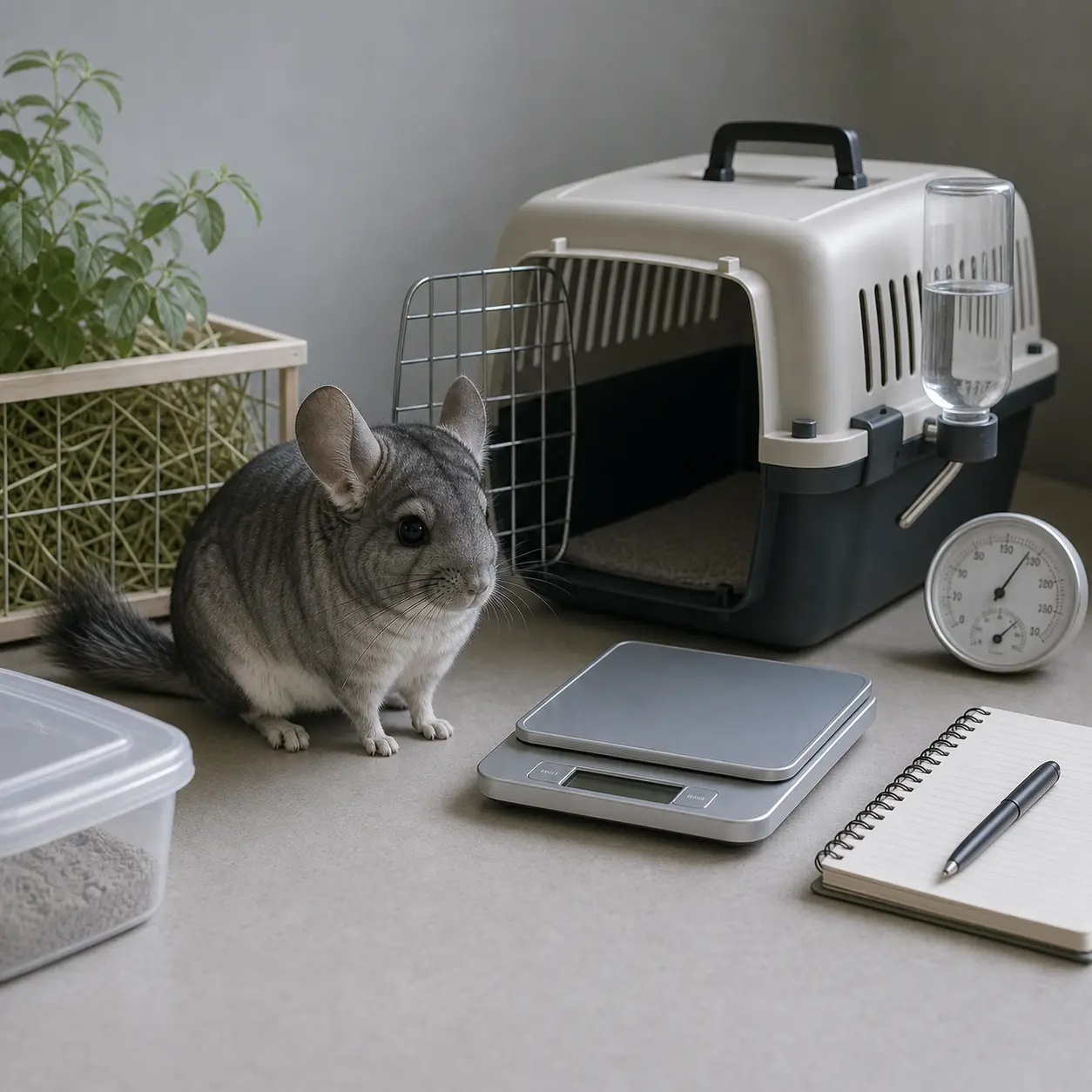
Name the adult caregiver, backup plan, quiet space, other-pet rules, and travel limits before the animal arrives.
The routine should make temperature, hay, dust timing, ledges, water, and droppings easy to check.
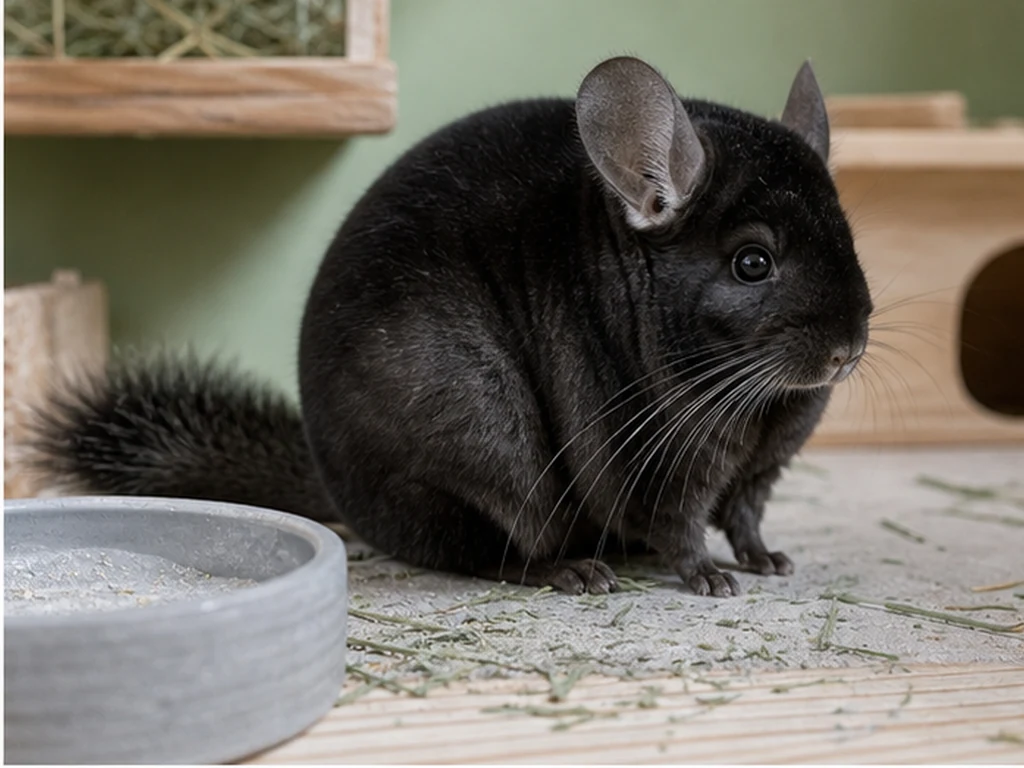
Predator access, mixed-species housing, unsupervised handling, heat, travel stress, and impulse purchases create preventable emergencies.
Set the child, other-pet, door, heat, travel, and backup-care rules before the animal is in the house.
No. The page gives the practical rule, then the species profile should decide the final housing, food, handling, and vet plan.
Ask an exotic-pet veterinarian promptly for appetite loss, fewer droppings, labored breathing, collapse, severe lethargy, wounds, heat stress, or sudden weight change.