Updated

Small mammal question

What temperature is safe for chinchillas?

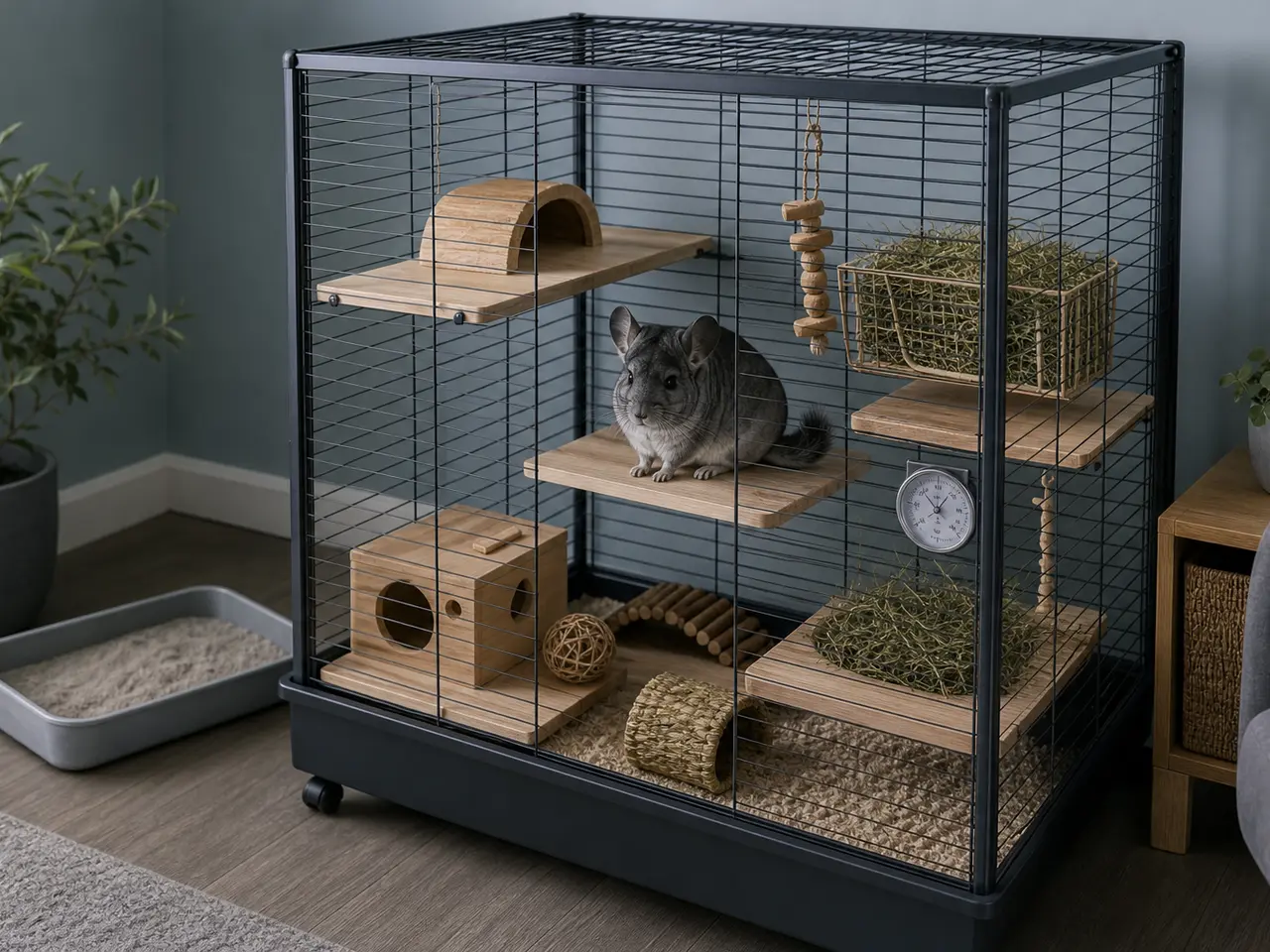
Chinchillas need a cool, stable room and can overheat dangerously. Exact comfort depends on humidity and the individual, so plan cooling and avoid direct sun before adoption.

Keep heat, hay, dust, teeth, and gentle handling in view.

Keep heat risk low

Keep heat risk low

Start with what changed today: food, water, droppings, breathing, movement, heat, chewing, or behavior.

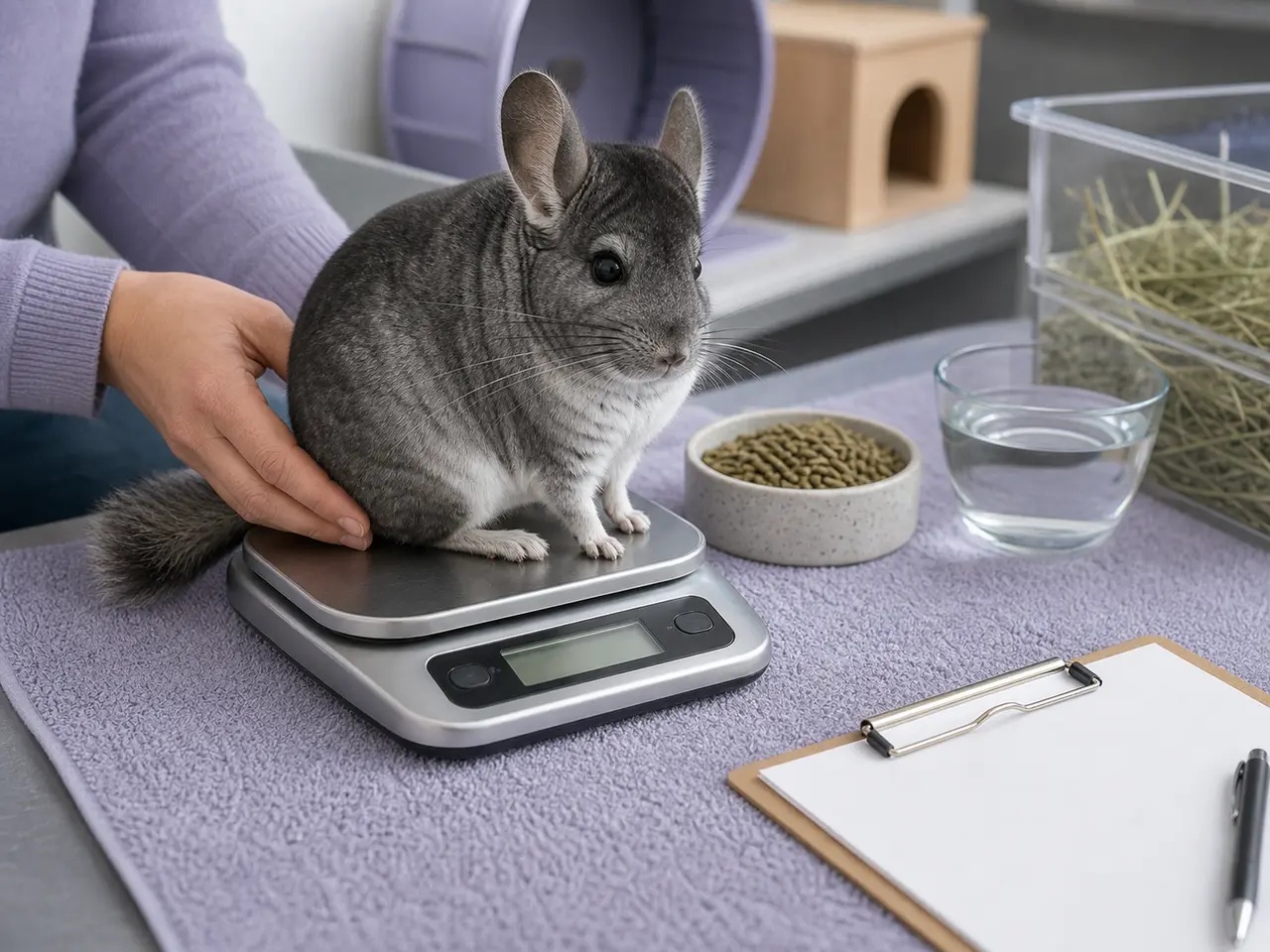
Check food, water, droppings or stool, breathing, posture, heat, wounds, recent chewing, handling, current weight, and how fast the change started.
Urgency differs by species

Urgency differs by species

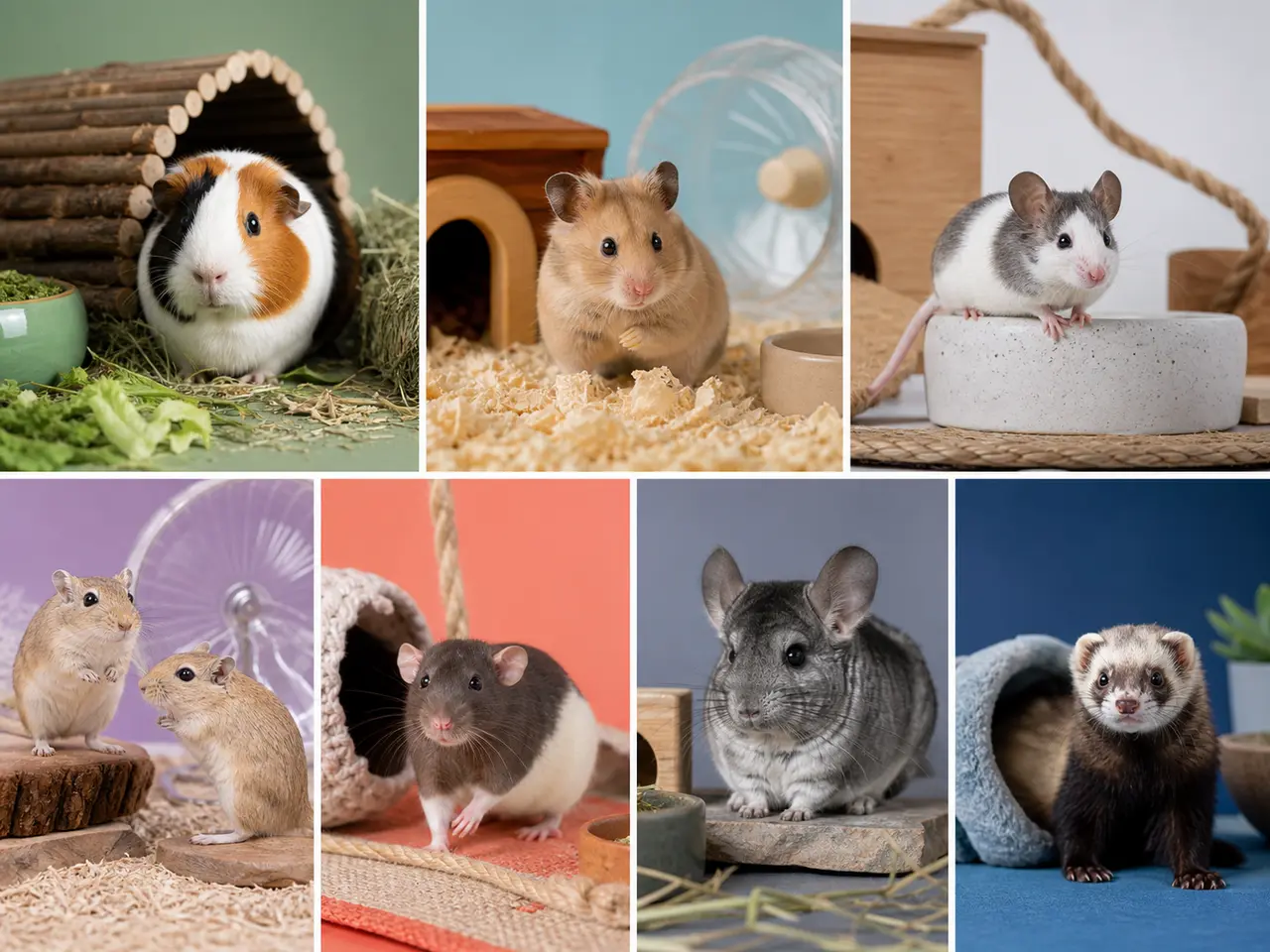
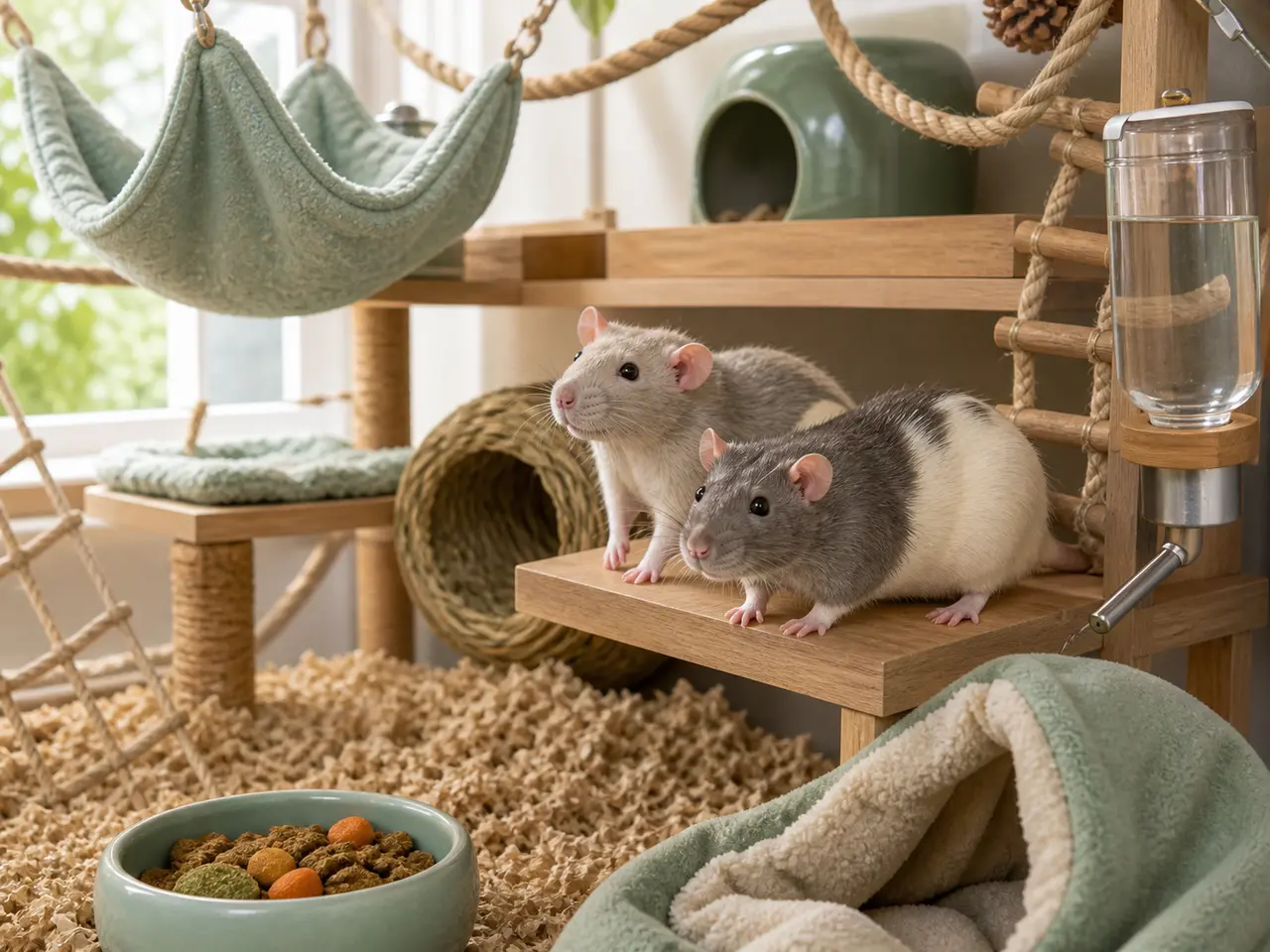
Urgency changes by species because small bodies, gut movement, heat risk, breathing issues, and swallowed-object risk can move quickly.

The routine should make temperature, hay, dust timing, ledges, water, and droppings easy to check.

Have transport ready

Have transport ready

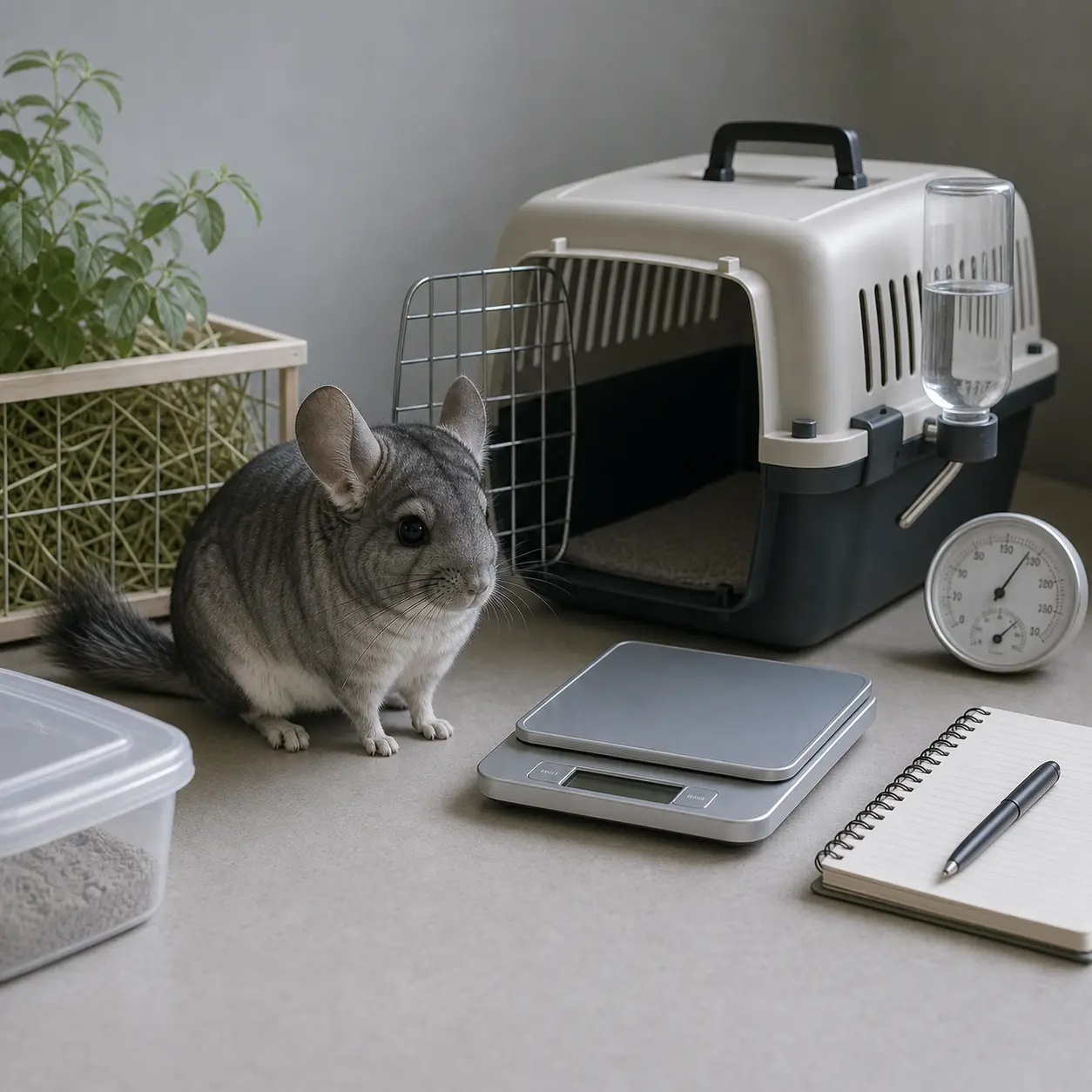
Keep the carrier, current weight, normal food, symptom notes, and clinic number close enough to use quickly.

The routine should make temperature, hay, dust timing, ledges, water, and droppings easy to check.

Call before it gets worse

Call before it gets worse

Heat stress, appetite loss, small droppings, drooling, wet fur, limping, wounds, or labored breathing needs an exotic-pet veterinarian promptly.

Use the carrier, weight notes, normal food details, symptom timeline, and clinic number instead of trying to solve the change from memory.

Before you decide

  • Is appetite, poop or stool, breathing, movement, or weight different today?
  • Do you have the carrier, scale, and clinic number ready?
  • Can you describe the timing, food, water, symptoms, and possible hazards to a vet?
  • Would waiting make the animal weaker or harder to transport?

Next best moves

  • Plan for compatible companions, clean air, climbing, and washable fabric.
  • Check breathing, weight, appetite, lumps, wounds, and group behavior often.
  • Make free-roam or handling safer before adding more time.

Common chinchilla questions

Does this answer apply to every small mammal?

No. The page gives the practical rule, then the species profile should decide the final housing, food, handling, and vet plan.

When should I ask a veterinarian?

Ask an exotic-pet veterinarian promptly for appetite loss, fewer droppings, labored breathing, collapse, severe lethargy, wounds, heat stress, or sudden weight change.

References