Updated
Small mammal question
Which small mammal is easiest to care for?
The easiest small mammal is the one whose hard chores fit your home; a solo hamster is usually simpler than ferrets or chinchillas.
Start with fit, then check the daily routine.
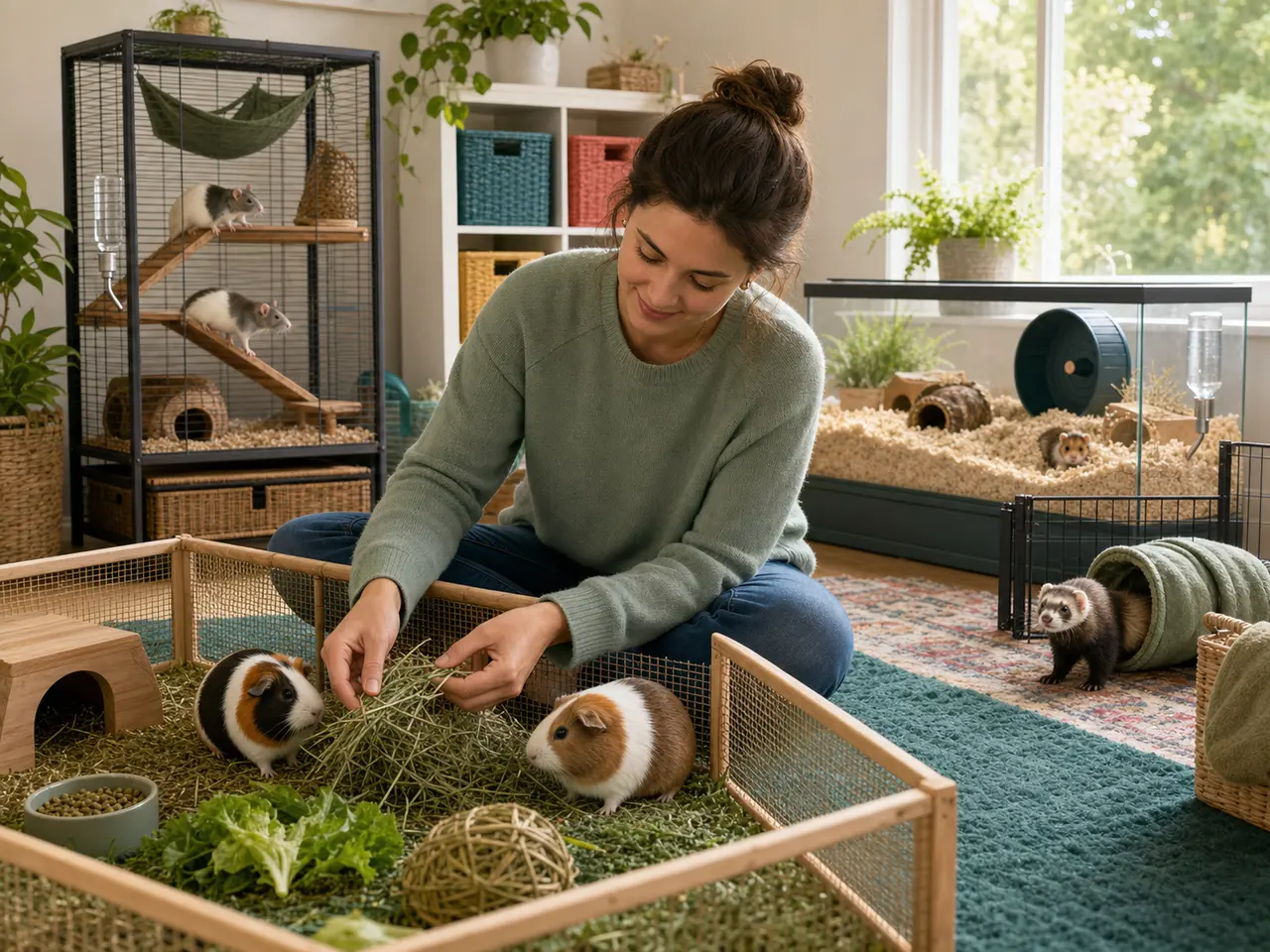
Choose by the routine
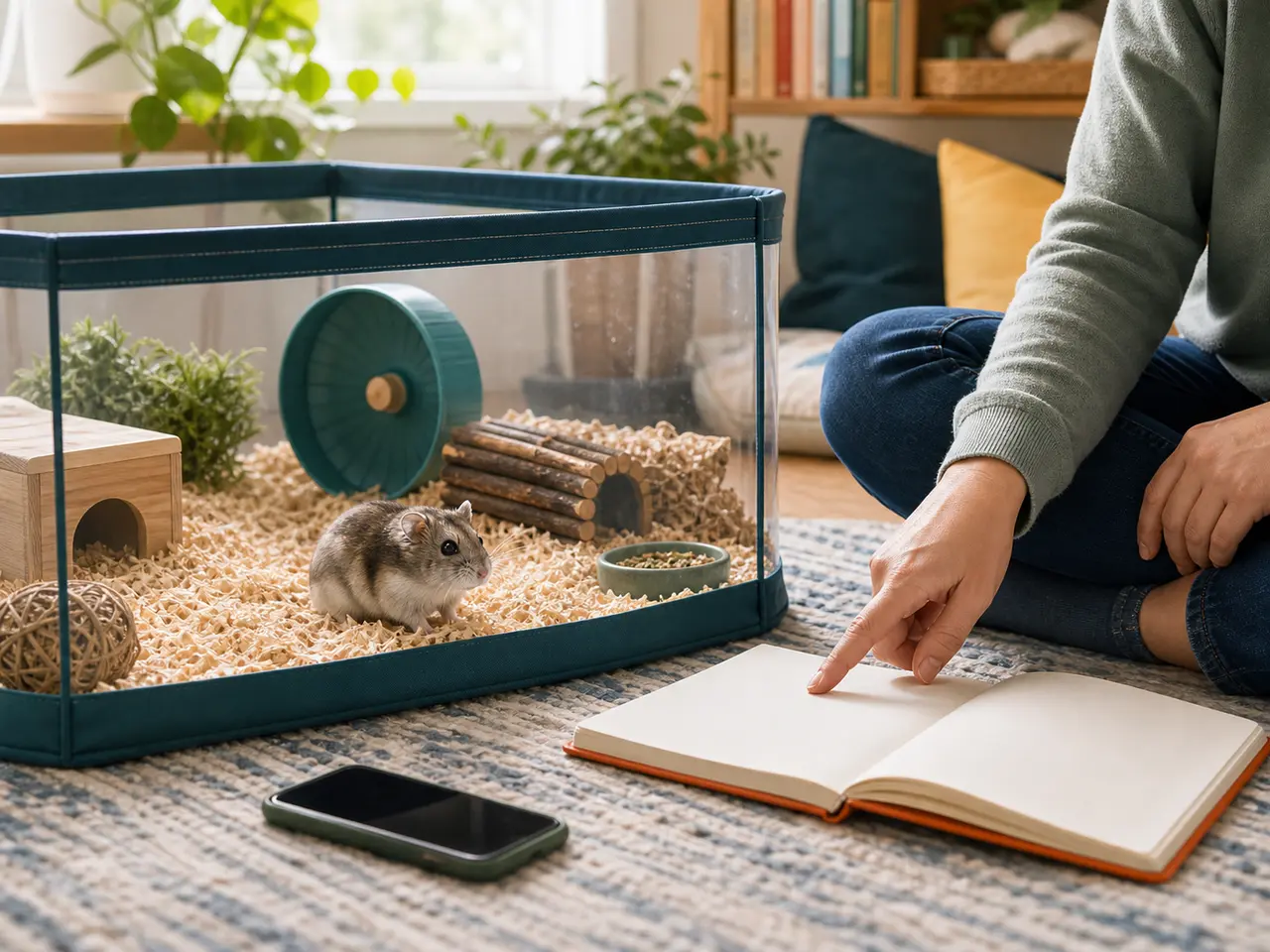
Picture the normal weekday first: space, cleanup, awake hours, handling, food, and who handles vet care.
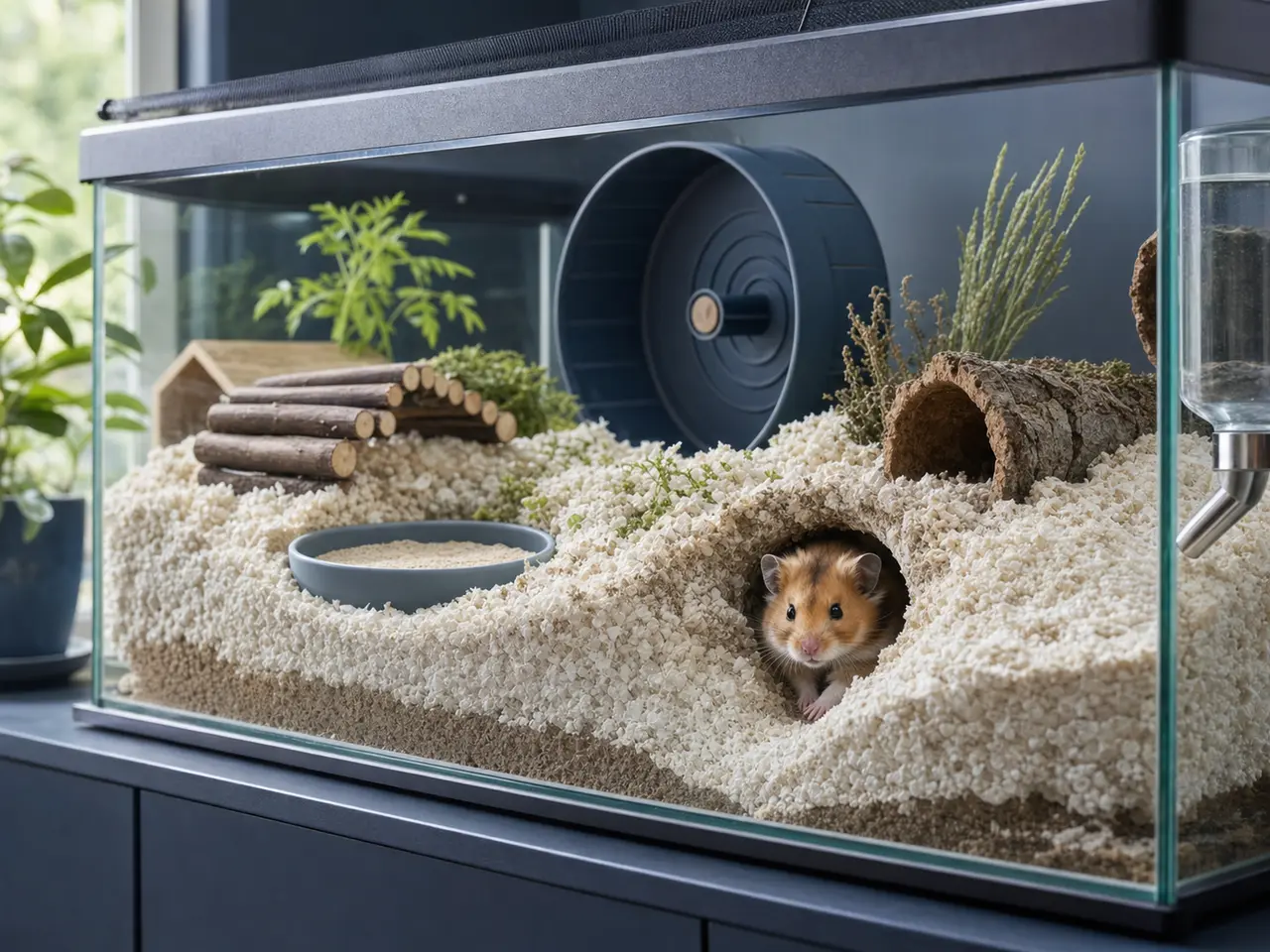
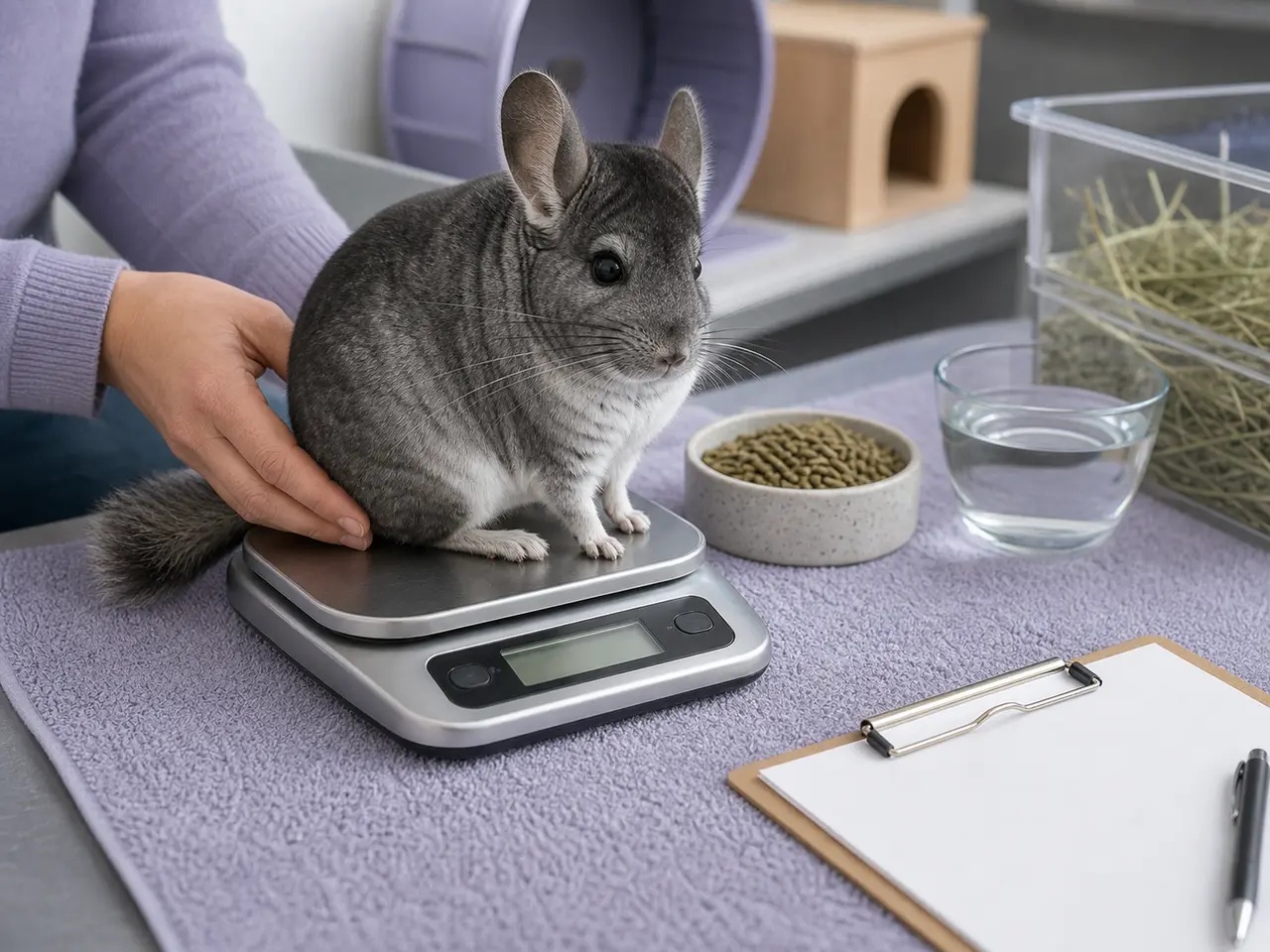
Keep the habitat, food, water, bedding, cleaning, handling, weight checks, and a realistic veterinarian plan for that household.

Fit changes by species
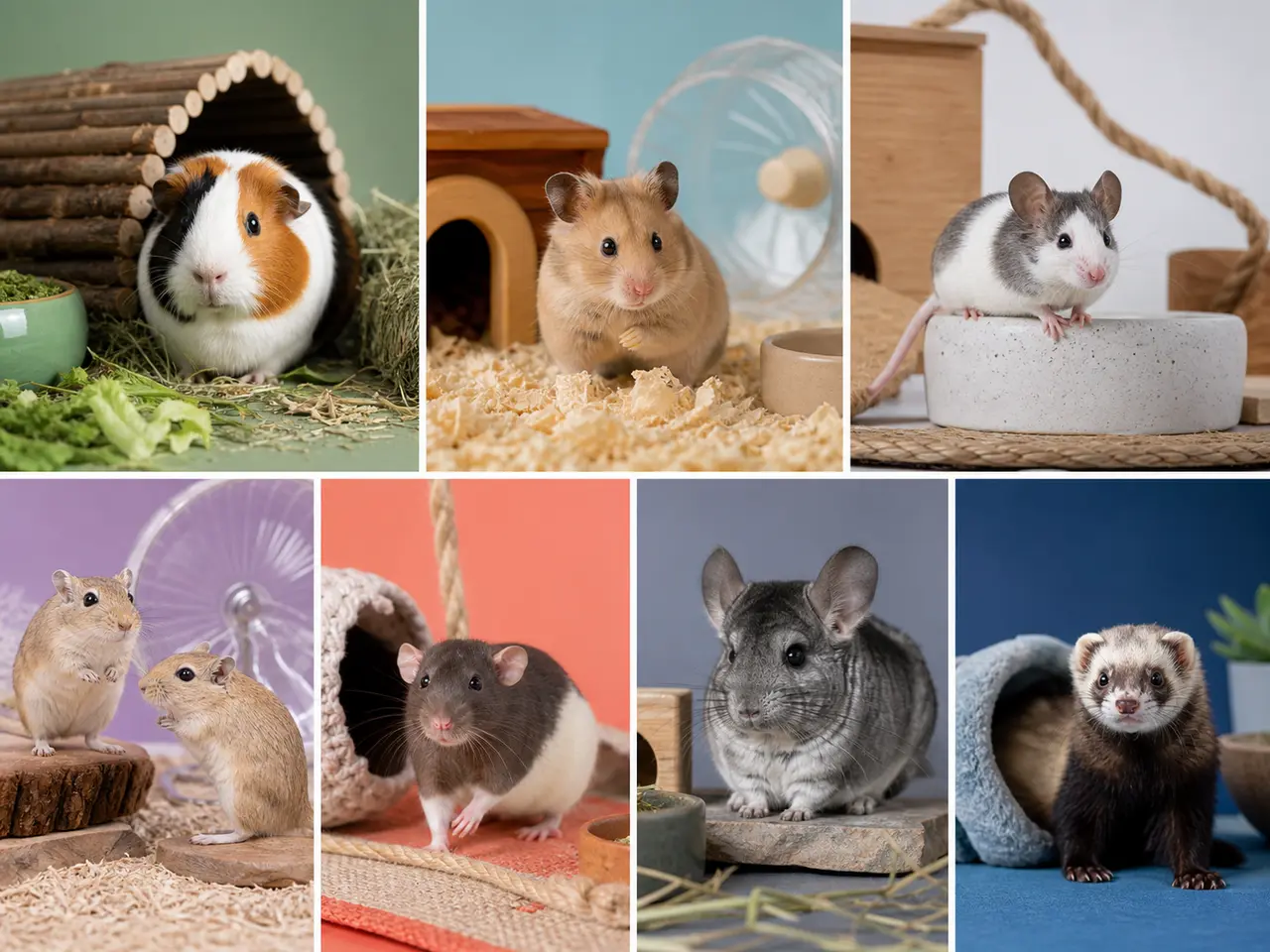
Fit changes by species because one animal may need solo housing, another may need same-species friends, and another may need supervised play.
The match should still make sense on a busy weekday, not only when the animal is new.

Set up the daily check
Make the daily routine easy to check through food, water, cleaning, handling, and quiet observation.
The match should still make sense on a busy weekday, not only when the animal is new.
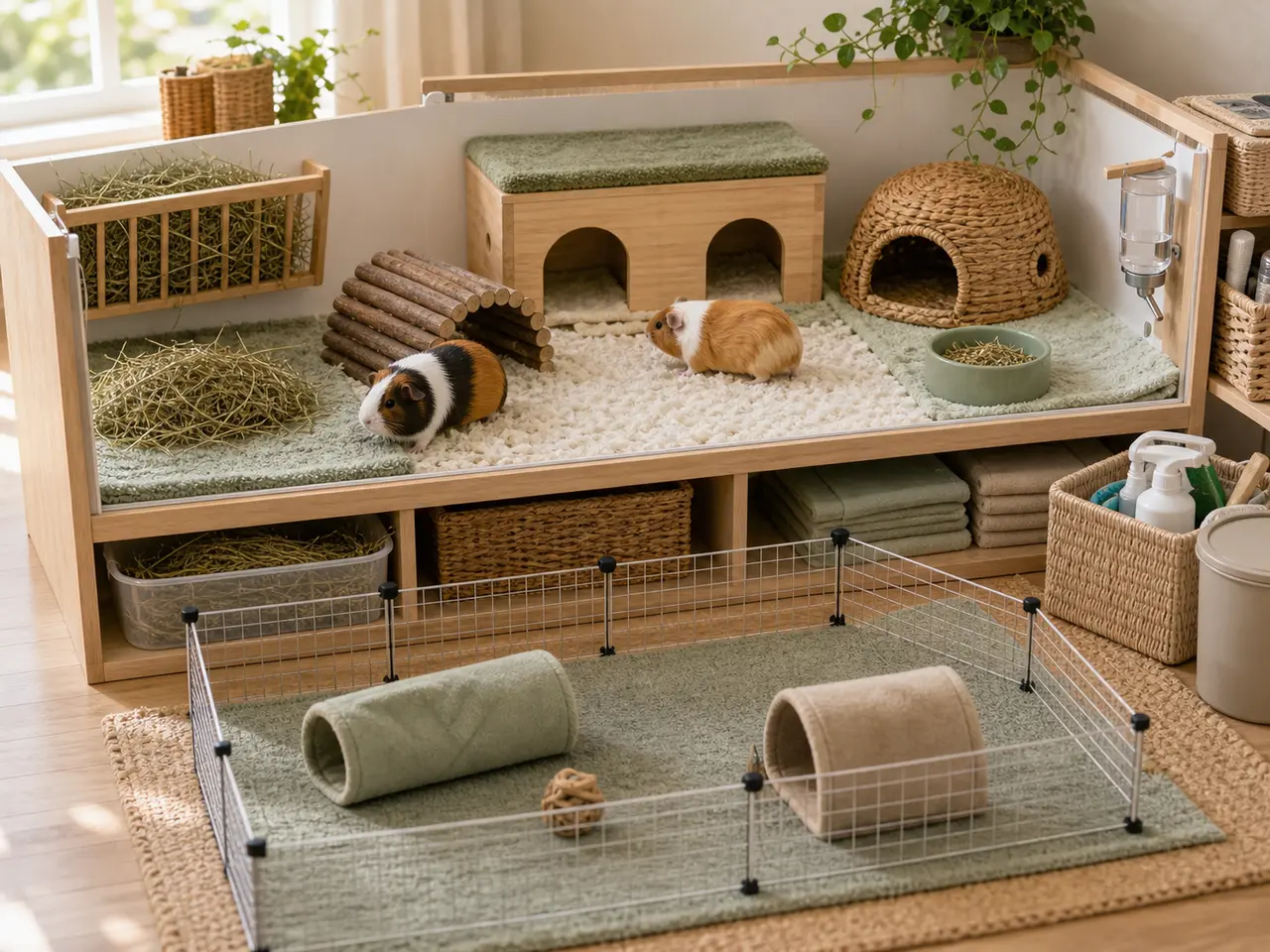
Drop the poor fits
If the normal work already sounds like too much, choose a different species before buying gear.
Write down the weekly chores, awake hours, handling expectations, and who owns vet decisions before choosing.
Before you decide
- Would this pet still fit on a busy weekday?
- Can you follow the social rule: solo or same-species friends?
- Can the adult habitat, food, carrier, and vet plan be ready first?
- Is an adult responsible for cleaning, feeding, and health decisions?
Next best moves
- Choose the weekly routine, not the cutest photo.
- Assign the adult who owns food, cleaning, handling limits, and vet calls.
- Cross off any pet whose normal housing or awake hours your home will not respect.
Common choosing questions
Does this answer apply to every small mammal?
No. The page gives the practical rule, then the species profile should decide the final housing, food, handling, and vet plan.
When should I ask a veterinarian?
Ask an exotic-pet veterinarian promptly for appetite loss, fewer droppings, labored breathing, collapse, severe lethargy, wounds, heat stress, or sudden weight change.