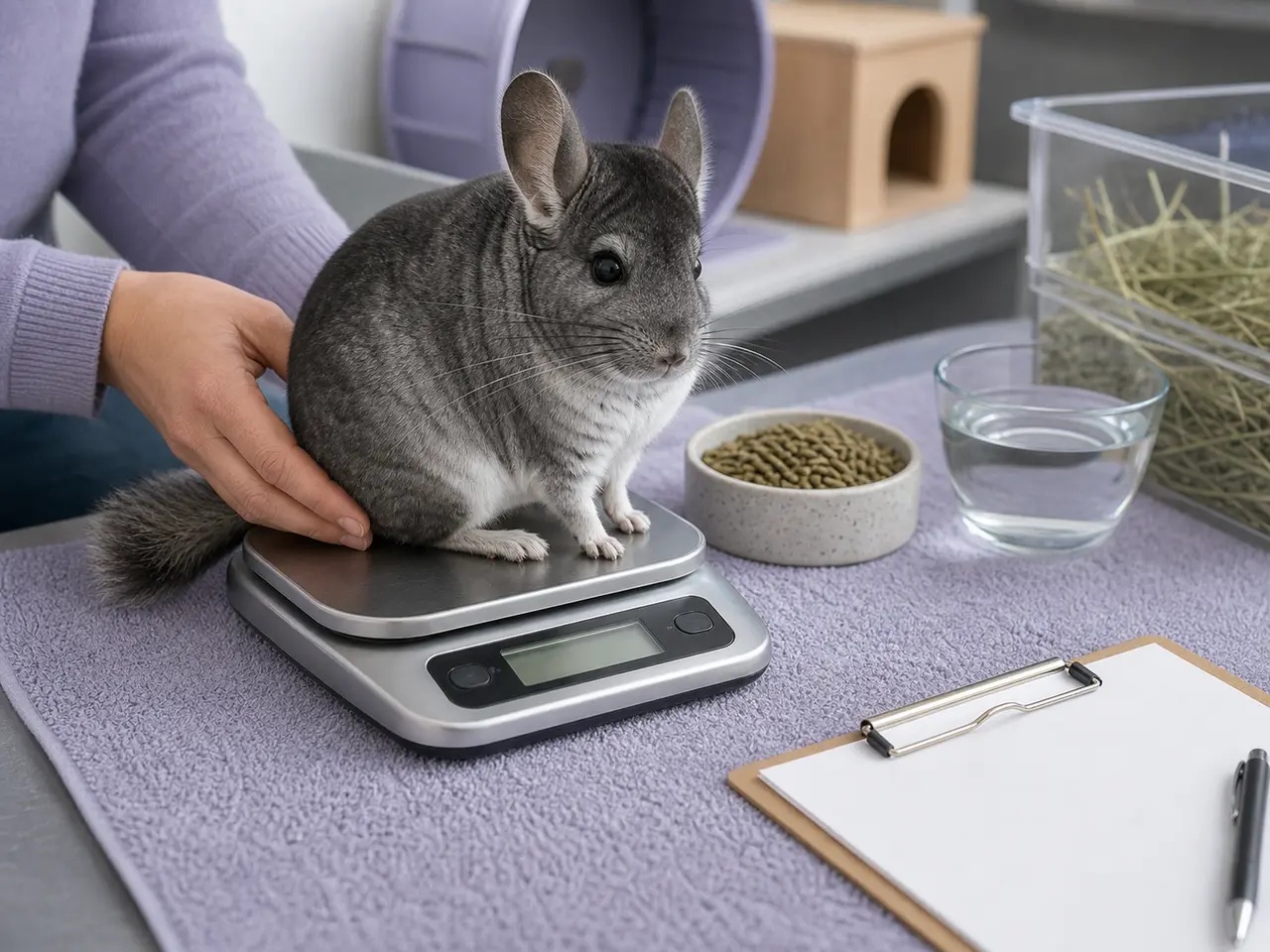
The least smelly setup is usually the cleanest, best-ventilated, least-crowded one. Species matters, but wet bedding, poor air flow, food hoards, dirty fabric, and missed litter areas create most odor problems.
Start with fit, then check the daily routine.
Find the smell at the source
Start by finding the wet spot, stale food, fabric, airflow issue, or health change.
Work through wet bedding, food hoards, litter misses, fabric, airflow, water leaks, cleaning rhythm, and whether the animal acts sore or quieter.
Cleaning differs by species
Cleaning answers change because burrows, fabric, hay, litter habits, scent marks, and wet bedding behave differently by species.
The match should still make sense on a busy weekday, not only when the animal is new.
Fix the source
Make the messy spot visible and reachable so cleaning fixes the source instead of covering the smell.
The match should still make sense on a busy weekday, not only when the animal is new.
Health clues can show in the mess
Strong ammonia, wet fur, sore feet, sneezing, diarrhea, fly risk, or a sudden odor change can point to a care or health problem; call an exotic-pet vet when signs persist or worsen.
Track wet spots, hidden food, fabric, airflow, litter misses, and whether the animal acts sore or quieter.
Before you decide
Have you found the wet spot, hoard, fabric, airflow, or litter issue?
Can you clean without removing every familiar scent at once?
Could odor come from wet bedding, hidden food, sore feet, stool changes, or illness?
Does the habitat make daily spot checks easy?
Next best moves
Choose the weekly routine, not the cutest photo.
Assign the adult who owns food, cleaning, handling limits, and vet calls.
Cross off any pet whose normal housing or awake hours your home will not respect.
Common choosing questions
Does this answer apply to every small mammal?
No. The page gives the practical rule, then the species profile should decide the final housing, food, handling, and vet plan.
When should I ask a veterinarian?
Ask an exotic-pet veterinarian promptly for appetite loss, fewer droppings, labored breathing, collapse, severe lethargy, wounds, heat stress, or sudden weight change.