Possible blockage signs include appetite loss, vomiting, abnormal stool, weakness, pawing at the mouth, belly pain, or a known swallowed object. Call an exotic-pet veterinarian quickly.
Plan around proofed play, meat-based food, and vet risk.
Treat blockage risk as urgent
Start with what changed today: food, water, droppings, breathing, movement, heat, chewing, or behavior.
Check food, water, droppings or stool, breathing, posture, heat, wounds, recent chewing, handling, current weight, and how fast the change started.
Urgency differs by species
Urgency changes by species because small bodies, gut movement, heat risk, breathing issues, and swallowed-object risk can move quickly.
The routine should make proofing, litter, play, food, water, and blockage concerns easy to notice.
Have transport ready
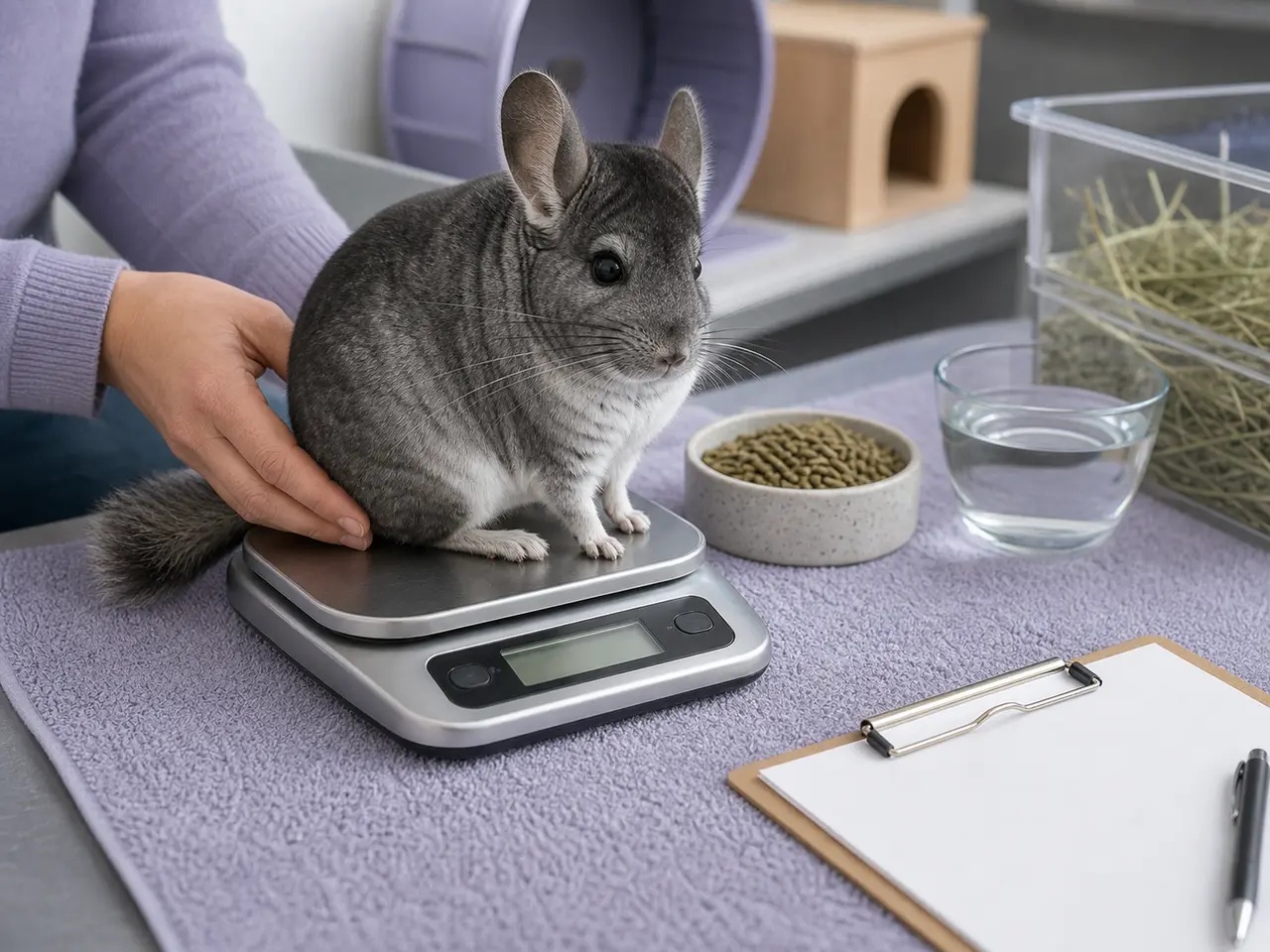
Keep the carrier, current weight, normal food, symptom notes, and clinic number close enough to use quickly.
The routine should make proofing, litter, play, food, water, and blockage concerns easy to notice.
Call before it gets worse
Vomiting, not eating, straining, lethargy, pawing at the mouth, breathing changes, or possible swallowed objects can be urgent; call an exotic-pet vet.
Use the carrier, weight notes, normal food details, symptom timeline, and clinic number instead of trying to solve the change from memory.
Before you decide
Is appetite, poop or stool, breathing, movement, or weight different today?
Do you have the carrier, scale, and clinic number ready?
Can you describe the timing, food, water, symptoms, and possible hazards to a vet?
Would waiting make the animal weaker or harder to transport?