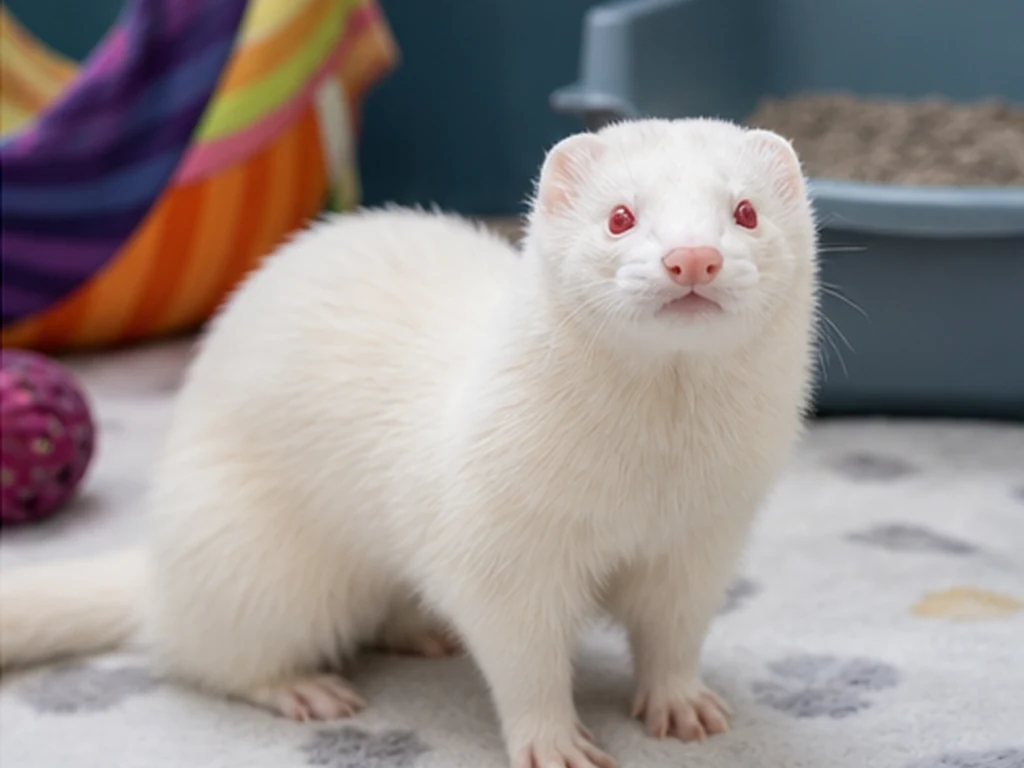
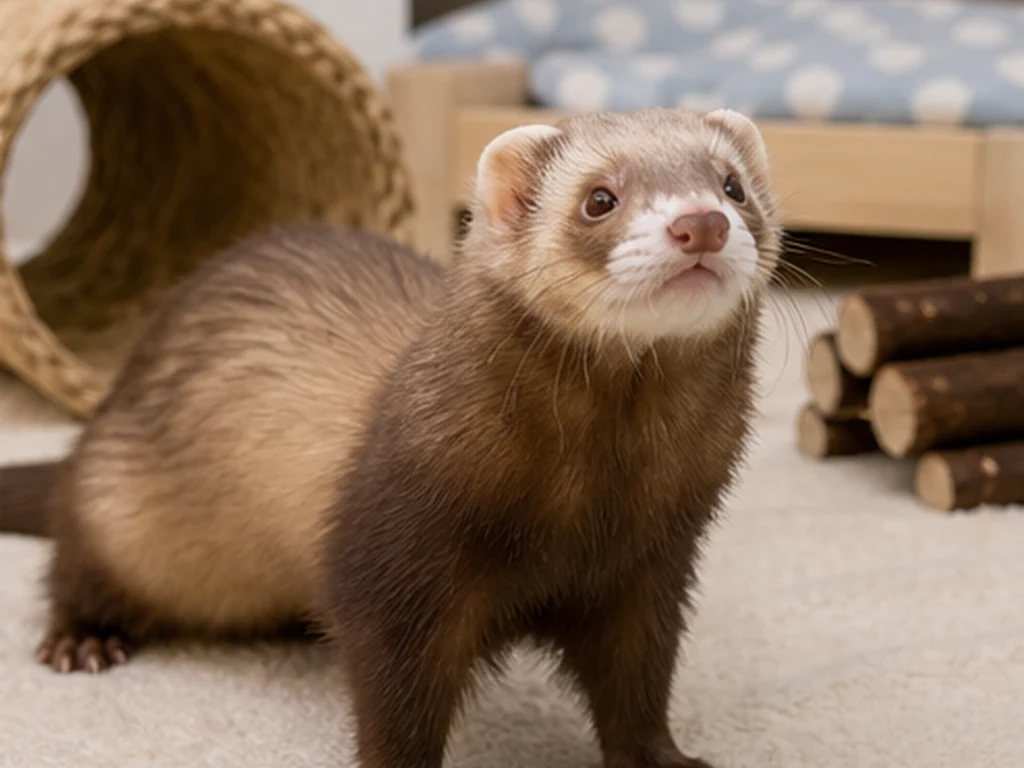
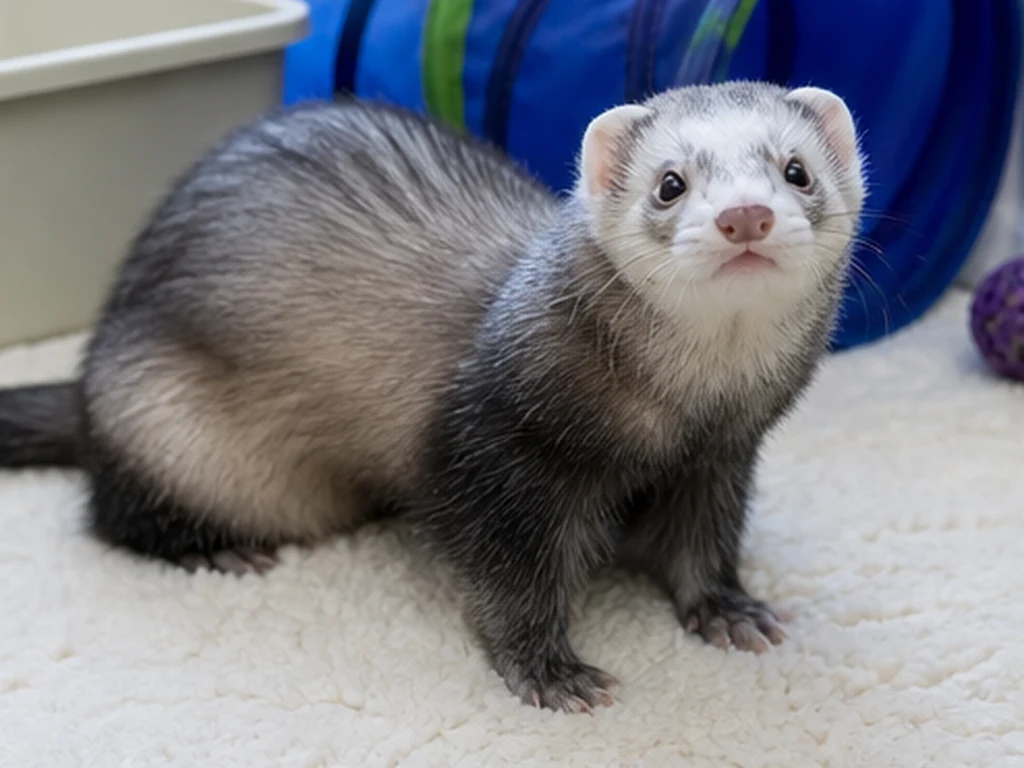
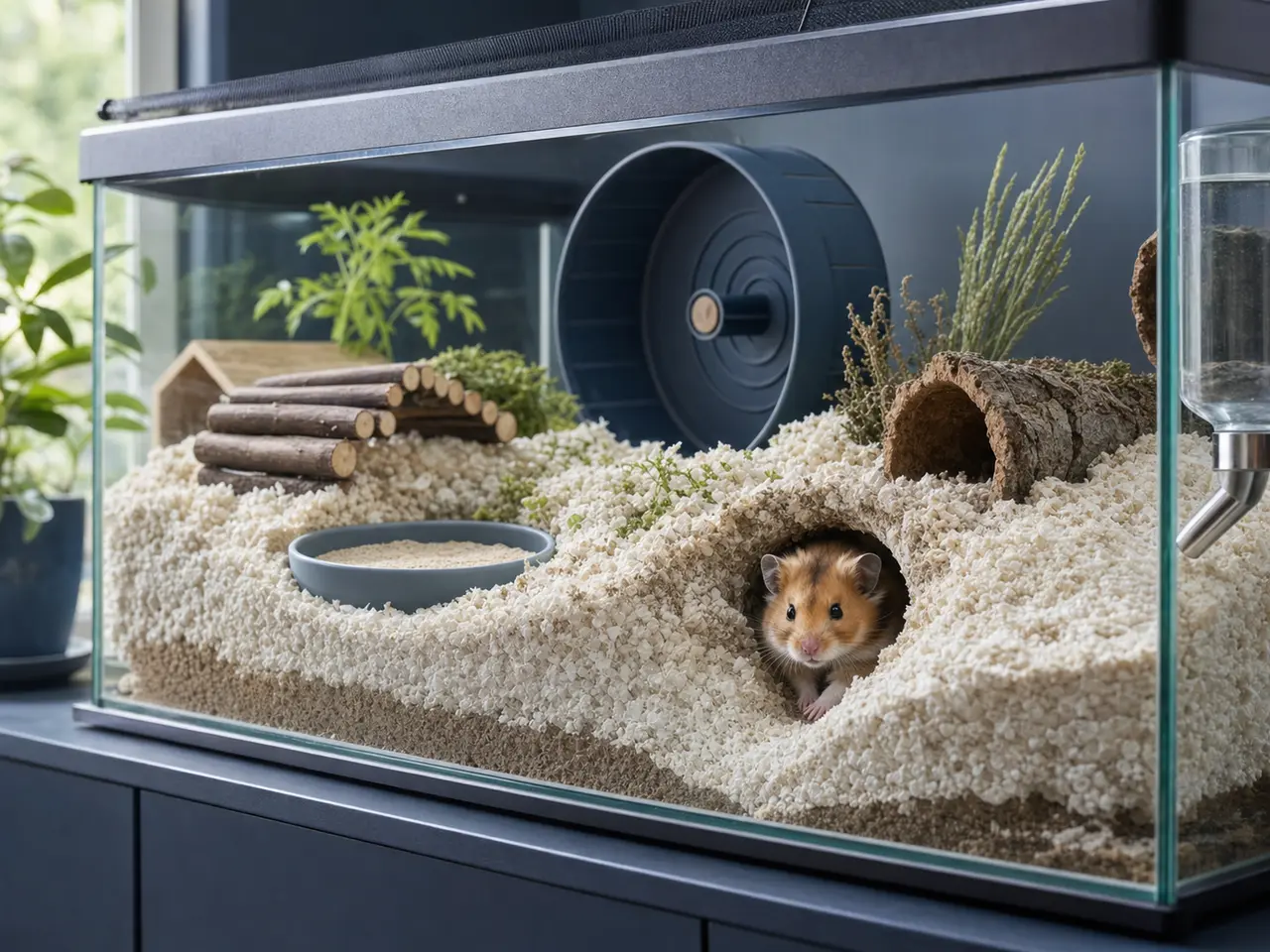
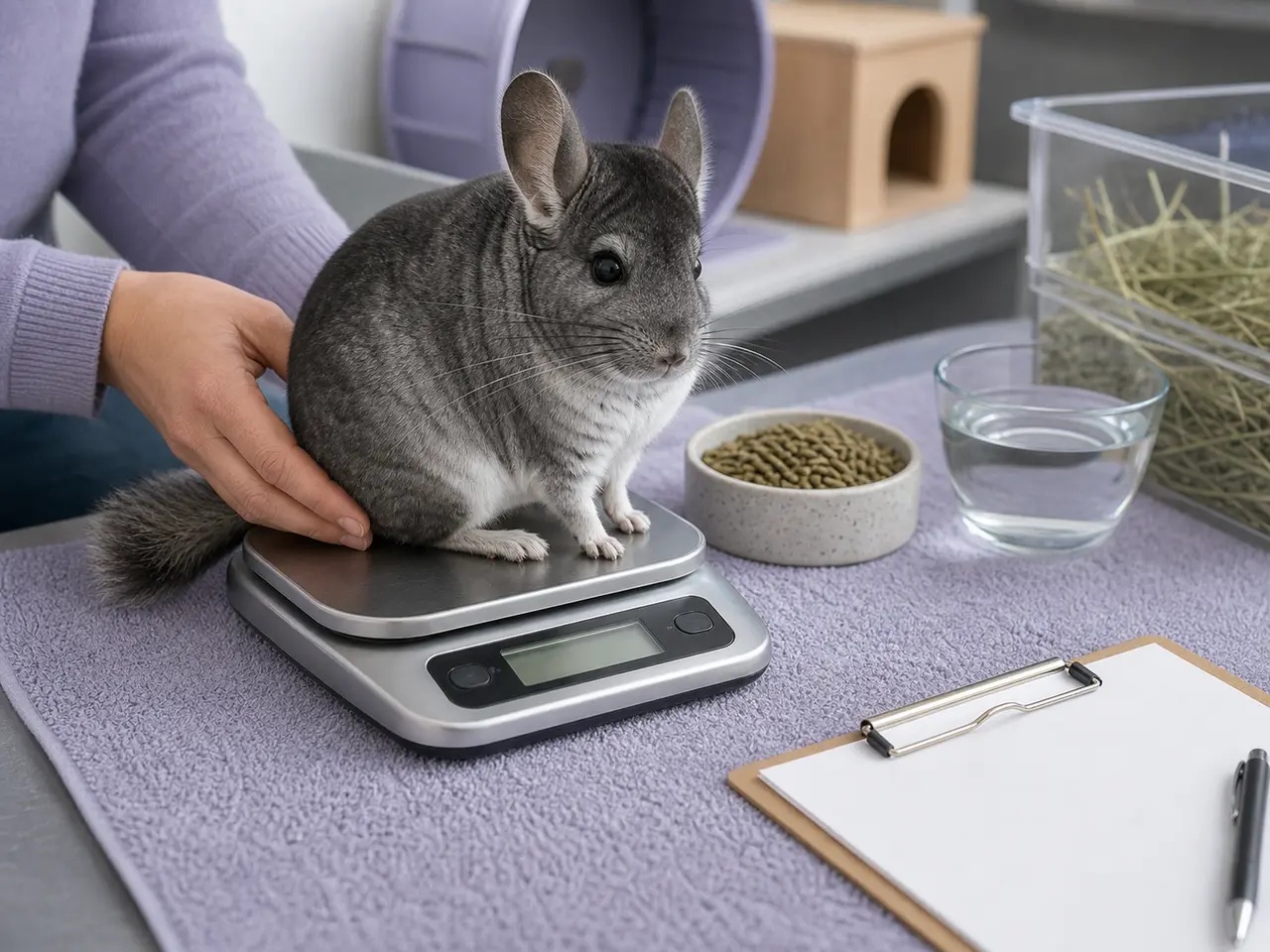
Because ferret odor comes from natural scent plus dirty litter, bedding, hammocks, food mess, and play areas. Overbathing can make skin and smell problems worse.
Plan around proofed play, meat-based food, and vet risk.
Find the smell at the source
Start by finding the wet spot, stale food, fabric, airflow issue, or health change.
Work through wet bedding, food hoards, litter misses, fabric, airflow, water leaks, cleaning rhythm, and whether the animal acts sore or quieter.
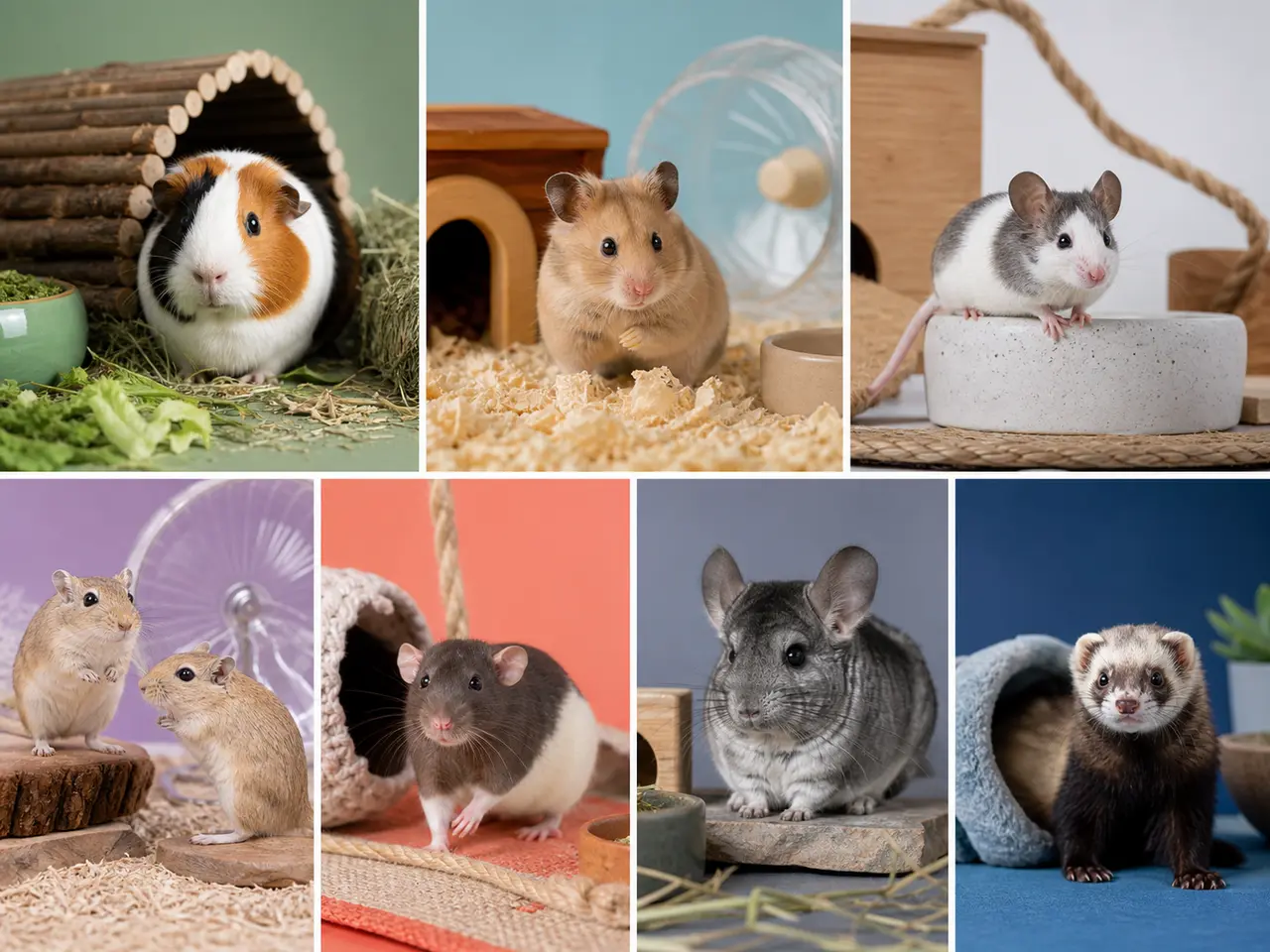
Cleaning differs by species
Cleaning answers change because burrows, fabric, hay, litter habits, scent marks, and wet bedding behave differently by species.
The routine should make proofing, litter, play, food, water, and blockage concerns easy to notice.
Fix the source
Make the messy spot visible and reachable so cleaning fixes the source instead of covering the smell.
The routine should make proofing, litter, play, food, water, and blockage concerns easy to notice.
Health clues can show in the mess
Strong ammonia, wet fur, sore feet, sneezing, diarrhea, fly risk, or a sudden odor change can point to a care or health problem; call an exotic-pet vet when signs persist or worsen.
Track wet spots, hidden food, fabric, airflow, litter misses, and whether the animal acts sore or quieter.
Before you decide
Have you found the wet spot, hoard, fabric, airflow, or litter issue?
Can you clean without removing every familiar scent at once?
Could odor come from wet bedding, hidden food, sore feet, stool changes, or illness?