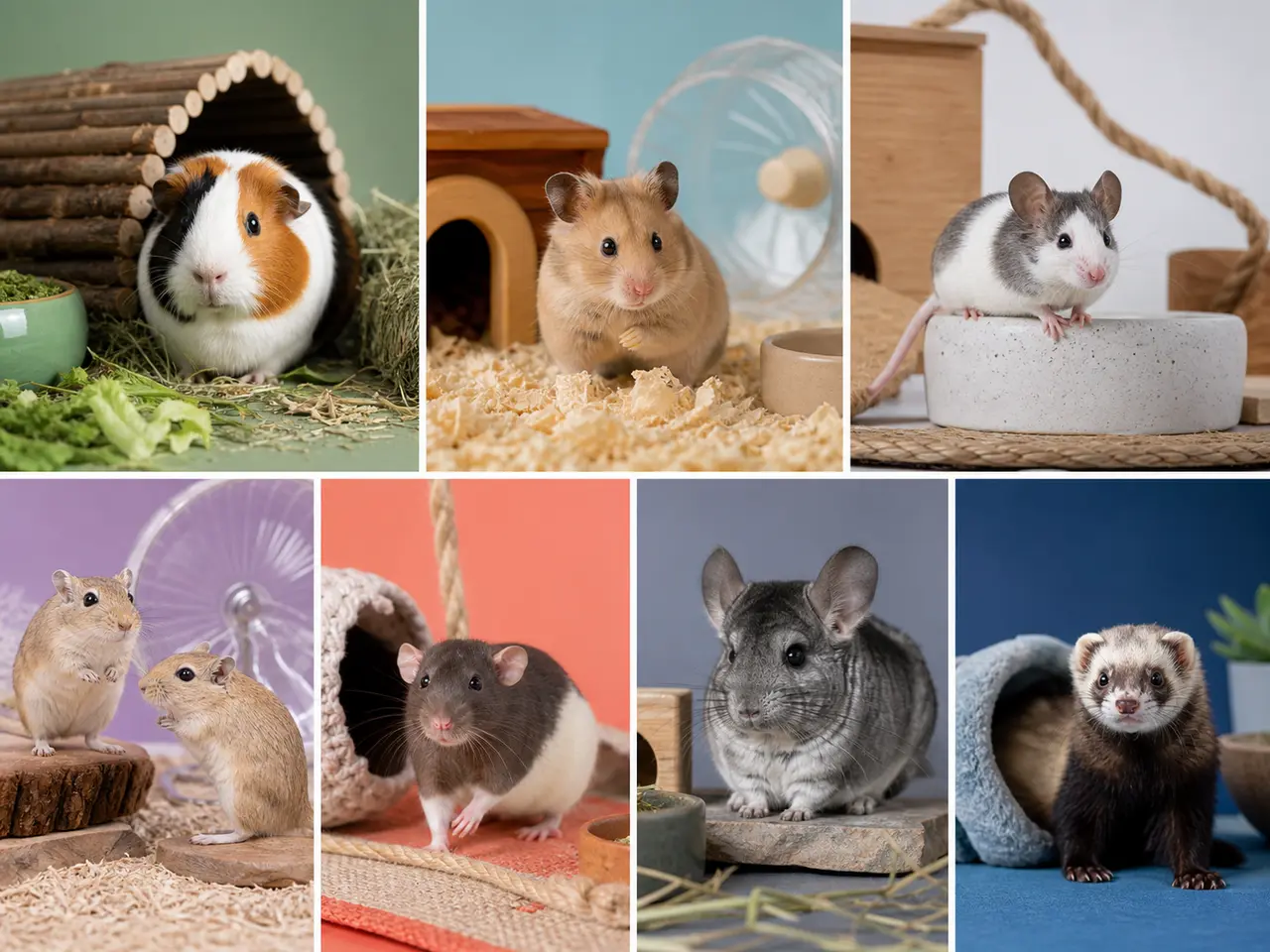
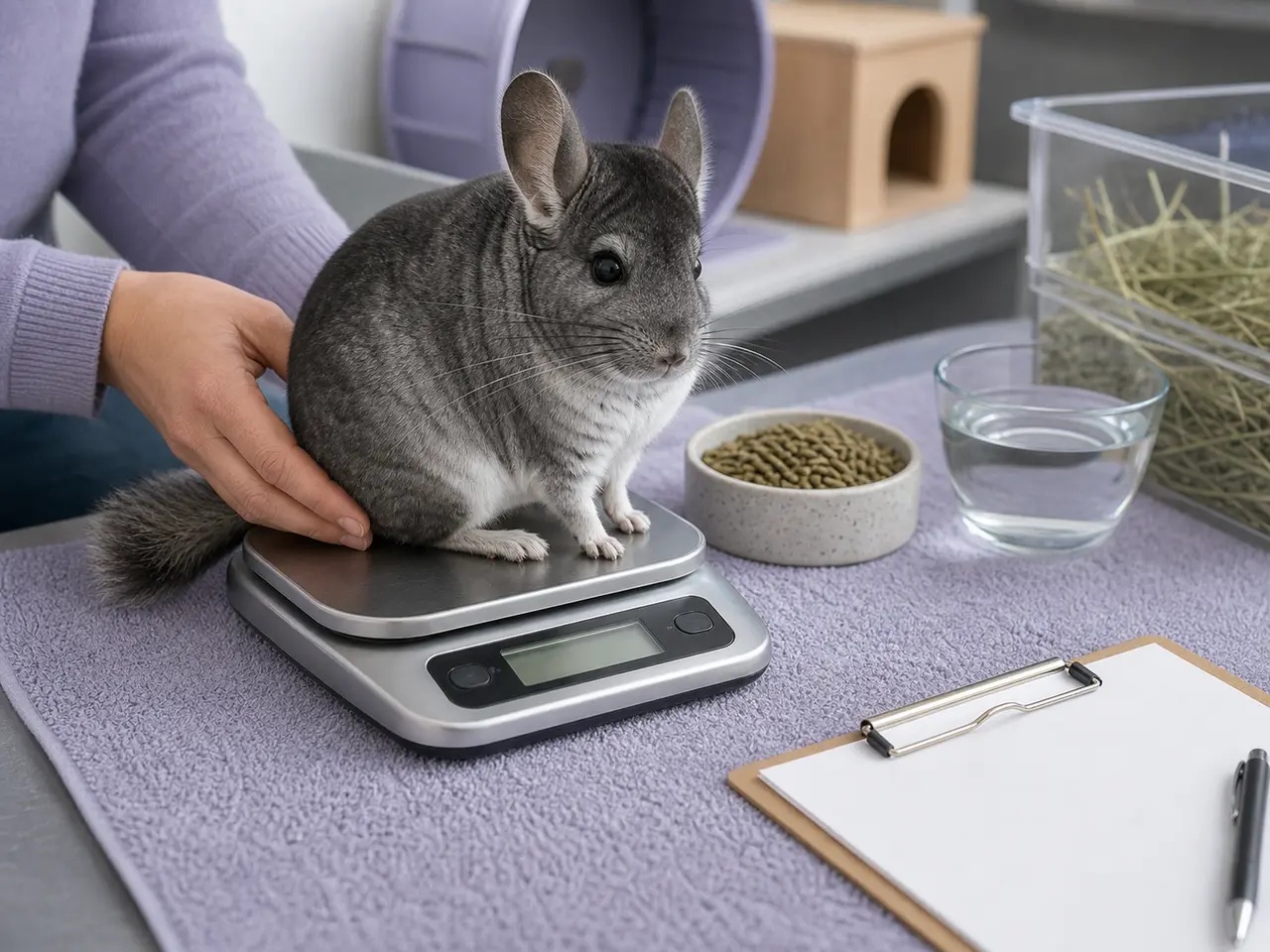
Small mammals need food built for their species: hay and vitamin C for guinea pigs, measured rodent staples for rodents, and meat-based food for ferrets.
Start with the species diet, then judge the detail.
Start with the daily diet
Start with the normal daily diet, then judge the specific food question against that routine.
Check the staple food, hay or seed balance when relevant, water, treats, hoards, droppings, weight, and whether one animal is eating less.
Food differs by species
Food answers change by species because teeth, digestion, hay needs, hoarding, protein needs, and body size are different.
The feeding plan should be simple enough that every caregiver offers the same staple and notices missed food.
Set the food routine
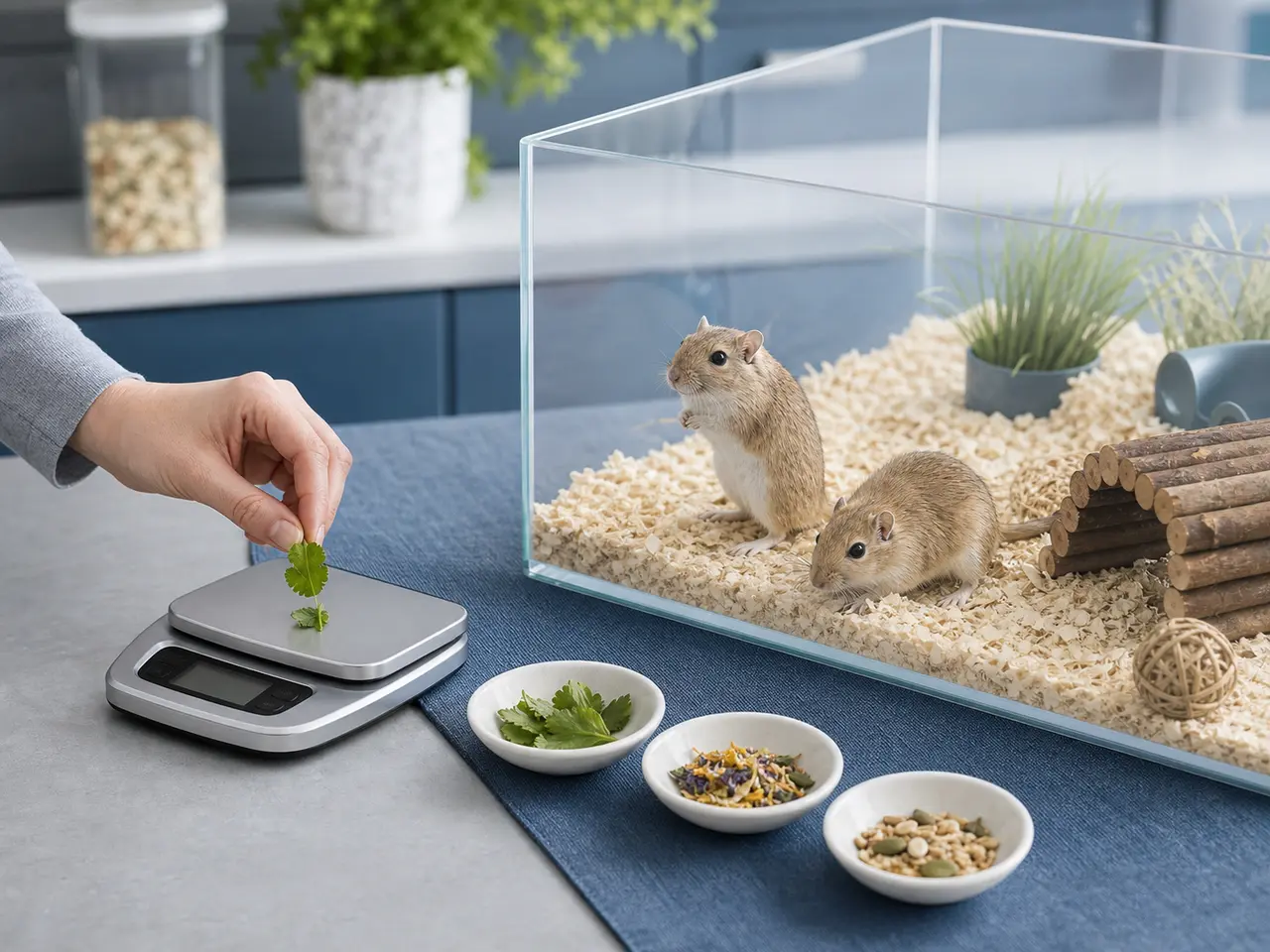
Set the staple, water check, treat rule, and leftover check so appetite changes are easy to notice.
The feeding plan should be simple enough that every caregiver offers the same staple and notices missed food.
Notice appetite changes
Less appetite, fewer droppings, soft stool, weight loss, drooling, hoard changes, or one animal being blocked from food deserves an exotic-pet vet call.
Write down the staple, water check, treat amount, hoards or leftovers, droppings, weight, and the exact food change.
Before you decide
Does this match the species' normal staple diet?
Are water, portions, leftovers, and hoards easy to check?
Would you notice less appetite, fewer droppings, soft stool, or weight loss today?
Have you opened the matching food guide before changing the diet?
Next best moves
Keep the staple food steady while you test any new extra.
Remove fresh leftovers before they disappear into bedding or hoards.
Treat missed meals, fewer droppings, or sudden stool changes as health information.
Common food questions
Does this answer apply to every small mammal?
No. The page gives the practical rule, then the species profile should decide the final housing, food, handling, and vet plan.
When should I ask a veterinarian?
Ask an exotic-pet veterinarian promptly for appetite loss, fewer droppings, labored breathing, collapse, severe lethargy, wounds, heat stress, or sudden weight change.