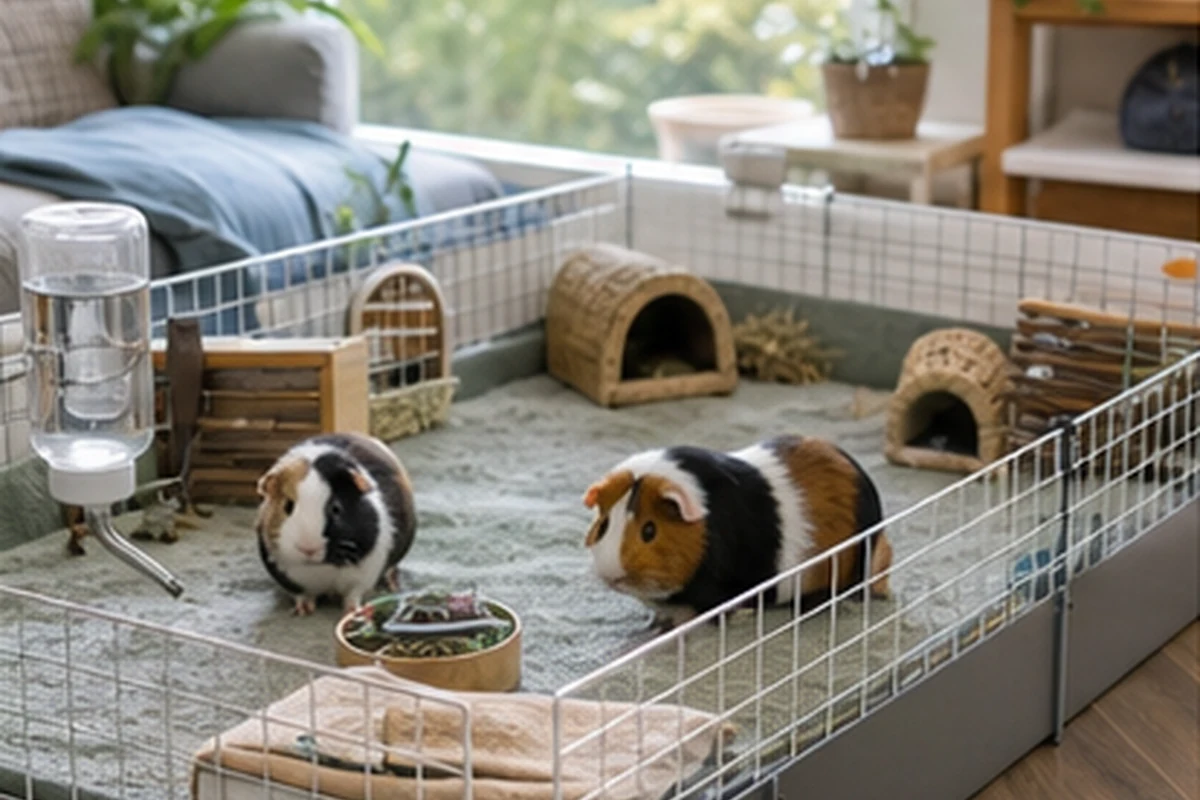
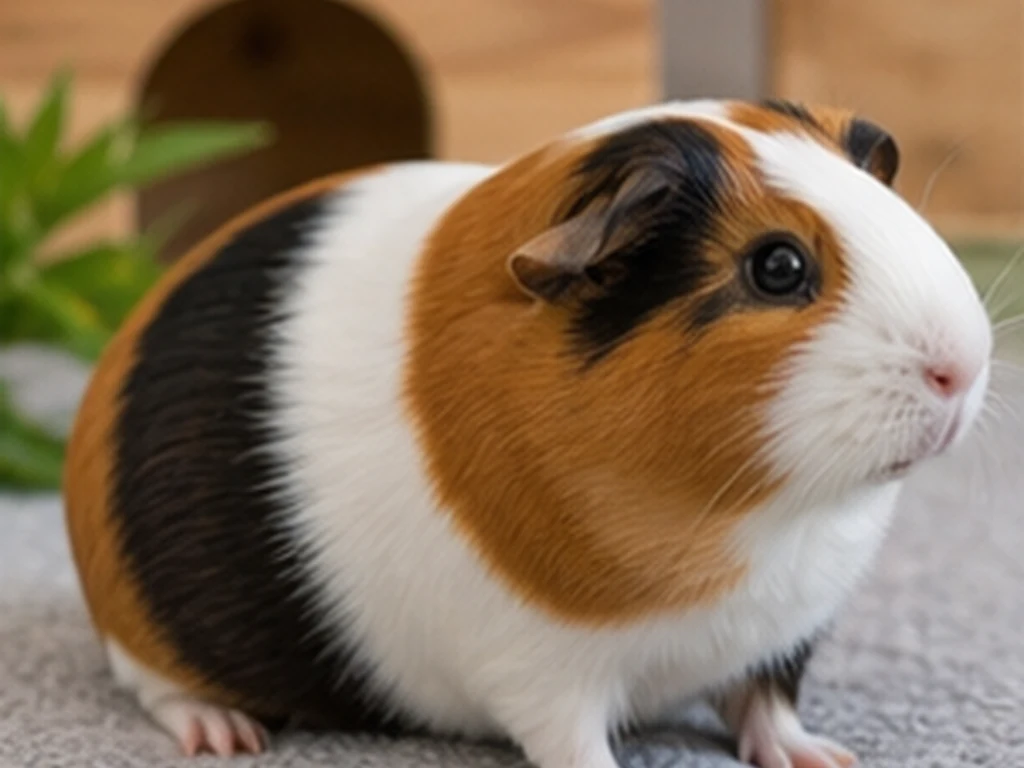
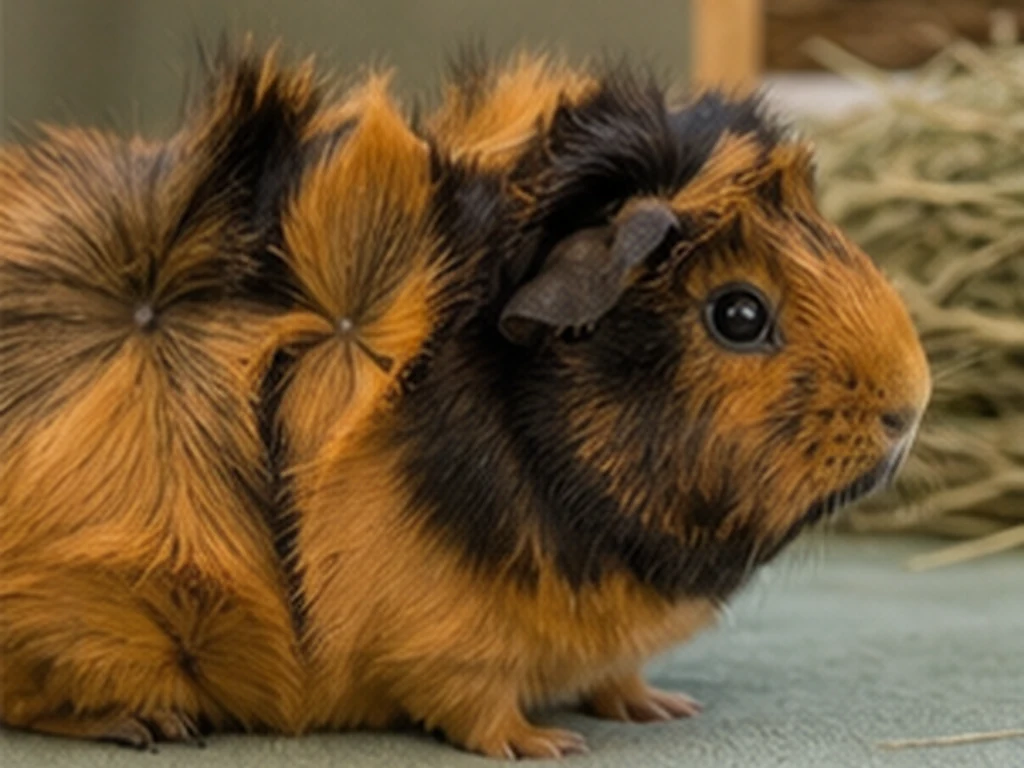
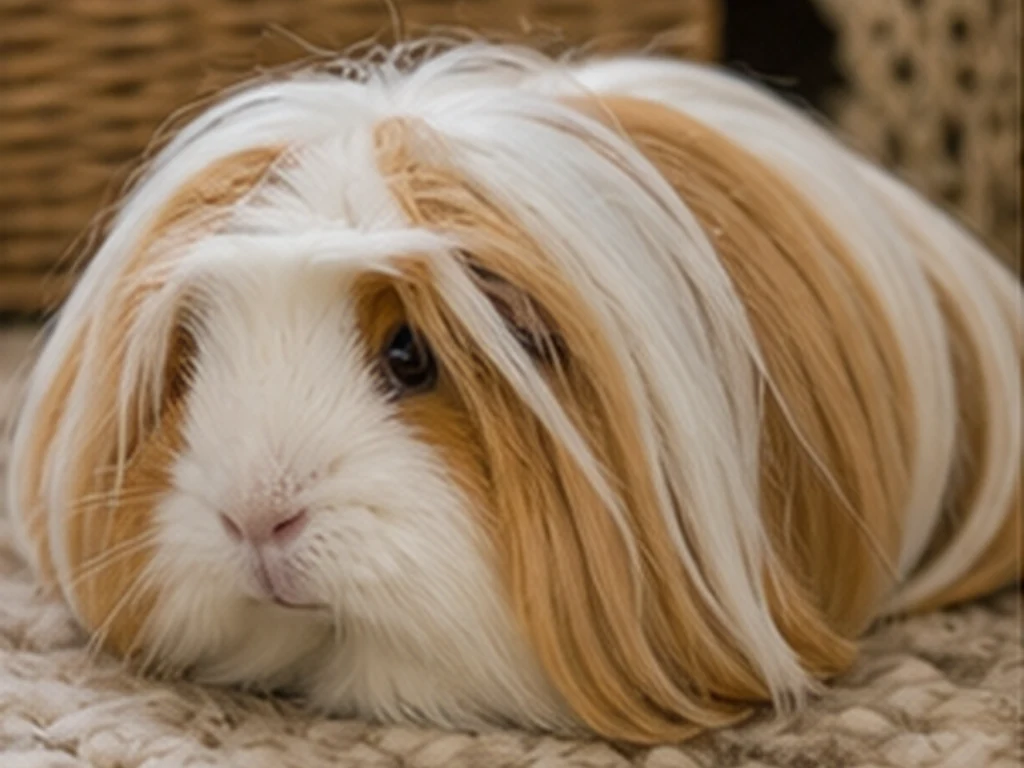
Guinea pigs need unlimited clean grass hay every day. Hay supports teeth, digestion, foraging, and routine, so it should be easier to reach than any treat or pellet.
Keep hay, vitamin C, companionship, and appetite in view.
Start with the daily diet
Start with the normal daily diet, then judge the specific food question against that routine.
Check the staple food, hay or seed balance when relevant, water, treats, hoards, droppings, weight, and whether one animal is eating less.
Food differs by species
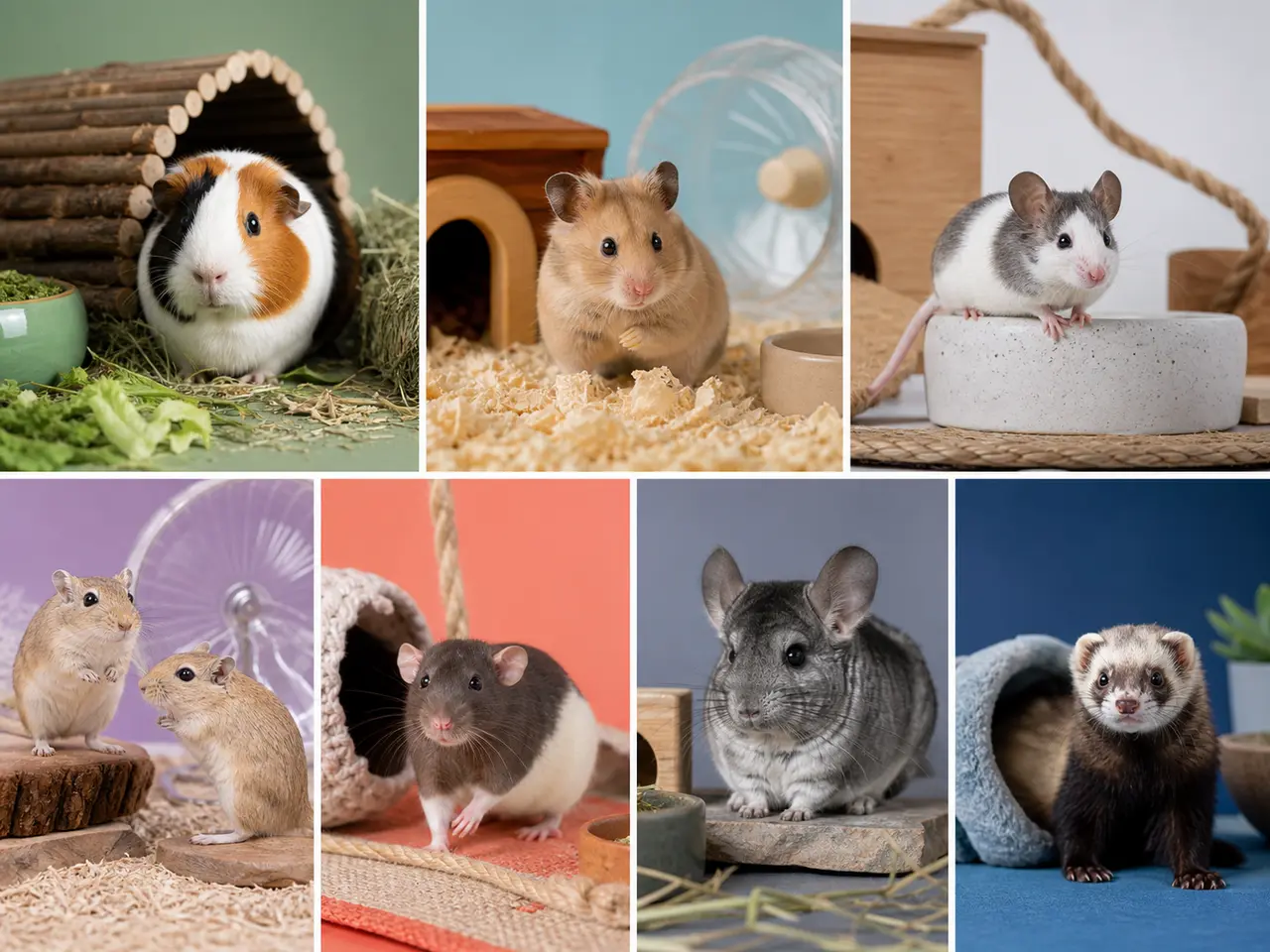
Food answers change by species because teeth, digestion, hay needs, hoarding, protein needs, and body size are different.
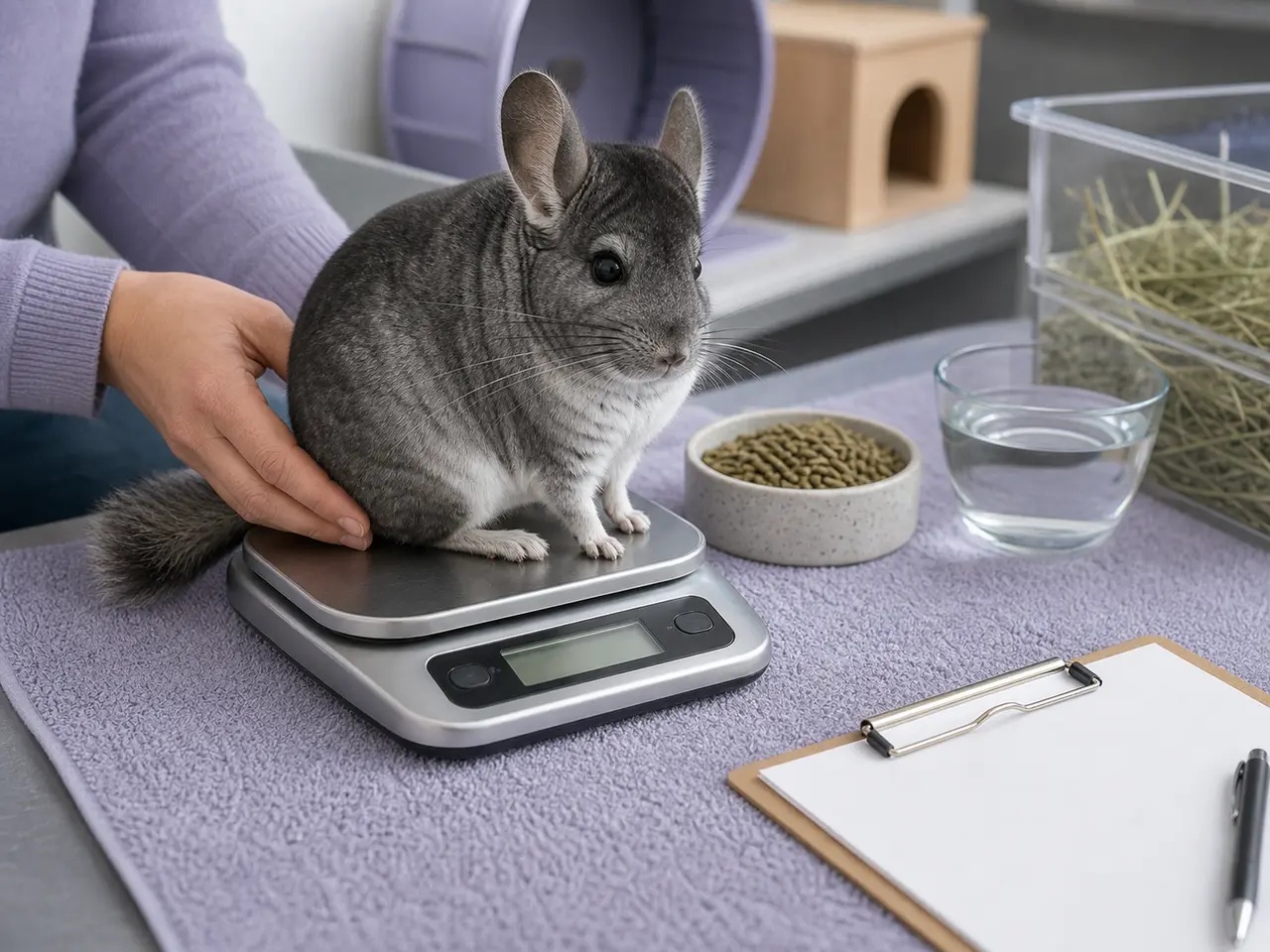
Place hay, vitamin C food, water, and the scale where a normal check also shows how cage mates act.
Set the food routine
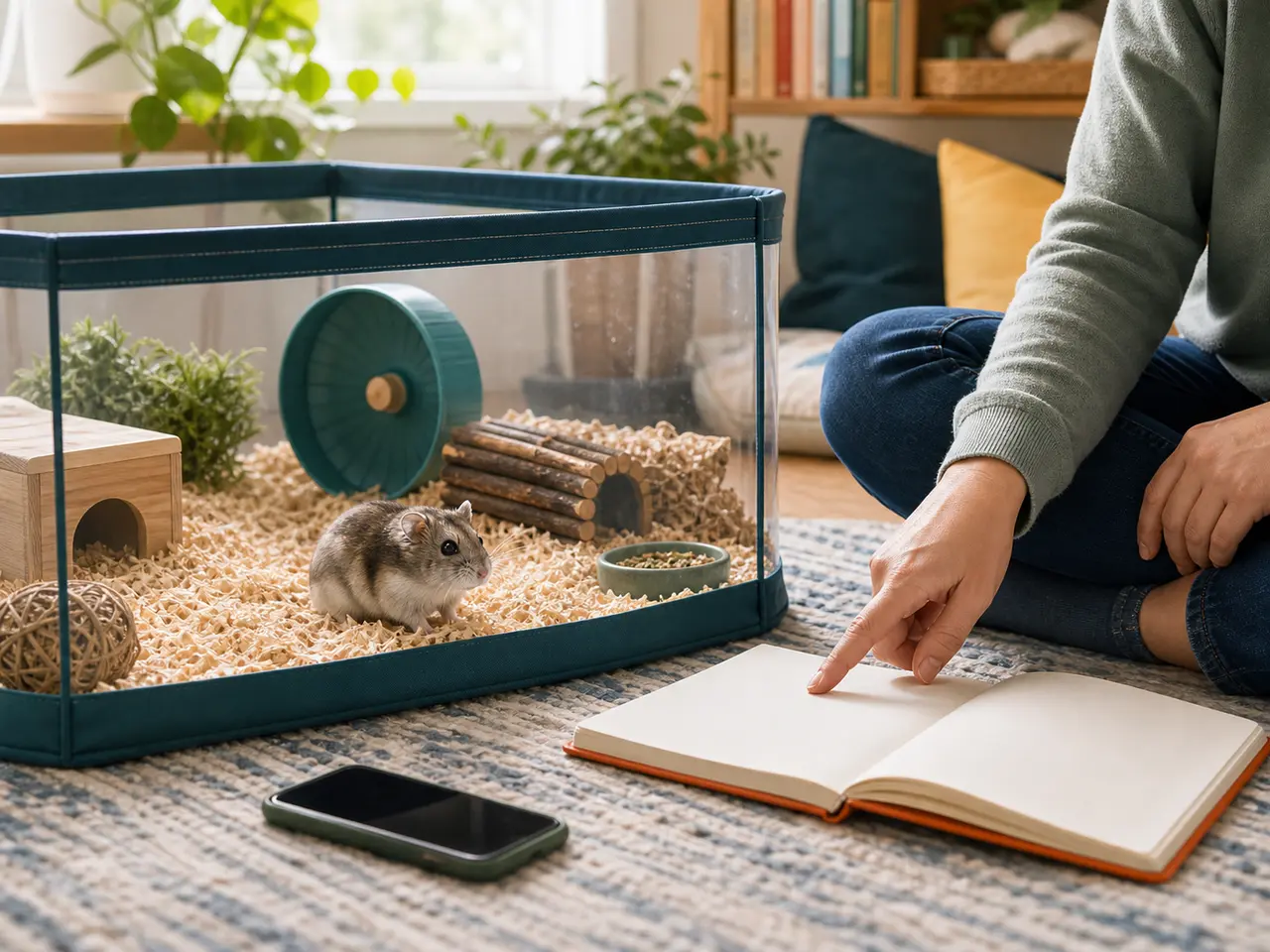
Set the staple, water check, treat rule, and leftover check so appetite changes are easy to notice.
Place hay, vitamin C food, water, and the scale where a normal check also shows how cage mates act.
Notice appetite changes
Less appetite, fewer droppings, soft stool, weight loss, drooling, hoard changes, or one animal being blocked from food deserves an exotic-pet vet call.
Write down the staple, water check, treat amount, hoards or leftovers, droppings, weight, and the exact food change.
Before you decide
Does this match the species' normal staple diet?
Are water, portions, leftovers, and hoards easy to check?
Would you notice less appetite, fewer droppings, soft stool, or weight loss today?
Have you opened the matching food guide before changing the diet?
Next best moves
Keep hay, vitamin C, water, weight, and droppings easy to check.
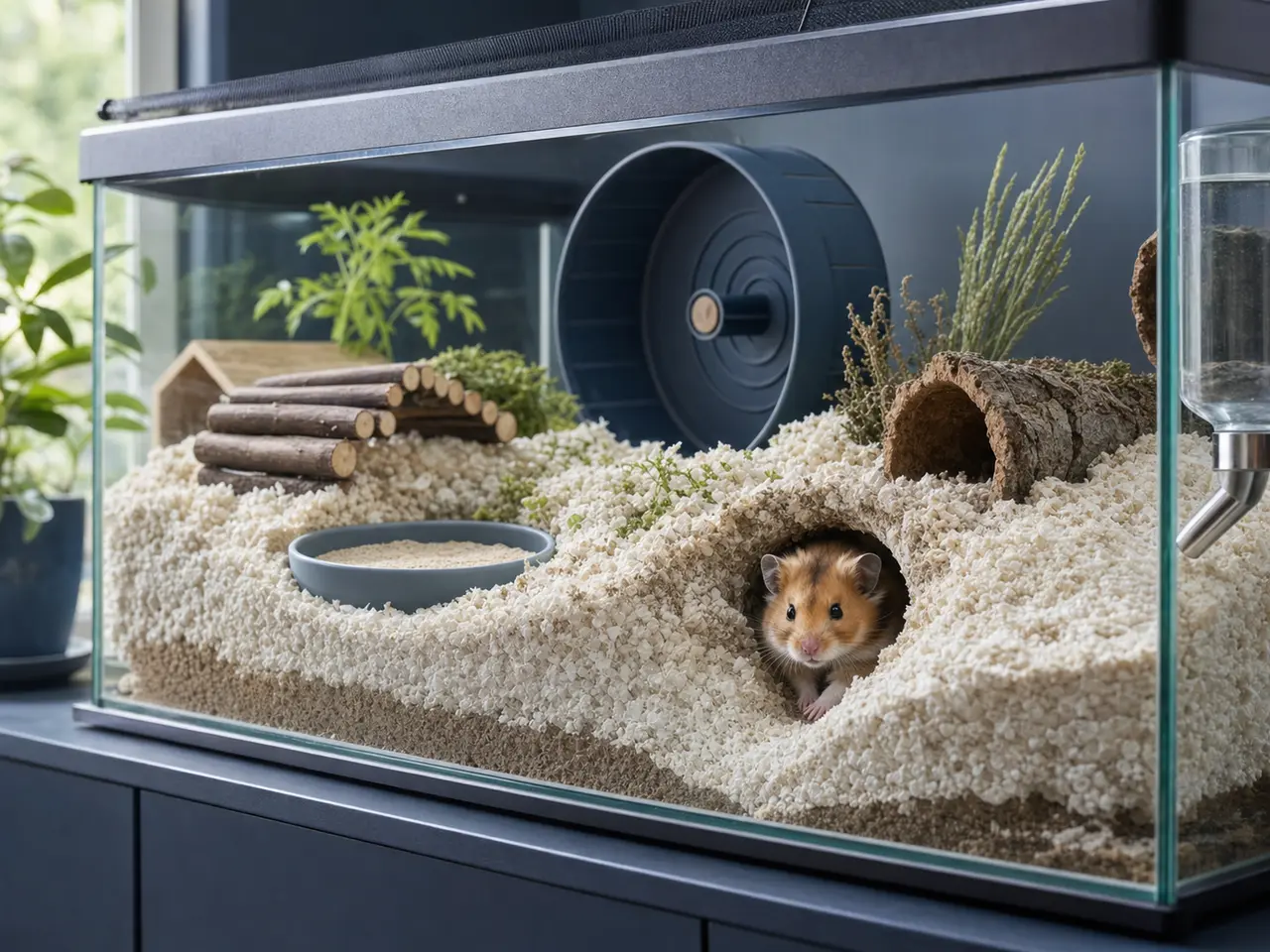
Plan around compatible companionship and flat floor space.
Call an exotic-pet veterinarian quickly for appetite, poop, breathing, tooth, or weight changes.
Common guinea pig questions
Does this answer apply to every small mammal?
No. The page gives the practical rule, then the species profile should decide the final housing, food, handling, and vet plan.
When should I ask a veterinarian?
Ask an exotic-pet veterinarian promptly for appetite loss, fewer droppings, labored breathing, collapse, severe lethargy, wounds, heat stress, or sudden weight change.