Start with the safest step
Start with how the species keeps its coat, skin, feet, and temperature safe.
Check the coat, feet, skin, teeth, dust or sand routine, room temperature, bedding, and whether grooming changes appetite or movement.
Updated
Small mammal question
Guinea pig nail trim timing varies by growth, surface wear, and age. Check nails regularly and ask a vet or experienced rescuer to show safe trimming before cutting too close.
Keep hay, vitamin C, companionship, and appetite in view.
Start with how the species keeps its coat, skin, feet, and temperature safe.
Check the coat, feet, skin, teeth, dust or sand routine, room temperature, bedding, and whether grooming changes appetite or movement.
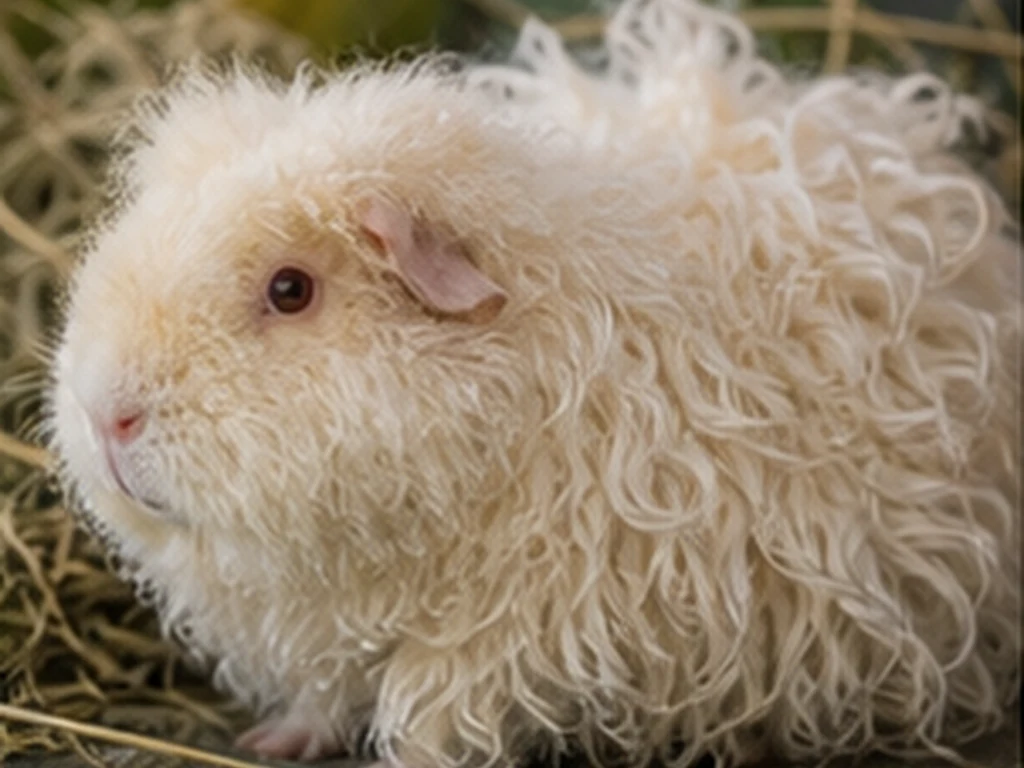
Coat and bath advice changes by species: chinchillas need dry dust baths, hamsters may use sand, and guinea pigs need body checks without risky wheels or baths.
Grooming should reveal skin, feet, teeth, heat, and movement problems instead of covering them with products.
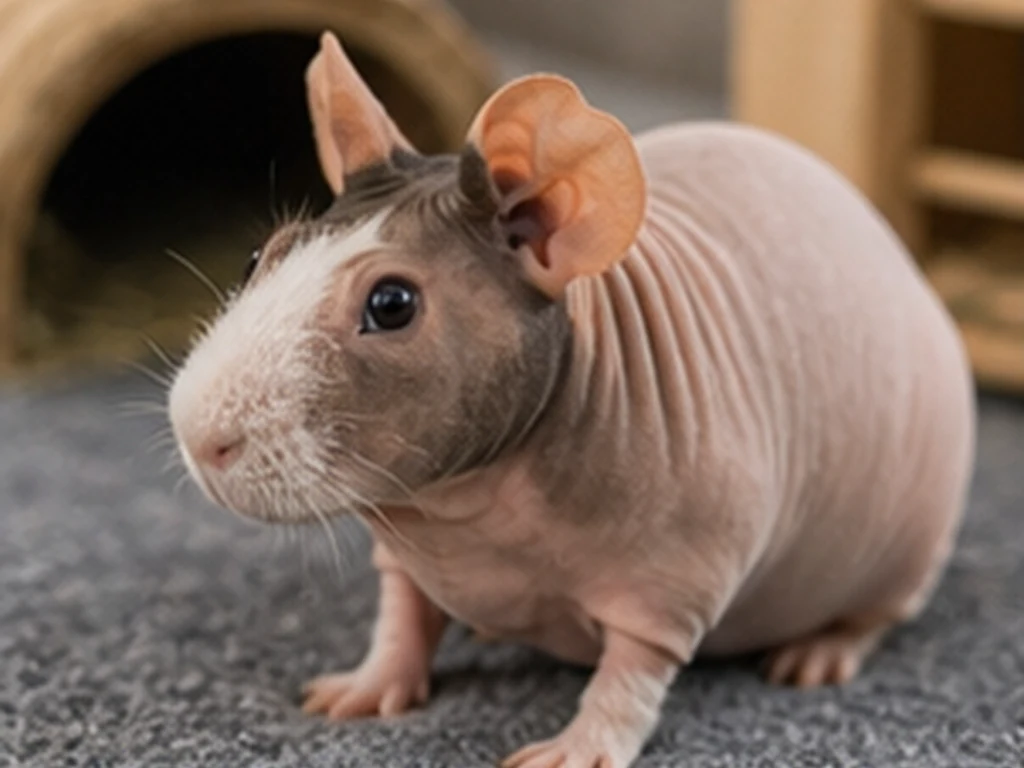
Keep grooming support species-safe: dry baths where appropriate, no risky water baths, and no product that hides a health change.
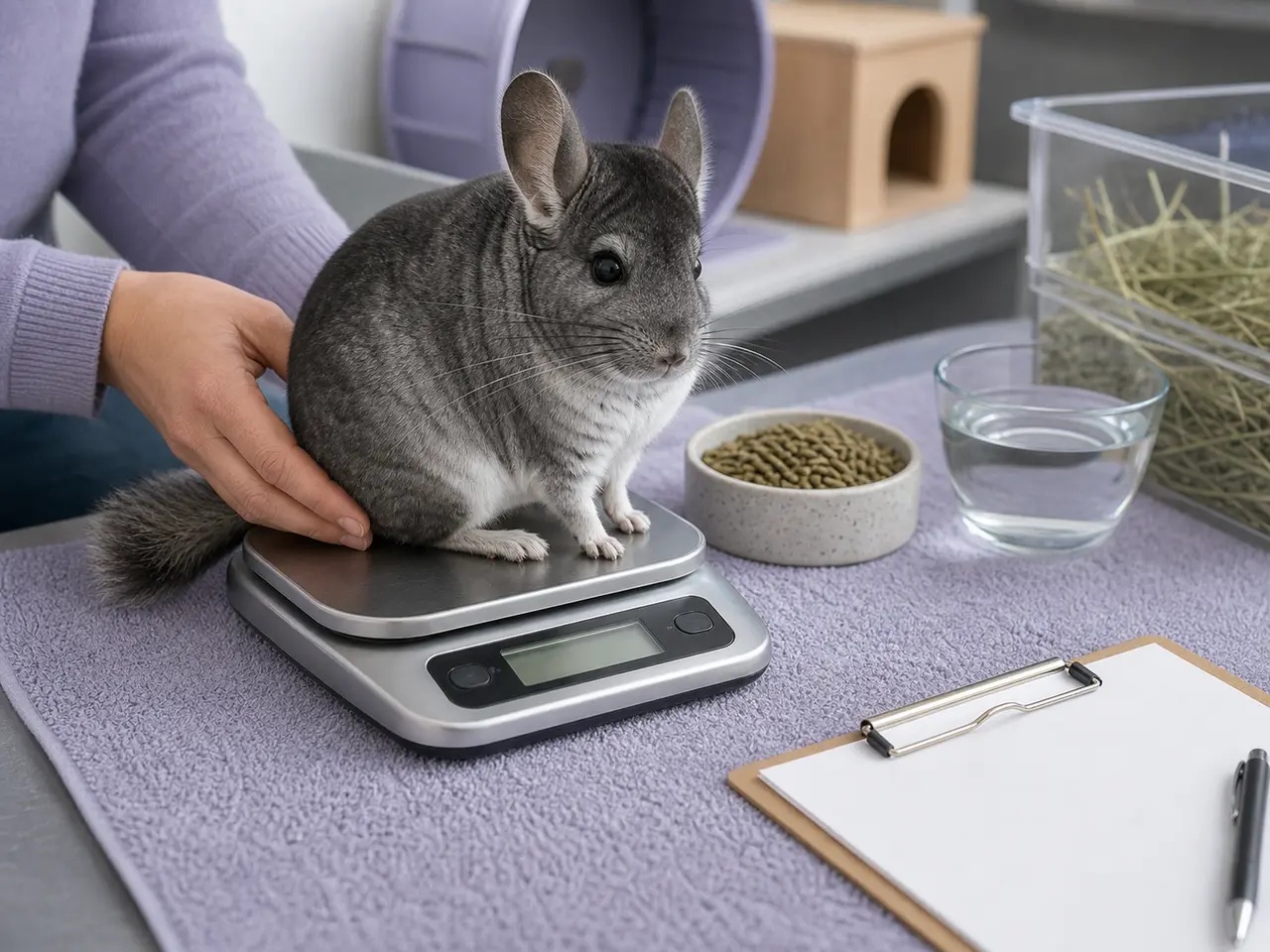
Place hay, vitamin C food, water, and the scale where a normal check also shows how cage mates act.
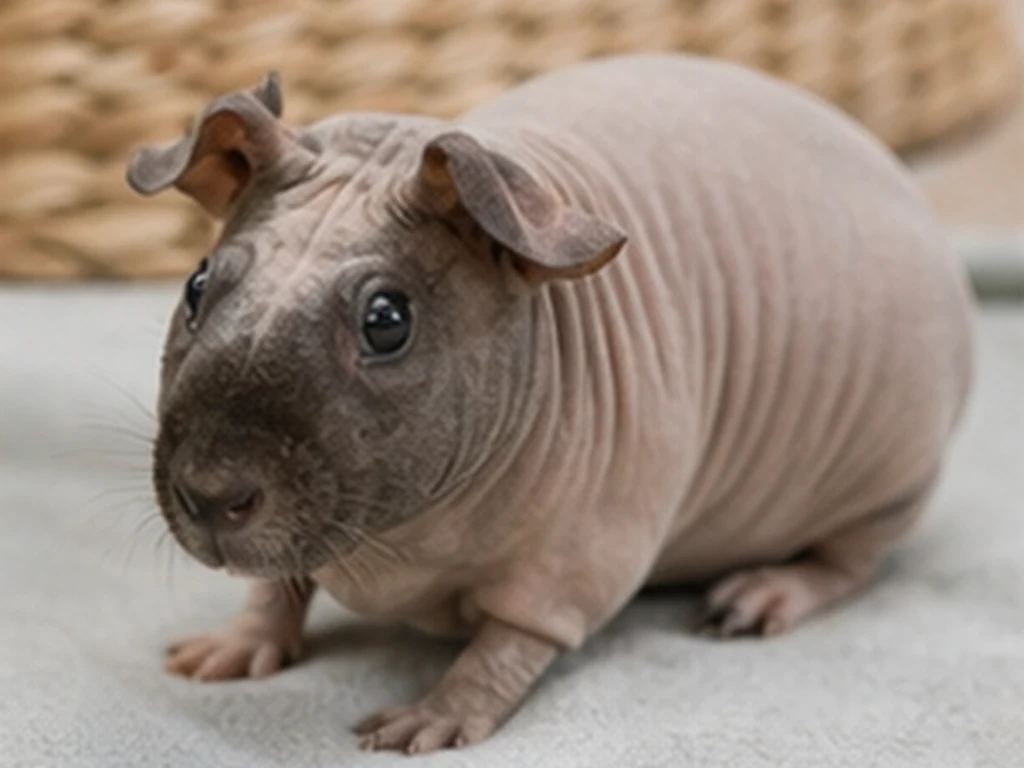
Wet fur, sore skin, limping, heat signs, tooth trouble, appetite loss, or stress during grooming means the routine needs to stop and may need an exotic-pet vet call.
Keep the normal coat-care routine steady and call if appetite, movement, skin, feet, breathing, or body temperature changes.
No. The page gives the practical rule, then the species profile should decide the final housing, food, handling, and vet plan.
Ask an exotic-pet veterinarian promptly for appetite loss, fewer droppings, labored breathing, collapse, severe lethargy, wounds, heat stress, or sudden weight change.