Look for the real cause
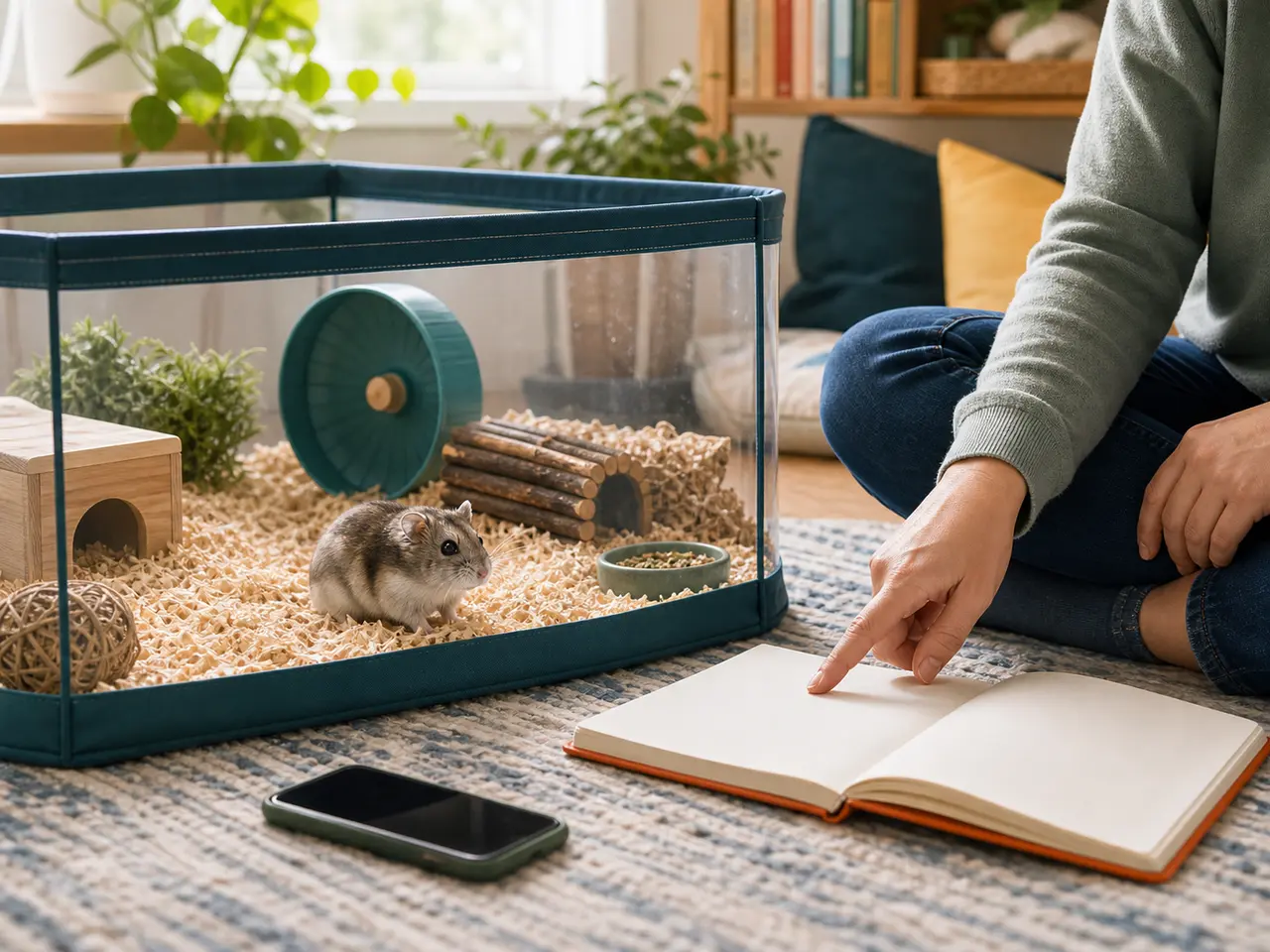
Start with the real home: sleep, doors, children, other pets, heat, travel, budget, and backup care.
Updated
Small mammal question
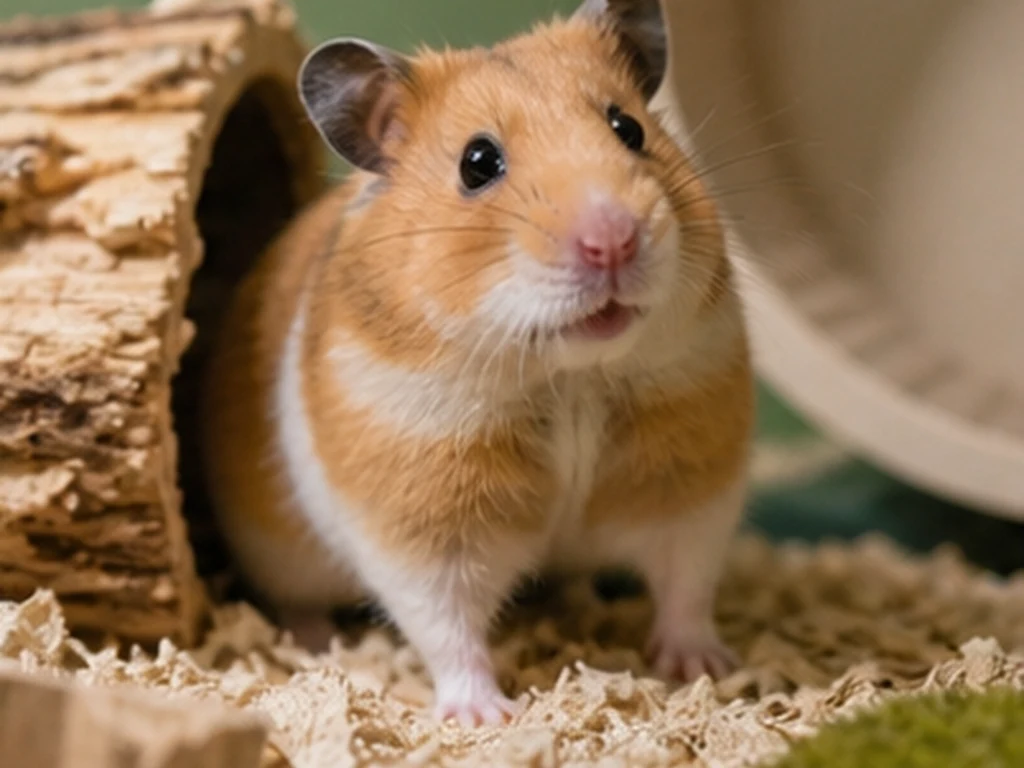
Because many hamsters naturally sleep through much of the day and become active in the evening or night. Waking them for daytime play can make handling and trust worse.
Protect solitary housing, deep bedding, and quiet timing.
Start with the real home: sleep, doors, children, other pets, heat, travel, budget, and backup care.
Household answers change by species because sleep time, handling tolerance, escape risk, heat sensitivity, social rules, and legal rules differ.
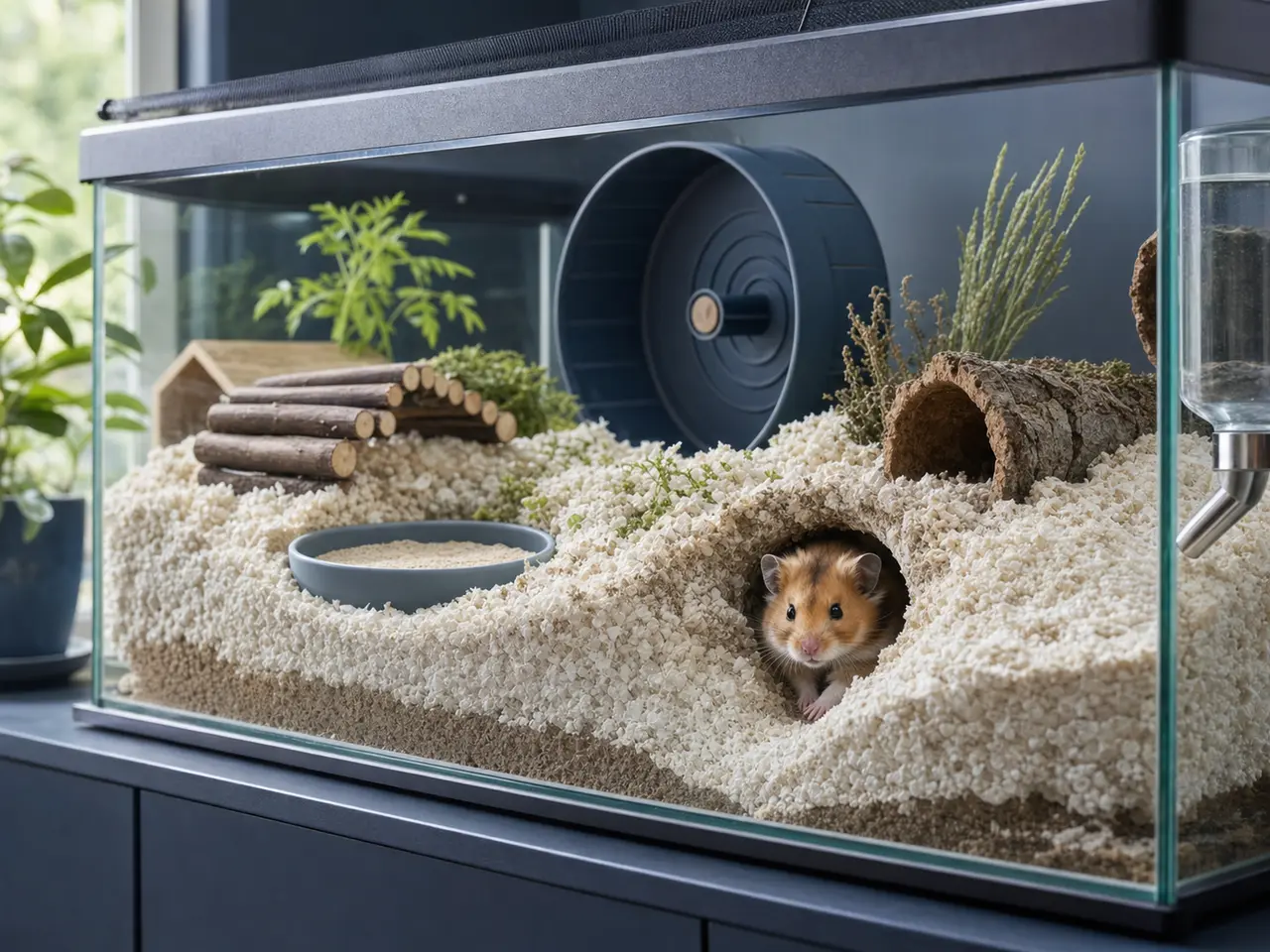
The routine should protect sleep, burrows, water, hoards, wheel use, and low handling.
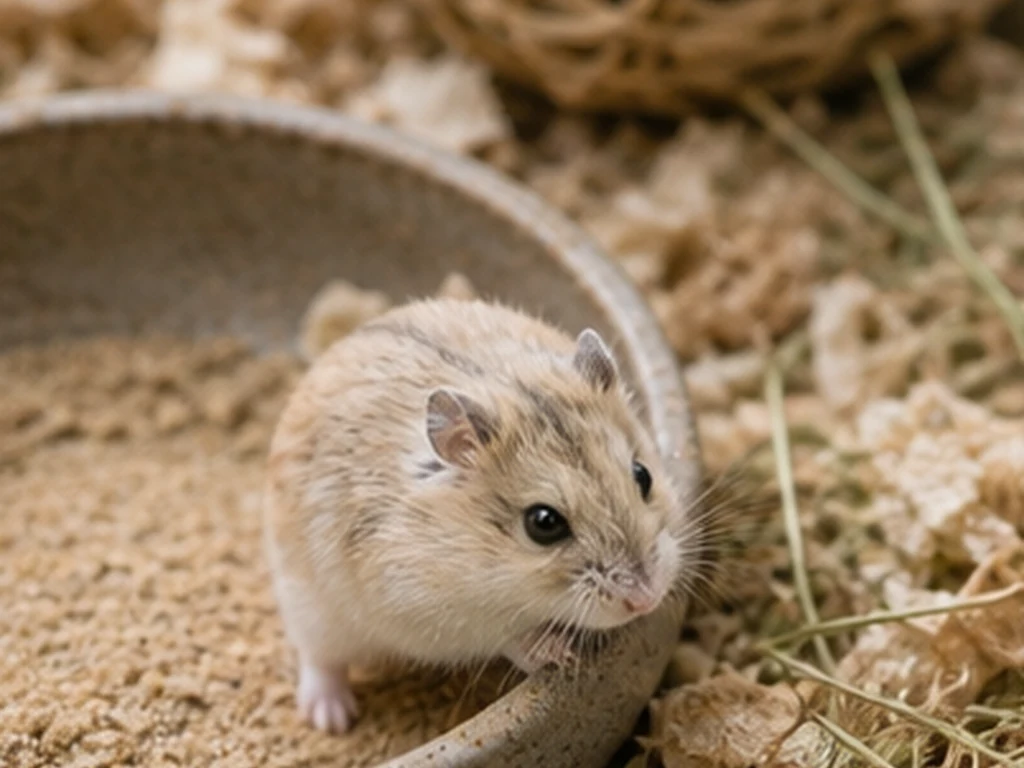
Name the adult caregiver, backup plan, quiet space, other-pet rules, and travel limits before the animal arrives.
The routine should protect sleep, burrows, water, hoards, wheel use, and low handling.
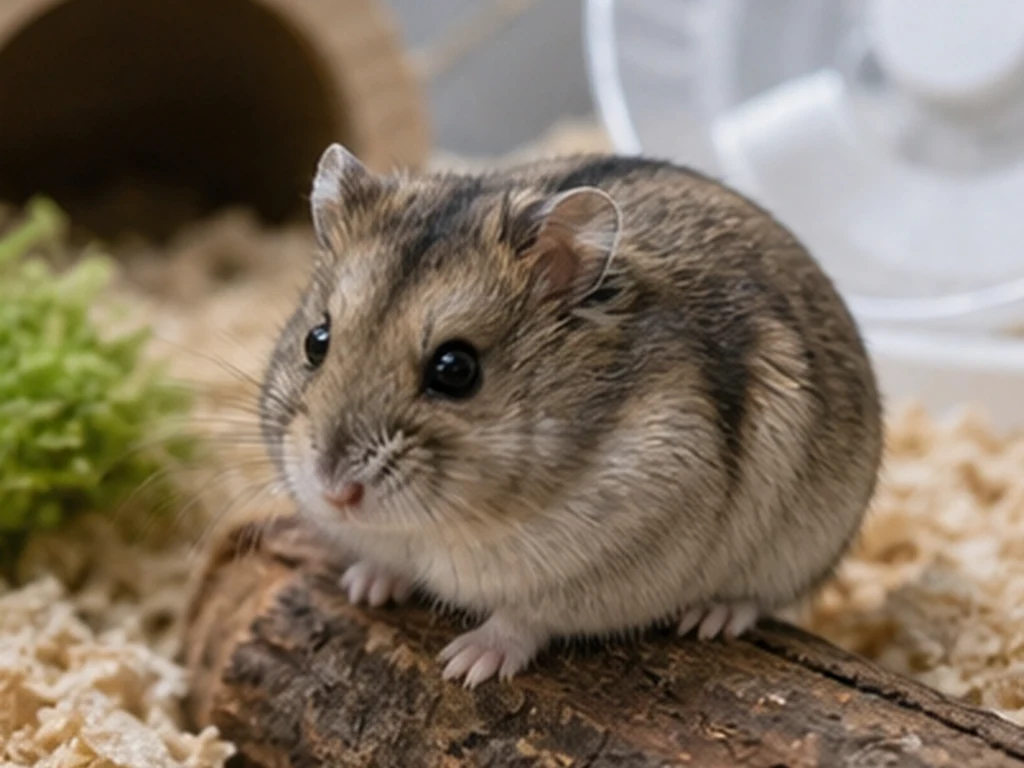
Predator access, mixed-species housing, unsupervised handling, heat, travel stress, and impulse purchases create preventable emergencies.
Set the child, other-pet, door, heat, travel, and backup-care rules before the animal is in the house.
No. The page gives the practical rule, then the species profile should decide the final housing, food, handling, and vet plan.
Ask an exotic-pet veterinarian promptly for appetite loss, fewer droppings, labored breathing, collapse, severe lethargy, wounds, heat stress, or sudden weight change.