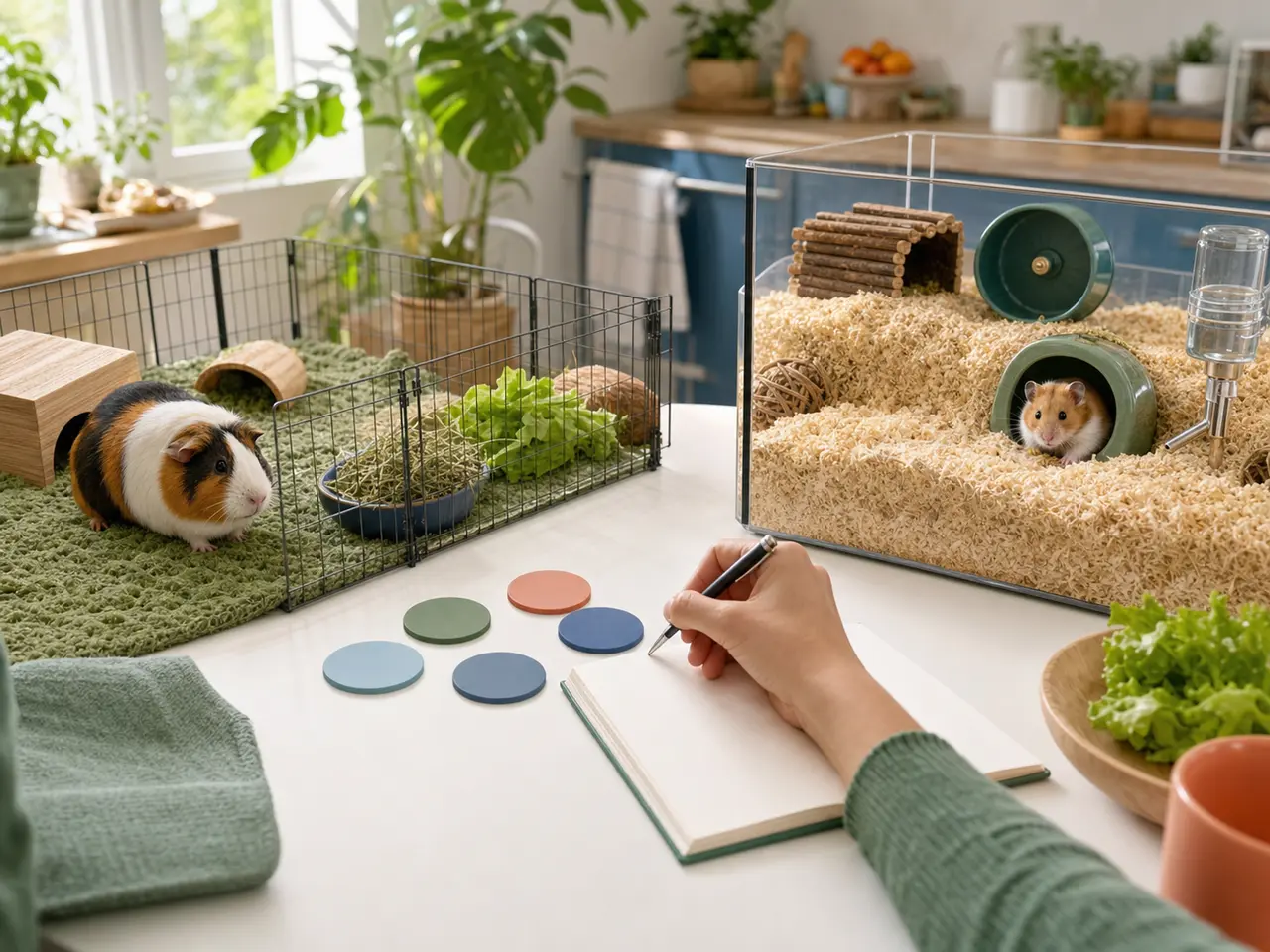
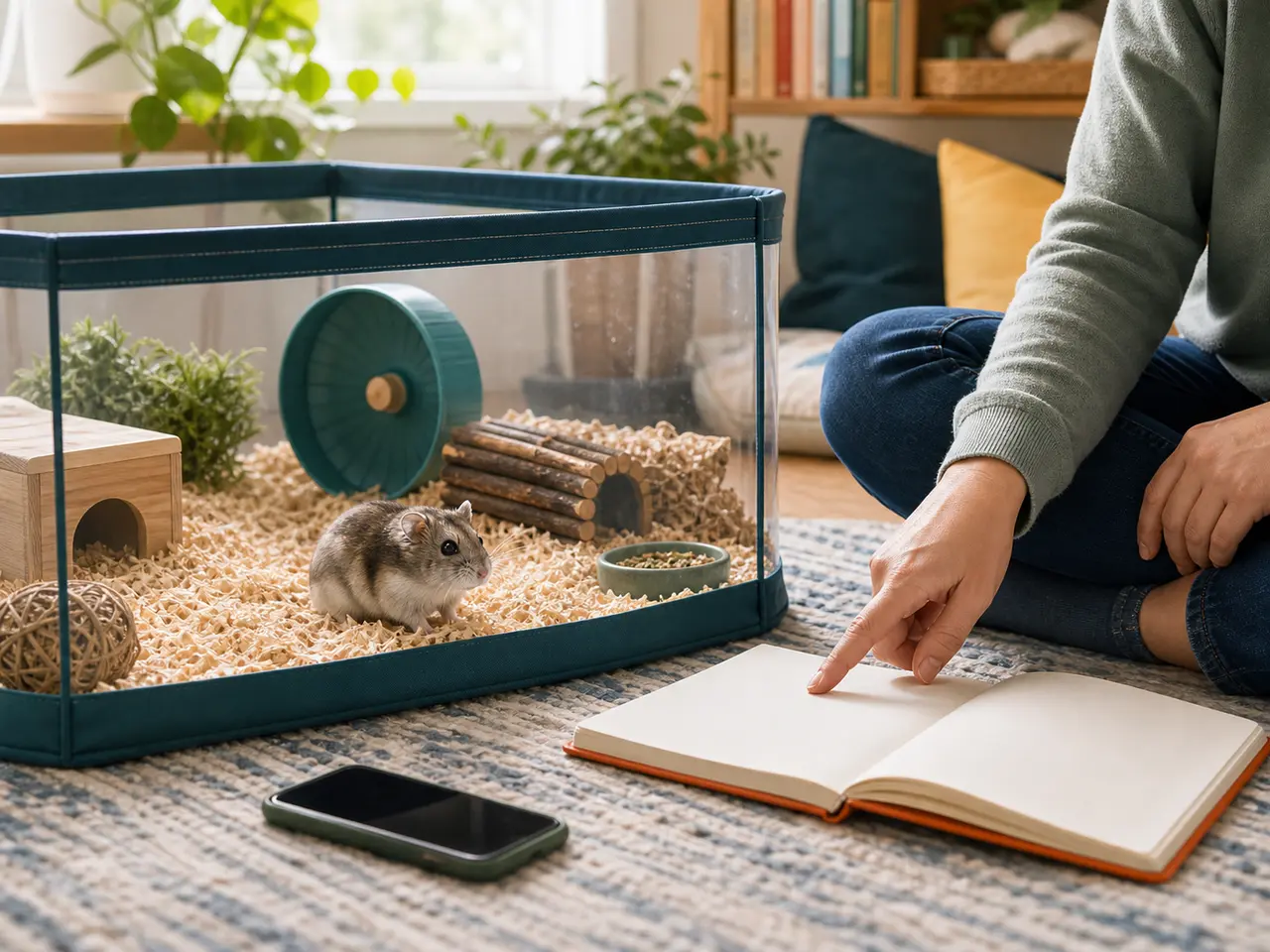
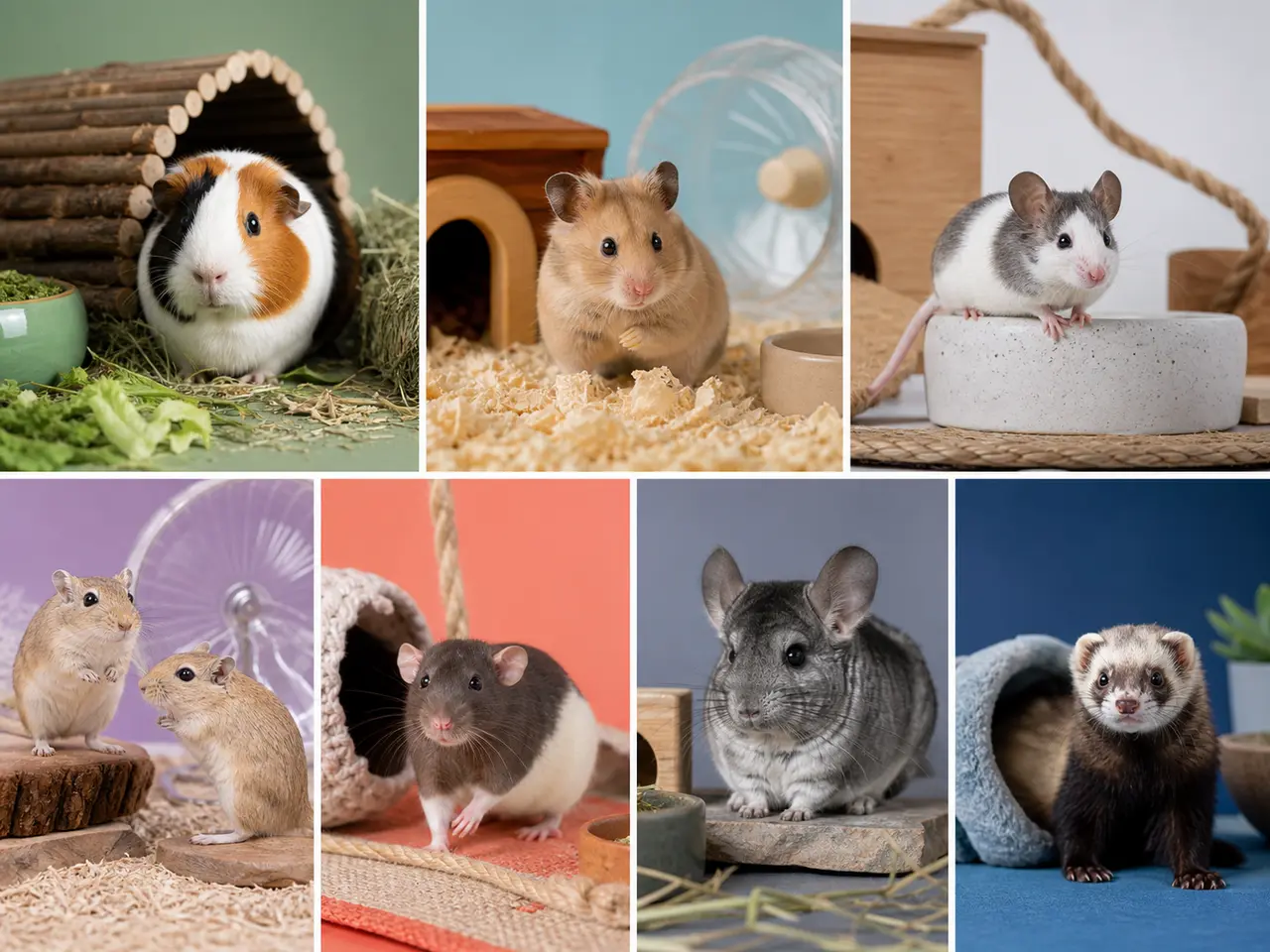
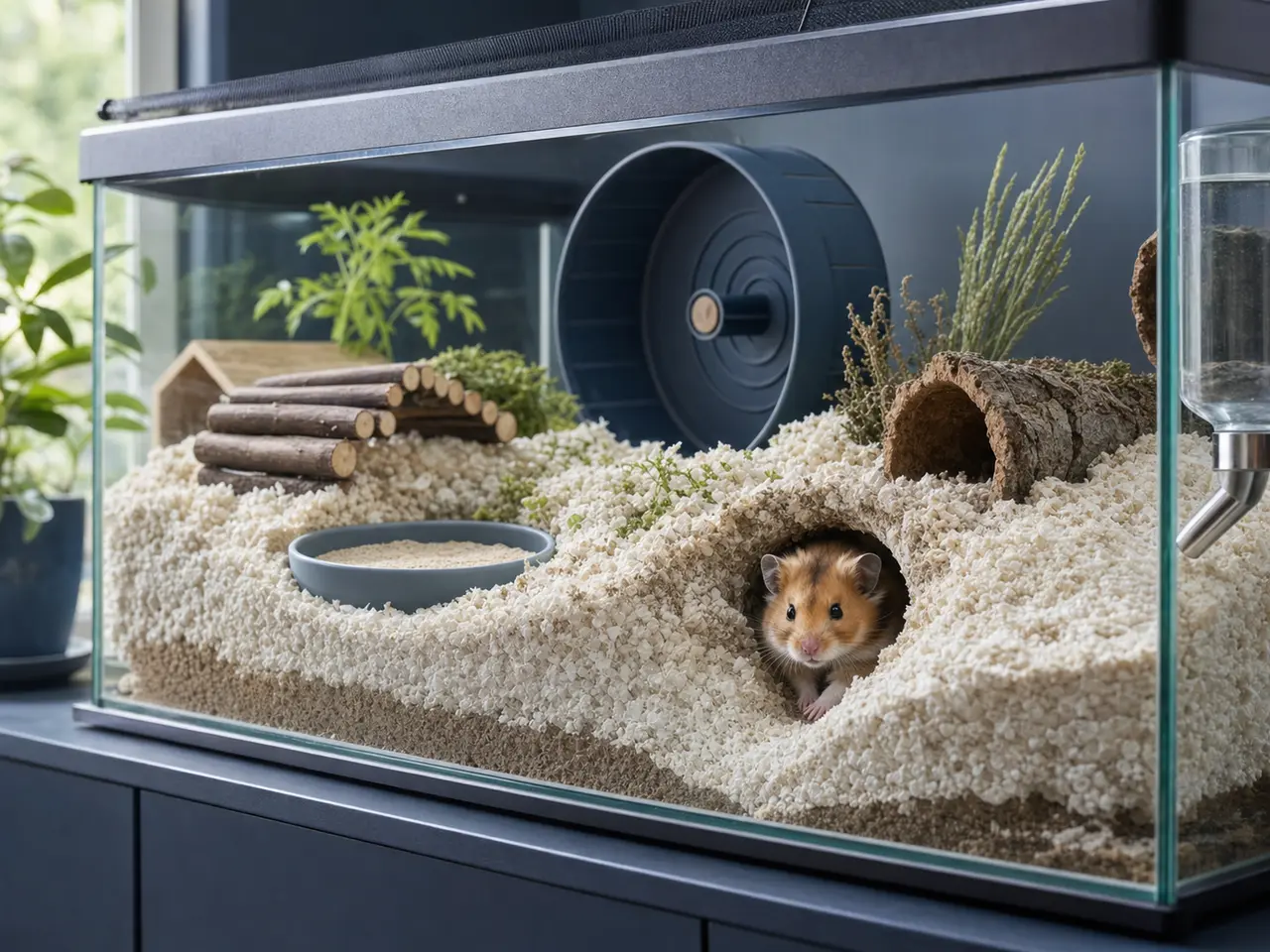
No. Different small mammal species should not be housed together. Diets, communication, disease risks, size, social rules, and stress signals do not match across species.
Include children, other pets, budget, and travel before adoption.
Get the social rule right
Start with the social rule for this species before thinking about a bigger cage, a friendly introduction, or a second animal.
Before any pairing, ask a rescue or veterinarian about sex, age, pair history, backup housing, resource guarding, repeated pursuit, wounds, blocked food, and hiding.
Social rules differ
A hamster's sleep, a guinea pig pair's hay routine, a rat group's interaction, a chinchilla's cool room, and a ferret's proofed play all change family fit.
Children, other pets, sleep schedules, travel, lease rules, and budget can change which species fits.
Respect the social rule
Plan the housing around the species' social rule before adding a cage mate, separating a pair, or trusting a calm-looking introduction.
The household plan should name the adult in charge before travel, children, or other pets complicate care.
Act on tension early
Chasing, boxing, guarding food or water, wounds, sudden hiding, blocked resting spots, or one animal looking thinner means the social setup is not working.
Before changing housing, confirm sex, age, pair history, backup housing, food access, and what you will do if chasing or wounds start.
Before you decide
Does this species normally live solo or with same-species friends?
Have sex, age, pair history, and backup housing been checked?
Can each animal reach food, water, hides, and resting space?
Would chasing, wounds, blocking, or sudden hiding make you separate and call for help?
Next best moves
Protect the habitat from other pets, doors, heat, and noise.
Name the backup caregiver before travel or busy weeks.
Use a secure carrier for necessary trips only.
Common home-planning questions
Does this answer apply to every small mammal?
No. The page gives the practical rule, then the species profile should decide the final housing, food, handling, and vet plan.
When should I ask a veterinarian?
Ask an exotic-pet veterinarian promptly for appetite loss, fewer droppings, labored breathing, collapse, severe lethargy, wounds, heat stress, or sudden weight change.