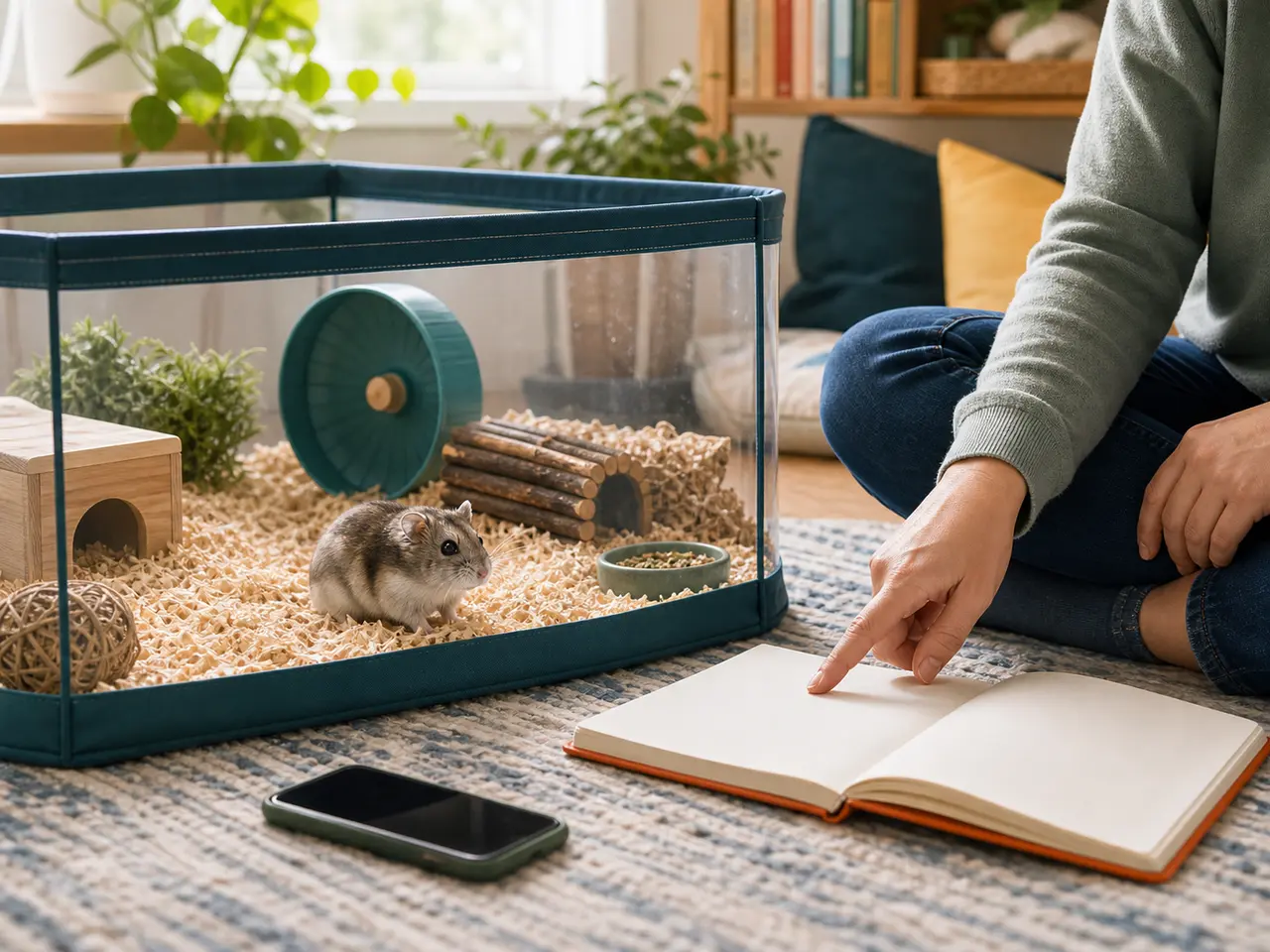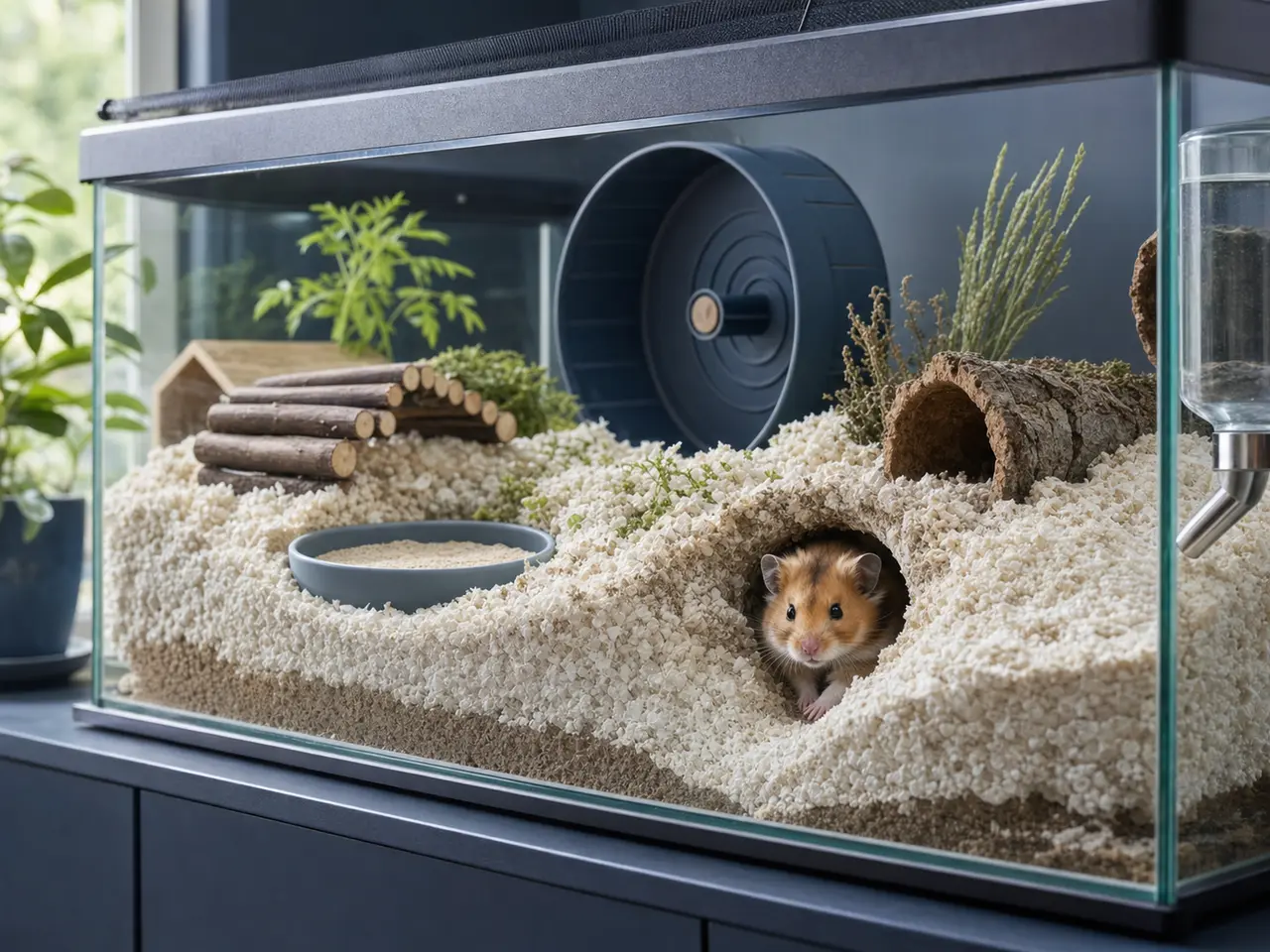
Ventilation comes first
A tank needs a full mesh lid and should never feel damp, stale, or ammonia-heavy. If odor builds quickly, the setup is not working.
Updated
Small mammal question
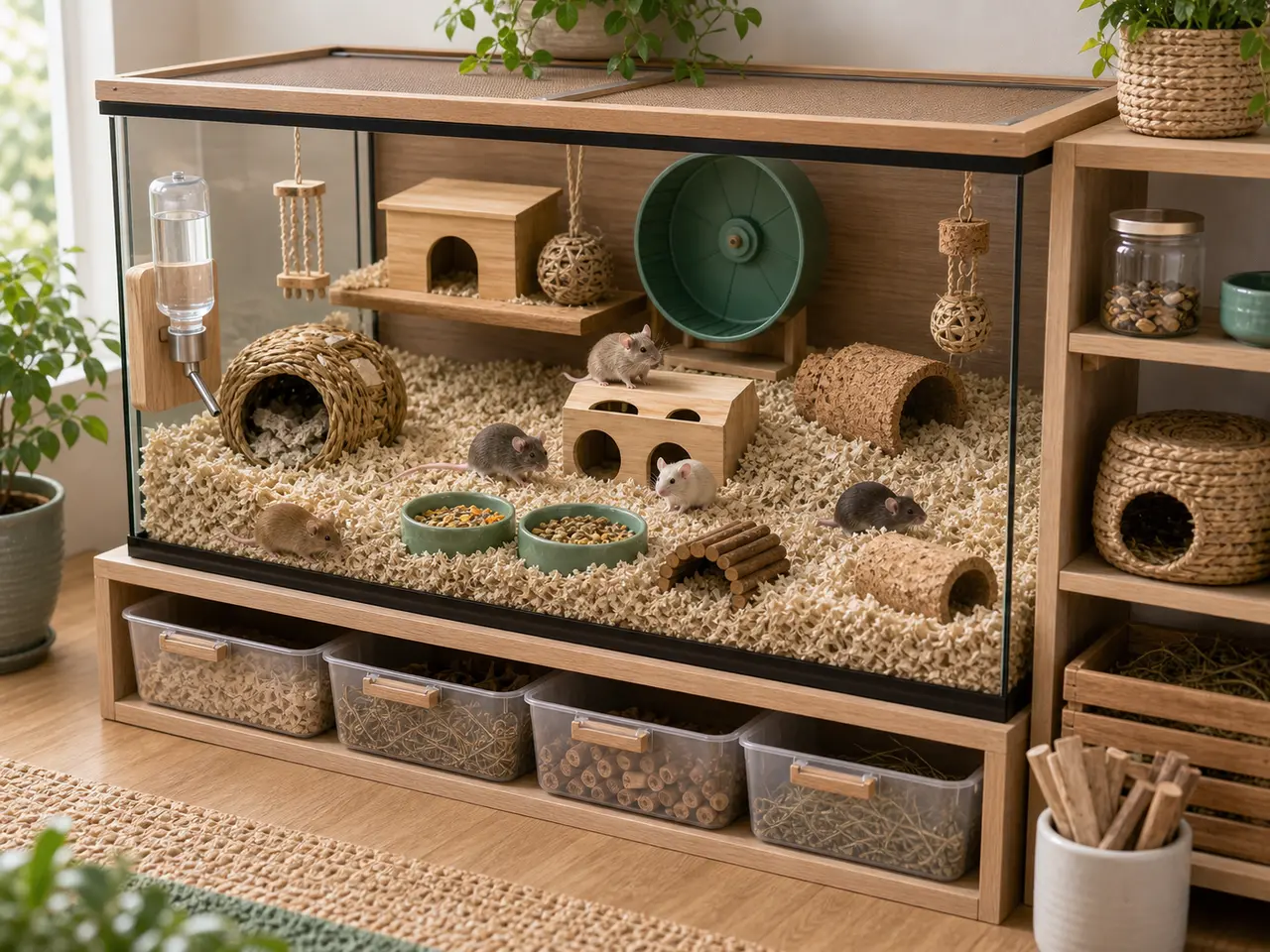
Sometimes. Mice can live in some tank-style habitats when ventilation, lid security, enrichment, and cleaning are handled well. The lid, wheel, water, bedding depth, and group resources need close attention.
Match the setup to the animal before buying gear.
A tank needs a full mesh lid and should never feel damp, stale, or ammonia-heavy. If odor builds quickly, the setup is not working.
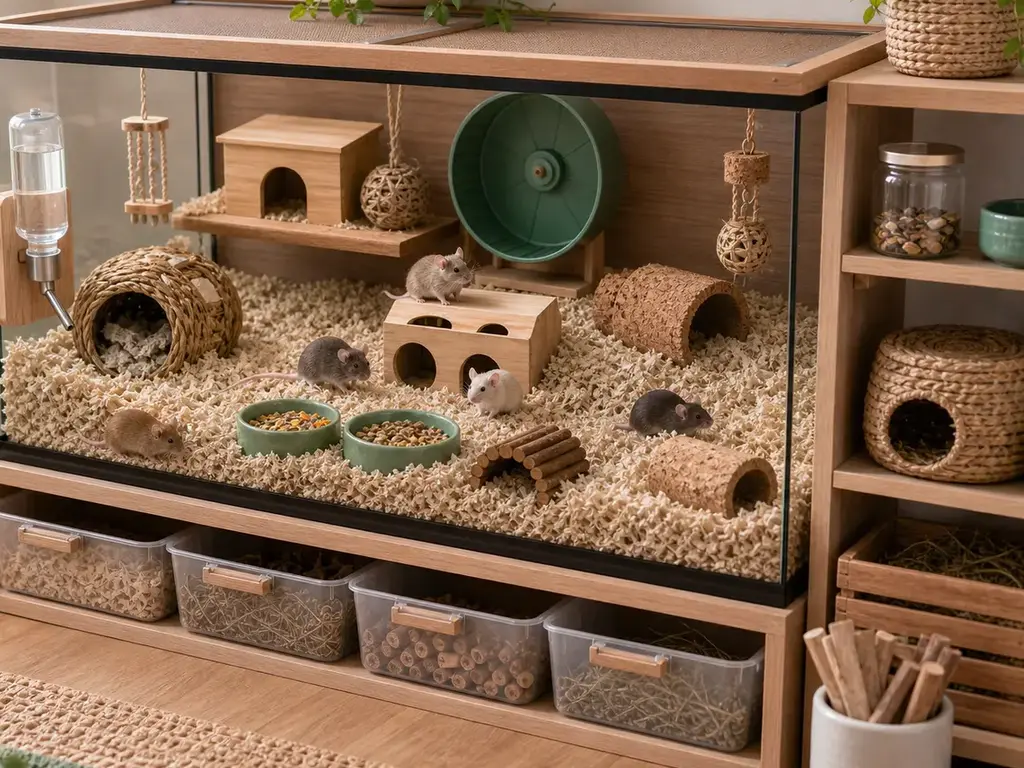
Add deep bedding, hides, nesting material, climbing, chewing, a safe wheel, water, and multiple resources for a group.
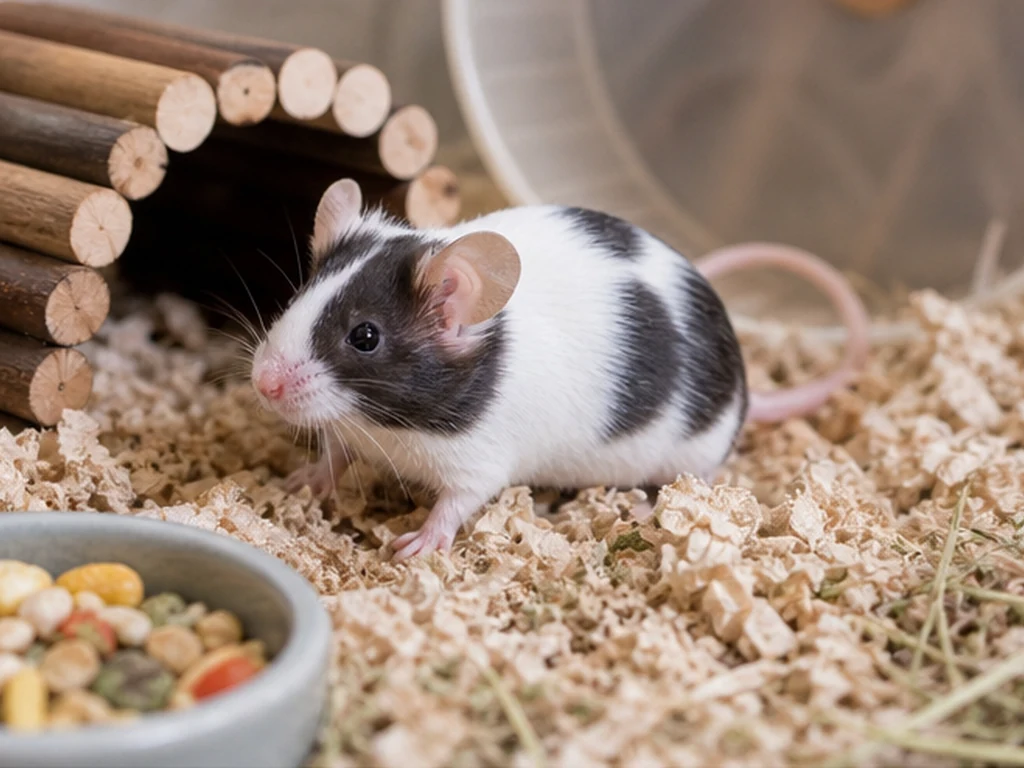
Choose a secure barred cage if the tank is hard to ventilate, hard to clean, or too small for normal mouse activity.
Optional supplies that support the care routine after the species needs are clear.
Affiliate links: Furball Cove may earn from qualifying purchases at no extra cost to you.
Keeps a mouse habitat ventilated and secure without trapping moisture, ammonia, or stale air.
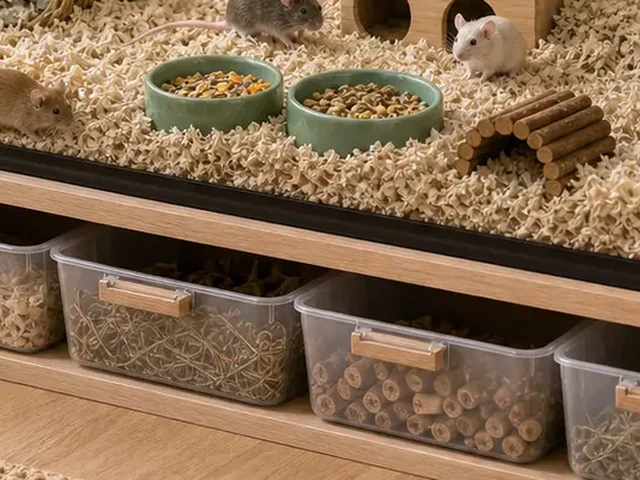
Supports nesting and digging without fragrance, cedar, pine, or fluffy fibers that can tangle.
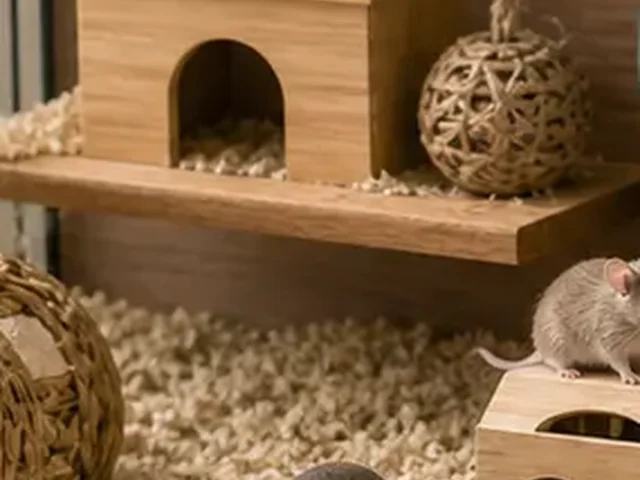
Adds several small covered stops so mice can move, rest, and avoid pressure inside the group.

Keeps water visible and reachable without soaking nesting areas or deep bedding.
No. The page gives the practical rule, then the species profile should decide the final housing, food, handling, and vet plan.
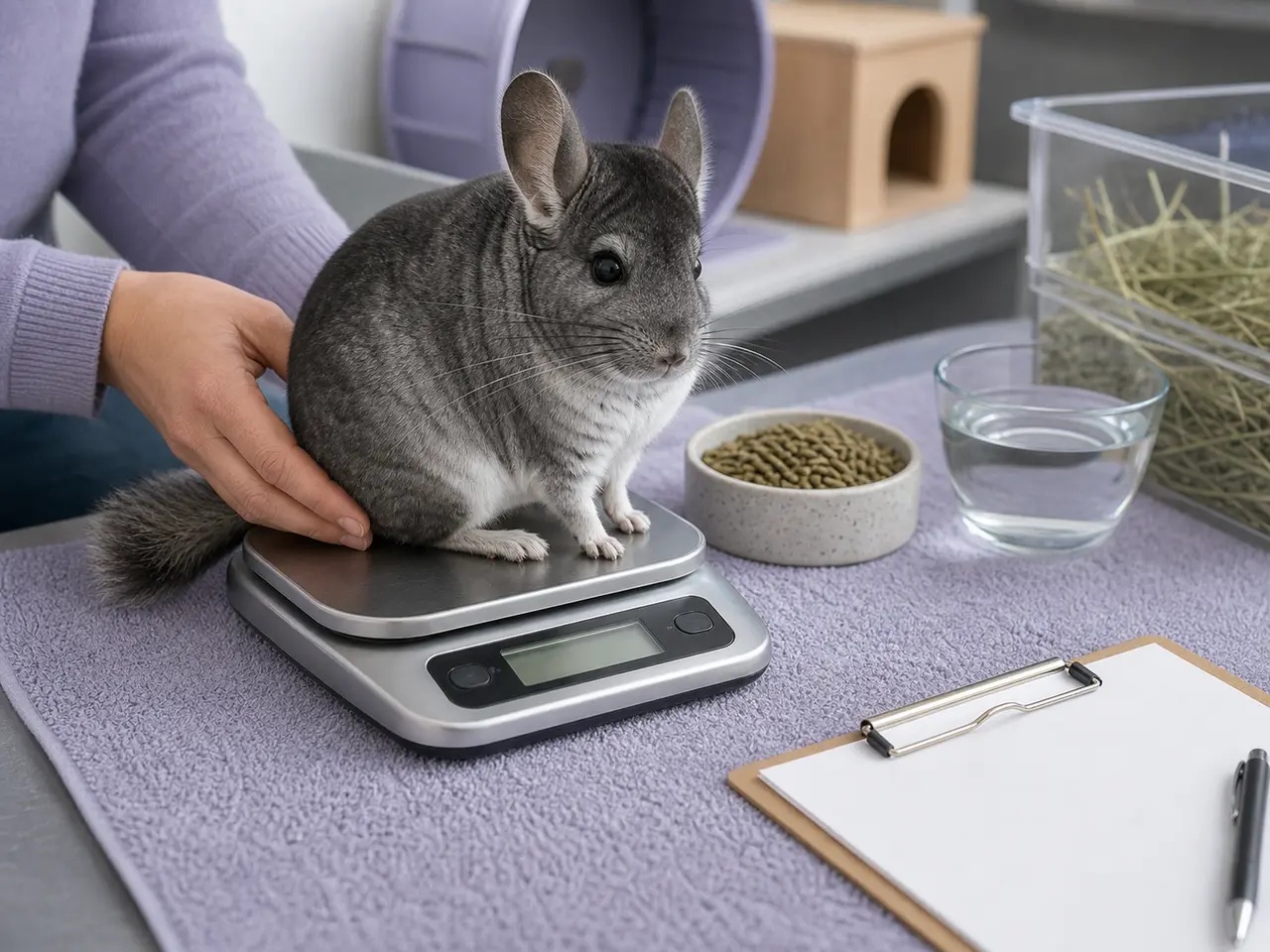
Ask an exotic-pet veterinarian promptly for appetite loss, fewer droppings, labored breathing, collapse, severe lethargy, wounds, heat stress, or sudden weight change.