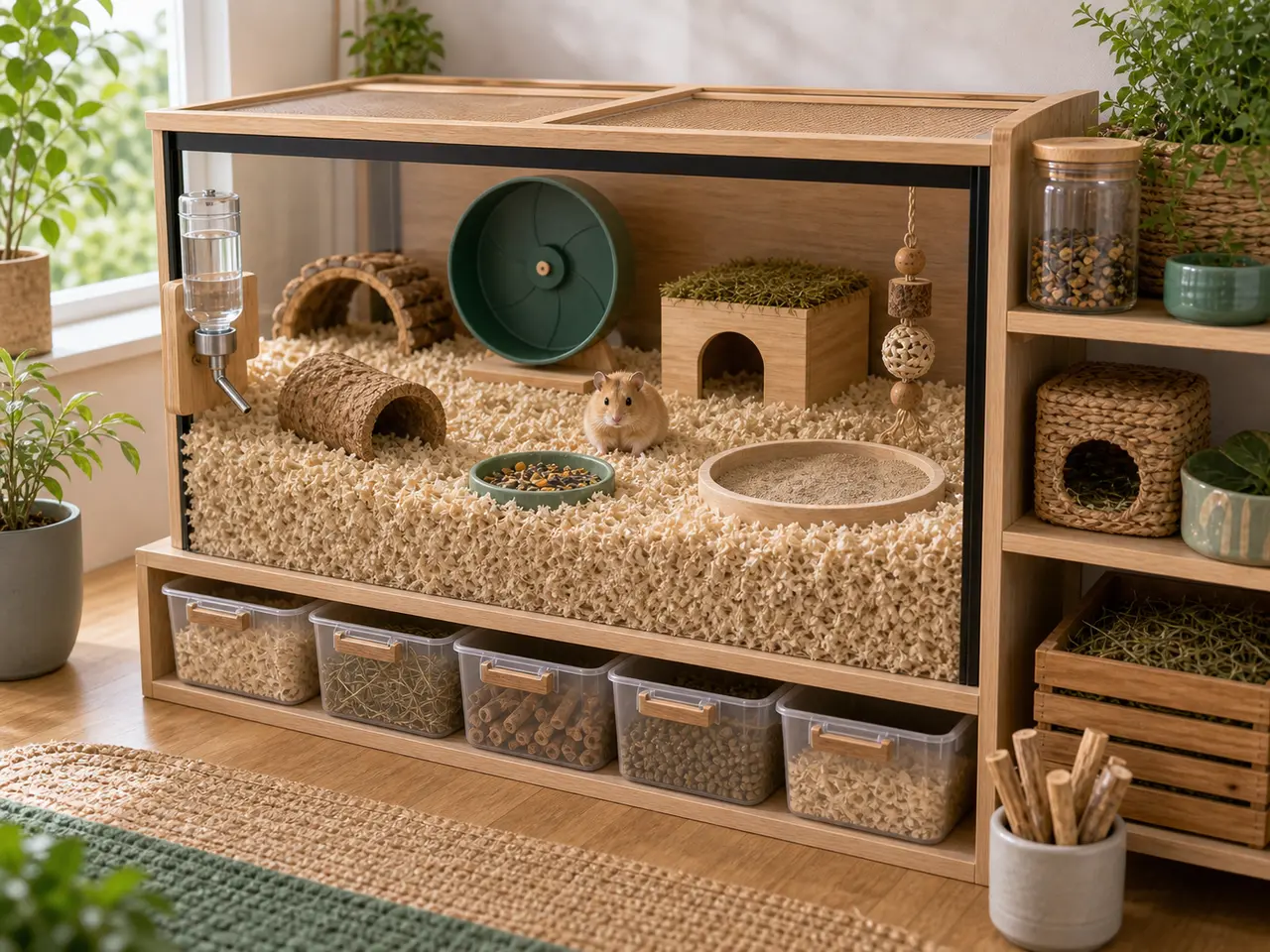
Why depth matters
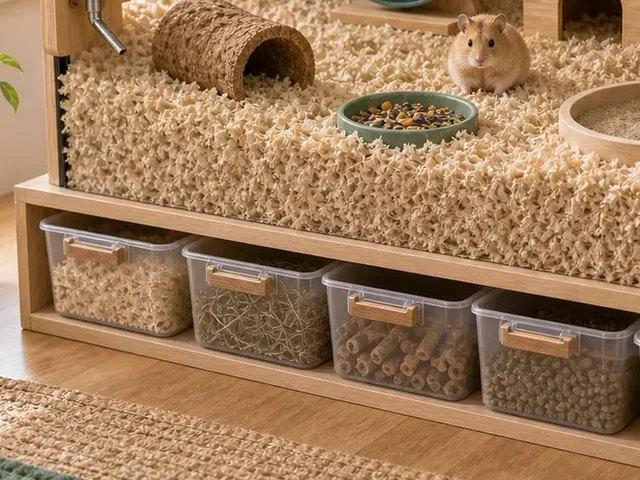
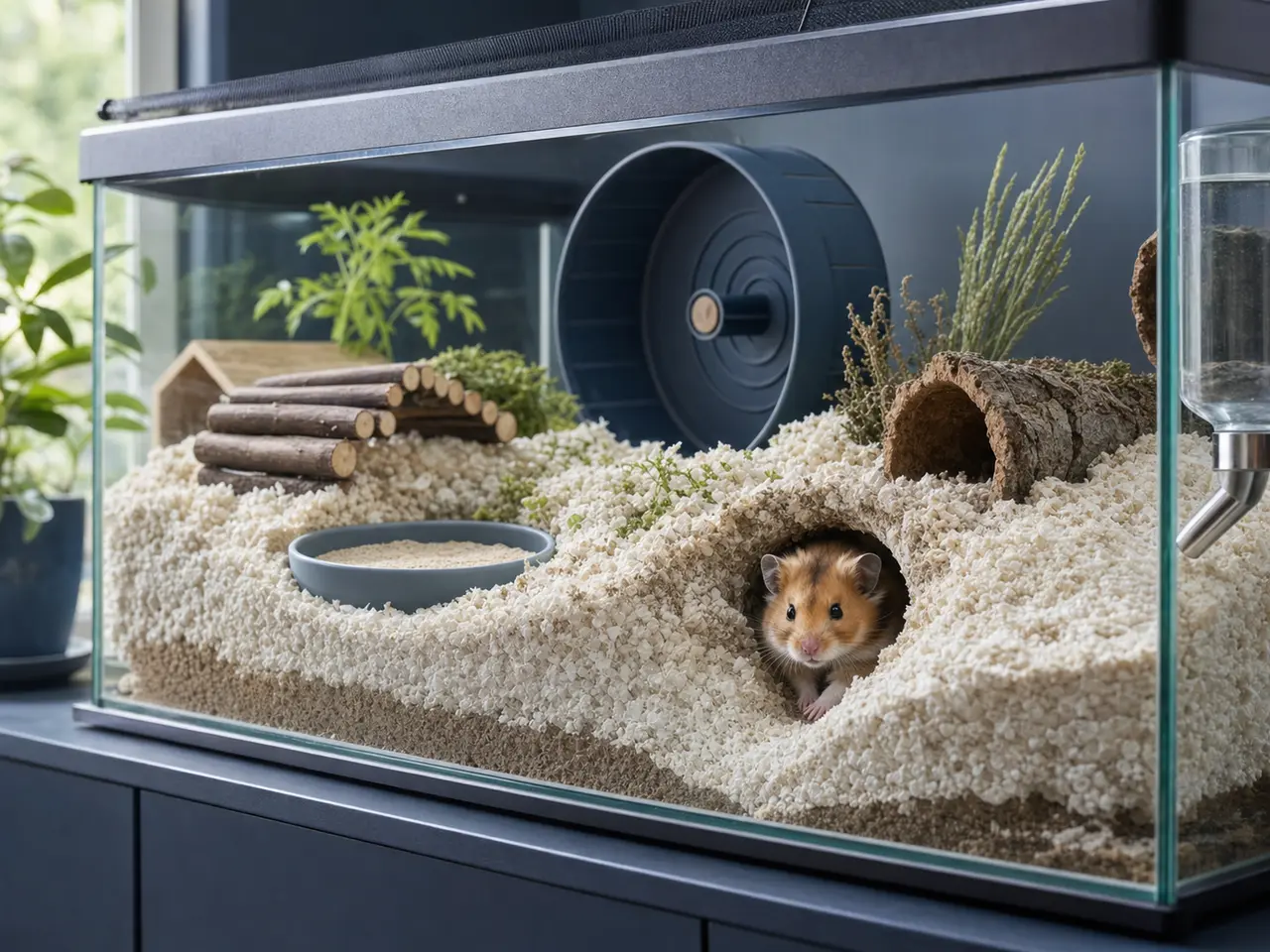
Deep bedding lets hamsters tunnel, nest, hide food, and sleep securely. A wheel and toys do not replace a burrowable base.
Updated
Small mammal question
Yes. Hamsters need deep bedding because burrowing and nesting are central behaviors. Thin bedding can make the habitat stressful even if the cage has toys, tubes, or a wheel.
Match the setup to the animal before buying gear.
Deep bedding lets hamsters tunnel, nest, hide food, and sleep securely. A wheel and toys do not replace a burrowable base.
Avoid shallow bedding, scented bedding, dusty bedding, cotton fluff, heavy items that can collapse into tunnels, and setups where the wheel becomes unstable.
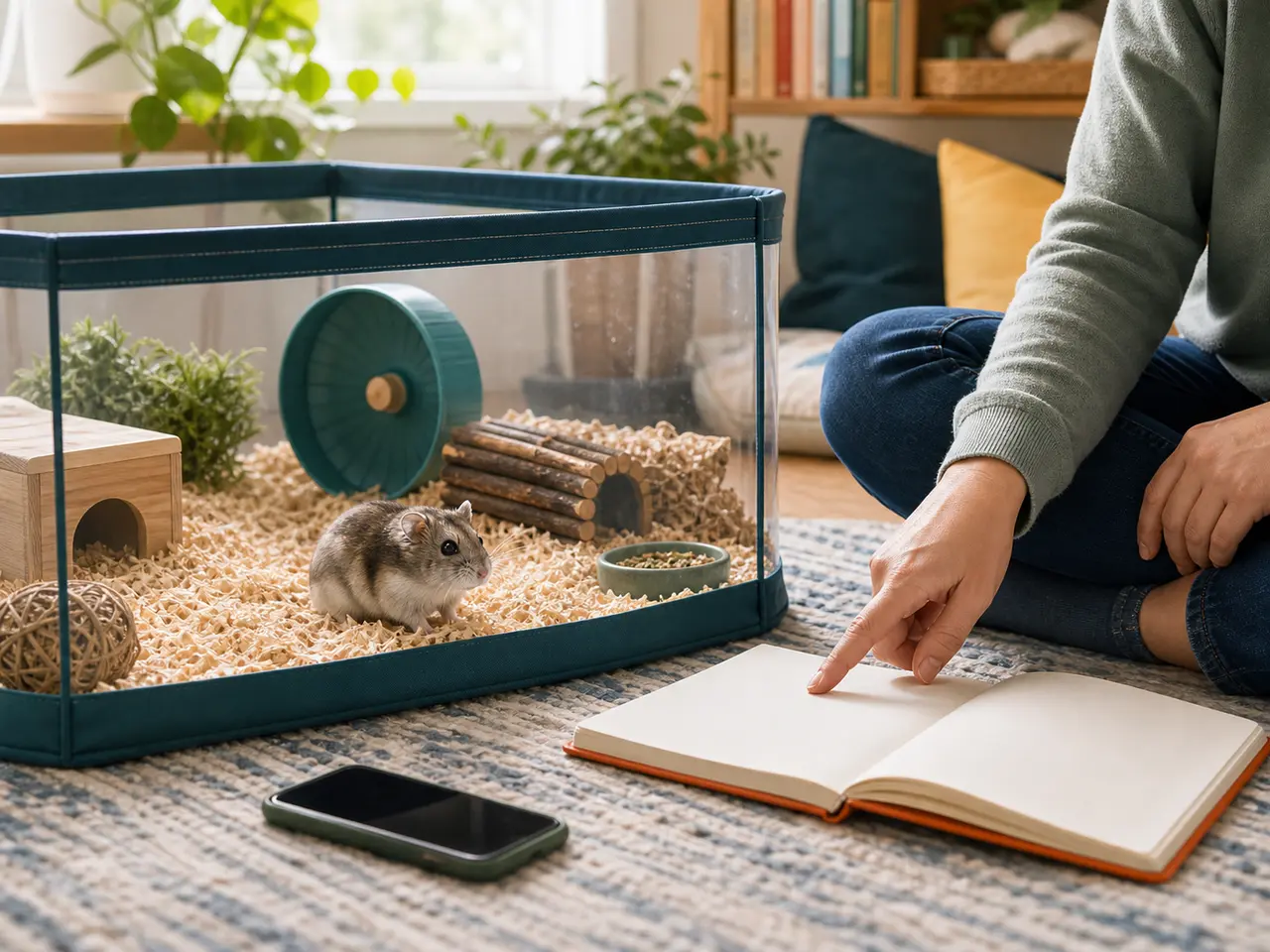
Spot-clean wet bedding and spoiled food first. Preserve clean, dry tunnel areas when possible so the habitat still smells familiar.
Optional supplies that support the care routine after the species needs are clear.
Affiliate links: Furball Cove may earn from qualifying purchases at no extra cost to you.
No. The page gives the practical rule, then the species profile should decide the final housing, food, handling, and vet plan.
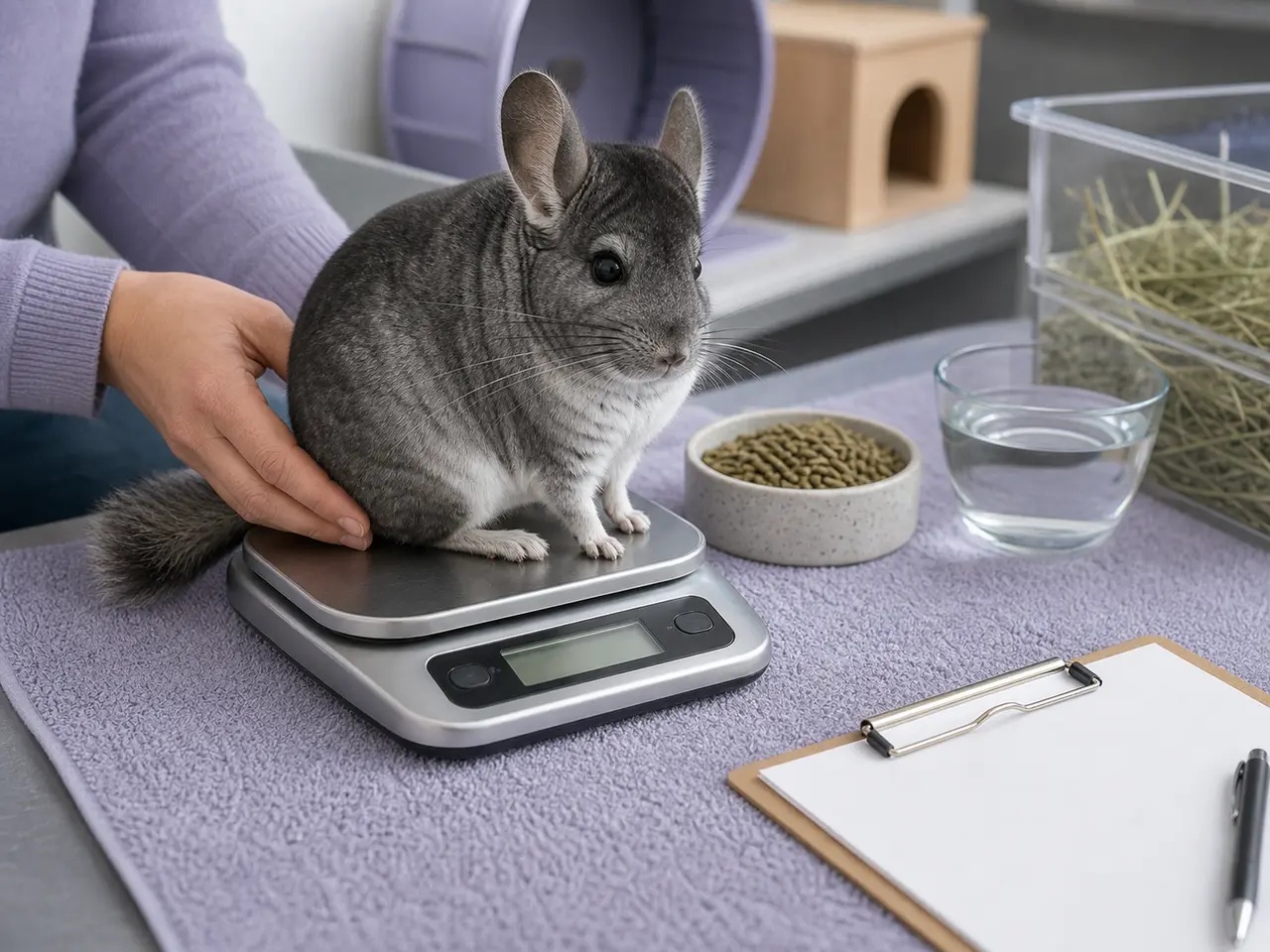
Ask an exotic-pet veterinarian promptly for appetite loss, fewer droppings, labored breathing, collapse, severe lethargy, wounds, heat stress, or sudden weight change.