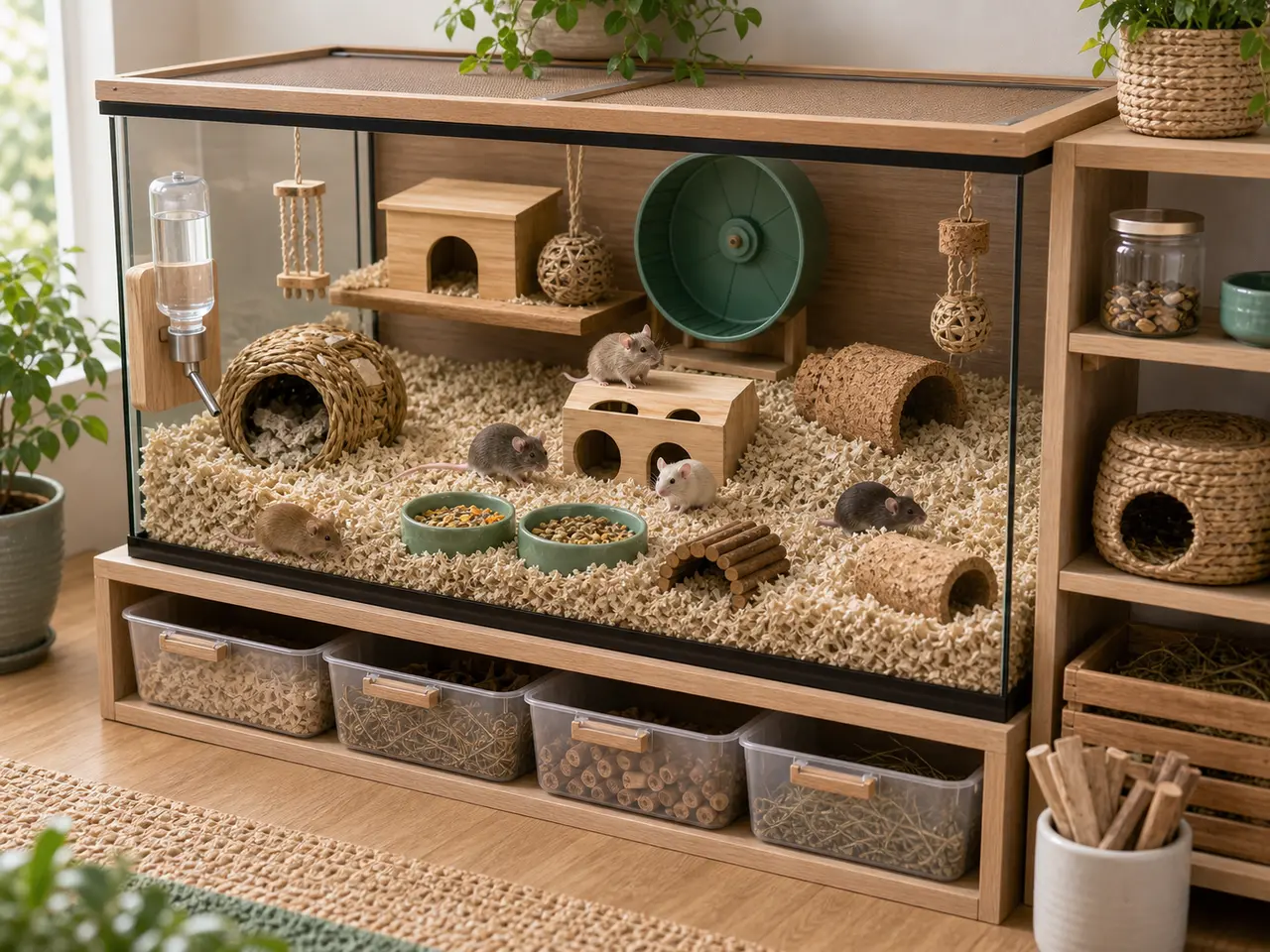
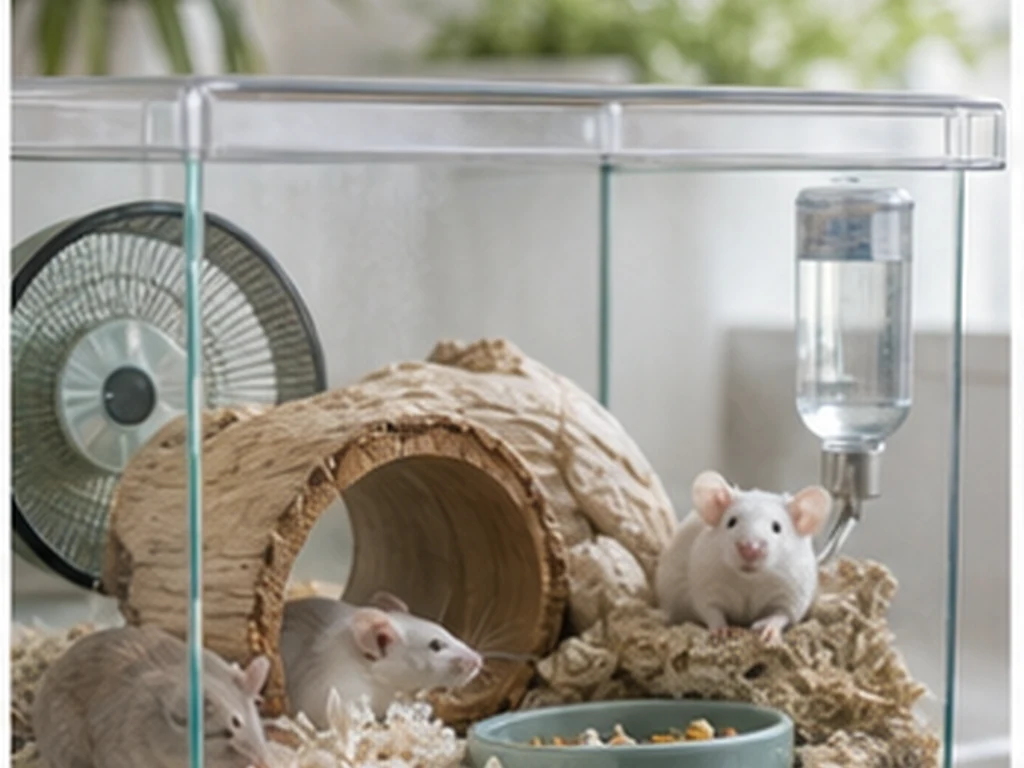
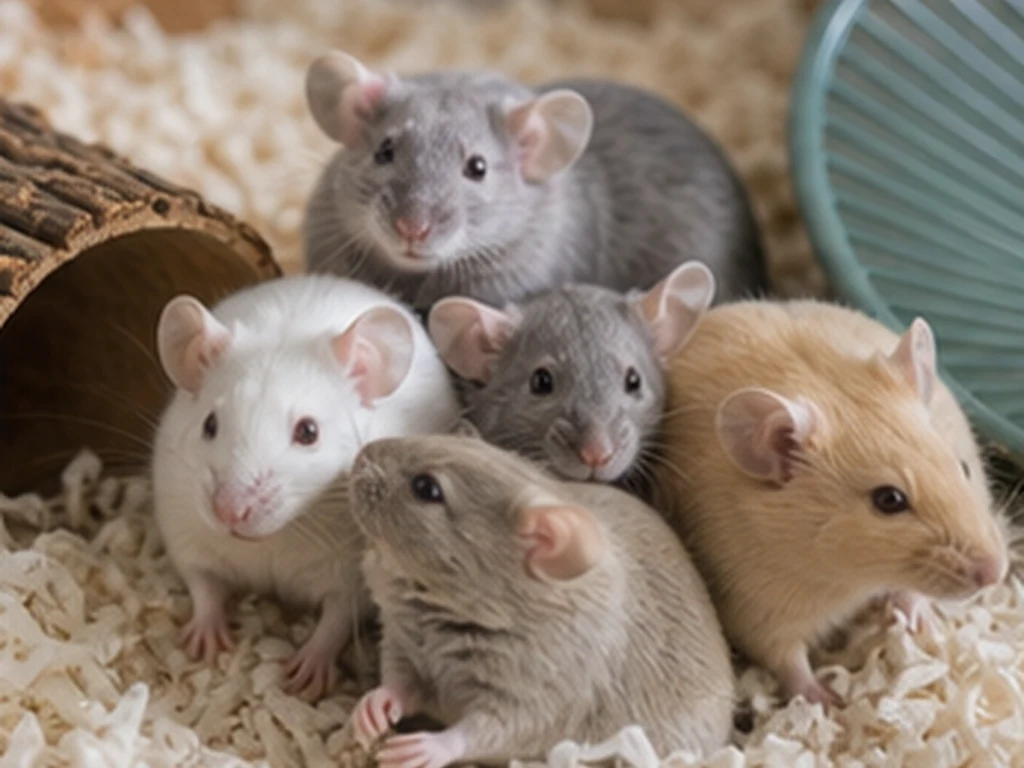
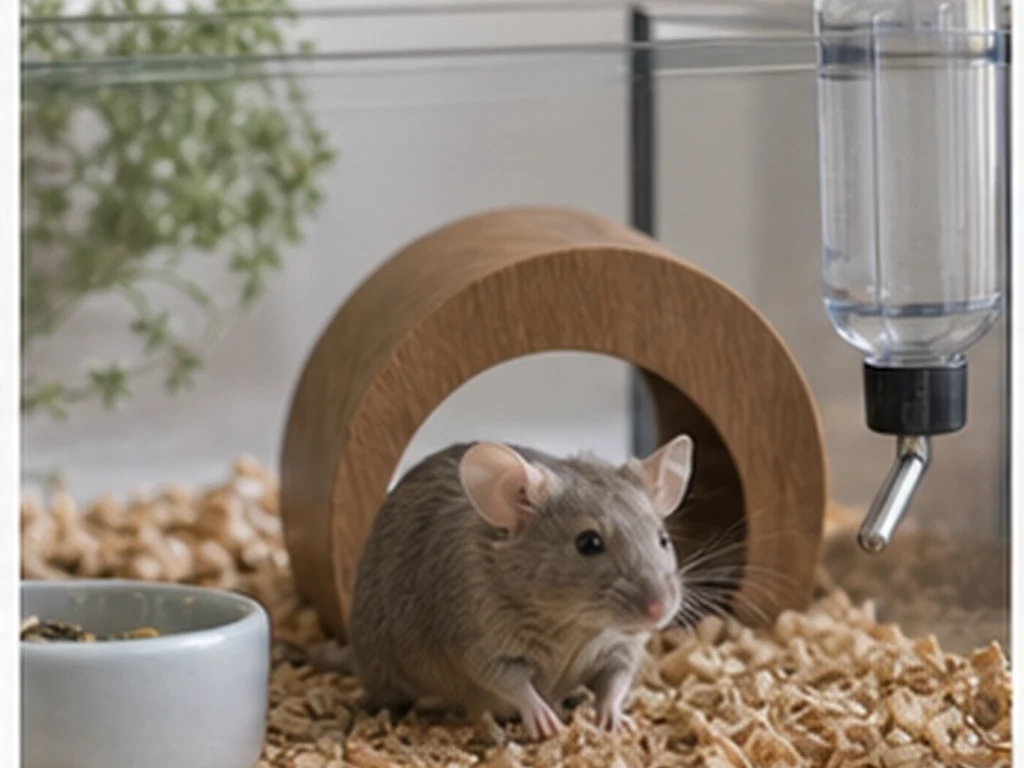
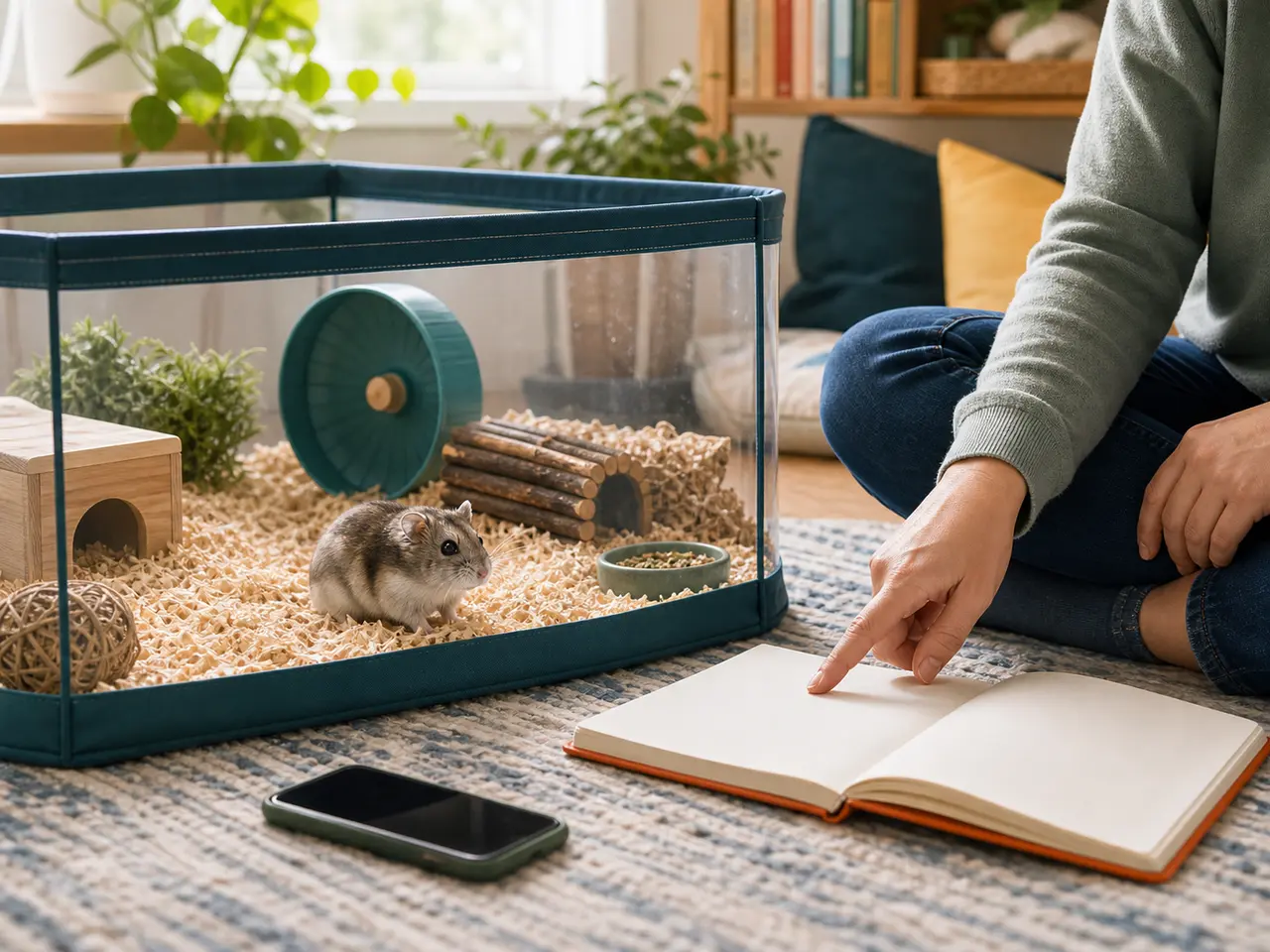
Sometimes. Mice can be good beginner observation pets for prepared adults, but they need secure housing, careful group planning, tiny-scale handling, and close water and weight checks.
Think tiny: gaps, water, group pressure, and scent.
Start with the yes-or-no
Think at mouse scale: tiny gaps, water access, group pressure, scent, food placement, and low handling.
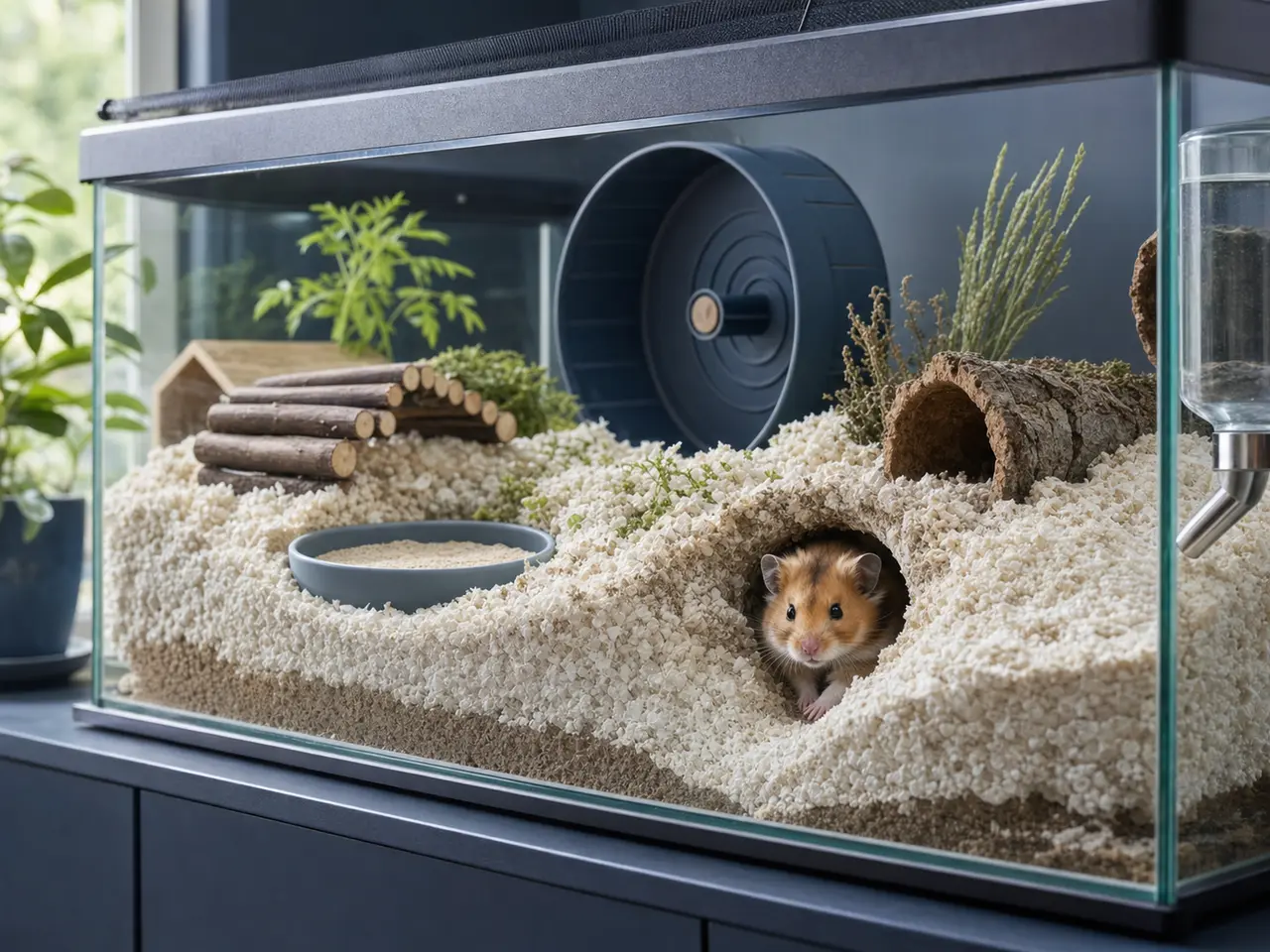
Check group pressure, food, water, bedding, wheel safety, hideouts, cleaning, handling method, weight, and every tiny escape gap.
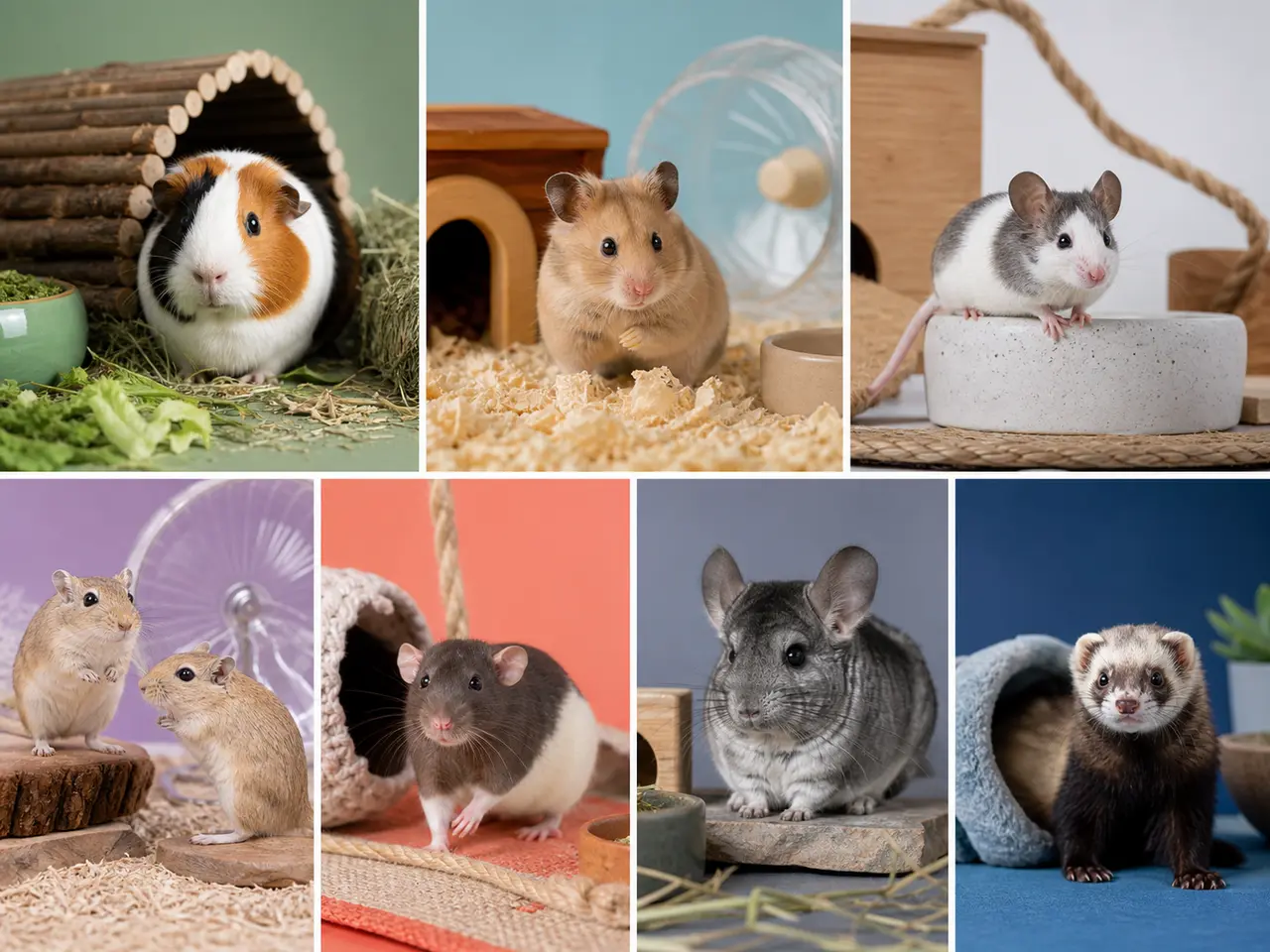
Fit changes by species
Fit changes by species because one animal may need solo housing, another may need same-species friends, and another may need supervised play.
The routine should make tiny gaps, water access, scent, and group behavior easy to check.
Check it at mouse scale
Make the daily routine easy to check through food, water, cleaning, handling, and quiet observation.
The routine should make tiny gaps, water access, scent, and group behavior easy to check.
Know what changes the answer
If the normal work already sounds like too much, choose a different species before buying gear.
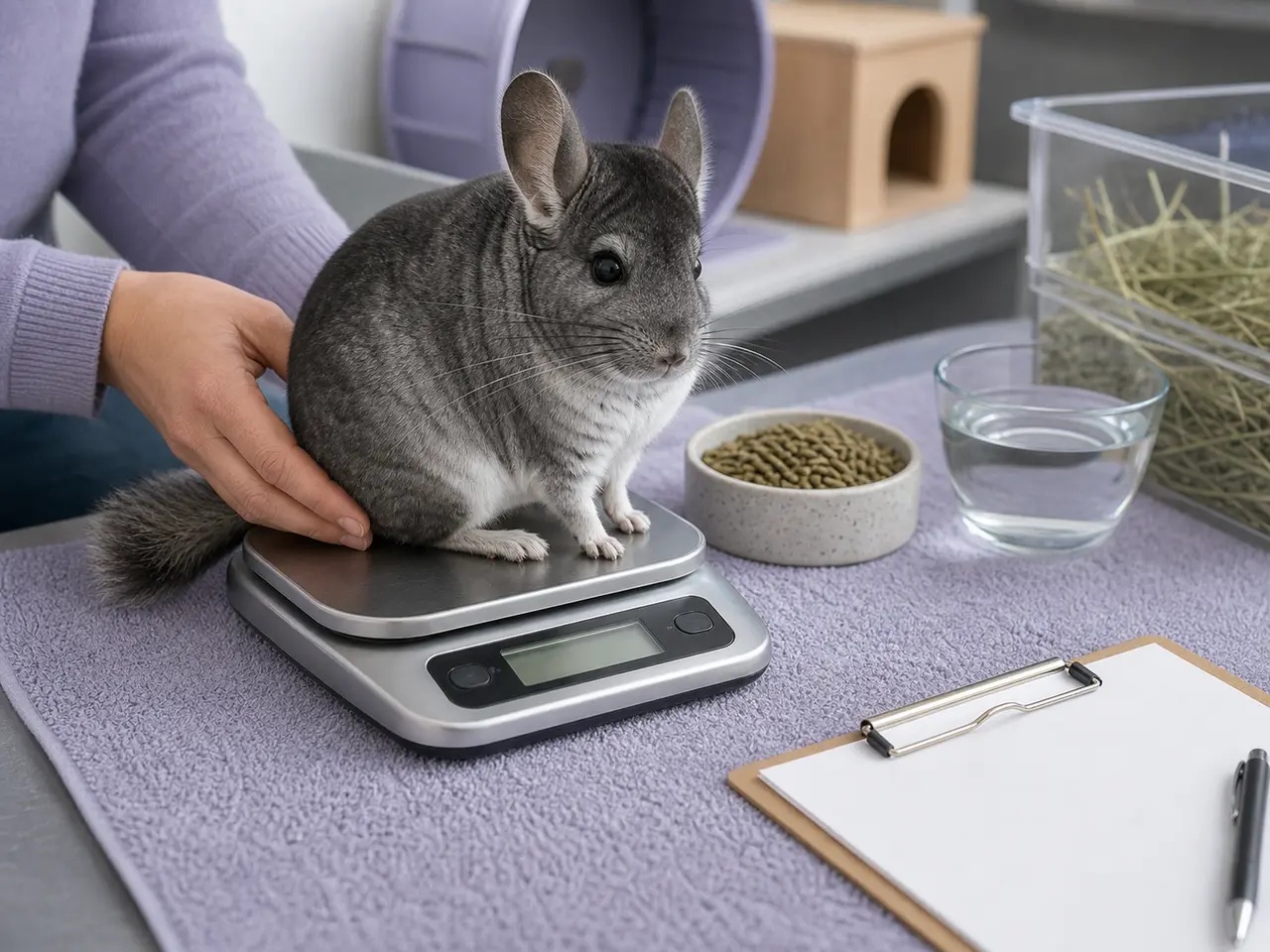
Use the mice routine as the check: food, water, bedding, cleaning, handling, weight, and safe housing.
Before you decide
Would this pet still fit on a busy weekday?
Can you follow the social rule: solo or same-species friends?
Can the adult habitat, food, carrier, and vet plan be ready first?
Is an adult responsible for cleaning, feeding, and health decisions?
Next best moves
Check every gap, lid, water source, and wheel at mouse scale.
Watch group pressure, scent, weight, breathing, and escape points.
Use calm transfer tools instead of chasing.
Common mouse questions
Does this answer apply to every small mammal?
No. The page gives the practical rule, then the species profile should decide the final housing, food, handling, and vet plan.
When should I ask a veterinarian?
Ask an exotic-pet veterinarian promptly for appetite loss, fewer droppings, labored breathing, collapse, severe lethargy, wounds, heat stress, or sudden weight change.