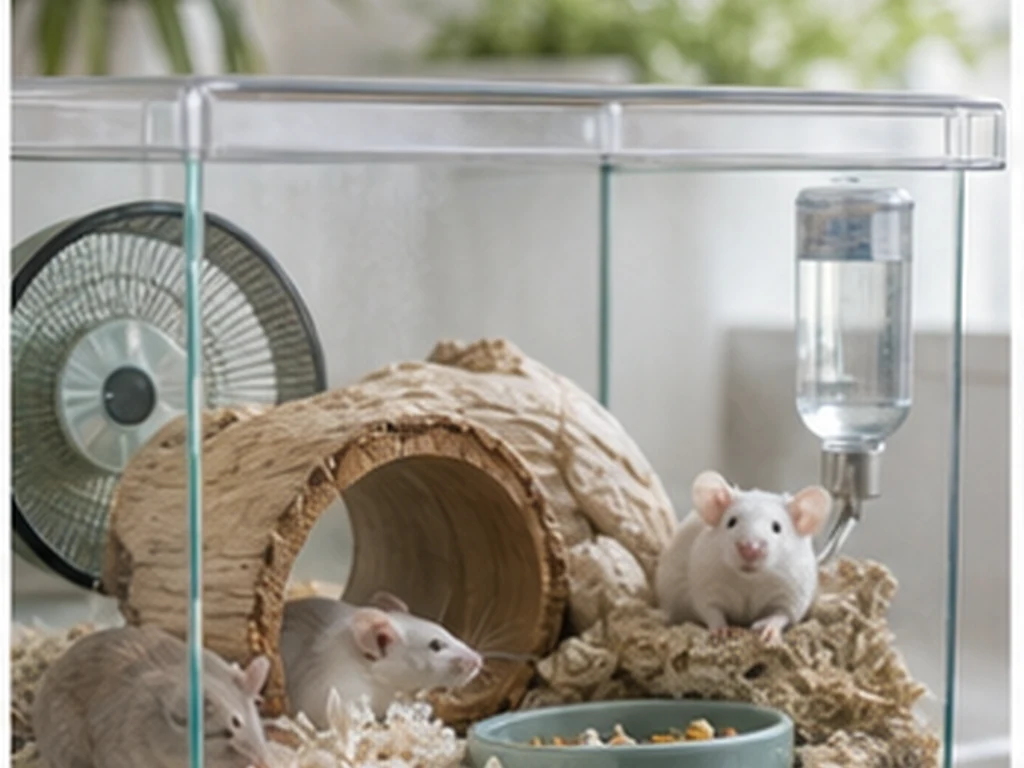
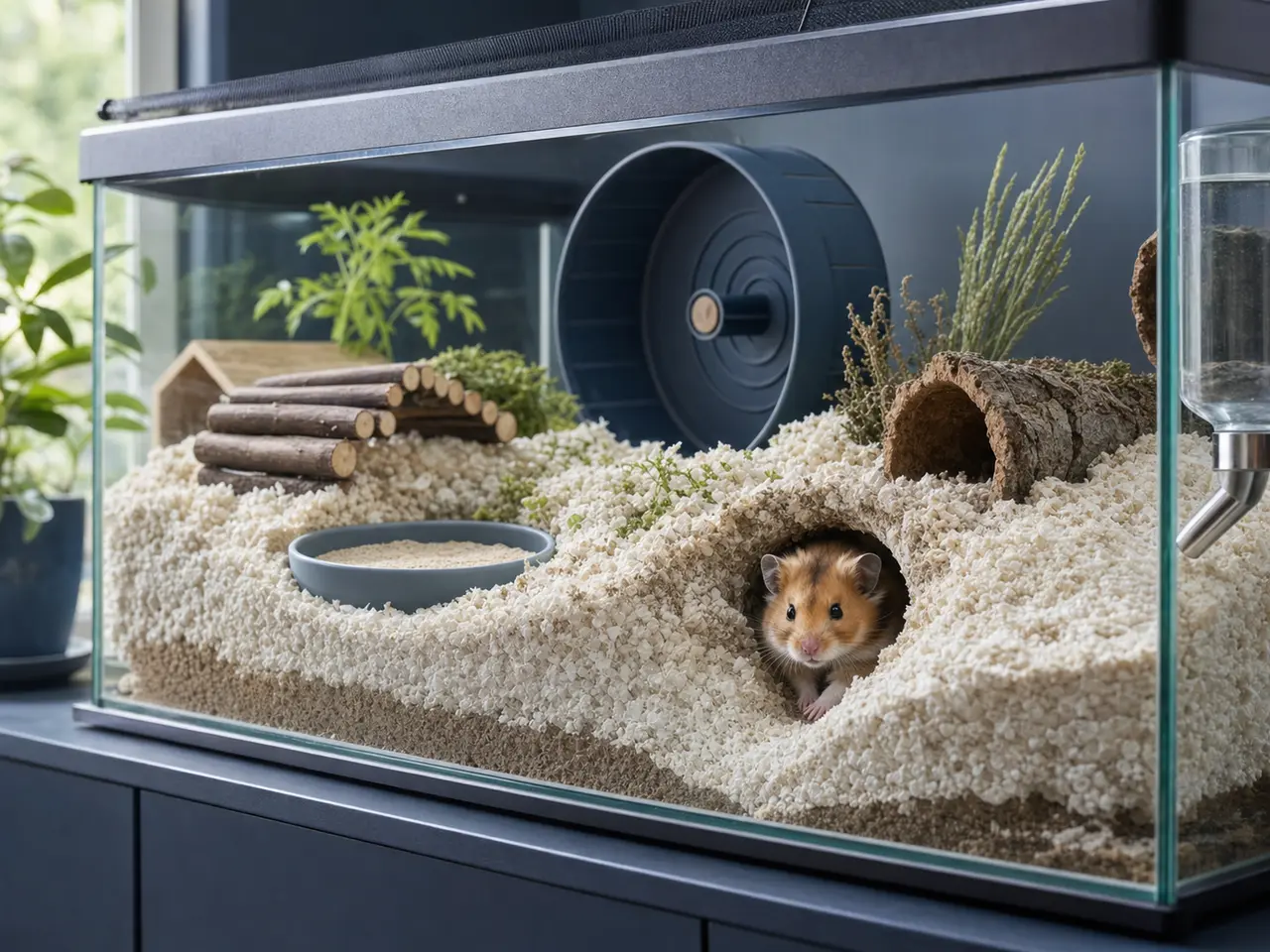
The safest mouse cage is escape-resistant, well-ventilated, deep enough for bedding, easy to clean, and fitted with a secure wheel, hides, tunnels, food points, and water.
Think tiny: gaps, water, group pressure, and scent.
Build around the behavior
Start with the adult habitat and the animal's natural behavior, not the smallest product that looks convenient.
Check adult size, bedding depth, wheel or tube fit, ventilation, chew points, escape gaps, water placement, cleaning reach, and fall risk.
Housing differs by species
Housing answers change by species because floor space, depth, climbing, ventilation, and escape risk do not work the same way.
The routine should make tiny gaps, water access, scent, and group behavior easy to check.
Make the setup work
Build the adult habitat around the behavior in the question: burrowing, running, chewing, climbing, hiding, or escape testing.
The routine should make tiny gaps, water access, scent, and group behavior easy to check.
Remove unsafe setup signs
Bar chewing, pacing, escape attempts, trapped feet, damp bedding, blocked water, heavy chewing, or sleep disruption means the setup needs a closer look.
Measure the adult enclosure, bedding depth, wheel or tube fit, escape gaps, chew risk, ventilation, and cleaning reach before buying gear.
Before you decide
Does the habitat fit the adult animal's normal behavior?
Are bedding depth, wheel or tube fit, water, hides, and cleaning access right?
Can the animal escape, fall, chew a hazard, get trapped, or lose sleep?
Have you opened the species housing guide before buying gear?
Next best moves
Check every gap, lid, water source, and wheel at mouse scale.
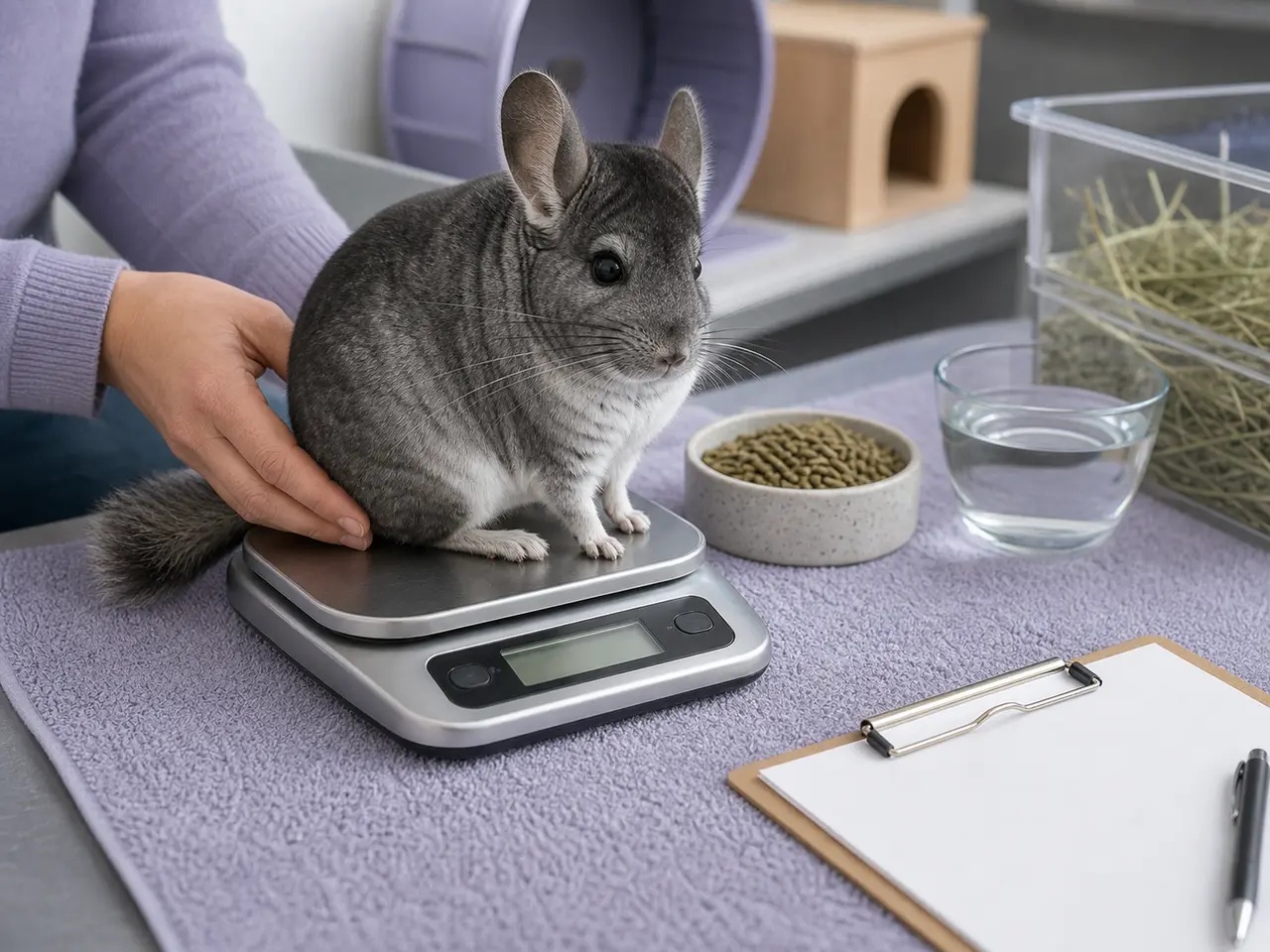
Watch group pressure, scent, weight, breathing, and escape points.
Use calm transfer tools instead of chasing.
Common mouse questions
Does this answer apply to every small mammal?
No. The page gives the practical rule, then the species profile should decide the final housing, food, handling, and vet plan.
When should I ask a veterinarian?
Ask an exotic-pet veterinarian promptly for appetite loss, fewer droppings, labored breathing, collapse, severe lethargy, wounds, heat stress, or sudden weight change.