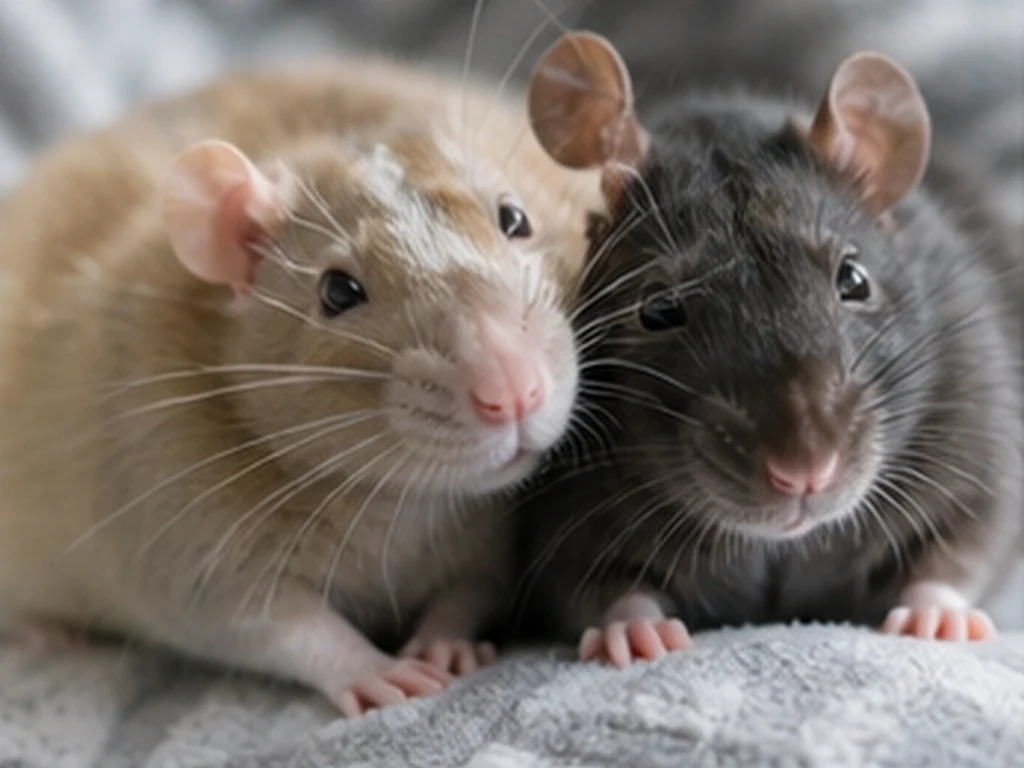
No. Most pet rats need compatible rat companions. Human interaction is important, but it does not replace same-species grooming, sleeping, play, and confidence.
Think in pairs or groups, clean air, and daily interaction.
Get the social rule right
Start with the social rule for this species before thinking about a bigger cage, a friendly introduction, or a second animal.
Before any pairing, ask a rescue or veterinarian about sex, age, pair history, backup housing, resource guarding, repeated pursuit, wounds, blocked food, and hiding.
Social rules differ
Rats are social, intelligent pets whose behavior and health are easiest to read when the group, cage, and routine are stable.
Group size, introductions, respiratory history, age, hormones, and free-roam safety can change rat advice.
Respect the social rule
Plan the housing around the species' social rule before adding a cage mate, separating a pair, or trusting a calm-looking introduction.
The routine should keep companions, air quality, fabric, food, water, and body checks easy to manage.
Act on tension early
Chasing, boxing, guarding food or water, wounds, sudden hiding, blocked resting spots, or one animal looking thinner means the social setup is not working.
Before changing housing, confirm sex, age, pair history, backup housing, food access, and what you will do if chasing or wounds start.
Before you decide
Does this species normally live solo or with same-species friends?
Have sex, age, pair history, and backup housing been checked?
Can each animal reach food, water, hides, and resting space?
Would chasing, wounds, blocking, or sudden hiding make you separate and call for help?
Next best moves
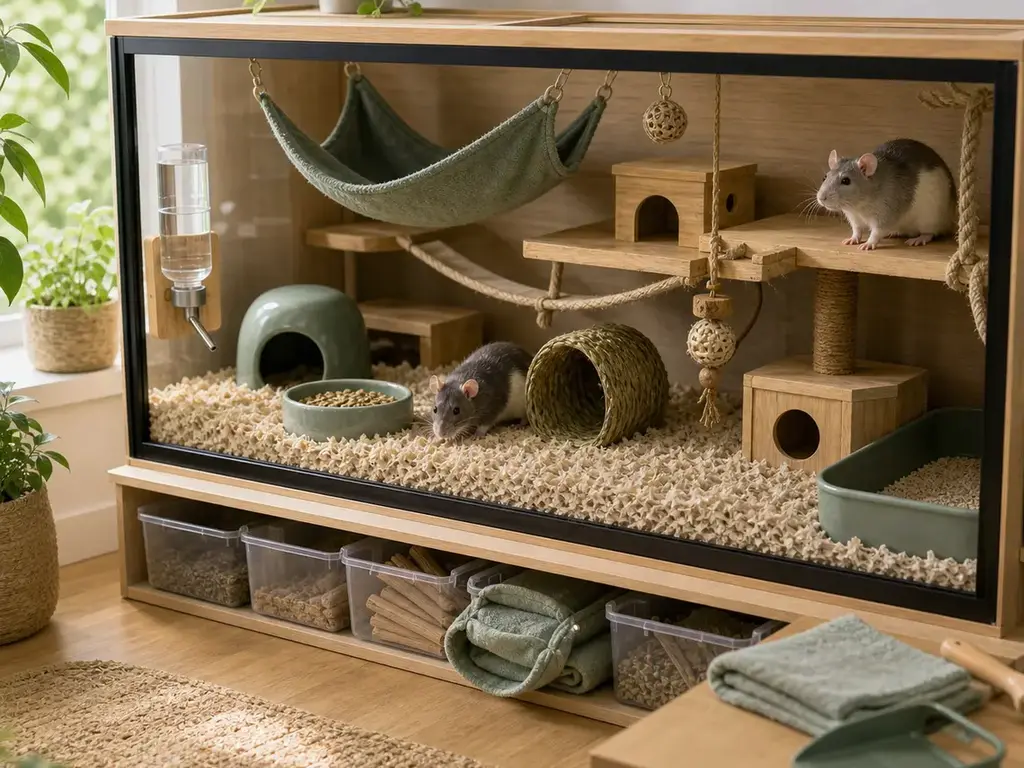
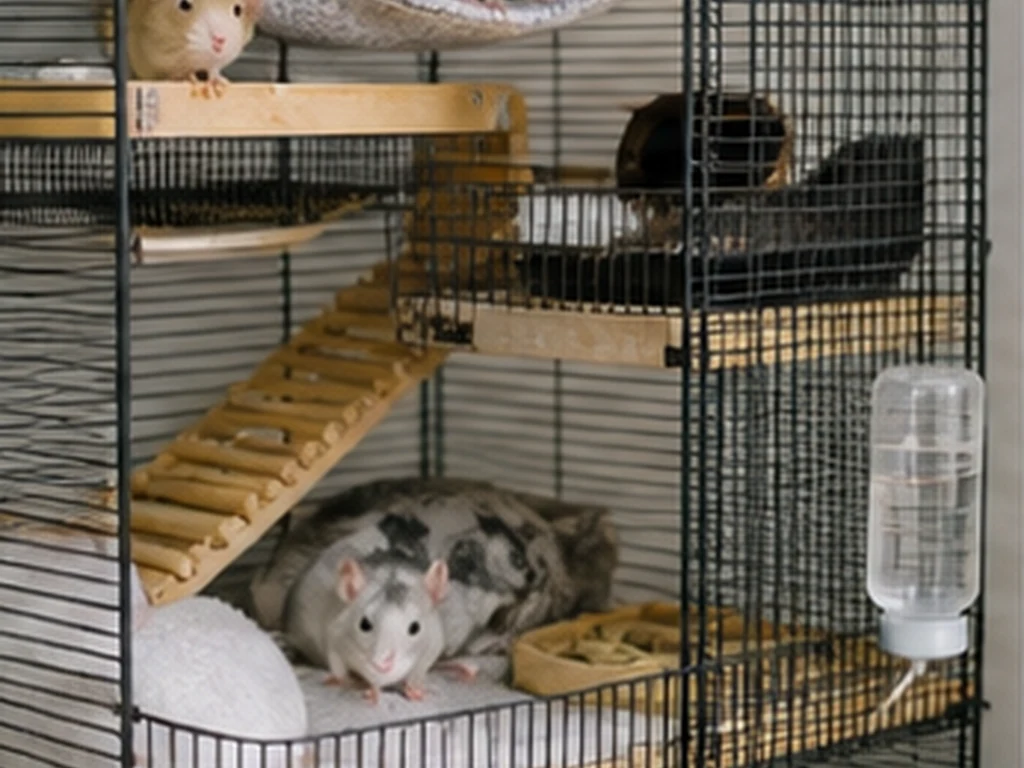
Plan for compatible companions, clean air, climbing, and washable fabric.
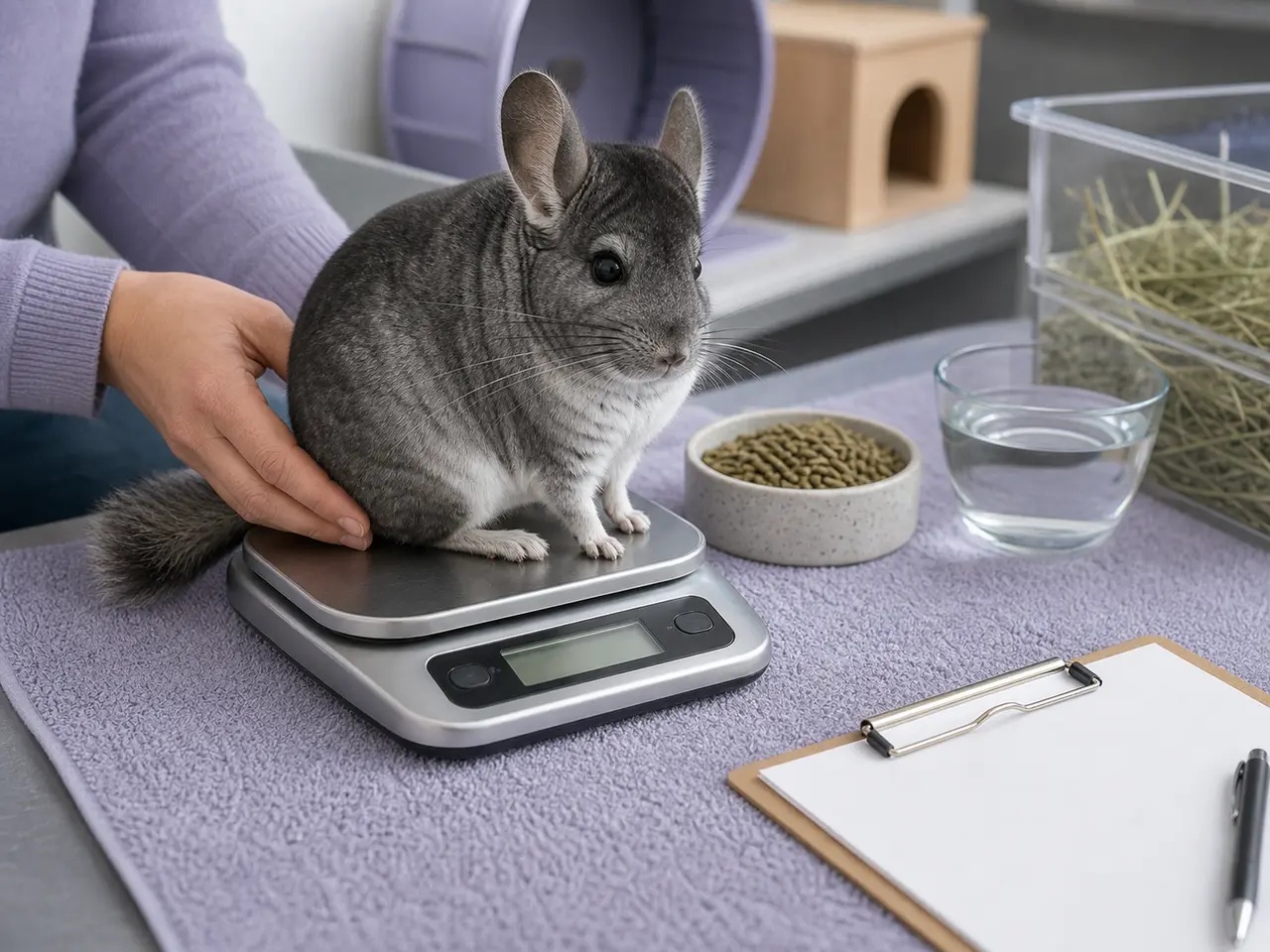
Check breathing, weight, appetite, lumps, wounds, and group behavior often.
Make free-roam or handling safer before adding more time.
Common rat questions
Does this answer apply to every small mammal?
No. The page gives the practical rule, then the species profile should decide the final housing, food, handling, and vet plan.
When should I ask a veterinarian?
Ask an exotic-pet veterinarian promptly for appetite loss, fewer droppings, labored breathing, collapse, severe lethargy, wounds, heat stress, or sudden weight change.