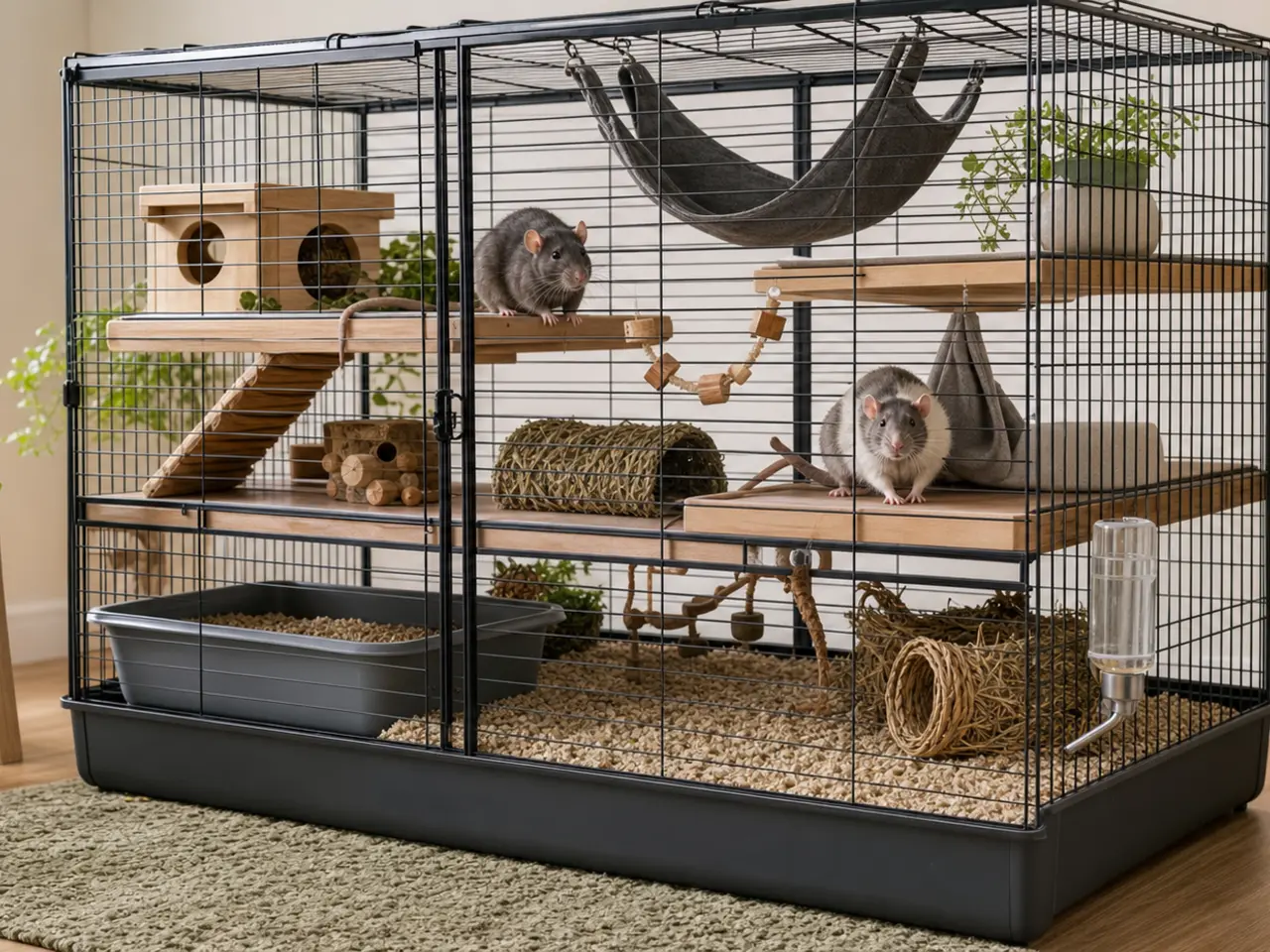
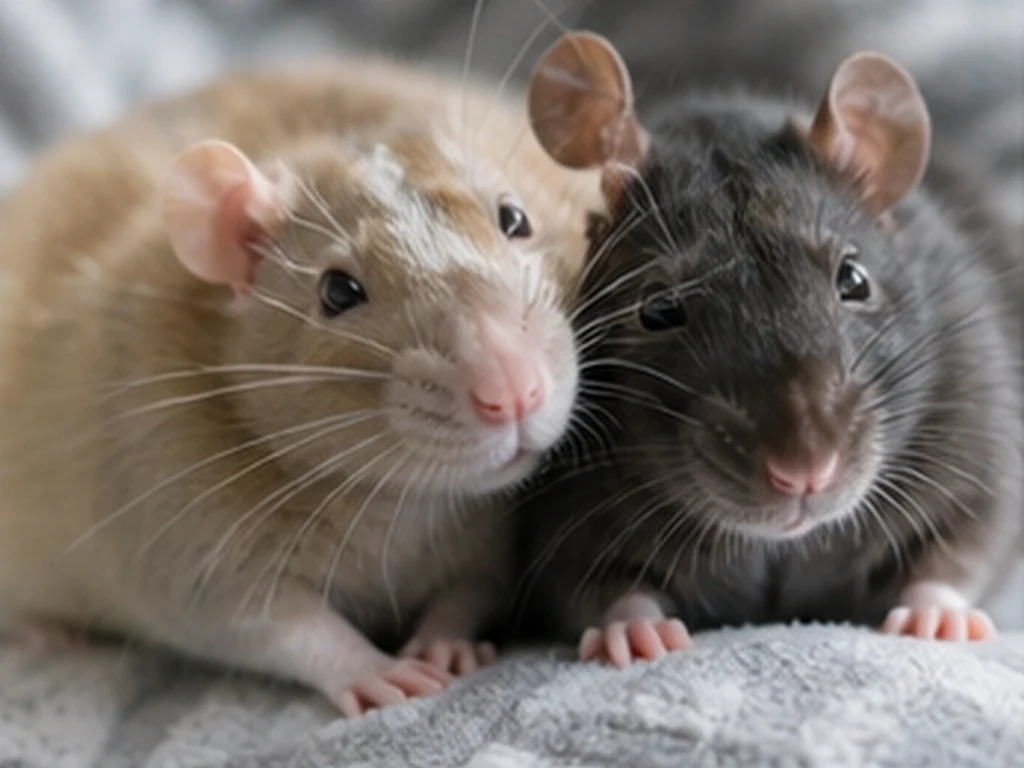
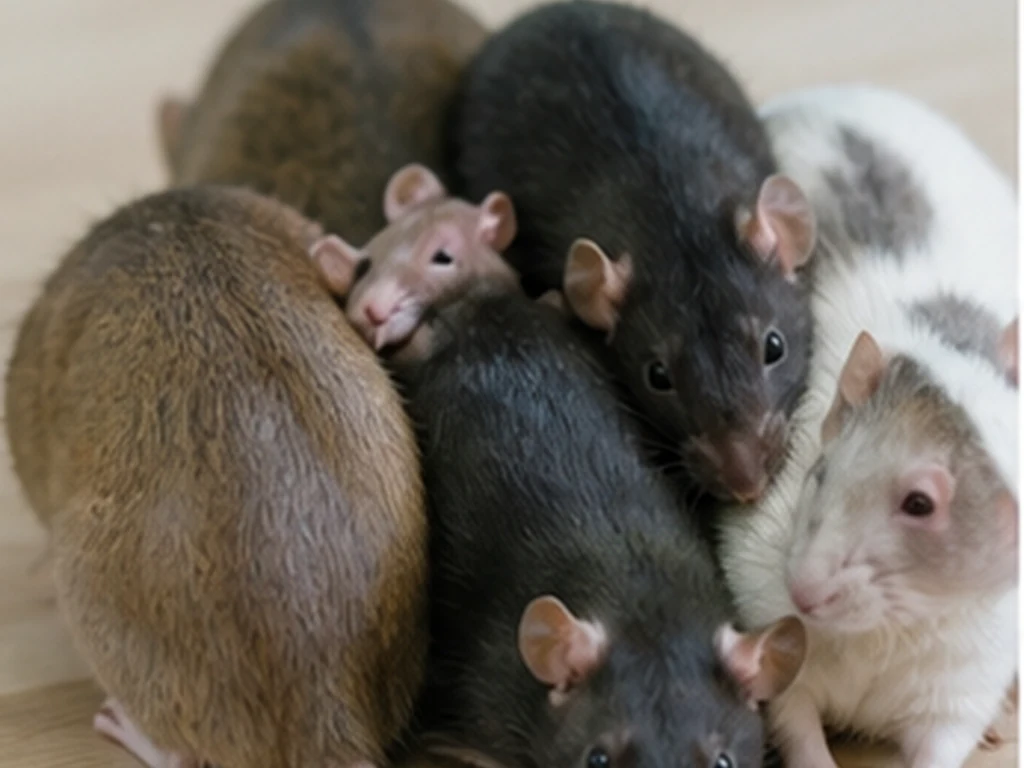
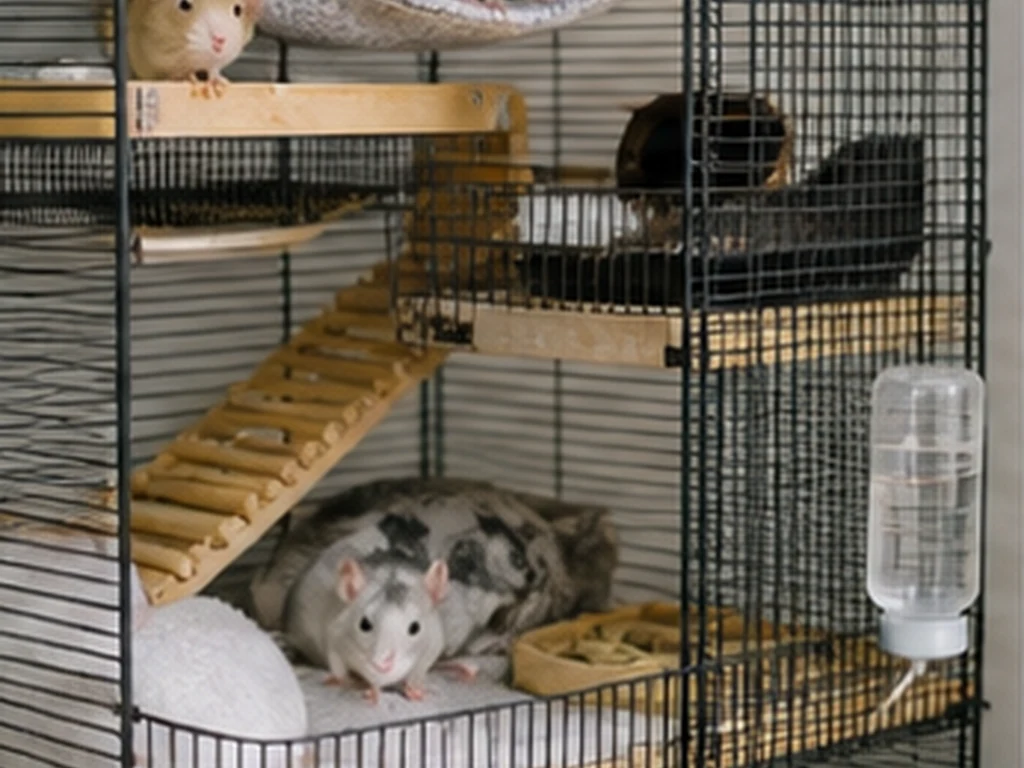
Many homes start with two or three compatible same-sex rats from a responsible source. Plan cage space, food, water, hammocks, cleaning, and vet costs around the group.
Think in pairs or groups, clean air, and daily interaction.
Start with the safest step
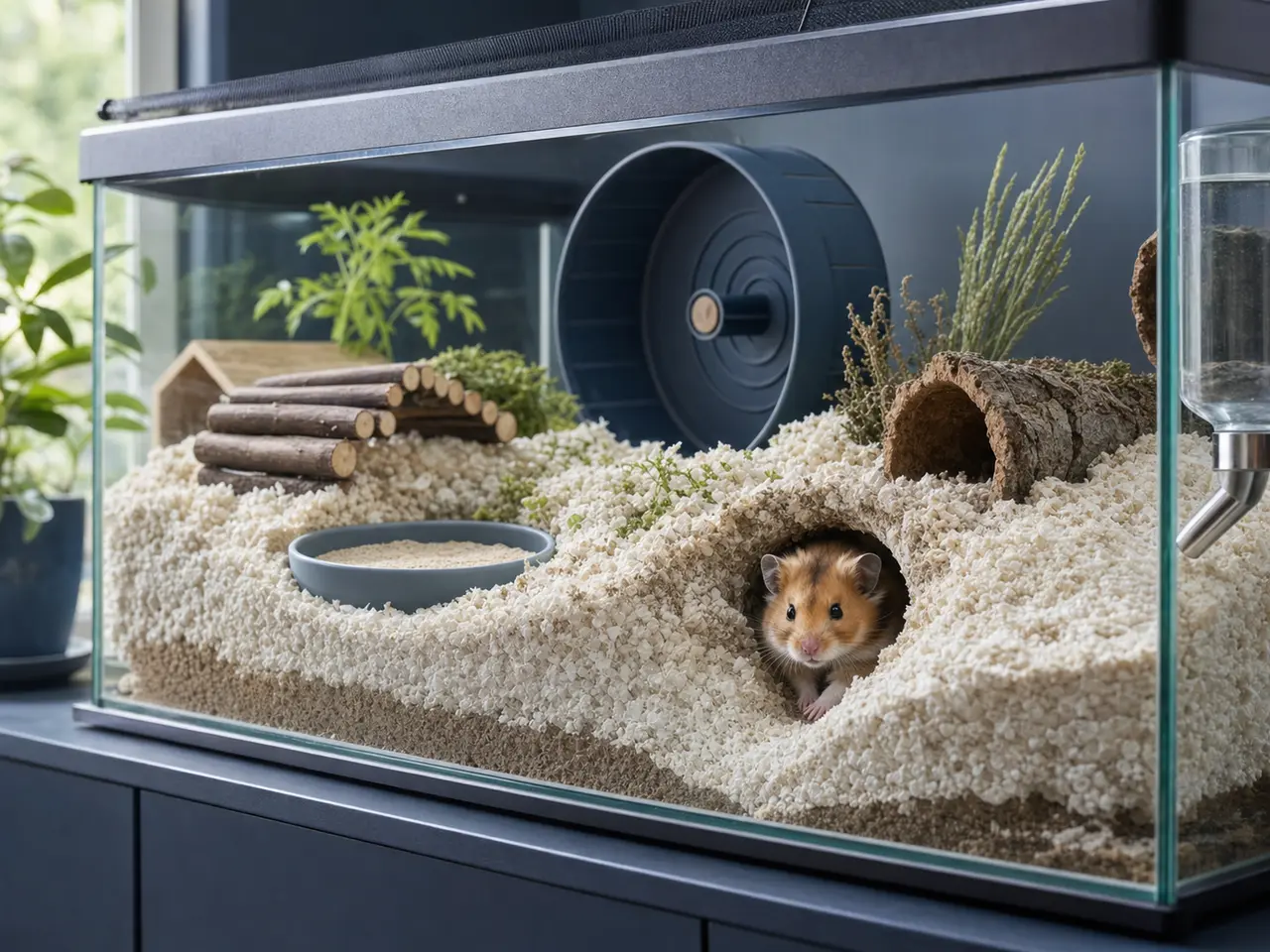
Think about the group, clean air, climbing space, fabric washing, food, water, and daily interaction together.
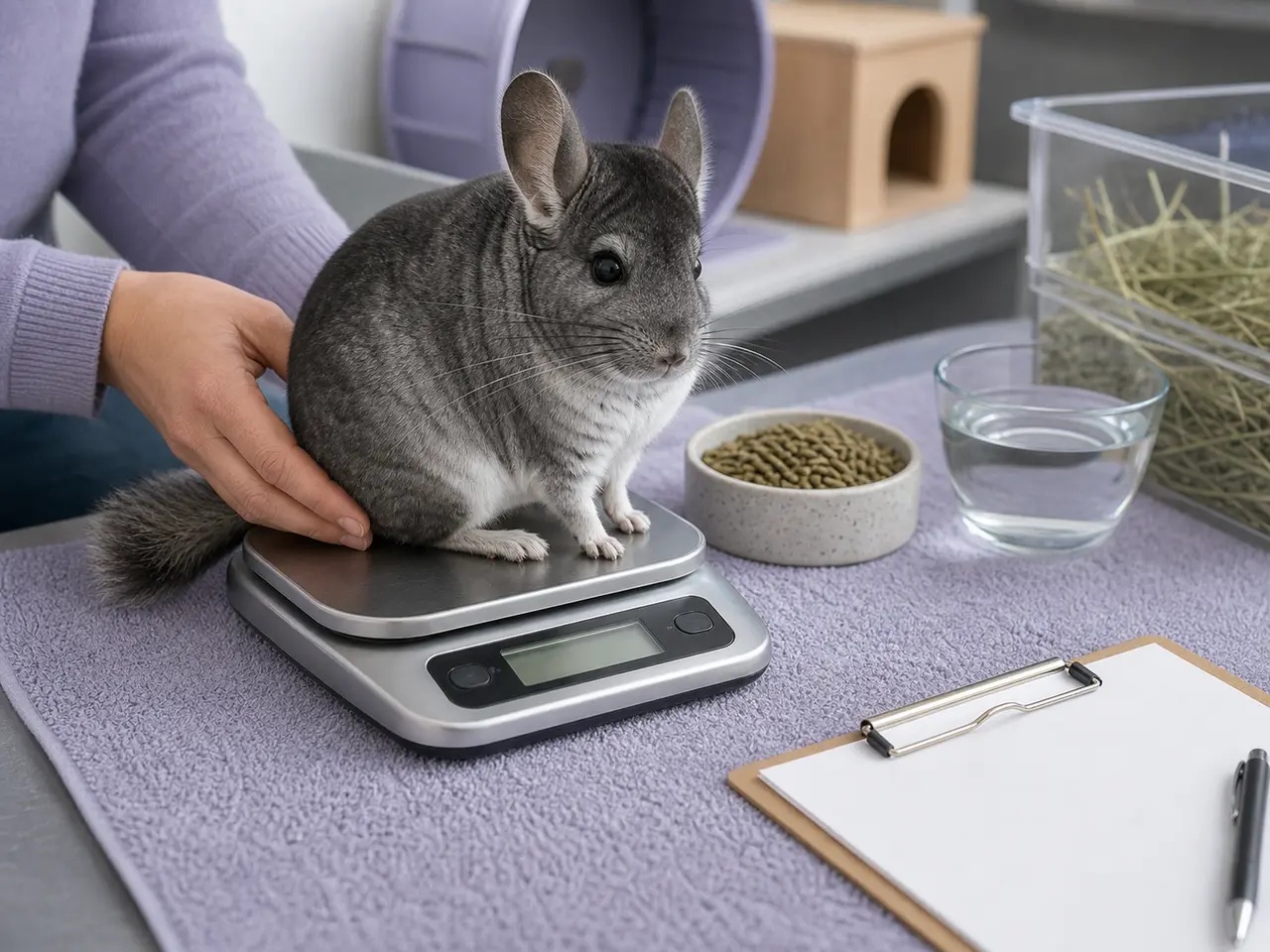
Check group behavior, food, water, bedding or fabric, cleaning, handling, weight, and habitat air before changing the routine.
Fit changes by species
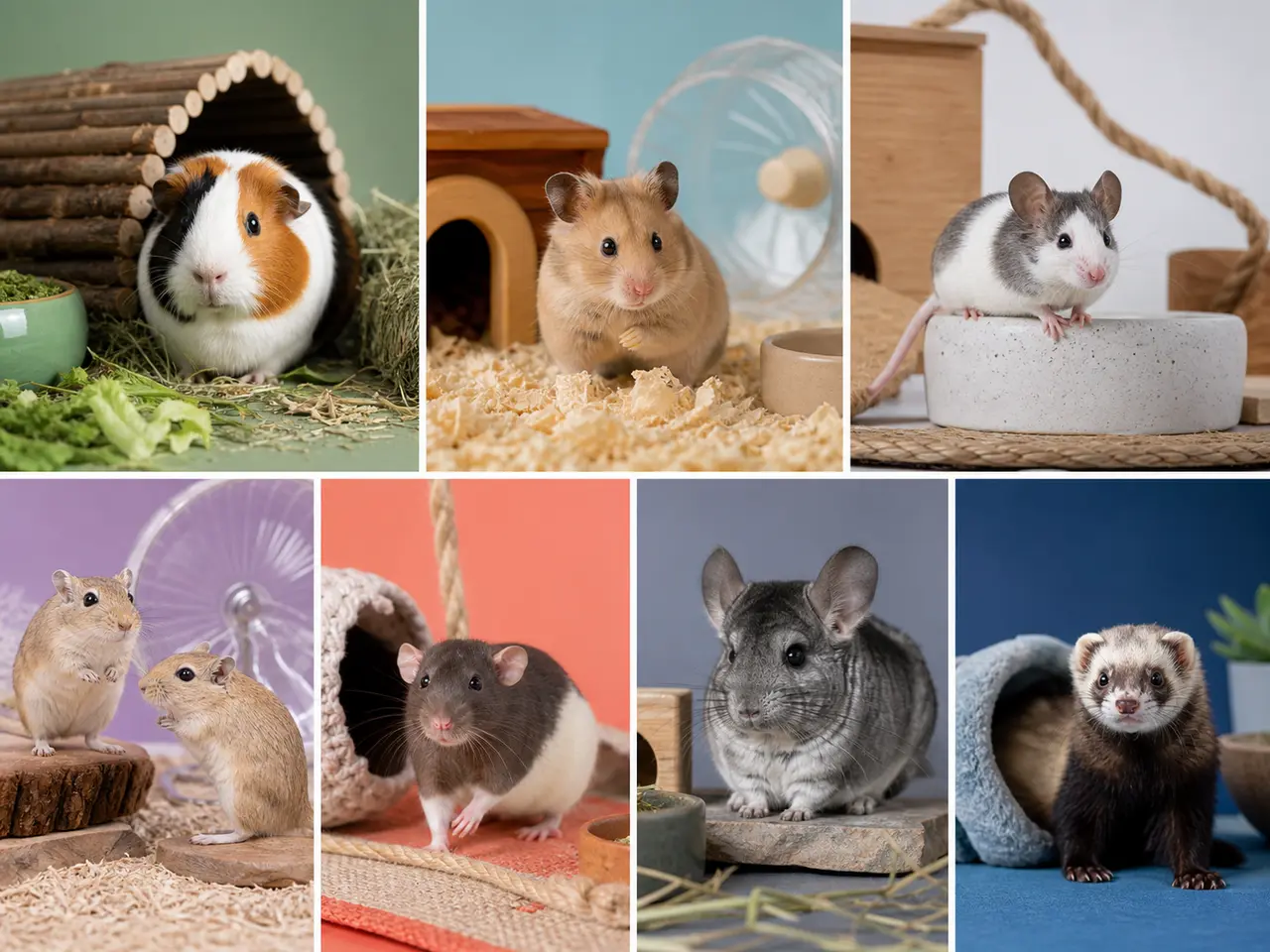
Fit changes by species because one animal may need solo housing, another may need same-species friends, and another may need supervised play.
The routine should keep companions, air quality, fabric, food, water, and body checks easy to manage.
Plan around the group
Make the daily routine easy to check through food, water, cleaning, handling, and quiet observation.
The routine should keep companions, air quality, fabric, food, water, and body checks easy to manage.
Know what changes the answer
If the normal work already sounds like too much, choose a different species before buying gear.
Use the rats routine as the check: food, water, bedding, cleaning, handling, weight, and safe housing.
Before you decide
Would this pet still fit on a busy weekday?
Can you follow the social rule: solo or same-species friends?
Can the adult habitat, food, carrier, and vet plan be ready first?
Is an adult responsible for cleaning, feeding, and health decisions?
Next best moves
Plan for compatible companions, clean air, climbing, and washable fabric.
Check breathing, weight, appetite, lumps, wounds, and group behavior often.
Make free-roam or handling safer before adding more time.
Common rat questions
Does this answer apply to every small mammal?
No. The page gives the practical rule, then the species profile should decide the final housing, food, handling, and vet plan.
When should I ask a veterinarian?
Ask an exotic-pet veterinarian promptly for appetite loss, fewer droppings, labored breathing, collapse, severe lethargy, wounds, heat stress, or sudden weight change.