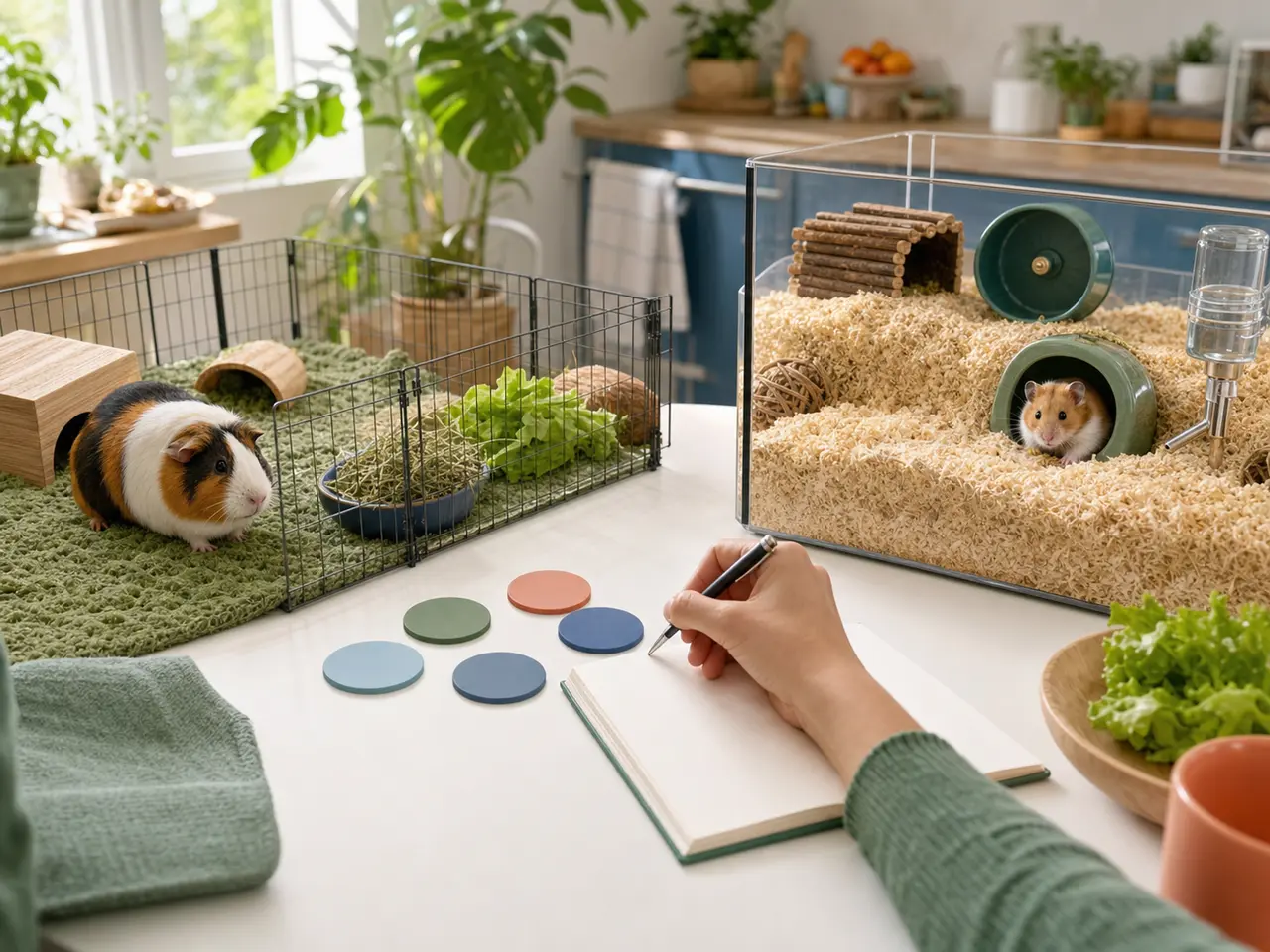
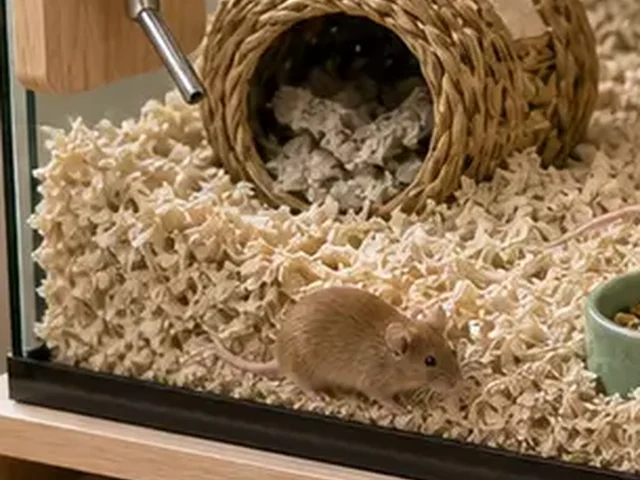
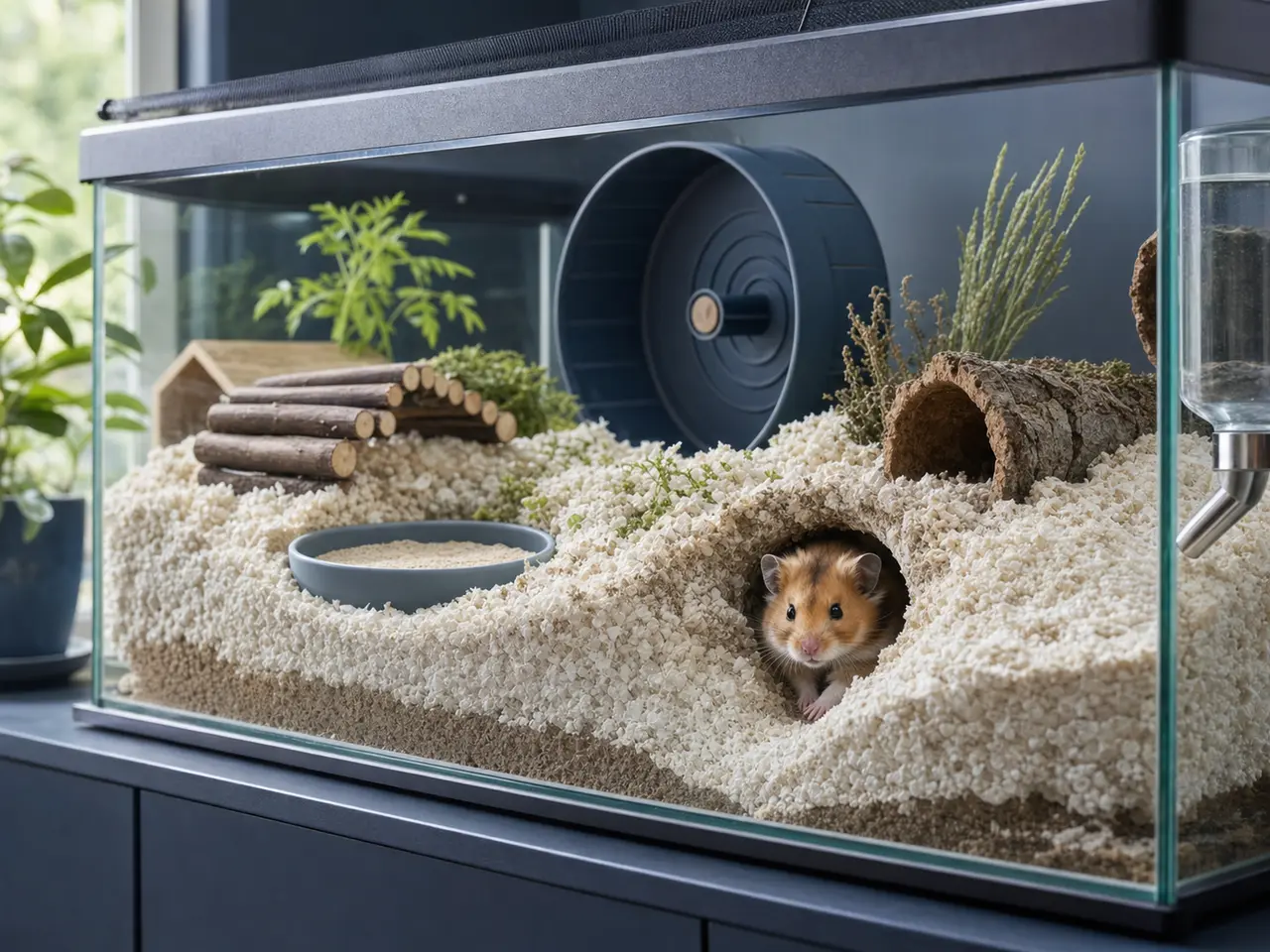
Sometimes. Small mammals need toys and enrichment, but the right kind depends on species. Burrowing, chewing, climbing, foraging, dust bathing, and supervised play are not interchangeable.
Buy for the species, not the starter-kit photo.
Make enrichment useful
Start with the adult care routine, then buy only the items that make that routine safer or easier.
Check size, teeth, feet, diet, cleaning access, escape risk, chew safety, and whether the item helps the daily routine instead of hiding problems.
Match gear to the animal
A good item for one species can be useless or unsafe for another because size, teeth, diet, and behavior differ.
A useful item should make food, water, cleaning, transport, enrichment, or health checks easier for the exact animal you keep.
Buy tools that earn space
Make every item earn space by helping with food, water, cleaning, safe enrichment, transport, or health checks.
The shopping list should make daily care easier, not add clutter that hides problems.
Skip bad buys
Tiny cages, cotton fluff, wire wheels, scented bedding, sugary treats, mixed-species housing, and fragile plastic toys are common bad buys.
Build the shopping list from the animal's adult habitat, food, water, cleaning, enrichment, transport, and safety needs.
Before you decide
Does this item solve a real care job?
Is it safe for the species' size, teeth, feet, and diet?
Can the adult caregiver clean, check, and use it easily?
Would buying the adult habitat first change this purchase?
Next best moves
Buy fewer cute extras and more useful basics.
Check every item against species size, teeth, feet, diet, and cleaning needs.
Skip starter kits that make the adult setup harder.
Useful setup pieces
Optional supplies that support the care routine after the species needs are clear.
Affiliate links: Furball Cove may earn from qualifying purchases at no extra cost to you.