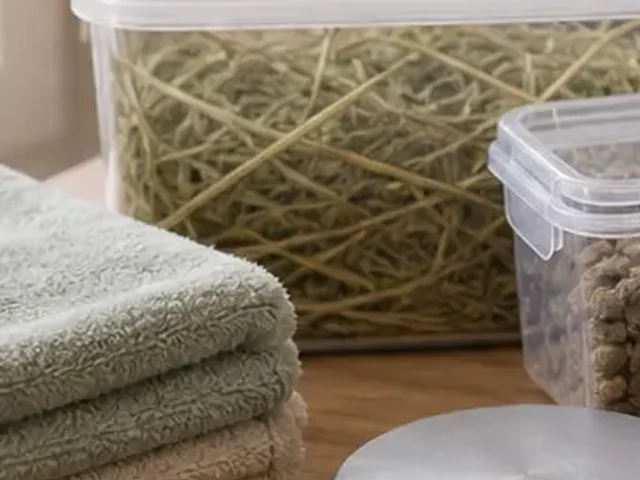
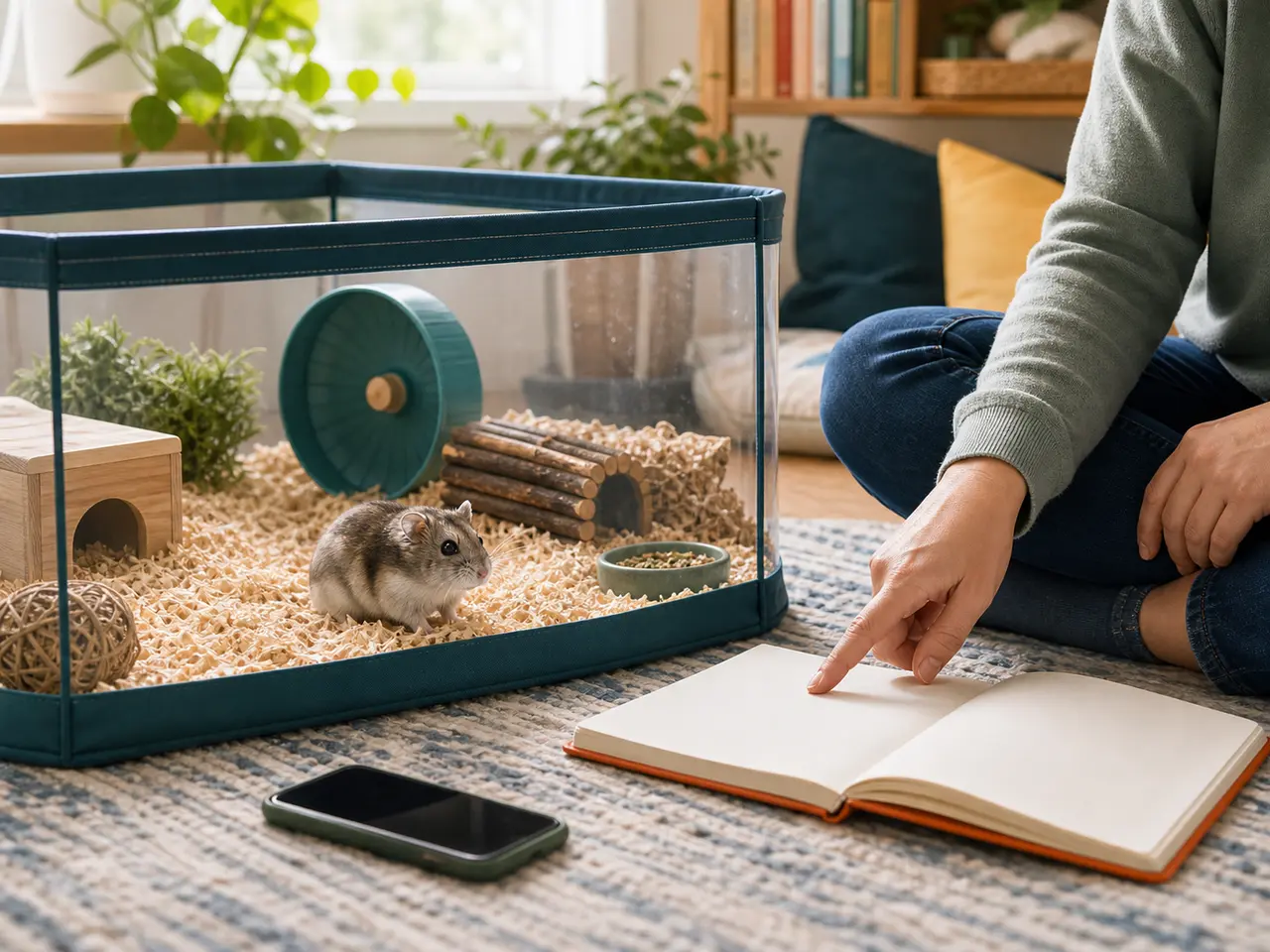
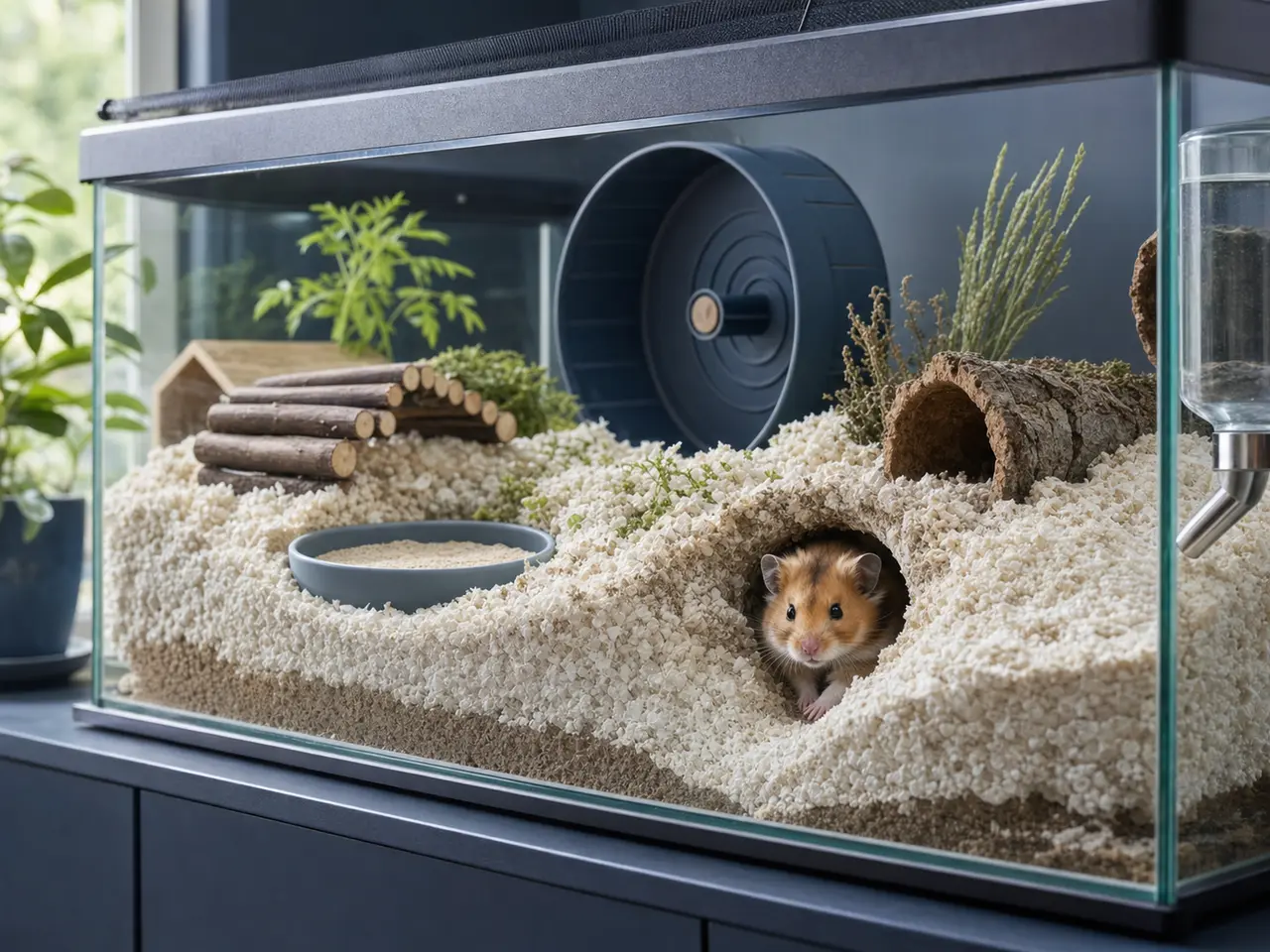
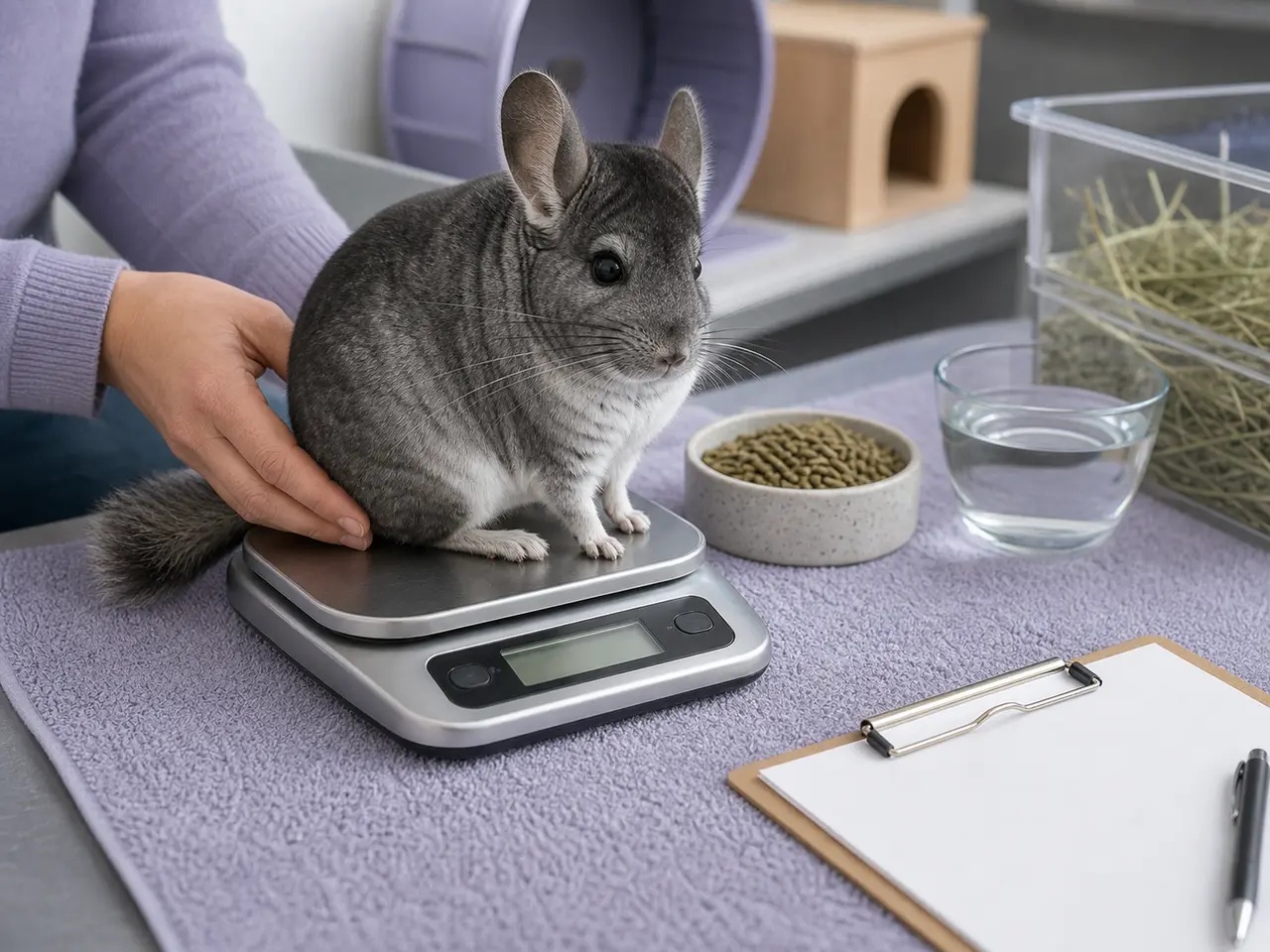
Store small mammal food in sealed labeled containers and keep species foods separate. This prevents mix-ups and makes freshness, portions, and adult supervision easier.
Buy for the species, not the starter-kit photo.
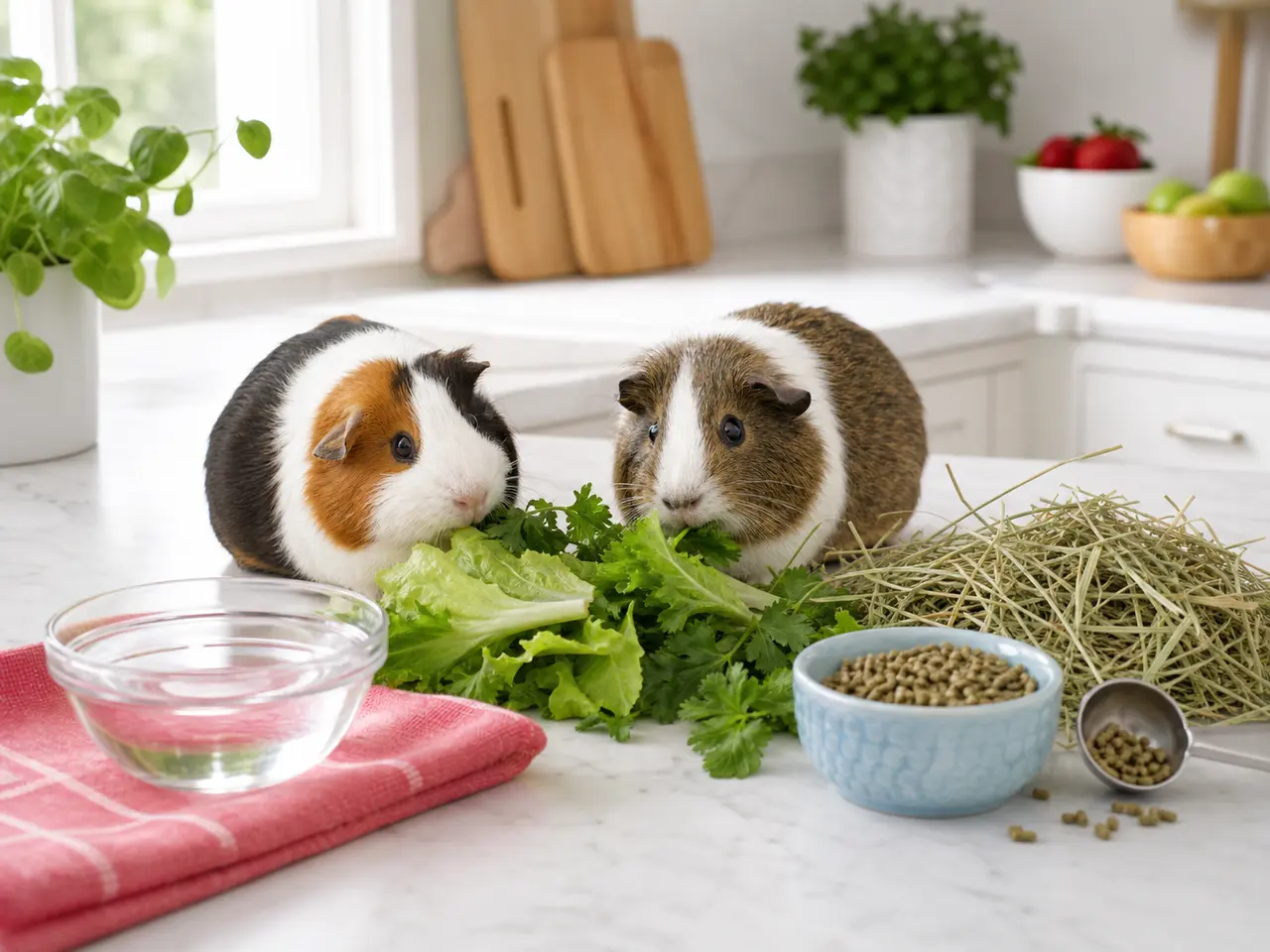
Start with the daily diet
Start with the normal daily diet, then judge the specific food question against that routine.
Check the staple food, hay or seed balance when relevant, water, treats, hoards, droppings, weight, and whether one animal is eating less.
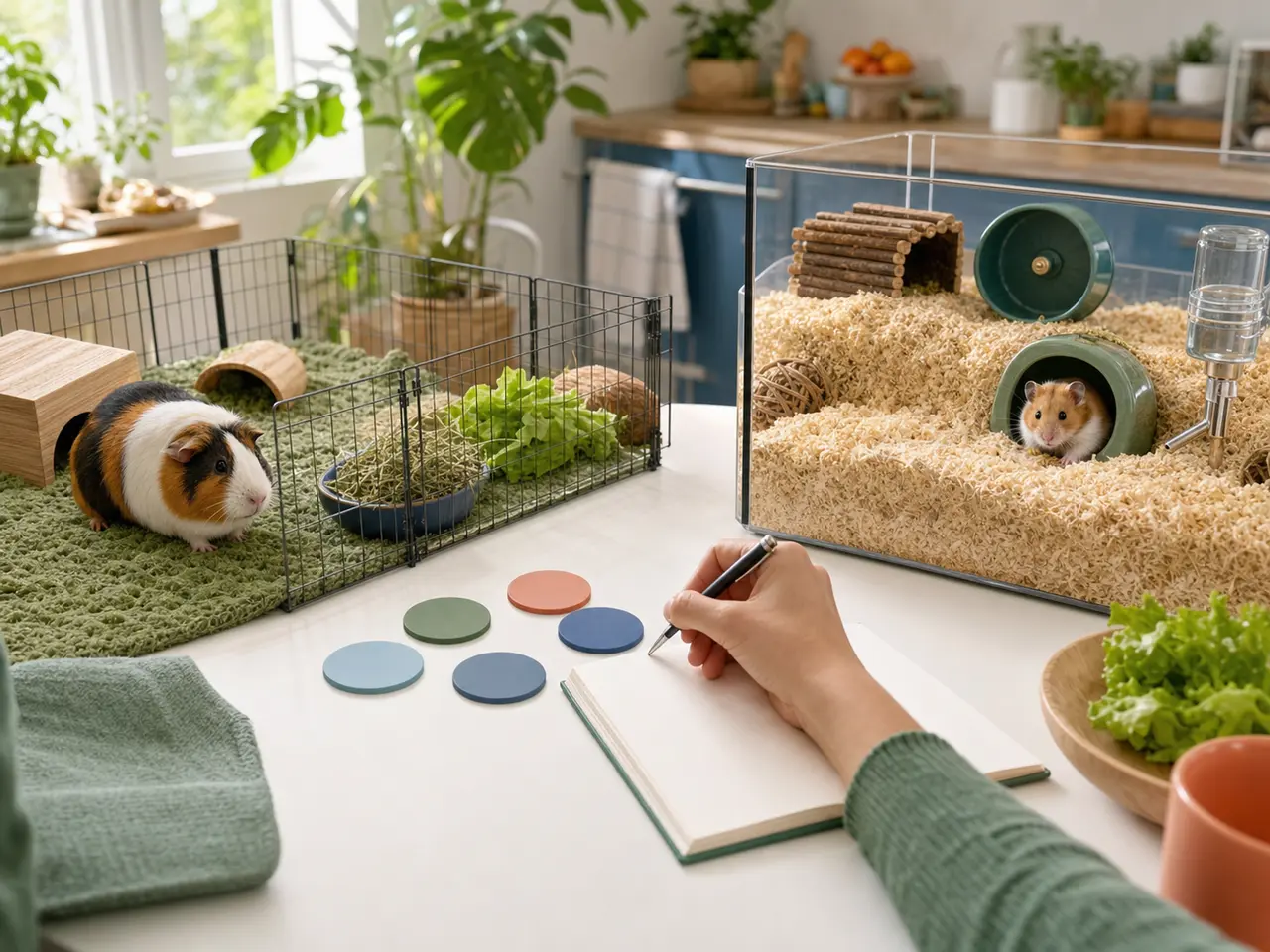
Food differs by species
Food answers change by species because teeth, digestion, hay needs, hoarding, protein needs, and body size are different.
The shopping list should make daily care easier, not add clutter that hides problems.
Set the food routine
Set the staple, water check, treat rule, and leftover check so appetite changes are easy to notice.
The shopping list should make daily care easier, not add clutter that hides problems.
Notice appetite changes
Less appetite, fewer droppings, soft stool, weight loss, drooling, hoard changes, or one animal being blocked from food deserves an exotic-pet vet call.
Write down the staple, water check, treat amount, hoards or leftovers, droppings, weight, and the exact food change.
Before you decide
Does this match the species' normal staple diet?
Are water, portions, leftovers, and hoards easy to check?
Would you notice less appetite, fewer droppings, soft stool, or weight loss today?
Have you opened the matching food guide before changing the diet?
Next best moves
Buy fewer cute extras and more useful basics.
Check every item against species size, teeth, feet, diet, and cleaning needs.
Skip starter kits that make the adult setup harder.
Useful setup pieces
Optional supplies that support the care routine after the species needs are clear.
Affiliate links: Furball Cove may earn from qualifying purchases at no extra cost to you.