Updated
Small mammal question
What hides do small mammals need?
Small mammals need hides that fit the species and reduce stress. Social species often need multiple hides and exits so one animal cannot trap another.
Buy for the species, not the starter-kit photo.

Use hides that fit
Start with the adult care routine, then buy only the items that make that routine safer or easier.
Check size, teeth, feet, diet, cleaning access, escape risk, chew safety, and whether the item helps the daily routine instead of hiding problems.

Match gear to the animal
A good item for one species can be useless or unsafe for another because size, teeth, diet, and behavior differ.
A useful item should make food, water, cleaning, transport, enrichment, or health checks easier for the exact animal you keep.

Buy tools that earn space
Make every item earn space by helping with food, water, cleaning, safe enrichment, transport, or health checks.
The shopping list should make daily care easier, not add clutter that hides problems.
Skip bad buys
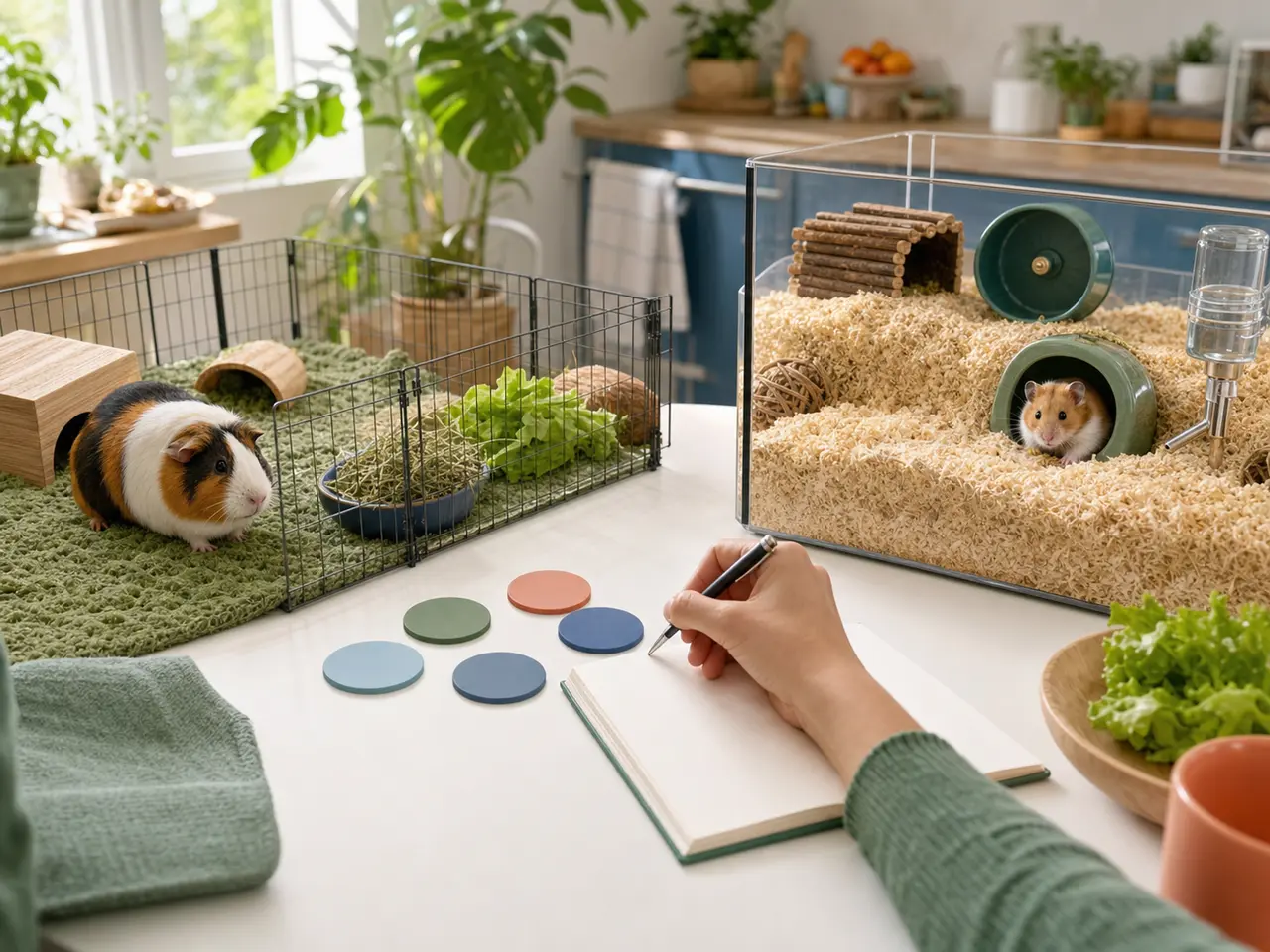
Tiny cages, cotton fluff, wire wheels, scented bedding, sugary treats, mixed-species housing, and fragile plastic toys are common bad buys.
Build the shopping list from the animal's adult habitat, food, water, cleaning, enrichment, transport, and safety needs.
Before you decide
- Does this item solve a real care job?
- Is it safe for the species' size, teeth, feet, and diet?
- Can the adult caregiver clean, check, and use it easily?
- Would buying the adult habitat first change this purchase?
Next best moves
- Buy fewer cute extras and more useful basics.
- Check every item against species size, teeth, feet, diet, and cleaning needs.
- Skip starter kits that make the adult setup harder.
Common supply questions
Does this answer apply to every small mammal?
No. The page gives the practical rule, then the species profile should decide the final housing, food, handling, and vet plan.
When should I ask a veterinarian?
Ask an exotic-pet veterinarian promptly for appetite loss, fewer droppings, labored breathing, collapse, severe lethargy, wounds, heat stress, or sudden weight change.