Choose water you can check
The best water setup is the one the animal can reach every day and the caregiver can verify every day.
A bottle can clog, a bowl can spill, and some homes need both while they learn what the animal uses reliably.
Updated
Small mammal question
The best water setup is the one the species can reach reliably and the caregiver checks daily. Bottles can clog, bowls can spill, and many homes need a backup plan.
Buy for the species, not the starter-kit photo.
The best water setup is the one the animal can reach every day and the caregiver can verify every day.
A bottle can clog, a bowl can spill, and some homes need both while they learn what the animal uses reliably.
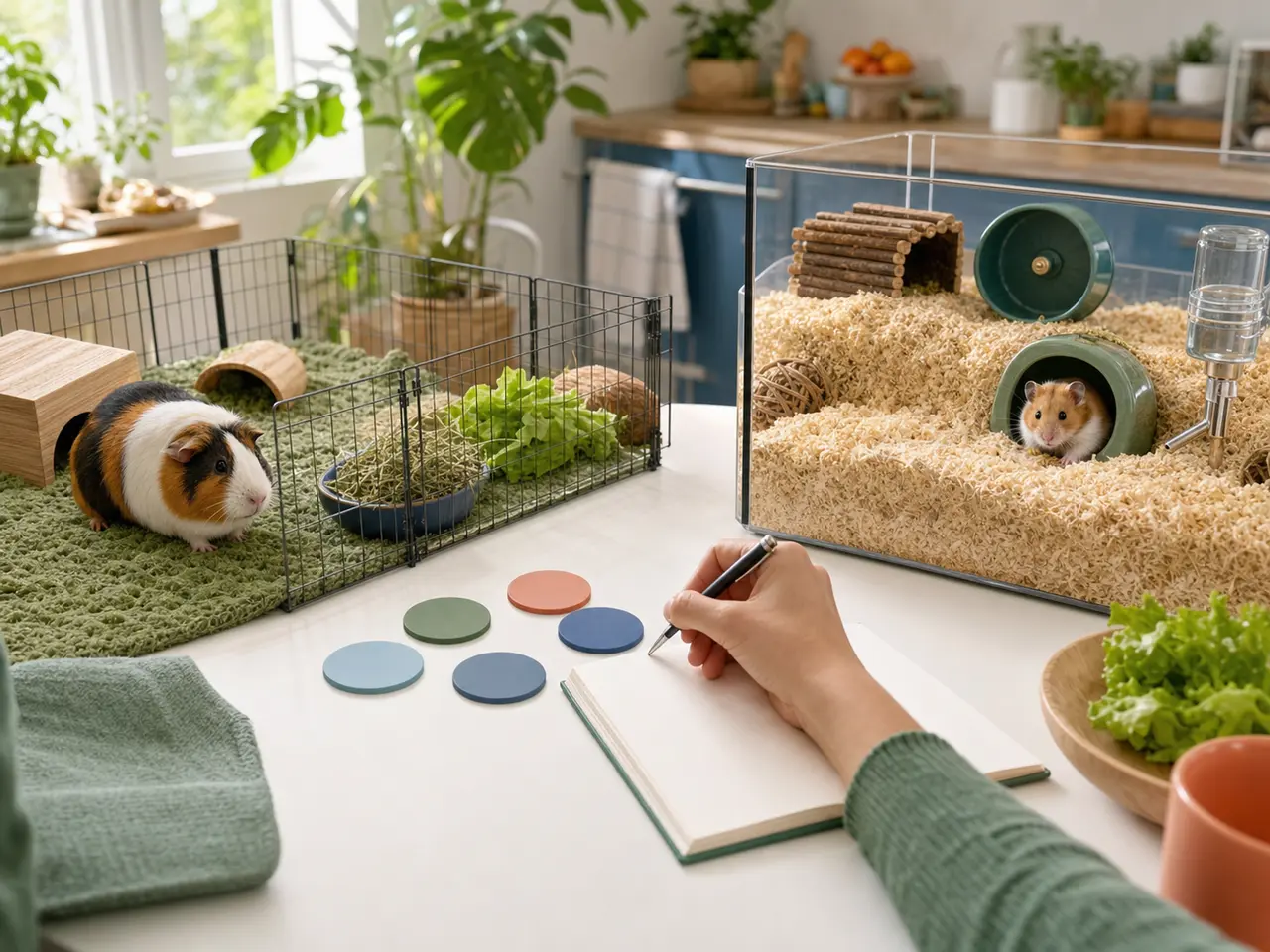
Guinea pigs, rats, ferrets, and chinchillas may use different heights, mounts, or backup plans. Tiny mice and hamsters need access they can reach without climbing awkwardly.
The species guide should decide bottle height, bowl safety, and whether a backup water source makes sense.

Mount bottles securely, check the tip for flow, wash parts often, and refill with fresh water before it runs low.
If you use a bowl, choose a stable shallow option and watch for wet bedding, tipped water, or food dropped into it.
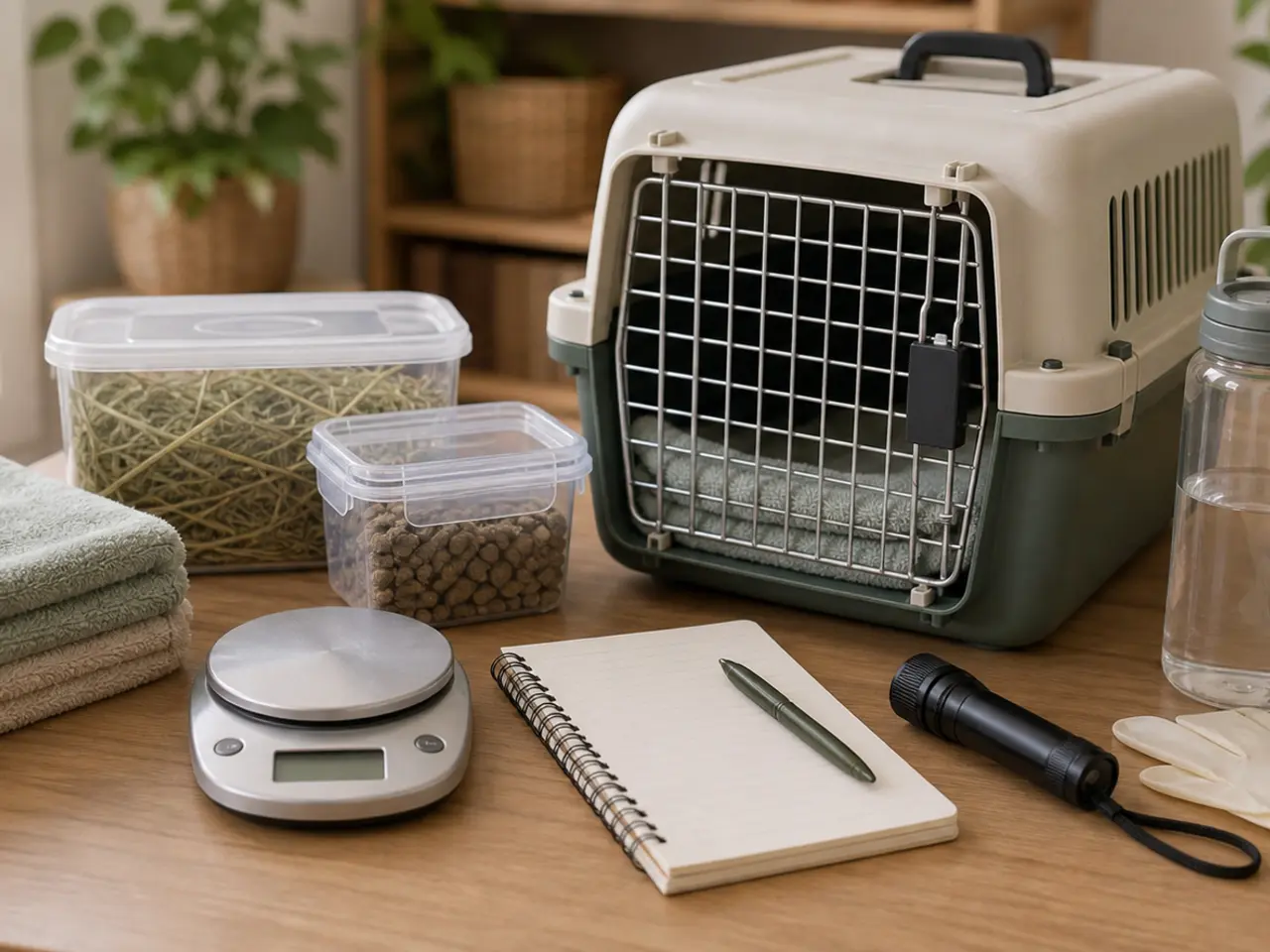
Treat a stuck ball, empty bottle, wet bedding, tipped bowl, chewing damage, or sudden thirst as a care problem to fix now.
Call an exotic-pet vet if water changes come with less appetite, fewer droppings, weakness, diarrhea, or unusual behavior.

Set up water before the animal comes home, then check it morning and evening for the first week.
Keep the carrier and vet number ready if the animal seems dehydrated or unwell.
Optional supplies that support the care routine after the species needs are clear.
Affiliate links: Furball Cove may earn from qualifying purchases at no extra cost to you.
No. The page gives the practical rule, then the species profile should decide the final housing, food, handling, and vet plan.
Ask an exotic-pet veterinarian promptly for appetite loss, fewer droppings, labored breathing, collapse, severe lethargy, wounds, heat stress, or sudden weight change.