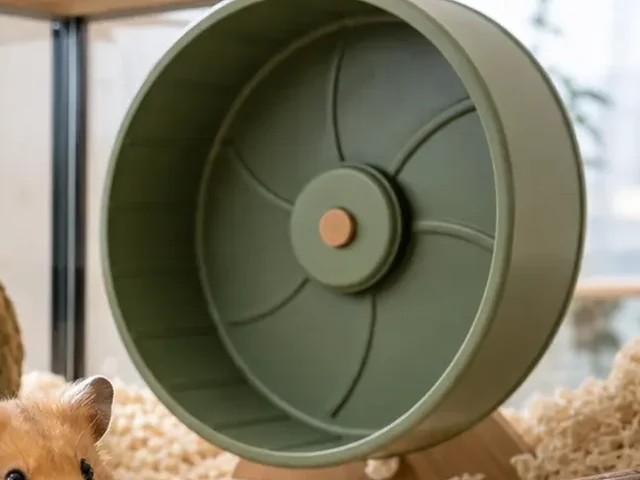
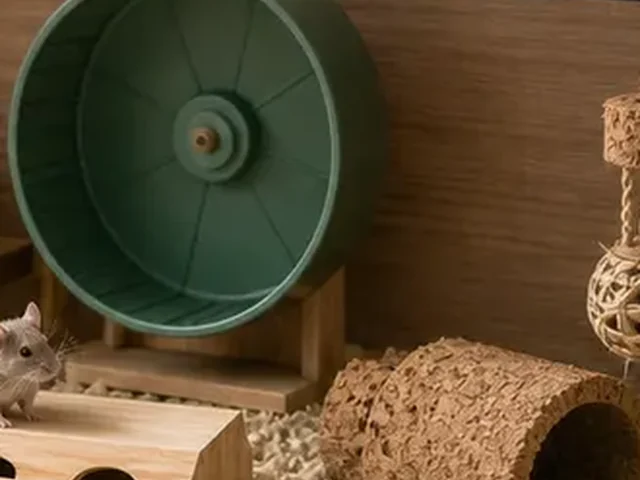
A safe wheel is solid, stable, correctly sized, and free of open rungs. The animal should run without a sharply arched back or trapped feet.
Buy for the species, not the starter-kit photo.
Fit the wheel to the animal
Start with the adult habitat and the animal's natural behavior, not the smallest product that looks convenient.
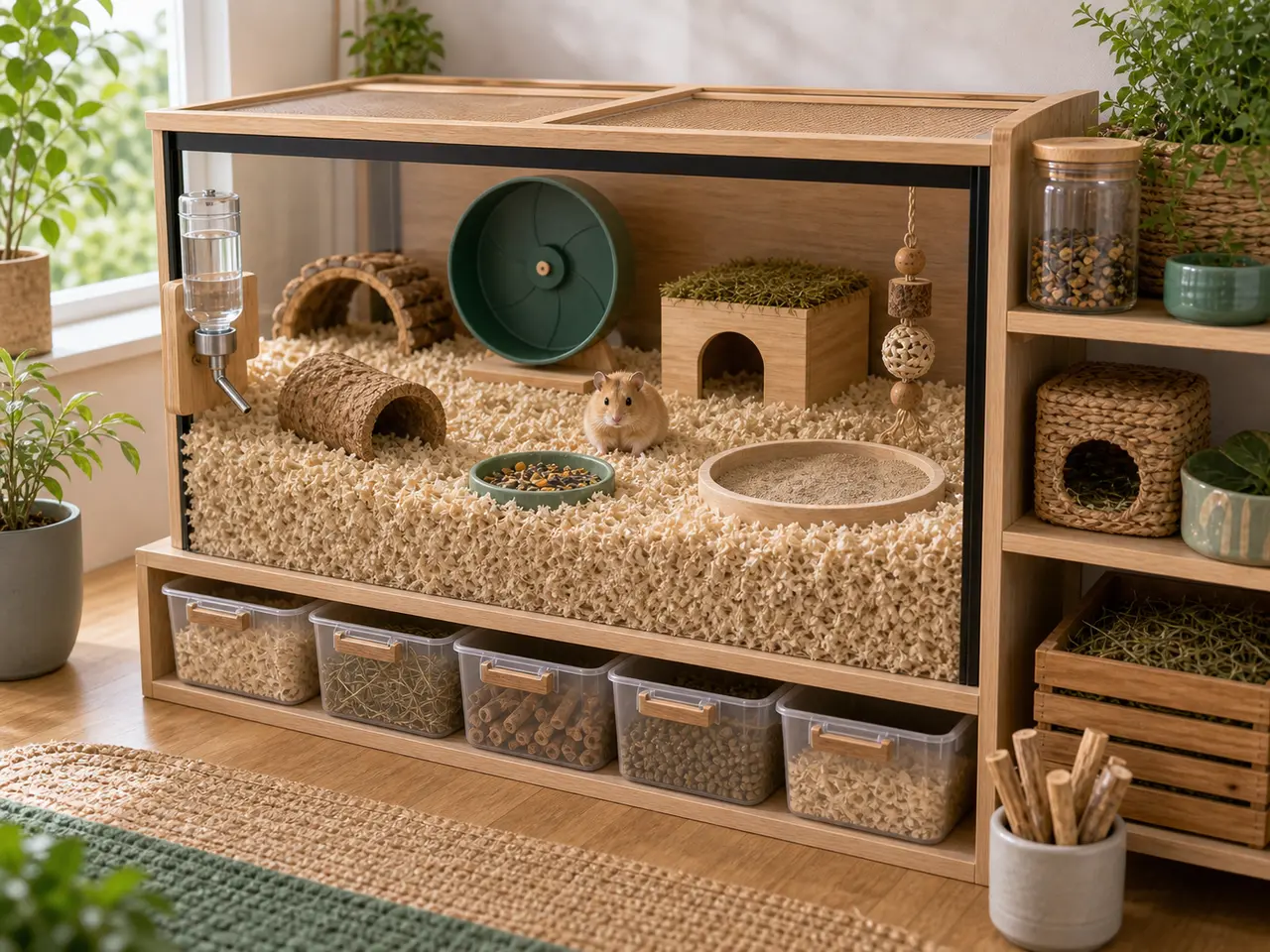
Check adult size, bedding depth, wheel or tube fit, ventilation, chew points, escape gaps, water placement, cleaning reach, and fall risk.
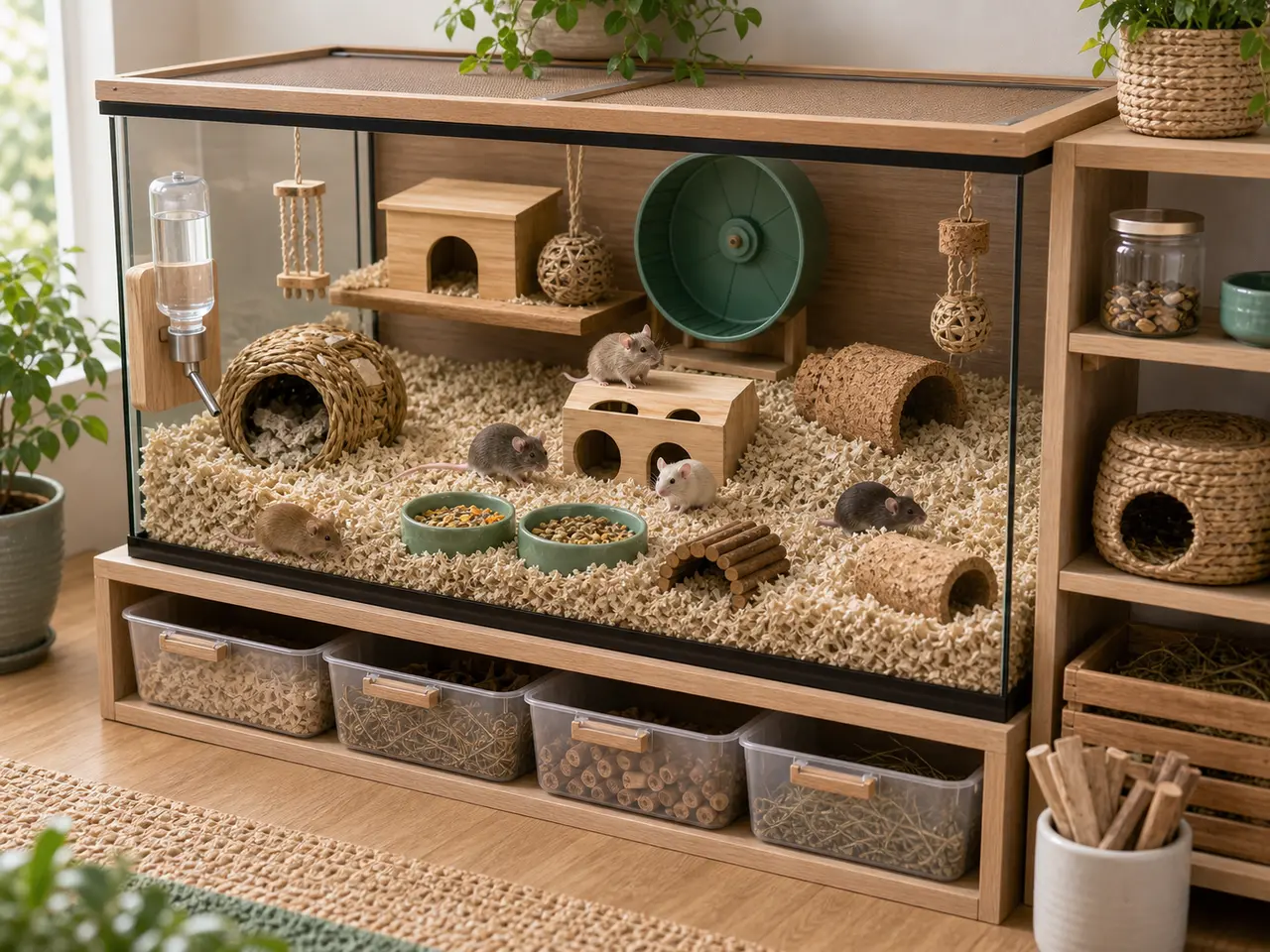
Housing differs by species
Housing answers change by species because floor space, depth, climbing, ventilation, and escape risk do not work the same way.
The shopping list should make daily care easier, not add clutter that hides problems.
Build around the behavior
Build the adult habitat around the behavior in the question: burrowing, running, chewing, climbing, hiding, or escape testing.
The shopping list should make daily care easier, not add clutter that hides problems.
Remove unsafe setup signs
Bar chewing, pacing, escape attempts, trapped feet, damp bedding, blocked water, heavy chewing, or sleep disruption means the setup needs a closer look.
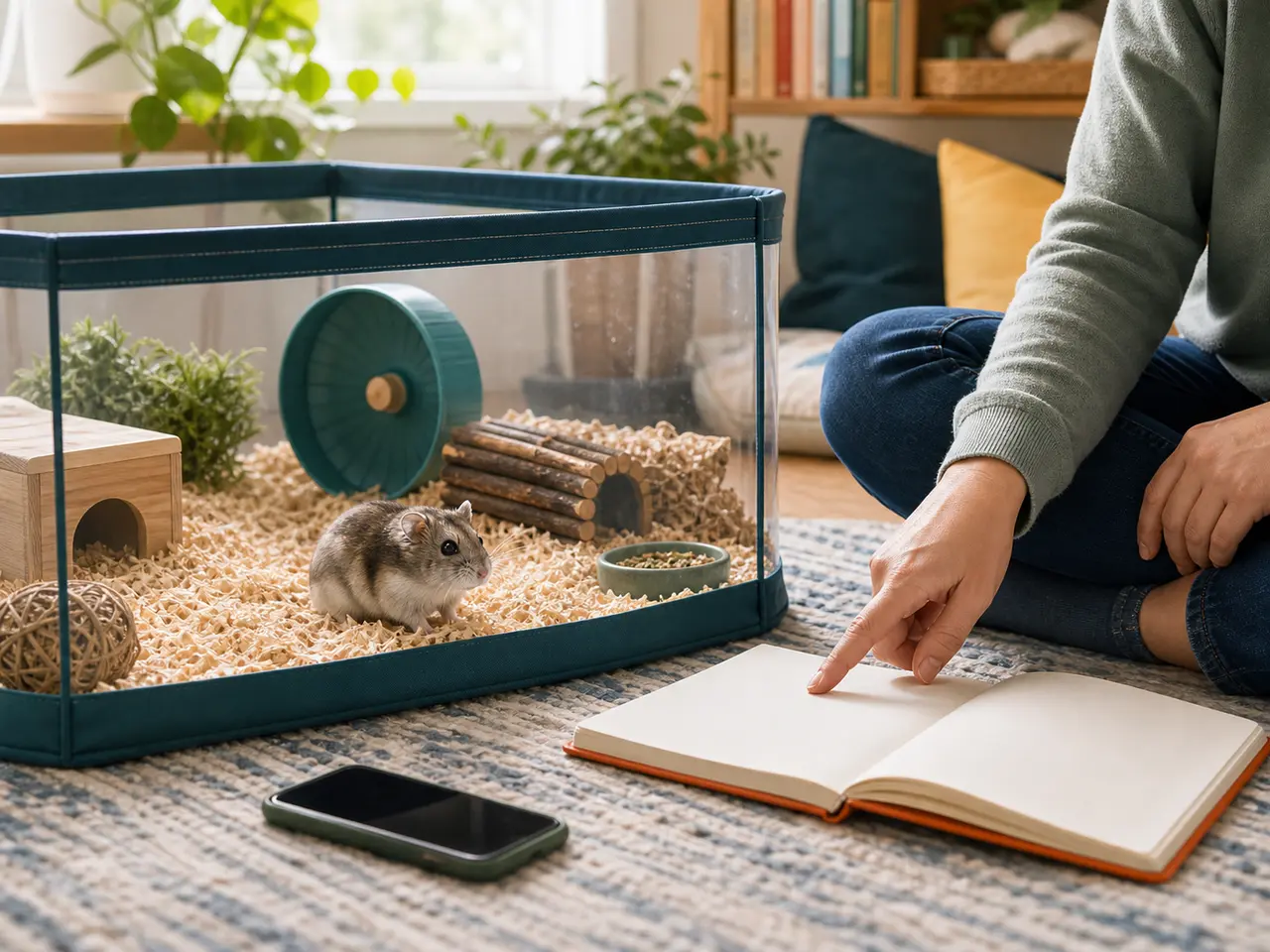
Measure the adult enclosure, bedding depth, wheel or tube fit, escape gaps, chew risk, ventilation, and cleaning reach before buying gear.
Before you decide
Does the habitat fit the adult animal's normal behavior?
Are bedding depth, wheel or tube fit, water, hides, and cleaning access right?
Can the animal escape, fall, chew a hazard, get trapped, or lose sleep?
Have you opened the species housing guide before buying gear?
Next best moves
Buy fewer cute extras and more useful basics.
Check every item against species size, teeth, feet, diet, and cleaning needs.
Skip starter kits that make the adult setup harder.
Useful setup pieces
Optional supplies that support the care routine after the species needs are clear.
Affiliate links: Furball Cove may earn from qualifying purchases at no extra cost to you.