Use a hamster-appropriate staple
Start with a quality Syrian-hamster food rather than a generic small-pet mix. The base diet should cover the routine, while fresh foods and treats stay small enough that selective eating does not take over.
Updated
Syrian hamster food
Syrian hamsters should eat a hamster-appropriate staple in measured portions, with scatter feeding, tiny safe extras, clean water, and routine hoard checks.
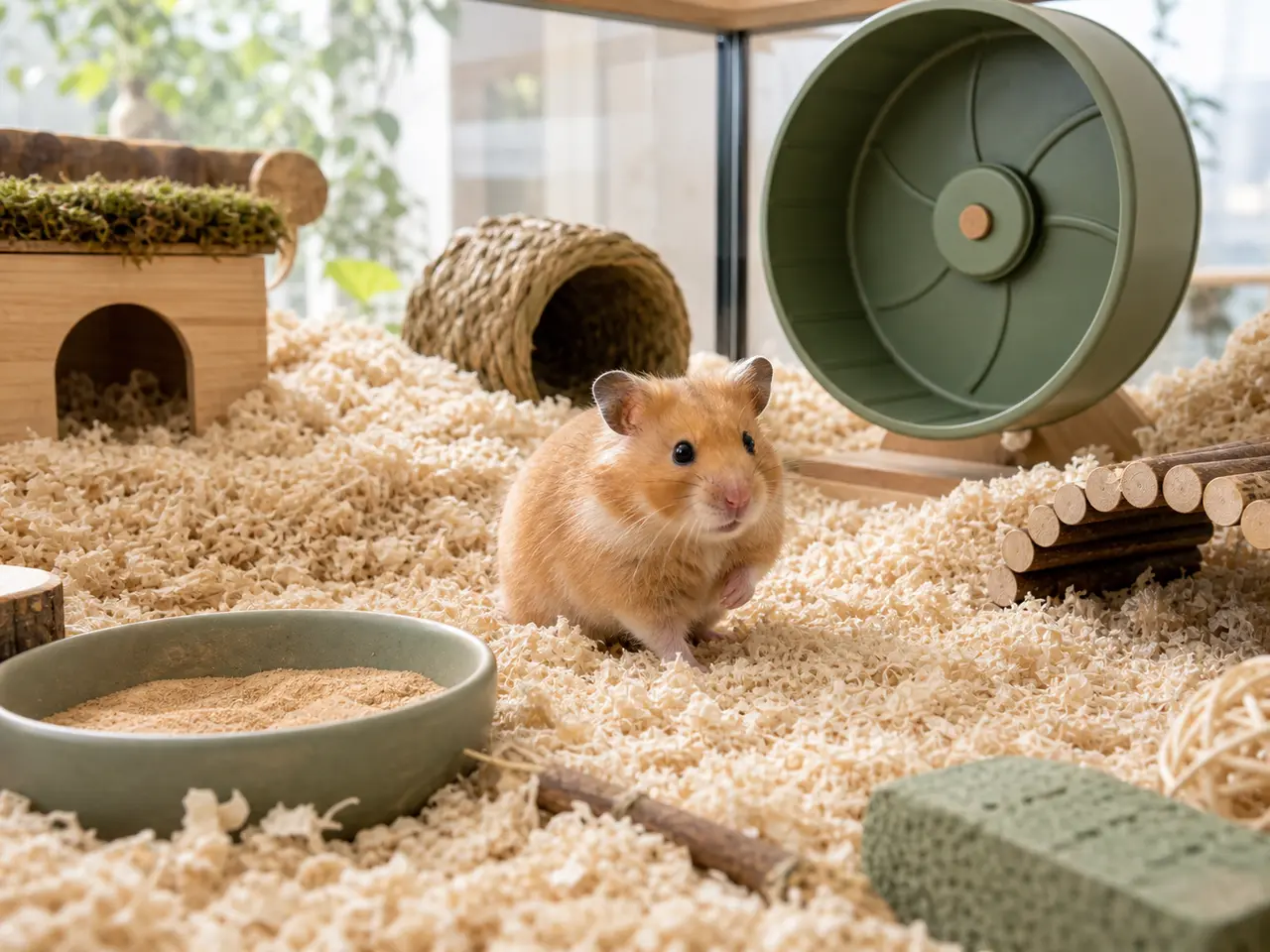
A good food plan respects the solo burrower: evening activity, deep bedding, hoarding, and quiet observation.
Start with a quality Syrian-hamster food rather than a generic small-pet mix. The base diet should cover the routine, while fresh foods and treats stay small enough that selective eating does not take over.
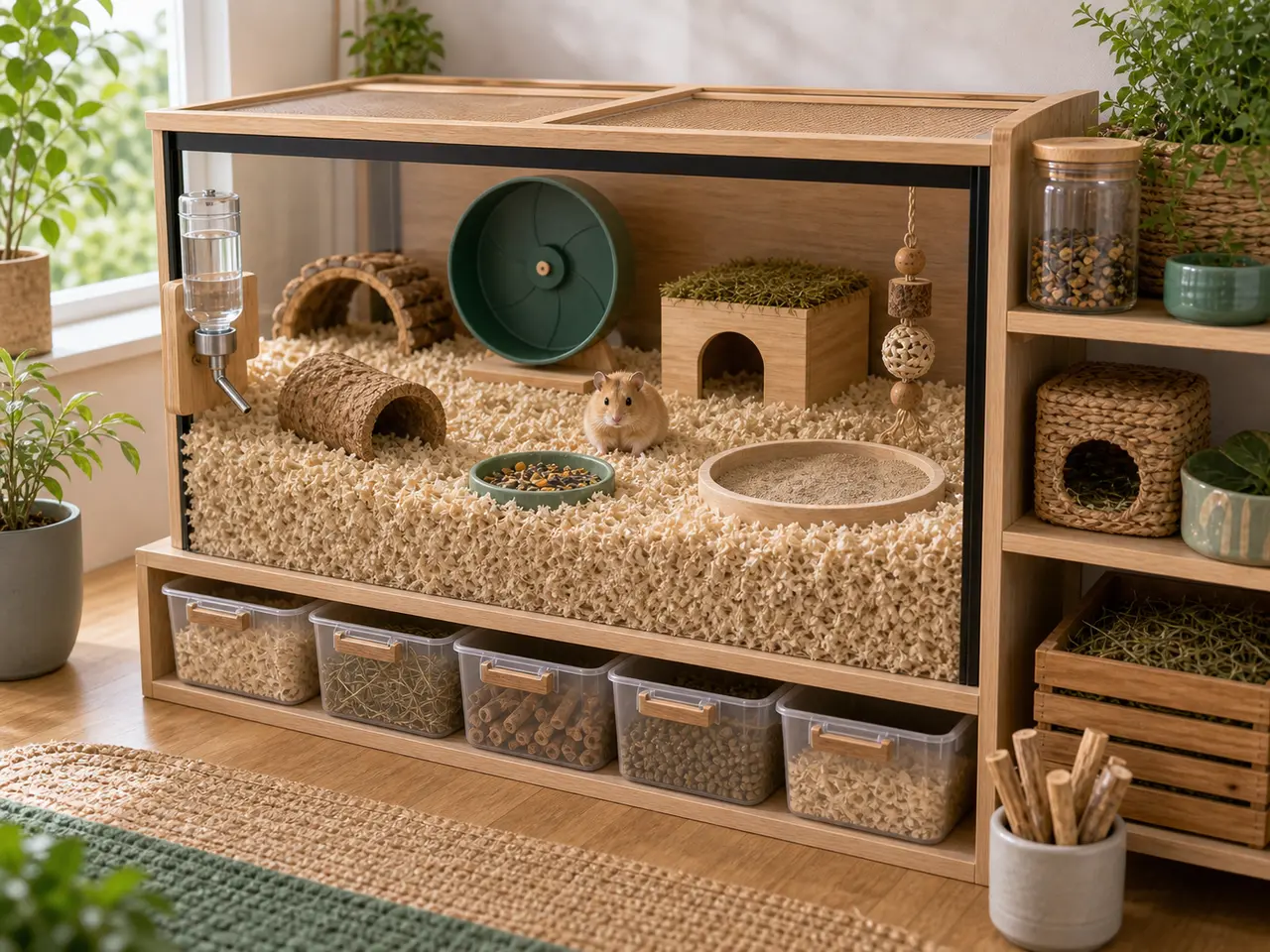
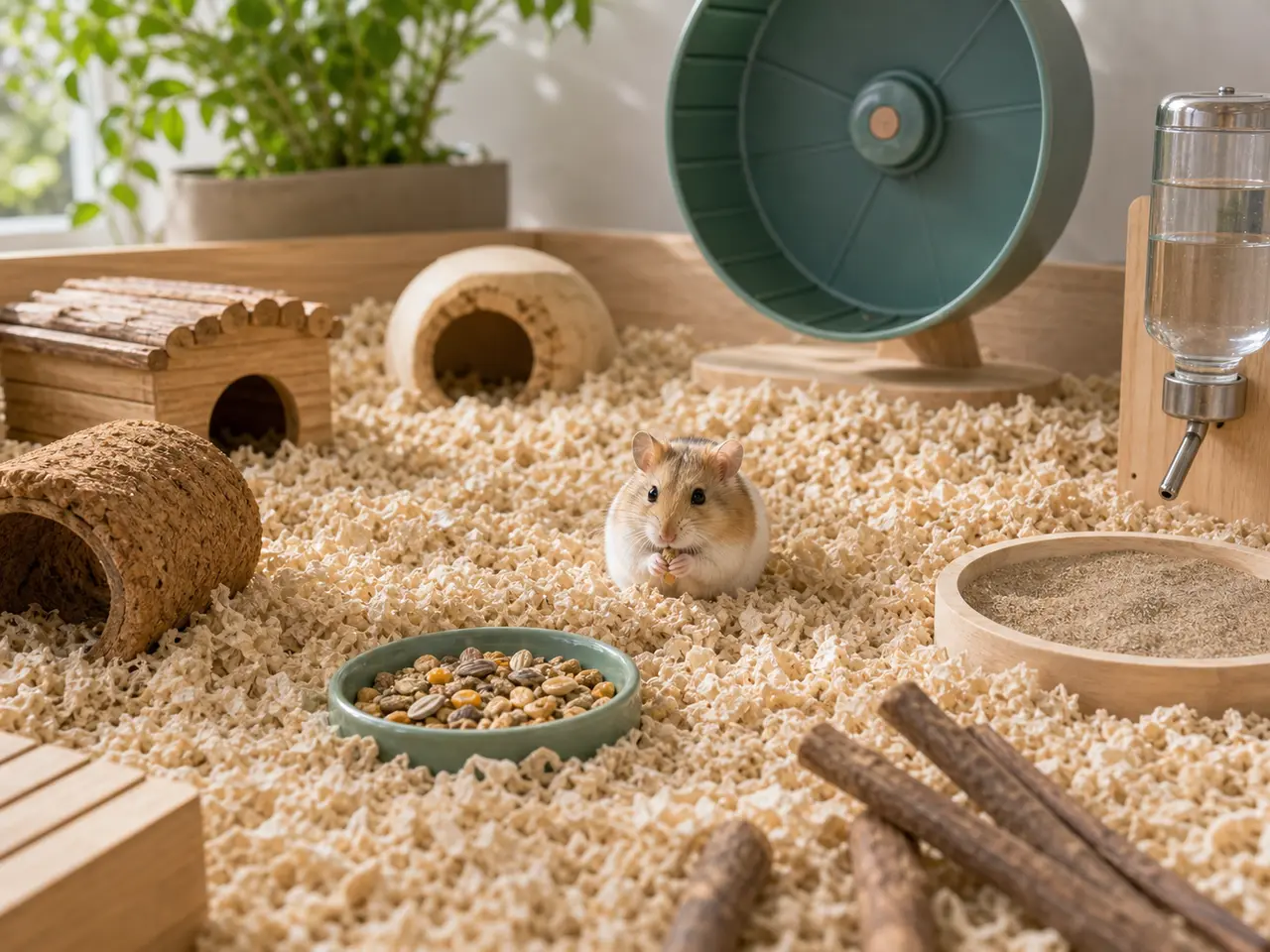
Scatter feeding lets a hamster search and work like a natural forager. Keep some food easy to monitor too, so you can tell whether the hamster is eating or only moving food into a hidden store.
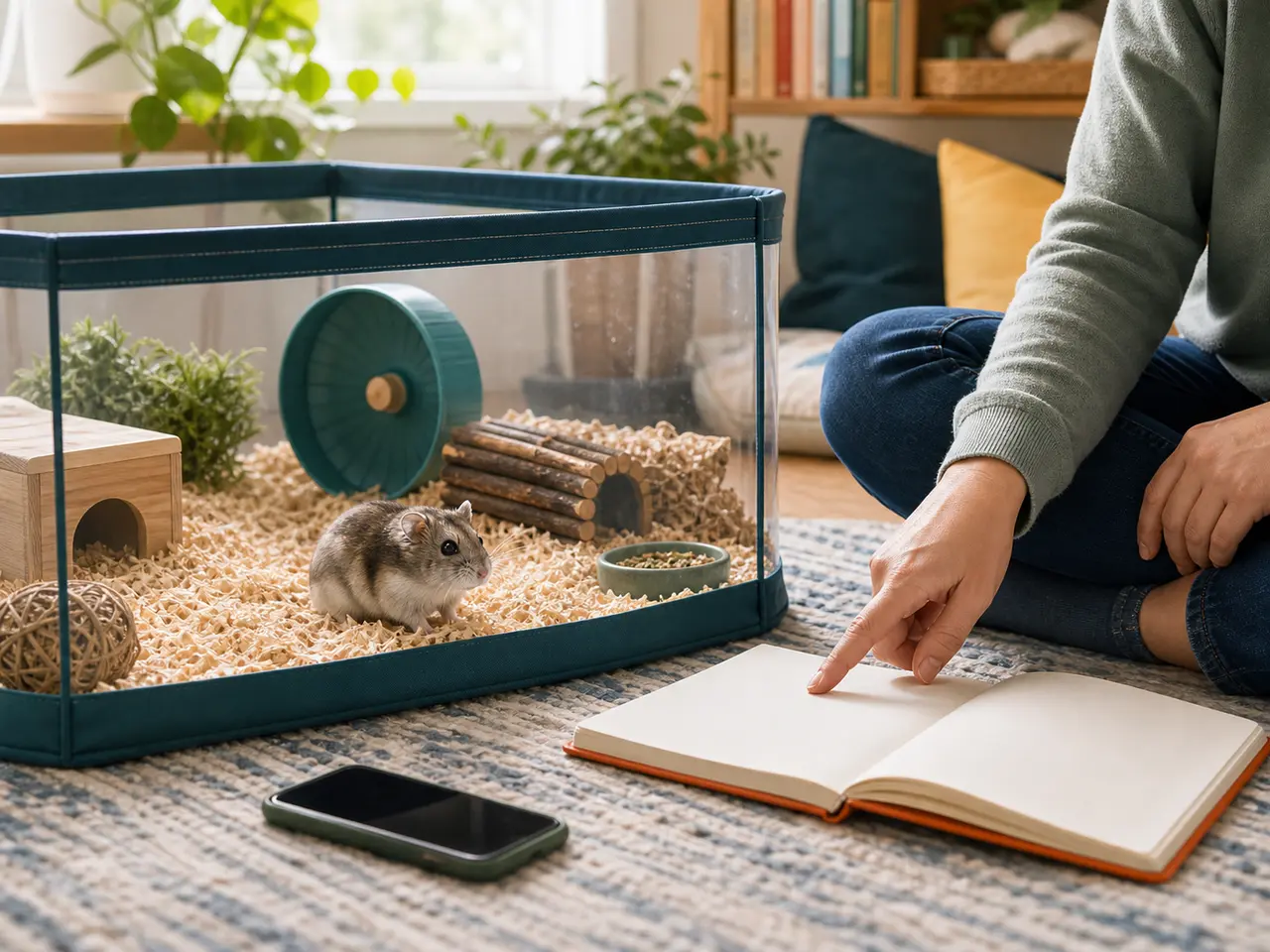
Hamsters store food. That is normal, but wet fresh food, moldy food, or huge stashes need quiet spot checks. Remove spoiled pieces while preserving as much of the burrow structure as you can.
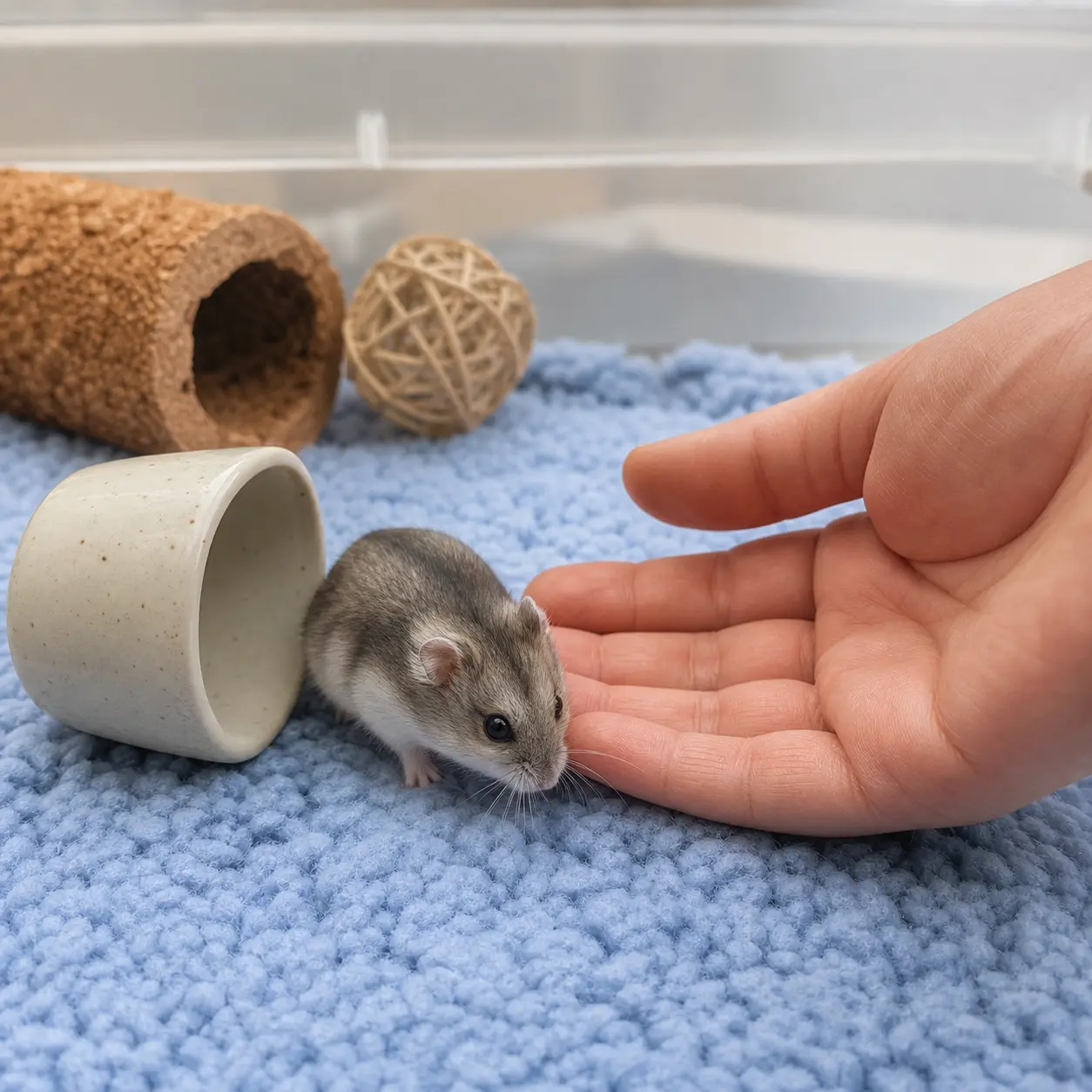
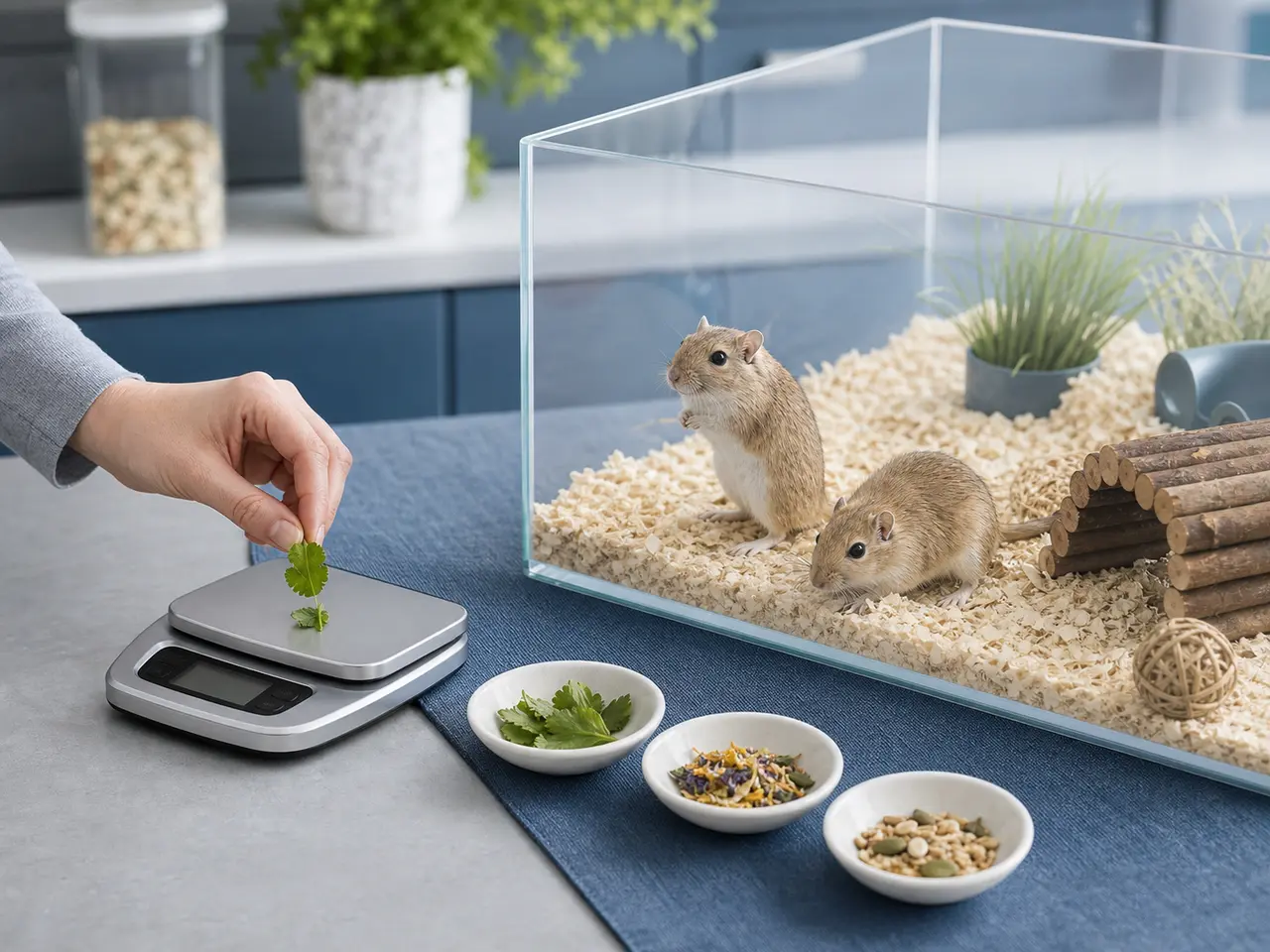
Fresh foods, seeds, grains, and animal-protein treats should be tiny and species-appropriate. Sticky, salty, sugary, seasoned, or processed foods make the diet harder to control.
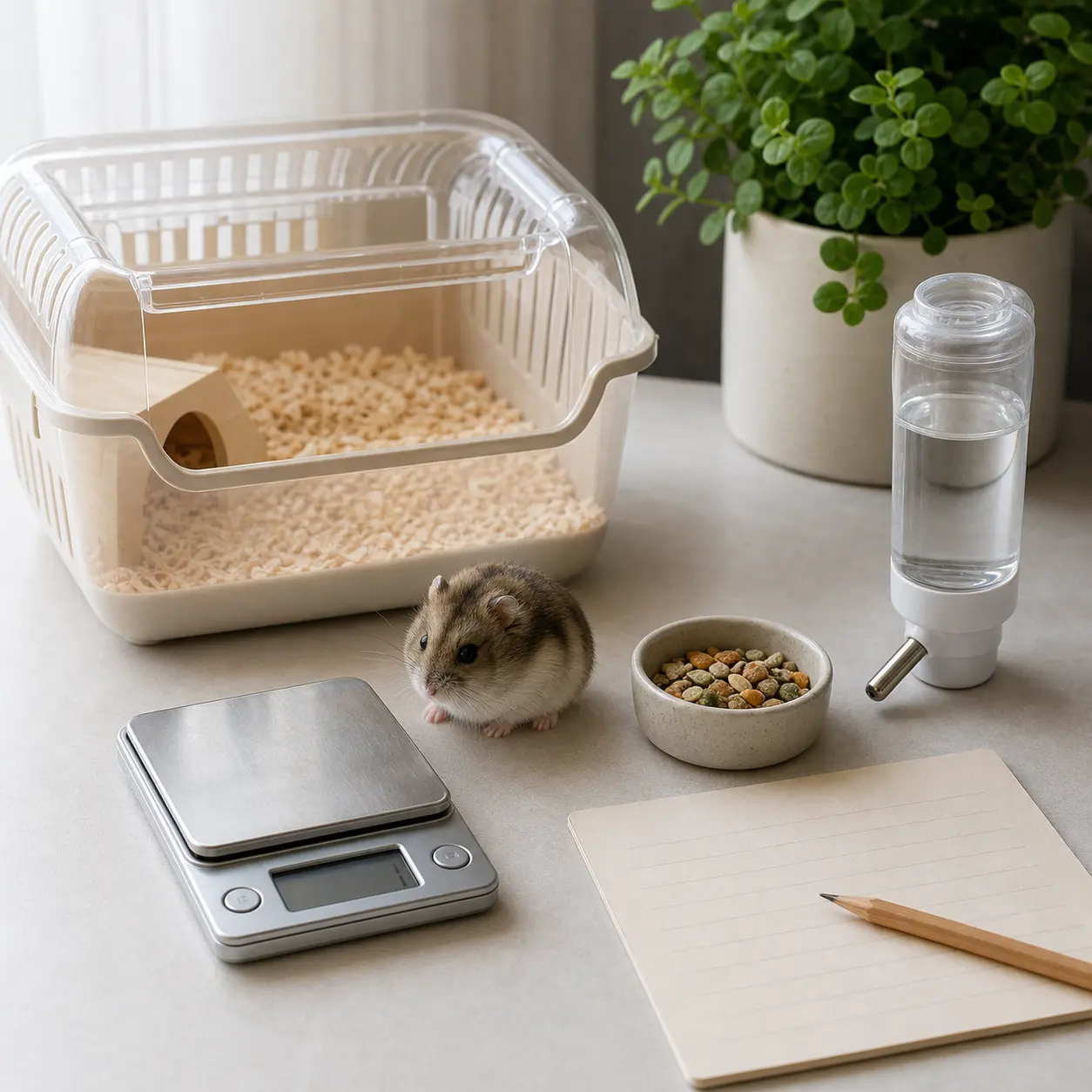
Check the water source every day and watch weight, movement, coat, stool, and appetite. A hamster that looks wet around the tail, stops eating, becomes weak, or breathes oddly needs an exotic-pet veterinarian.
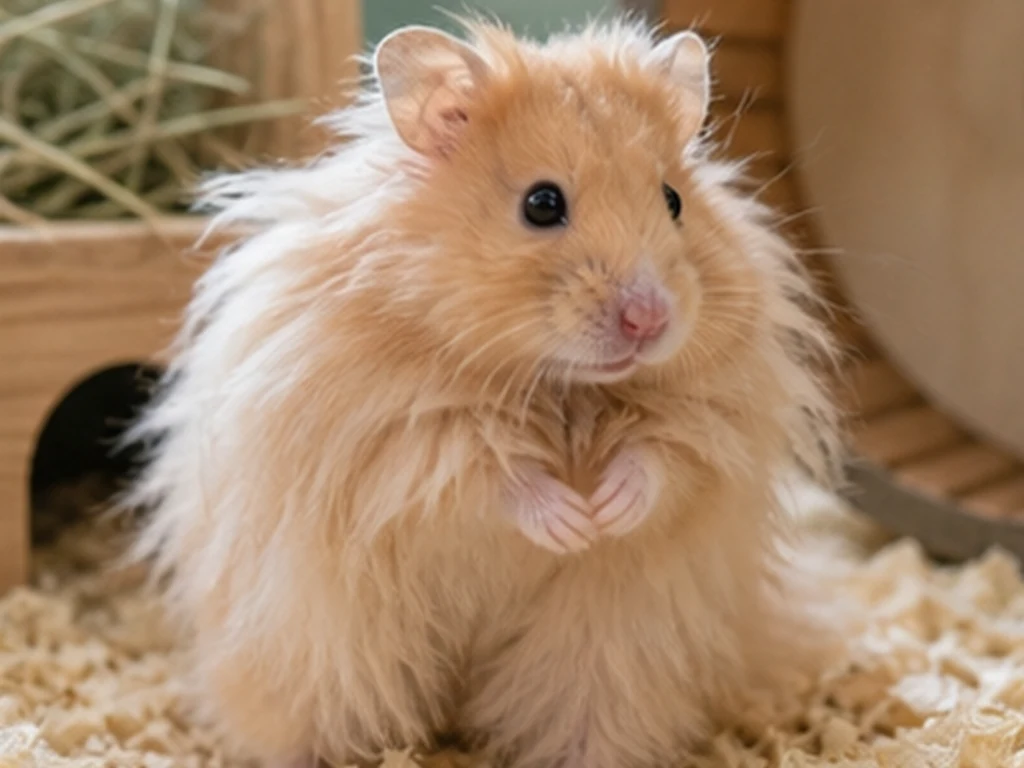
Before offering a new extra, check the food-safety page and keep wet foods out of hoards. Remove anything fresh before it spoils in bedding. Keep the normal staple steady and test one change at a time.
Write notes beside the habitat: portion, water, stool or droppings, weight, cleaning changes, and behavior after the food. If appetite drops, diarrhea appears, breathing changes, or the animal seems painful, call an exotic-pet veterinarian instead of trying another treat.
Optional supplies that support the care routine after the species needs are clear.
Affiliate links: Furball Cove may earn from qualifying purchases at no extra cost to you.
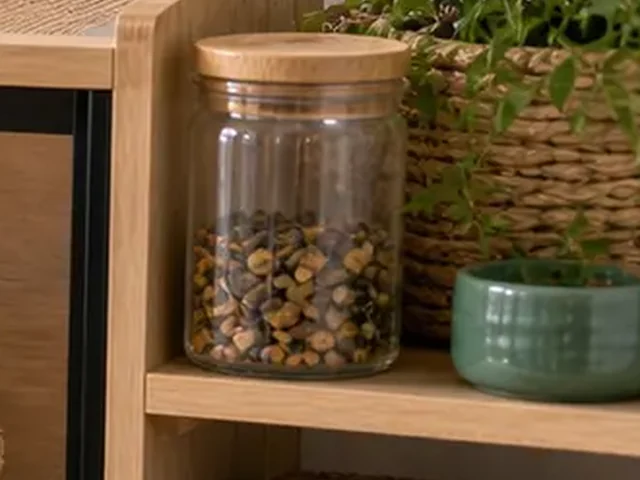
Keeps seed mix sealed, labeled, and easy to portion without overfeeding.
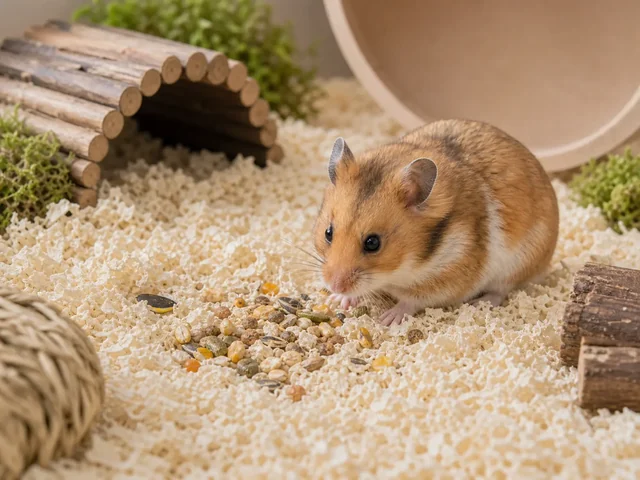
Lets you scatter a measured dry portion through bedding so foraging stays natural and still easy to check.
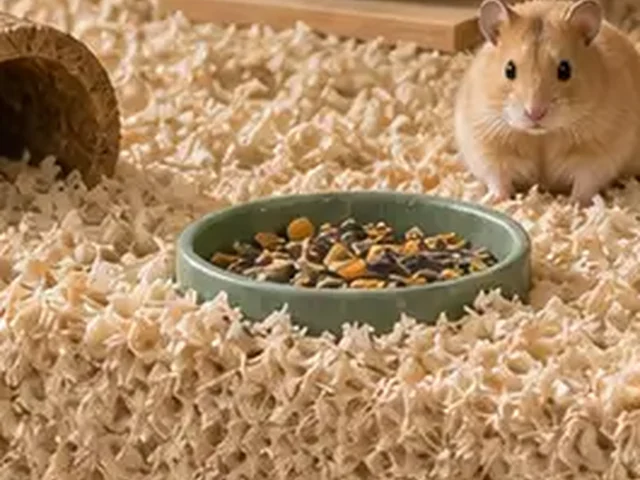
Keeps measured food or fresh extras easy to find before anything wet disappears into a hoard.