

Updated
Breed guide
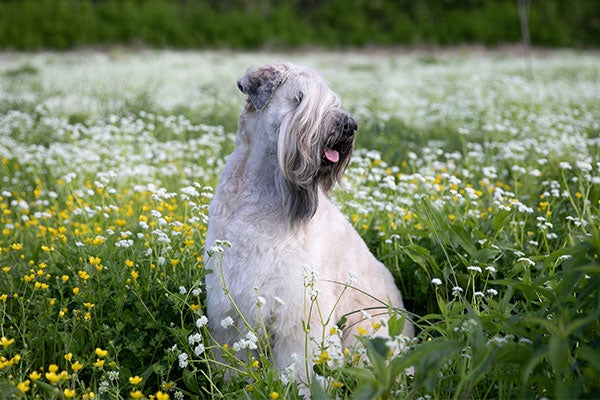
Soft Coated Wheaten Terrier
Life with a Soft Coated Wheaten Terrier is usually more fun when training, play, and boundaries are built into the day.
Energy
Daily movement helps a Soft Coated Wheaten Terrier settle: walks, play, training, and a calm landing afterward.
⚡⚡⚡⚡○
Grooming
Put grooming on the calendar for a Soft Coated Wheaten Terrier, before mats or coat trouble make the job harder.
🧼🧼🧼🧼🧼
Family fit
Soft Coated Wheaten Terrier usually does best with families who keep exercise, manners, and supervision part of everyday life.
🏡🏡🏡🏡🏡
Cuddly
Soft Coated Wheaten Terrier usually wants to be near the family and included in normal home life.
💛💛💛💛💛
Training ease
Soft Coated Wheaten Terrier usually learns quickly when the reward is clear and the lesson feels fair.
🎓🎓🎓🎓○
First-time fit
Soft Coated Wheaten Terrier can work for a first dog owner who is ready for the breed's daily routine.
🌟🌟🌟🌟○
Apartment fit
Apartment life can work for some Soft Coated Wheaten Terrier dogs when exercise, barking, and hallway manners are managed.
🏢🏢🏢○○
Kid-friendly
Soft Coated Wheaten Terrier can do well with kids when play is supervised and the dog gets a quiet escape.
🧸🧸🧸🧸🧸
Shedding
Soft Coated Wheaten Terrier is one of the easier coats for loose hair, but brushing and skin checks still matter.
🍂○○○○
Watchdog
Soft Coated Wheaten Terrier will usually notice changes at home without being a full-time guard dog.
🔔🔔🔔○○
Food needs
Measured meals help a Soft Coated Wheaten Terrier stay lean, which makes exercise and joints easier on the dog.
🥣🥣🥣○○
Intelligence
Soft Coated Wheaten Terrier is usually quick to spot patterns, including the ones you did not mean to teach.
🧠🧠🧠🧠○
Affection
Soft Coated Wheaten Terrier usually bonds closely and likes being part of the household rhythm.
💞💞💞💞💞
Great fit for
- Active families wanting an affectionate medium terrier.
- Owners ready for regular grooming and upbeat training.
- People who like a social, spirited dog with lower shedding.
Think twice if
- The coat is a real commitment even though shedding is low.
- Jumping, greetings, barking, and terrier enthusiasm need training.
- Health questions should include protein-losing conditions and kidneys.
Personality
Soft Coated Wheaten Terrier usually has a bold little engine inside. Keep life fun, give clear rules, and expect some opinions.
Exercise
Plan on daily exercise and a little brain work. Soft Coated Wheaten Terrier is much easier to live with after the body and mind have both had something useful to do.
Training
Training usually goes well when you reward the right choice quickly. Soft Coated Wheaten Terrier can learn fast, so be just as careful about the habits you accidentally reward.
Grooming
Coat care is part of owning a Soft Coated Wheaten Terrier. Brush on a schedule, check ears and nails, and budget for professional grooming when the coat calls for it.
Food
Measured meals matter. Keeping a Soft Coated Wheaten Terrier lean protects joints, stamina, and everyday comfort.
Health
Use a careful breeder or rescue, a sensible vet plan, and steady weight control. Most concerns are easier to manage when you catch changes early.
Useful gear
Affiliate links: Furball Cove may earn from qualifying purchases at no extra cost to you.
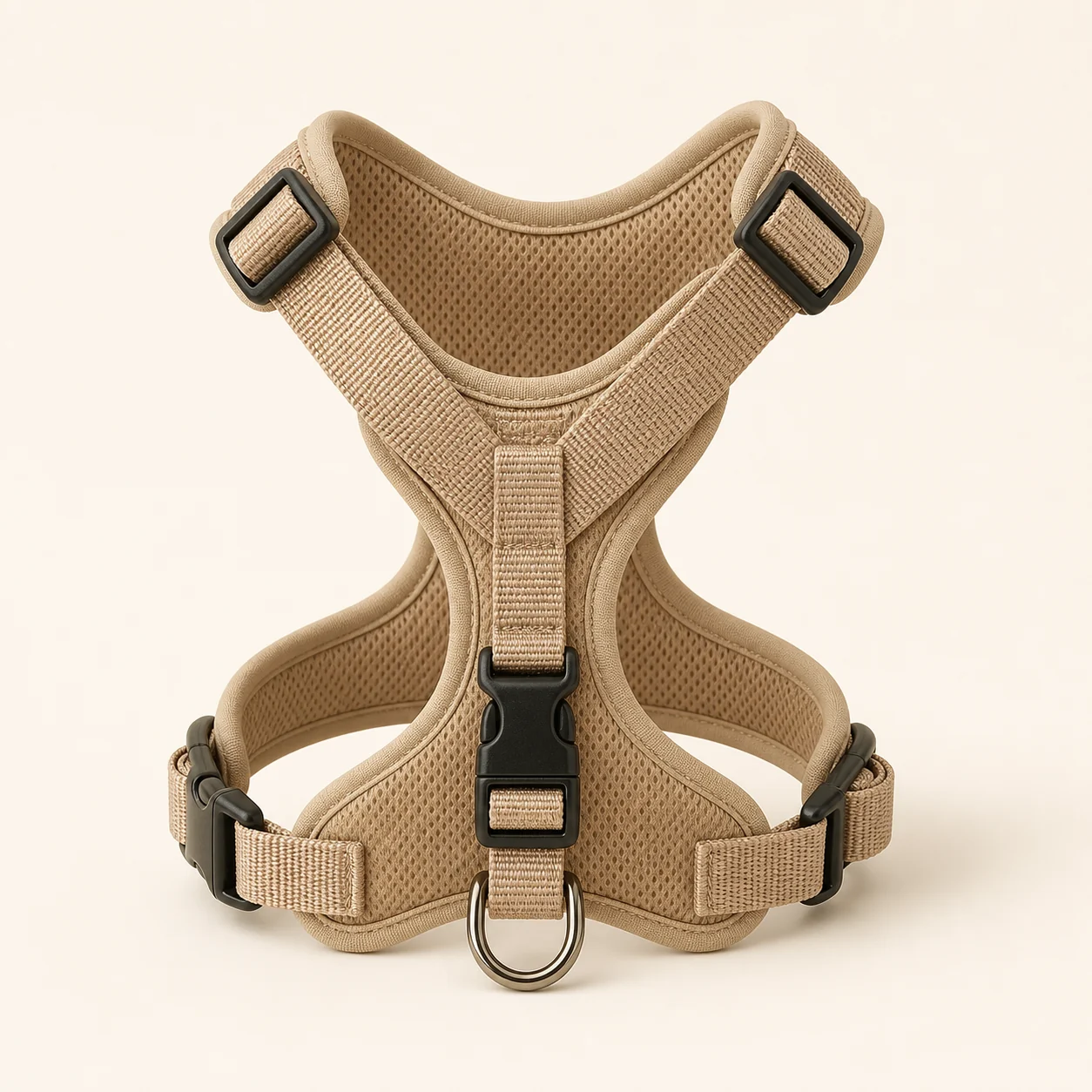
Small harness
A smart walking setup for a Soft Coated Wheaten Terrier with forward drive. It gives you more control without making walks feel harsh.
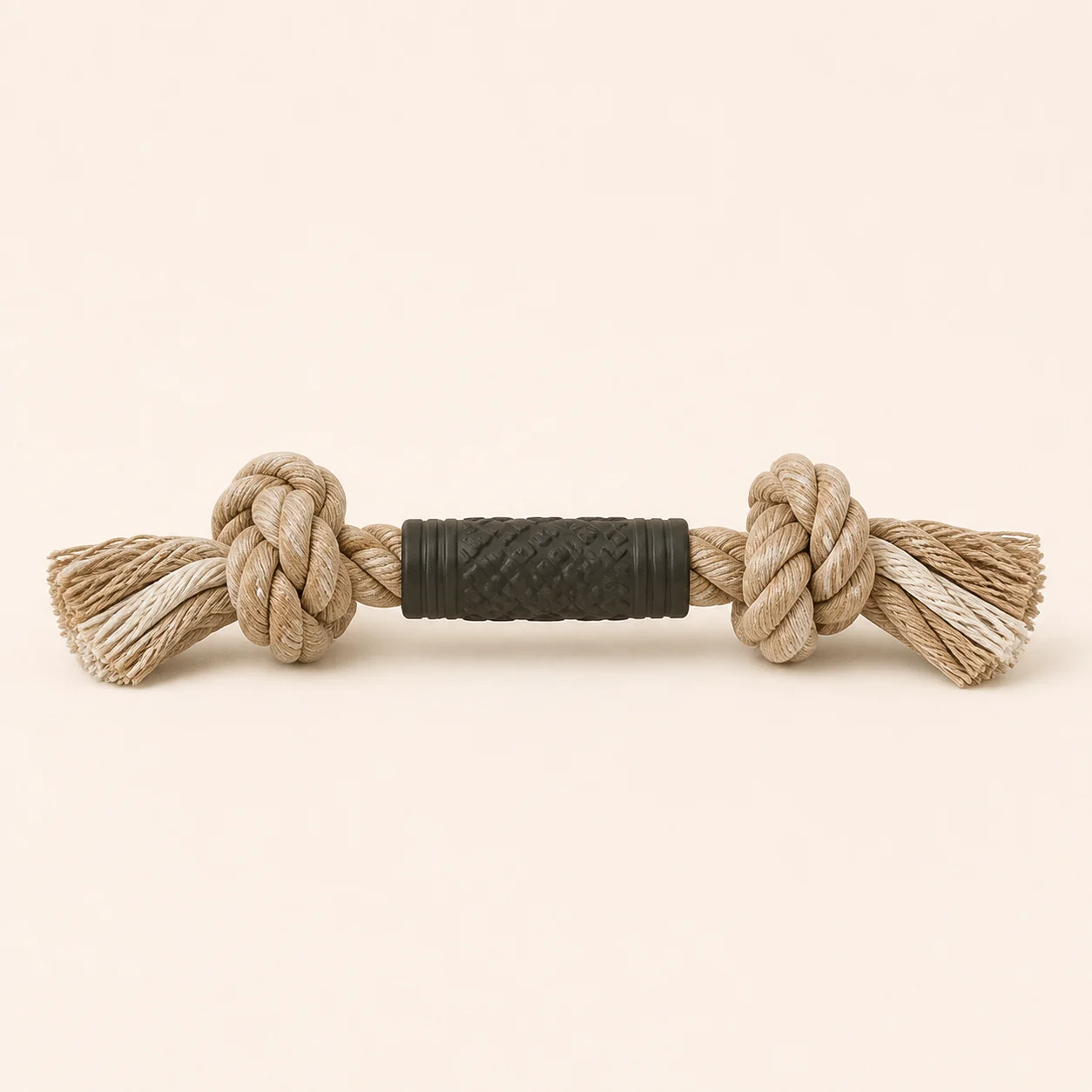
Tug toy
A useful outlet for a Soft Coated Wheaten Terrier that needs something legal to chew, carry, or work on during quiet time.
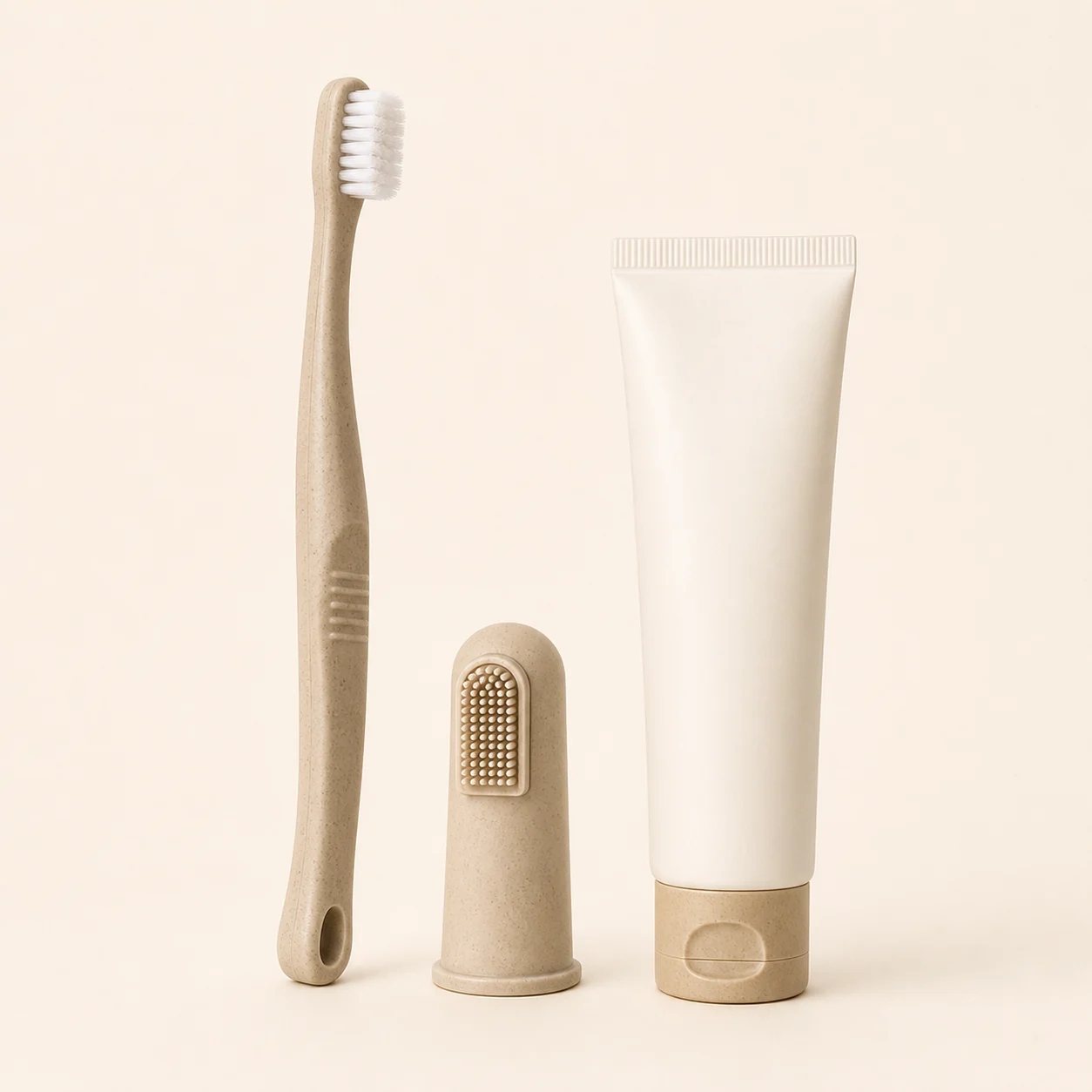
Dog toothbrush kit
An easy win for a Soft Coated Wheaten Terrier. Dental care is easier when the brush and paste are already in the routine.
Soft Coated Wheaten Terrier FAQ
Is a Soft Coated Wheaten Terrier a good family dog?
Often, yes, when the daily routine fits the dog. For this breed, the short version is: very good in active homes. Training, supervision, and enough exercise still matter.
Does a Soft Coated Wheaten Terrier shed?
Low. Brush on a routine that matches the coat instead of waiting until the house tells you it is time.
How much exercise does a Soft Coated Wheaten Terrier need?
Daily walks, play, and training. Most dogs do best when walks, play, and a little training are part of the same daily rhythm.
Related dogs
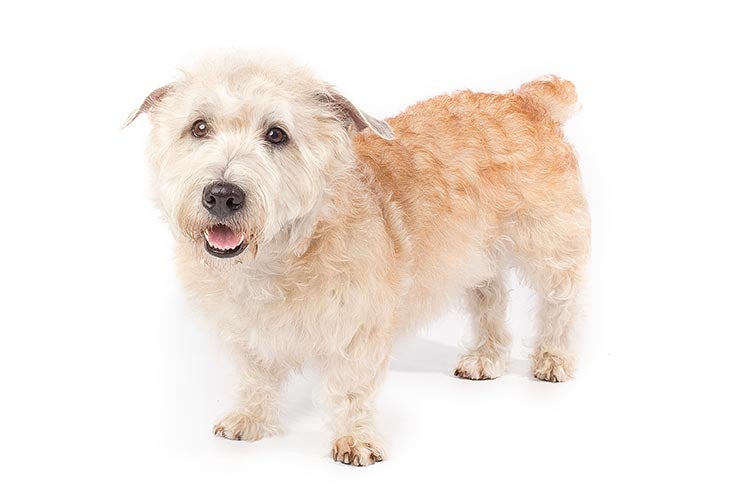
Glen of Imaal Terrier
Compare this small to medium dog if you like a related breed type but want to weigh daily care and temperament.
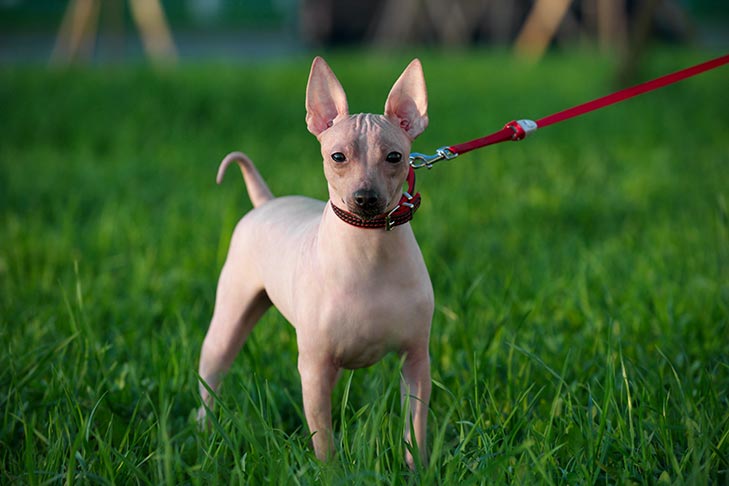
American Hairless Terrier
Compare this small to medium dog if you like a related breed type but want to weigh daily care and temperament.

Wire Fox Terrier
Compare this small dog if you like a related breed type but want to weigh daily care and temperament.

Teddy Roosevelt Terrier
Compare this small dog if you like a related breed type but want to weigh daily care and temperament.