Updated
Dog trick guide
Teach Your Dog Paw / Shake
Paw is a sweet little handshake trick, but the real win is teaching your dog to offer a gentle paw and stay relaxed while they do it.
Make it feel like a game, not a drill. A few happy reps on the living room floor are plenty.
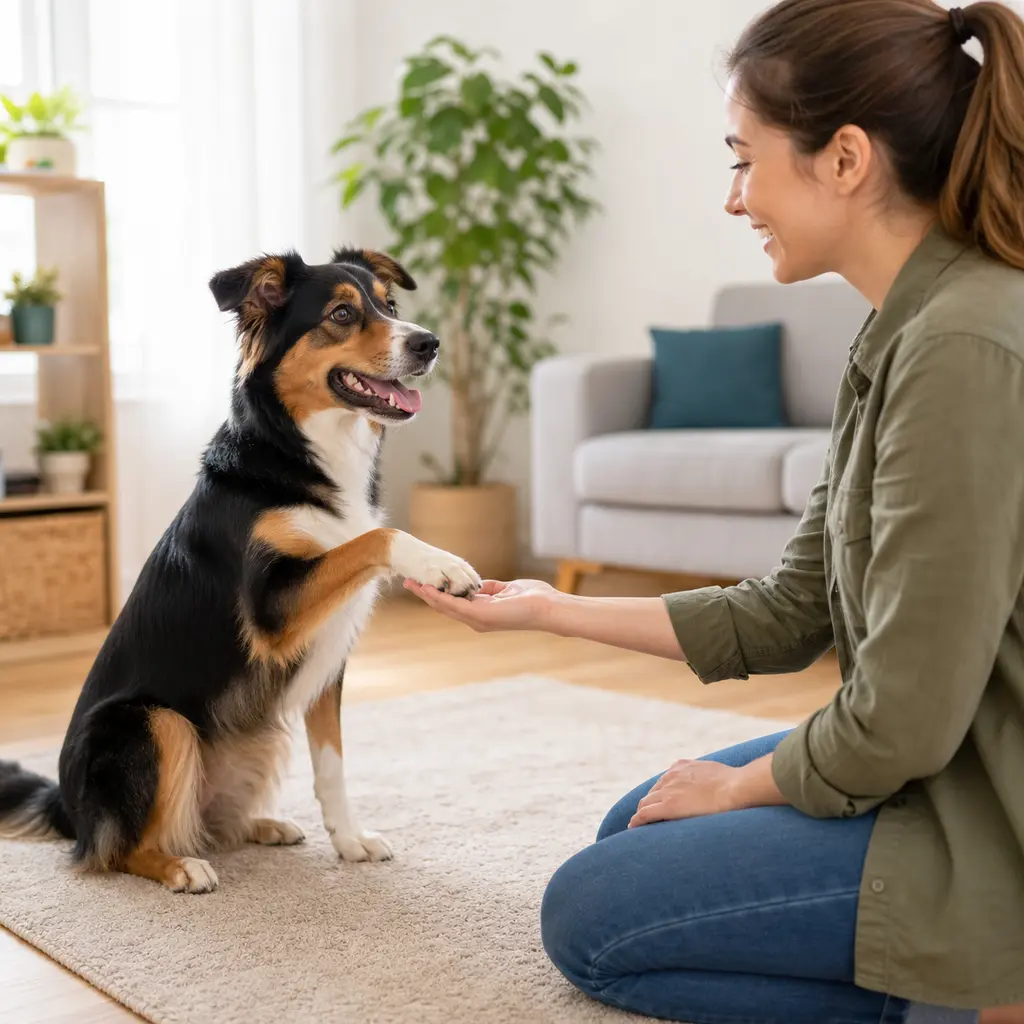
Some dogs figure out paw almost by accident. They sniff your hand, try a little tap, and suddenly everyone in the room melts. That is exactly the feeling you want to keep.
The trick works best when you reward the soft, thoughtful version from the beginning. If your dog starts batting at you like a slot machine, slow down, reset, and pay only for the gentle paw.
Great for
- Friendly dogs who enjoy attention and food rewards.
- Puppies learning that calm behavior can be fun.
- Family dogs who need a cute first trick kids can help practice.
- Dogs who can sit comfortably for a few seconds.
Wait a bit if
- Your dog has a sore paw, nail pain, or a fresh injury.
- Food makes your dog jumpy, mouthy, or frantic right now.
- Your dog is worried about having their feet touched.
Set up the first wins
Settle in close
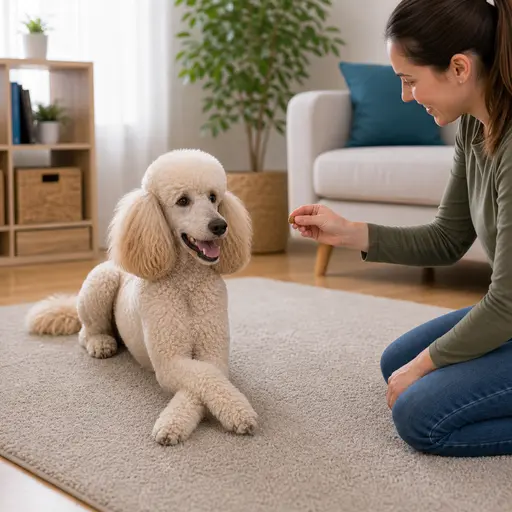
Sit on the floor or a low chair with your dog in front of you. Ask for a sit, reward once, and let the room feel quiet before you start.
Let your dog guess
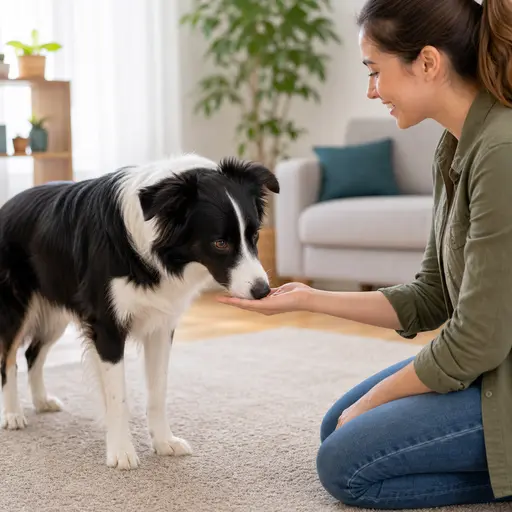
Hold a tiny treat in a closed fist near your dog's chest. Most dogs will sniff first, then try a paw. The first little lift counts.
Celebrate the soft paw
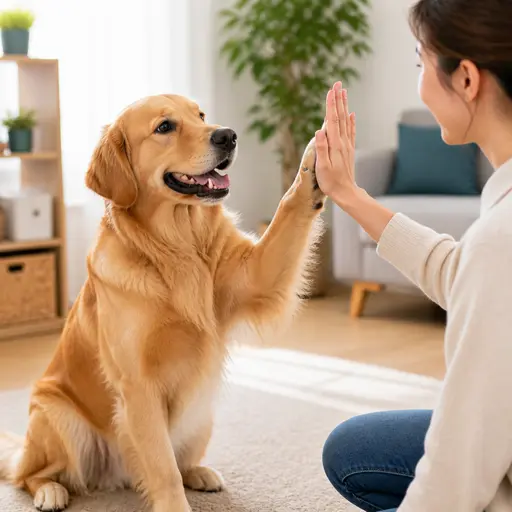
As soon as the paw lifts or touches your hand, say yes or click, then give the treat. Keep your praise warm, but not so exciting that your dog pops up.
Switch to an open hand
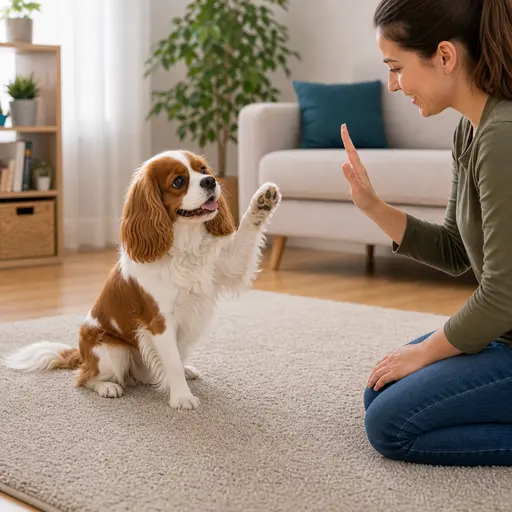
Once your dog is tapping the treat hand, offer an empty open palm. Reward from your other hand so the paw touch becomes the point of the game.
Add the cue
When the paw is coming easily, say paw or shake right before your hand appears. Use one cue for now so your dog does not have to guess.
Keep the manners
Reward soft touches. If nails come out or your dog gets grabby, pause, ask for sit, and wait for the calmer version before the next treat.
Little things that help
No paw yet?
Wait a beat longer before helping. Many dogs need a moment to try something new, and that first tiny paw lift is gold.
Too much enthusiasm?
Use smaller treats, slower hands, and fewer reps. Paw should feel like a polite hello, not a wrestling match.
Teaching with kids
Let an adult handle the food at first. Once the dog understands the trick, kids can ask for paw and give the happy praise.
Helpful little extras
Affiliate links: Furball Cove may earn from qualifying purchases at no extra cost to you.
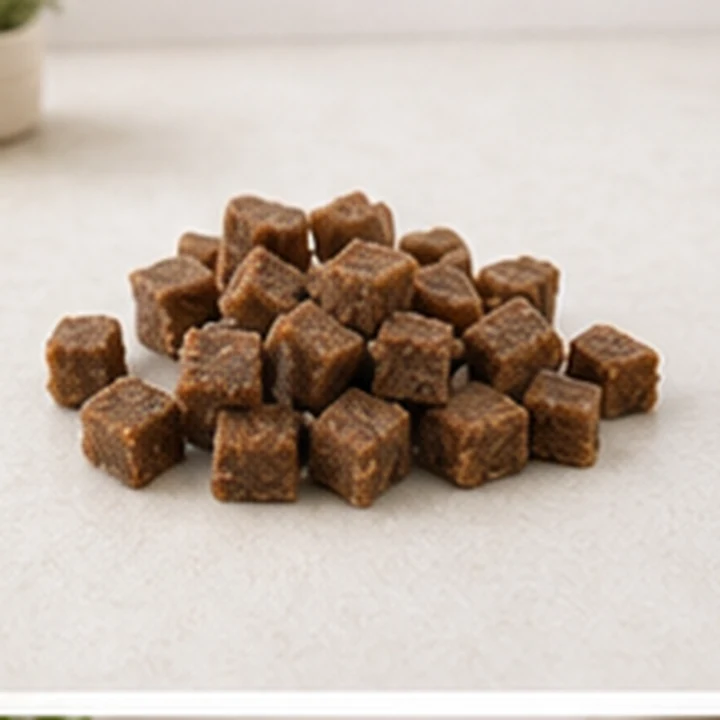
Soft training treats
For Paw / Shake, use tiny soft treats so you can reward the lightest paw lift before your dog starts swatting.
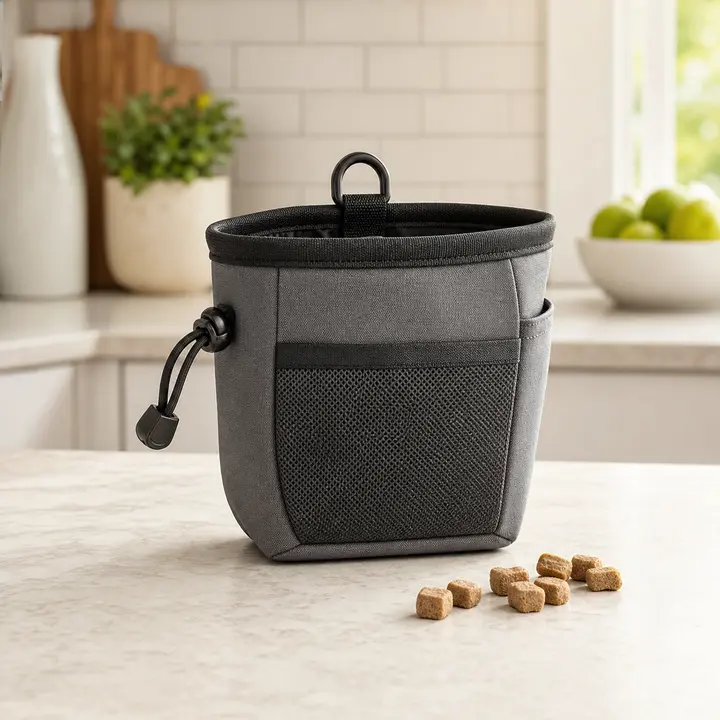
Treat pouch
A pouch keeps rewards ready so you can catch the exact moment that polite paw lands in your hand.
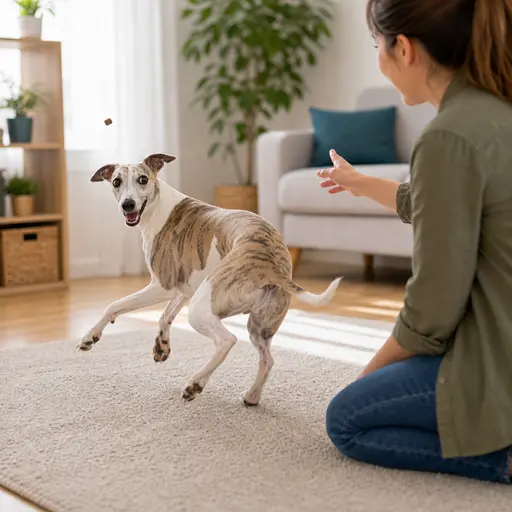
Training clicker
Optional, but handy. A clicker can mark that first tiny paw lift before your dog has time to wonder what worked.
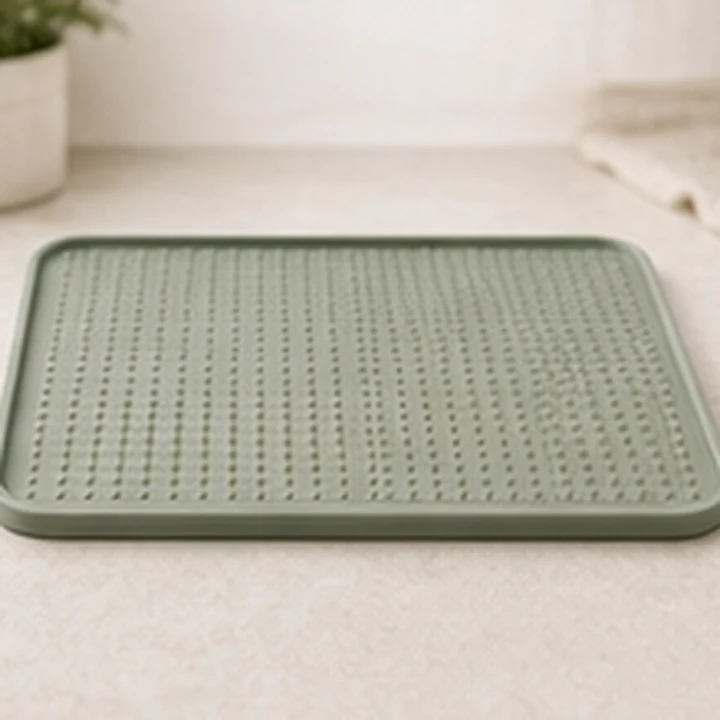
Non-slip mat
A grippy mat helps puppies, seniors, and small dogs sit steady while they learn to offer a paw.
Questions people ask
Should I pick up my dog's paw to teach shake?
Try not to. Most dogs learn more happily when they discover the paw movement themselves. You can make it easier with your hand position, but let your dog do the lifting.
How long does paw take to teach?
Plenty of dogs understand the idea in one or two short sessions. The polite version can take a few more days, and that is the version worth building.
What if my dog scratches me?
Do not reward the scratchy reps. Pause, ask for sit, and reward the next softer touch. Calm timing fixes this better than a big correction.