

Updated
Breed guide
Tornjak
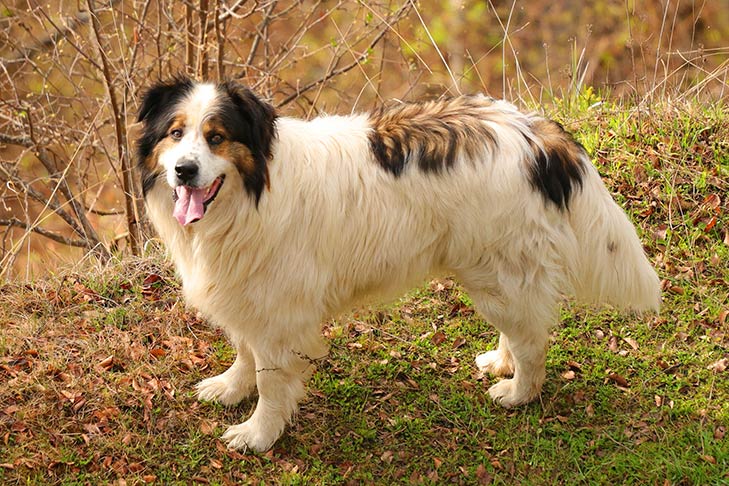
Life with a Tornjak works best when exercise, training, grooming, and quiet time match the individual dog.
Energy
A normal day with a Tornjak should include walking, play, and sniffing so the dog can relax afterward.
⚡⚡⚡○○
Grooming
Put grooming on the calendar for a Tornjak, before mats or coat trouble make the job harder.
🧼🧼🧼🧼🧼
Family fit
Tornjak usually does best with families who keep exercise, manners, and supervision part of everyday life.
🏡🏡🏡🏡○
Cuddly
Tornjak can be affectionate while still needing personal space and a predictable home rhythm.
💛💛💛○○
Training ease
Tornjak can learn plenty, but short sessions and patience matter more than pressure.
🎓🎓🎓○○
First-time fit
Tornjak may feel smoother for someone comfortable with dog training, structure, and patient follow-through.
🌟🌟🌟○○
Apartment fit
Tornjak is usually happier with more room, more routine, and fewer close-neighbor surprises.
🏢🏢🏢○○
Kid-friendly
Tornjak can do well with kids when play is supervised and the dog gets a quiet escape.
🧸🧸🧸○○
Shedding
Expect real loose hair from a Tornjak. A brush and a simple cleanup routine are part of life.
🍂🍂🍂🍂🍂
Watchdog
Tornjak usually notices visitors fast, so early manners around doors and guests help a lot.
🔔🔔🔔🔔🔔
Food needs
Measured meals help a Tornjak stay lean, which makes exercise and joints easier on the dog.
🥣🥣🥣○○
Intelligence
Tornjak often learns best when the lesson connects to the dog's real instincts and daily routine.
🧠🧠🧠○○
Affection
Tornjak often shows affection through trust, routine, and choosing to stay nearby.
💞💞💞○○
Great fit for
- Experienced guardian-dog homes with space and structure.
- People who need a serious livestock or property guardian.
- Owners ready for coat care, visitor management, and calm boundaries.
Think twice if
- Poor fit for most apartments and casual homes.
- Guardian instincts need careful socialization and management.
- The long coat and winter undercoat require real grooming.
Personality
Tornjak is easiest to enjoy when the day fits the breed's pace, instincts, coat care, and need for downtime.
Exercise
A steady daily walk plus some play or training usually keeps Tornjak in a good place.
Training
Keep lessons short and practical. Tornjak may not love drilling the same thing over and over, but clear rewards and patience go a long way.
Grooming
Coat care is part of owning a Tornjak. Brush on a schedule, check ears and nails, and budget for professional grooming when the coat calls for it.
Food
Measured meals matter. Keeping a Tornjak lean protects joints, stamina, and everyday comfort.
Health
Keep growth, joints, weight, and conditioning in mind. A lean, well-muscled Tornjak is usually a happier dog, and your vet can help you plan the right pace.
Useful gear
Affiliate links: Furball Cove may earn from qualifying purchases at no extra cost to you.
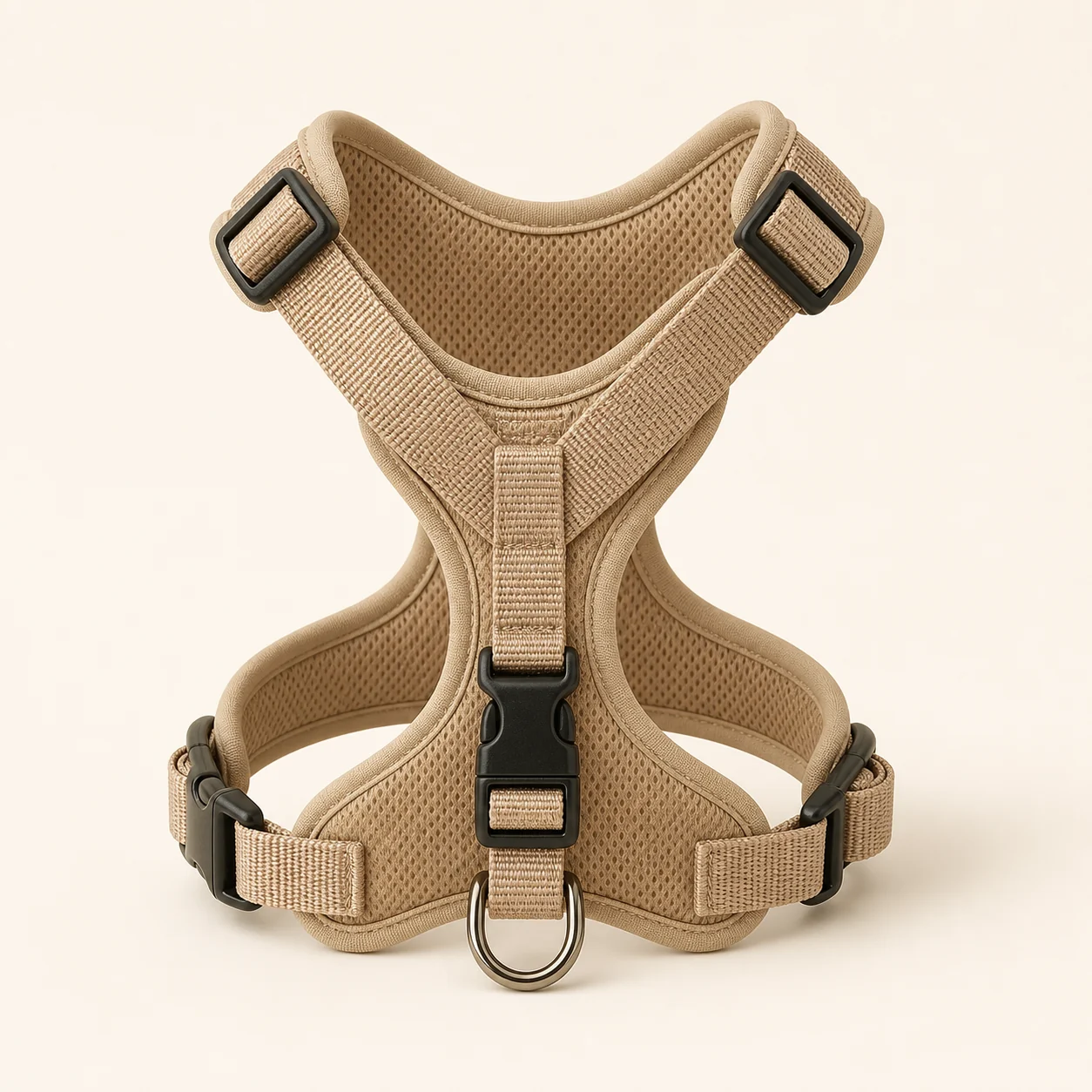
Front-clip harness
A comfortable harness helps a Tornjak walk politely without pressure on the neck.
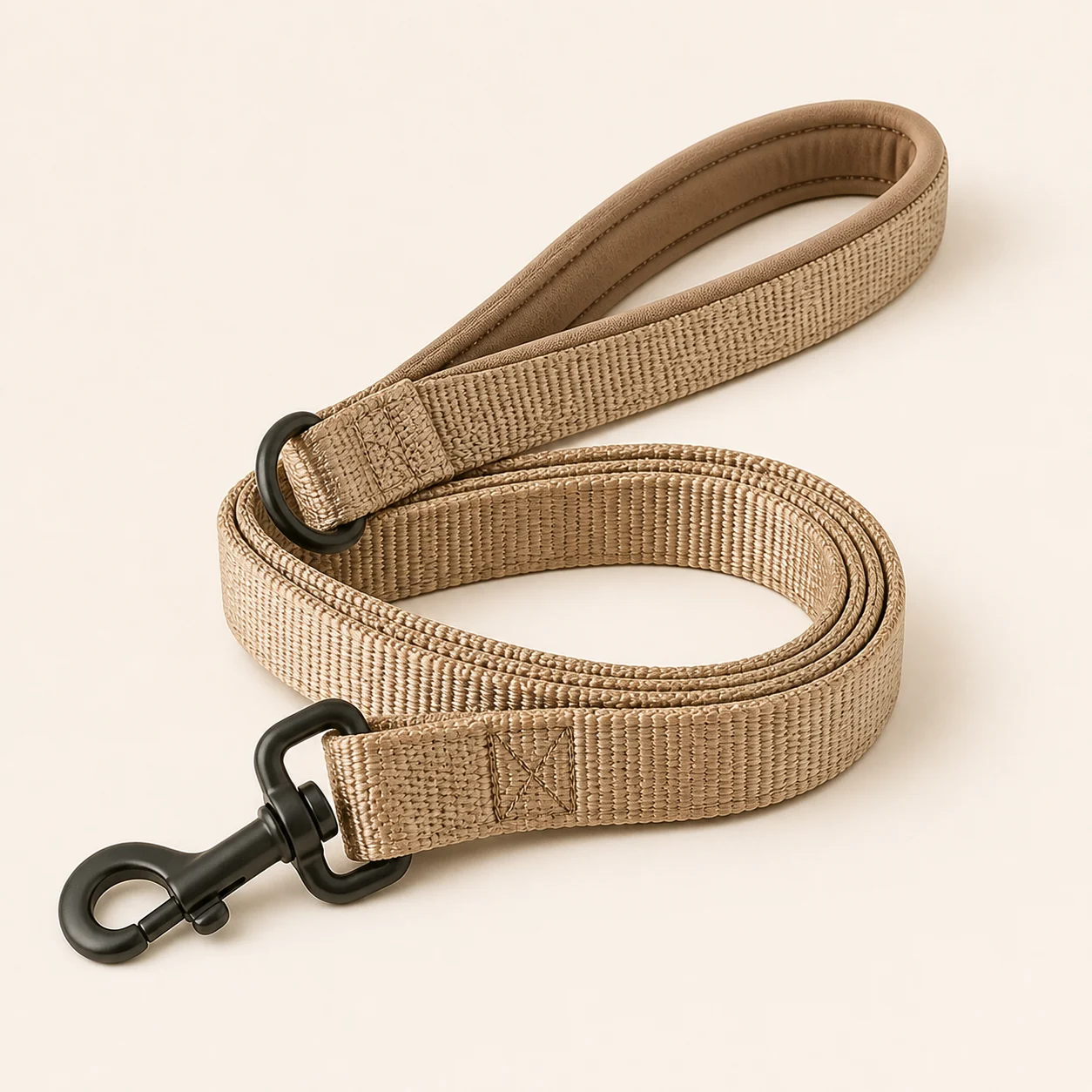
Heavy-duty leash
Worth having for a Tornjak, especially when excitement, strength, or sniffing makes a flimsy leash feel silly.
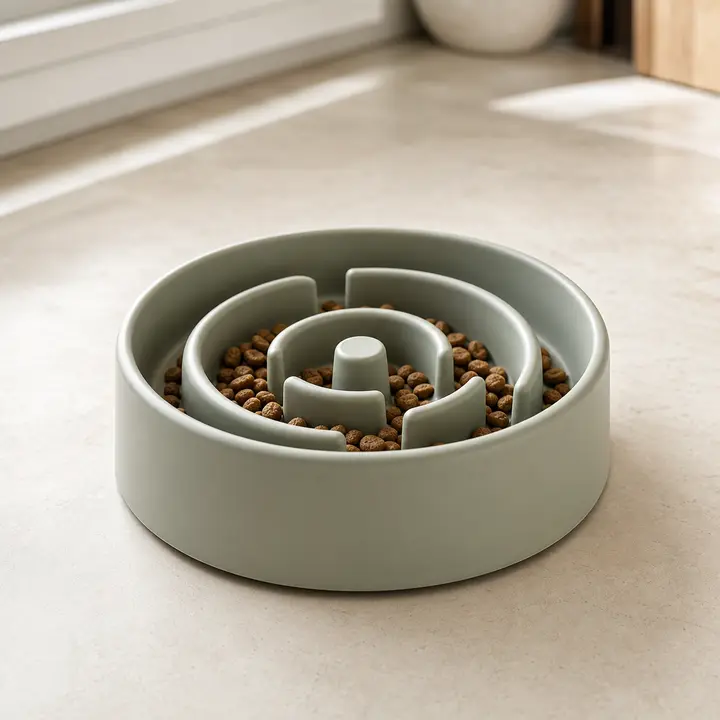
Slow feeder bowl
A smart pick for a food-motivated Tornjak. Slower meals help with manners, weight, and calmer dinners.
Tornjak FAQ
Is a Tornjak a good family dog?
Often, yes, when the daily routine fits the dog. For this breed, the short version is: good only with experienced guardian-dog structure. Training, supervision, and enough exercise still matter.
Does a Tornjak shed?
High seasonal shedding. Brush on a routine that matches the coat instead of waiting until the house tells you it is time.
How much exercise does a Tornjak need?
Steady daily movement and property time. Most dogs do best when walks, play, and a little training are part of the same daily rhythm.
Related dogs

Barbado da Terceira
Compare this medium to large dog if you like a related breed type but want to weigh daily care and temperament.
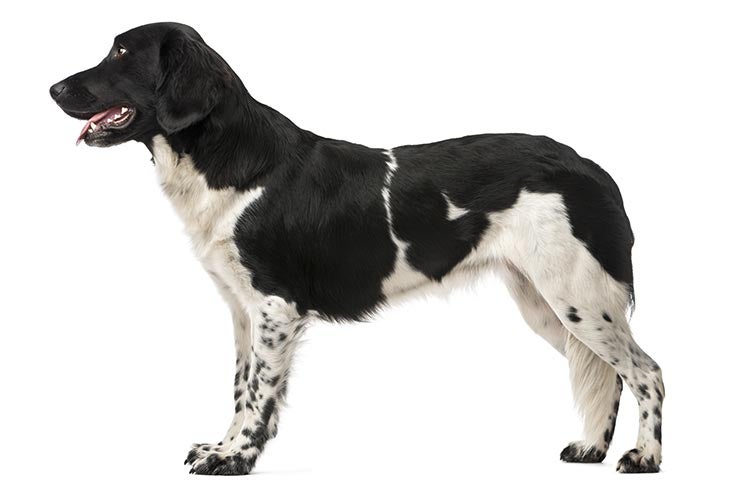
Stabyhoun
Compare this medium dog if you like a related breed type but want to weigh daily care and temperament.
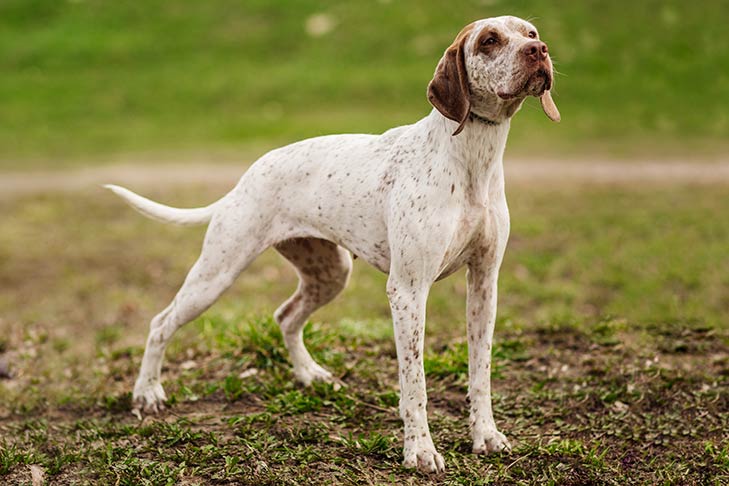
Braque du Bourbonnais
Compare this medium dog if you like a related breed type but want to weigh daily care and temperament.
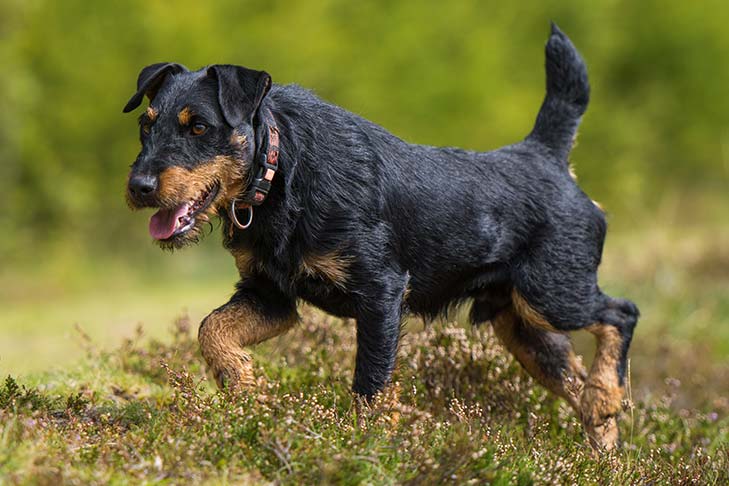
German Hunting Terrier
Compare this small dog if you like a related breed type but want to weigh daily care and temperament.