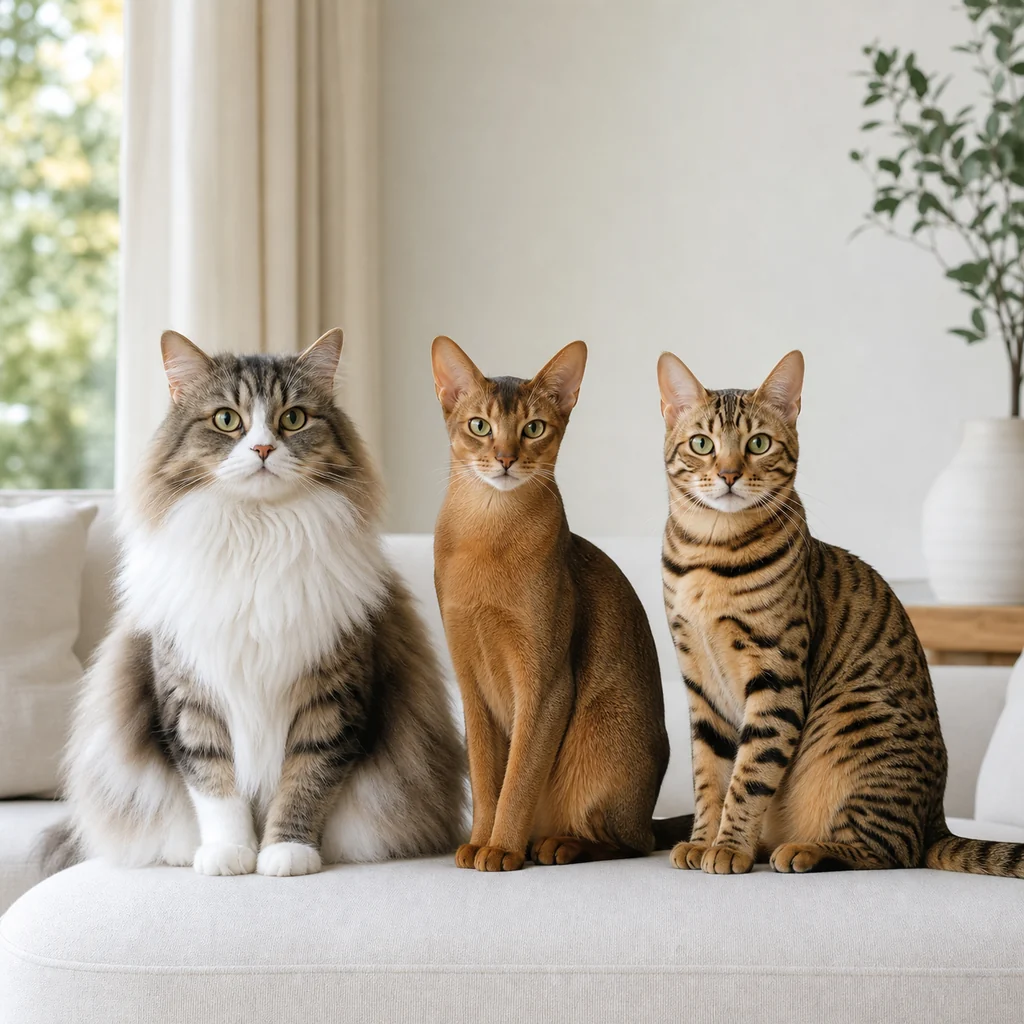
What the name really means
Tortoiseshell cats usually have mixed black, orange, cream, or red tones without the big white patches of many calicos.
Updated
Choosing a cat
Tortoiseshell is a coat pattern, not a guarantee of bold attitude.
People joke about tortie personality, but Furball Cove treats the individual cat as the evidence. The coat is only the starting photo.
Tortoiseshell cats usually have mixed black, orange, cream, or red tones without the big white patches of many calicos.
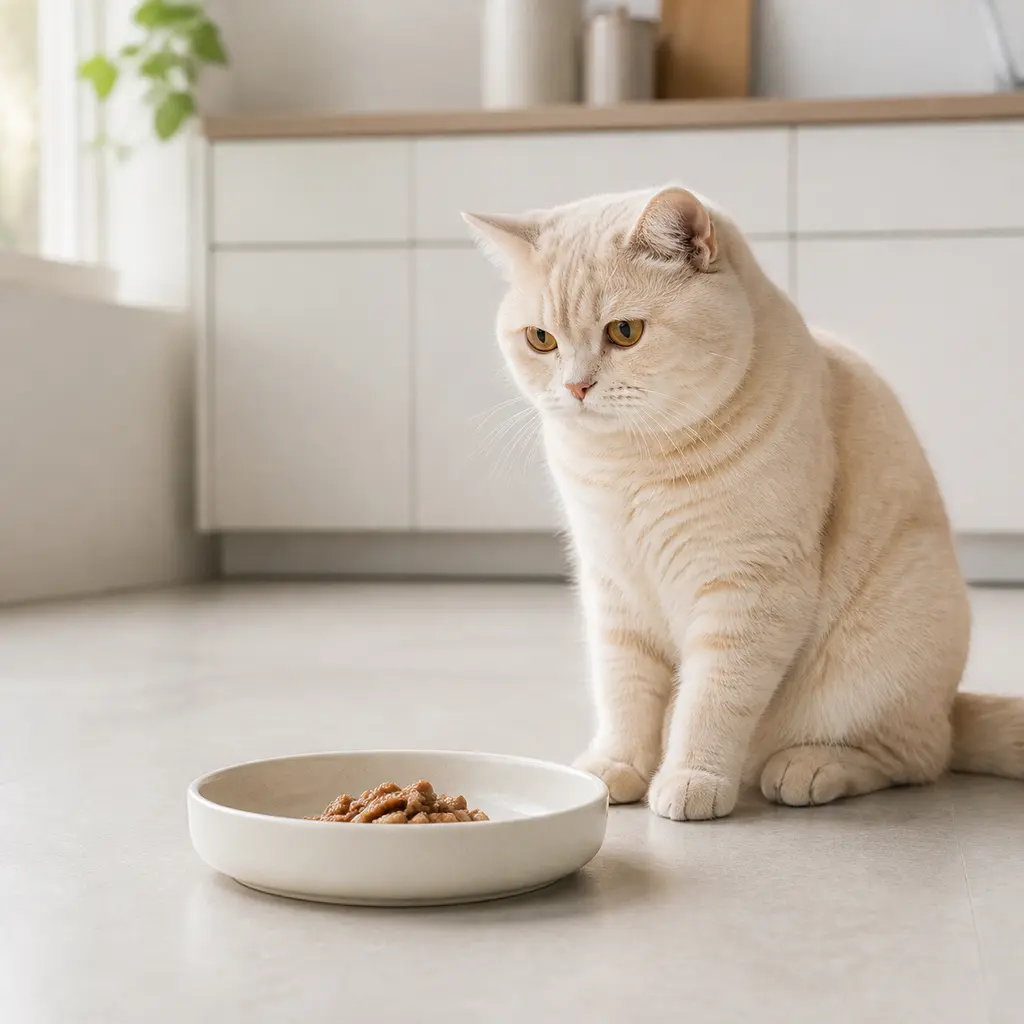
Some torties are spicy, some are shy, some are lap cats, and some want routine more than drama. Watch how this cat handles hands, noise, food, and retreat space.
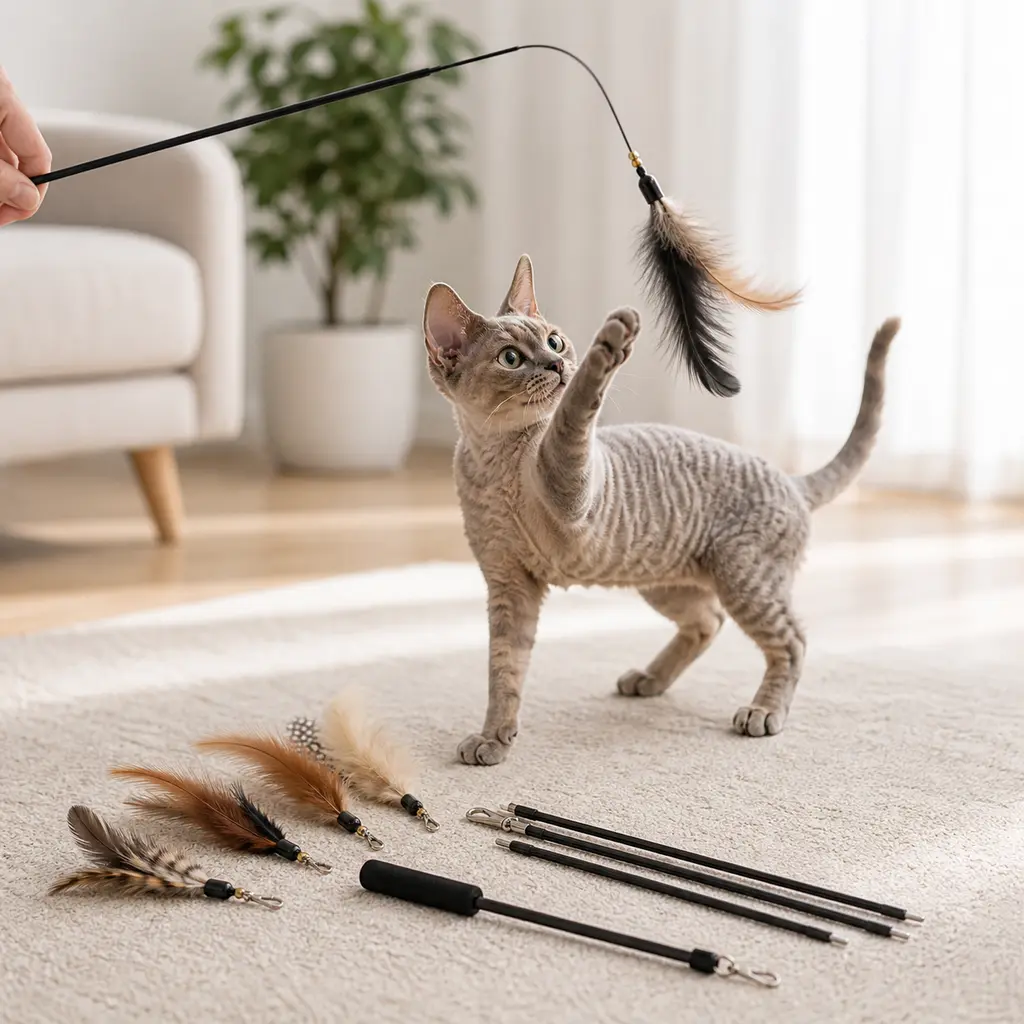
Ask about triggers, favorite play, petting limits, other pets, and whether the cat gives clear warning signs before swatting or leaving.
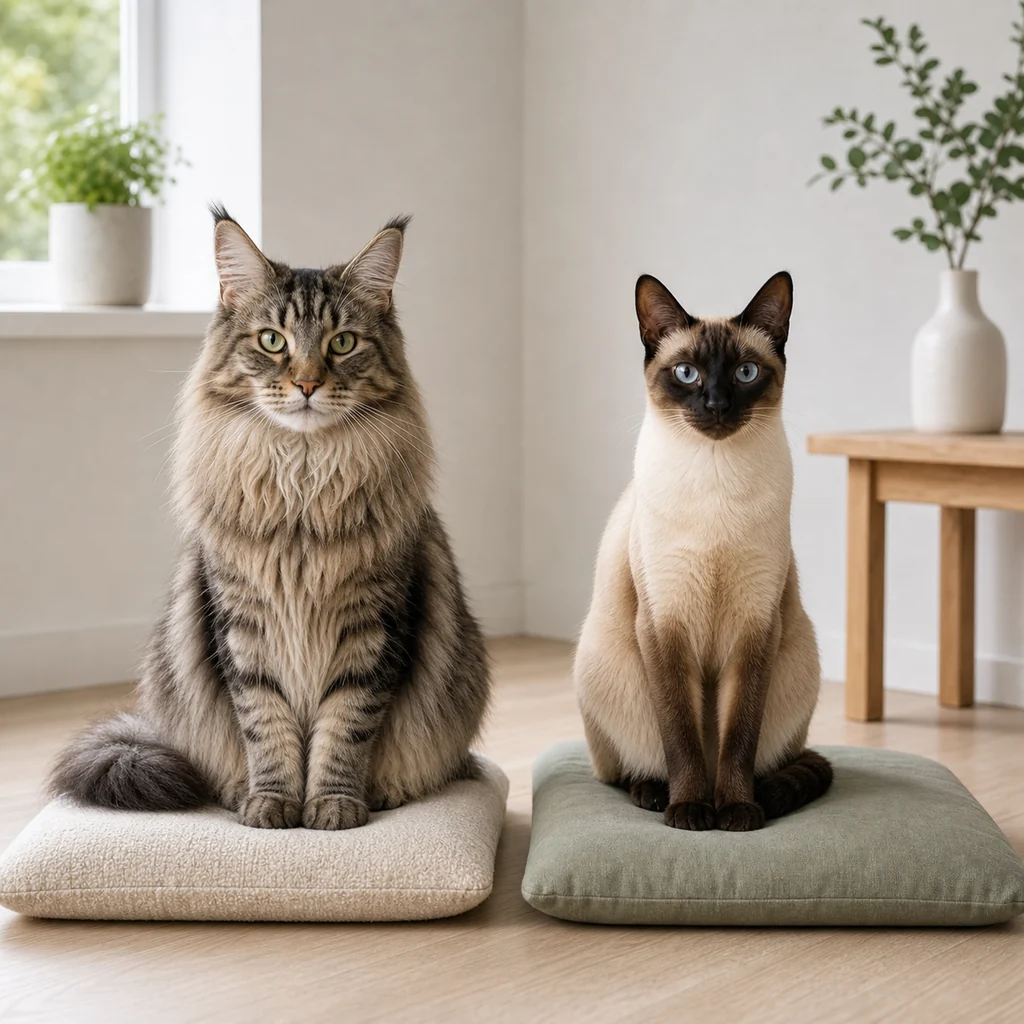
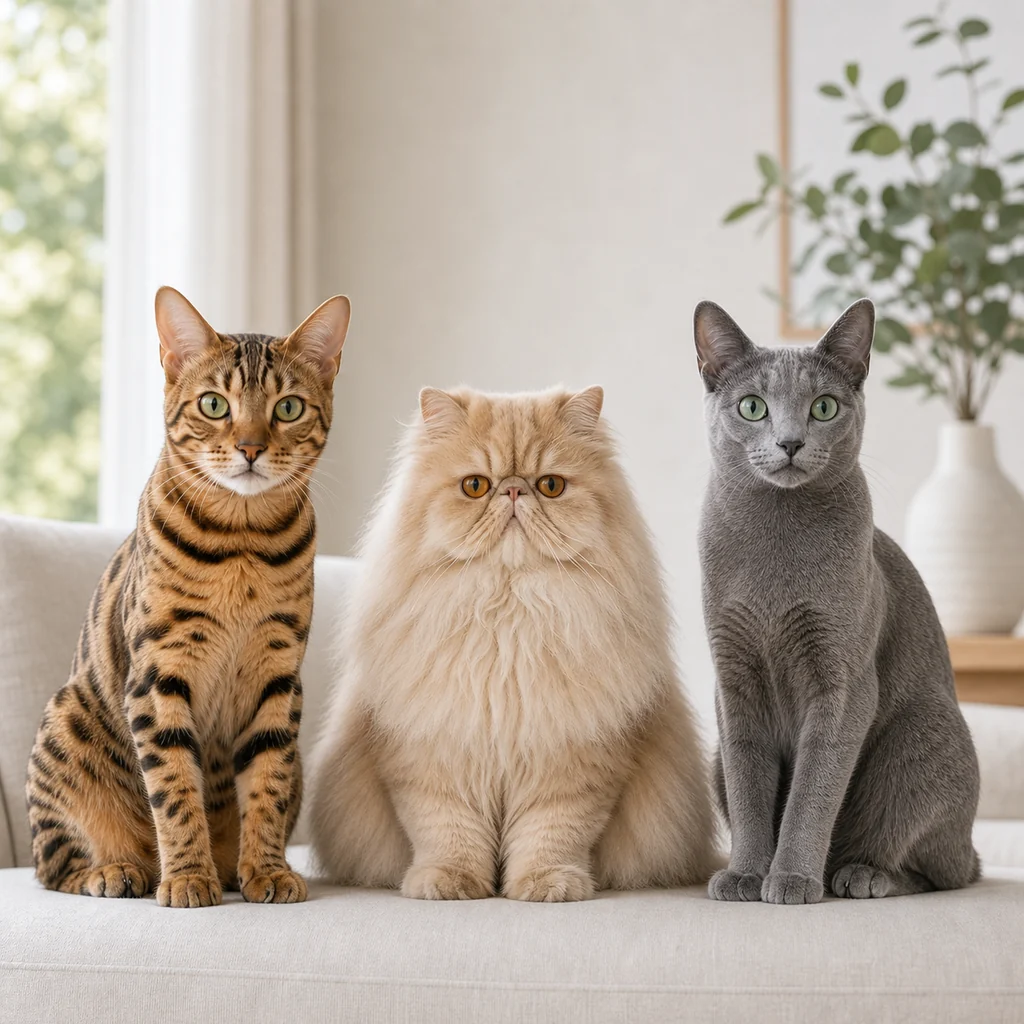
Compare Domestic Shorthair, British Shorthair, Persian, and Cornish Rex if you want to separate coat pattern from breed traits.
For tortoiseshell cats, build from the everyday basics: carrier, food station, scratching, and coat care that fit the cat in front of you.
Affiliate links: Furball Cove may earn from qualifying purchases at no extra cost to you.

A good pick for tortoiseshell cats: it can keep travel practical when the carrier has to be opened, wiped, and used again.
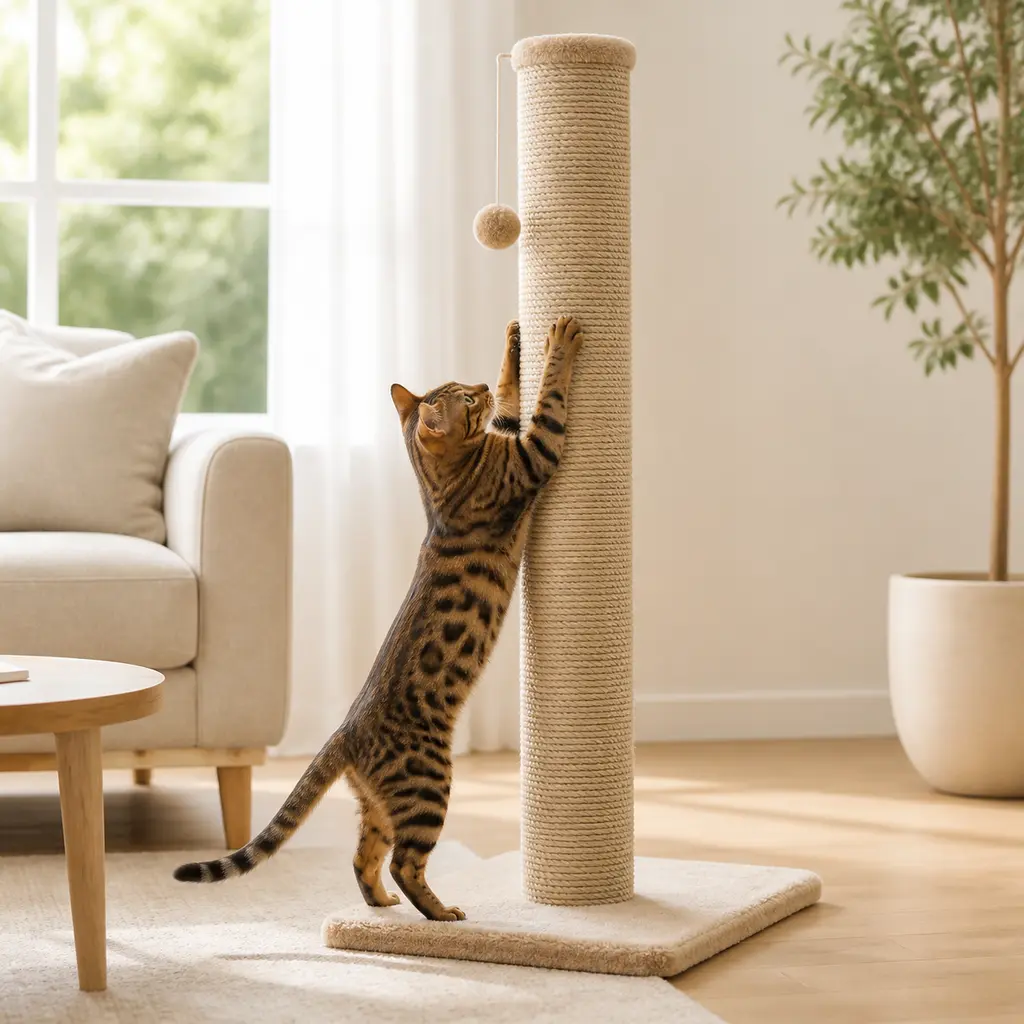
A good pick for tortoiseshell cats: it can make claw care part of the room instead of a scolding moment.
For tortoiseshell cats, choose this when you want to give sensitive whiskers more room while keeping the food easy to see.
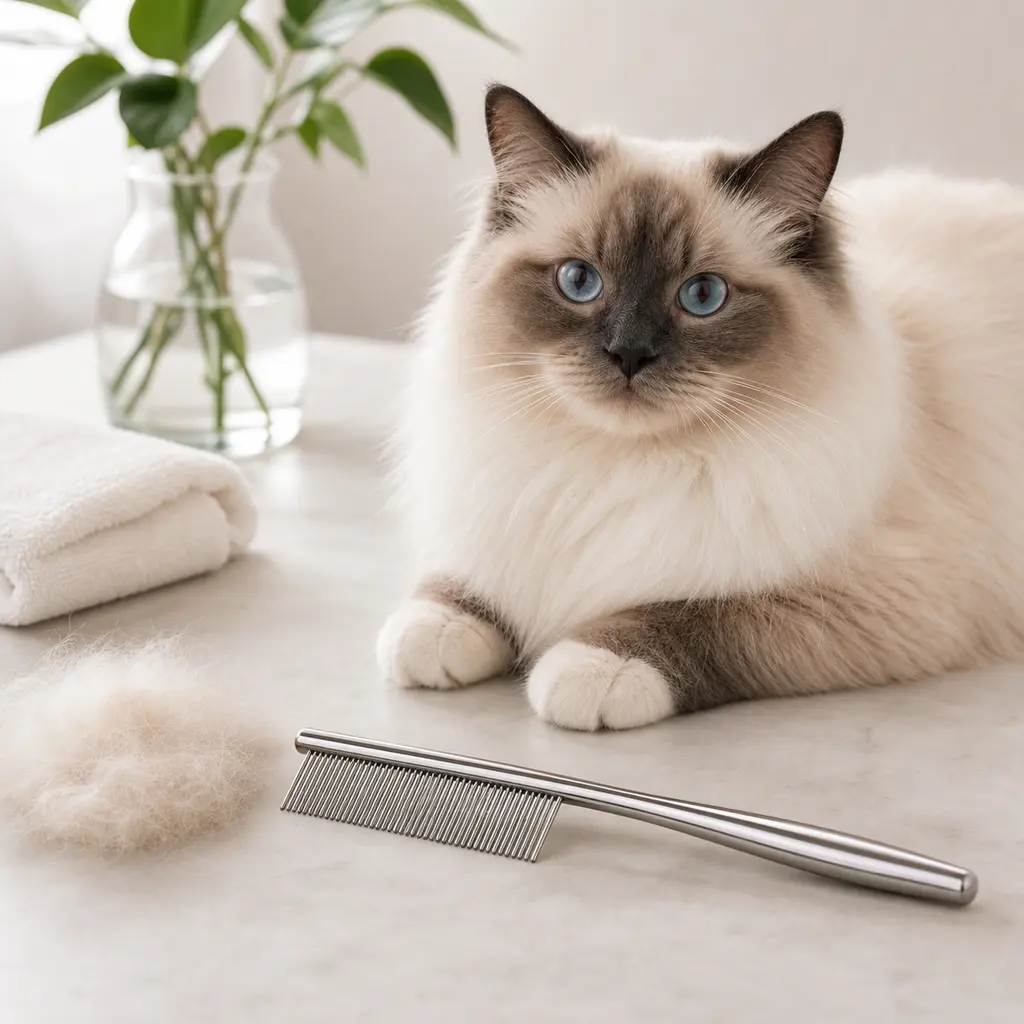
Use it in a tortoiseshell cats routine to make coat checks precise without turning grooming into a long session.
Treat tortoiseshell cats like a comparison tool, not a promise. The right match depends on the cat's history, your routine, and how much care the household can repeat.
Slow down when the choice is based mostly on looks, stereotypes, or one cute moment. Ask the rescue, shelter, or breeder about the individual cat's routine before deciding.