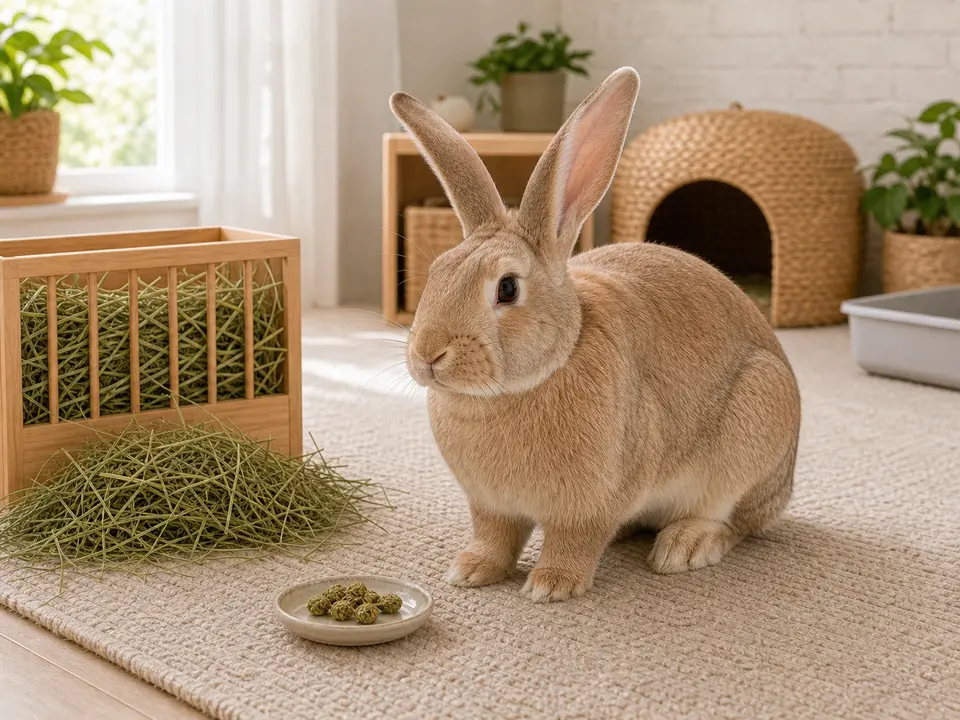
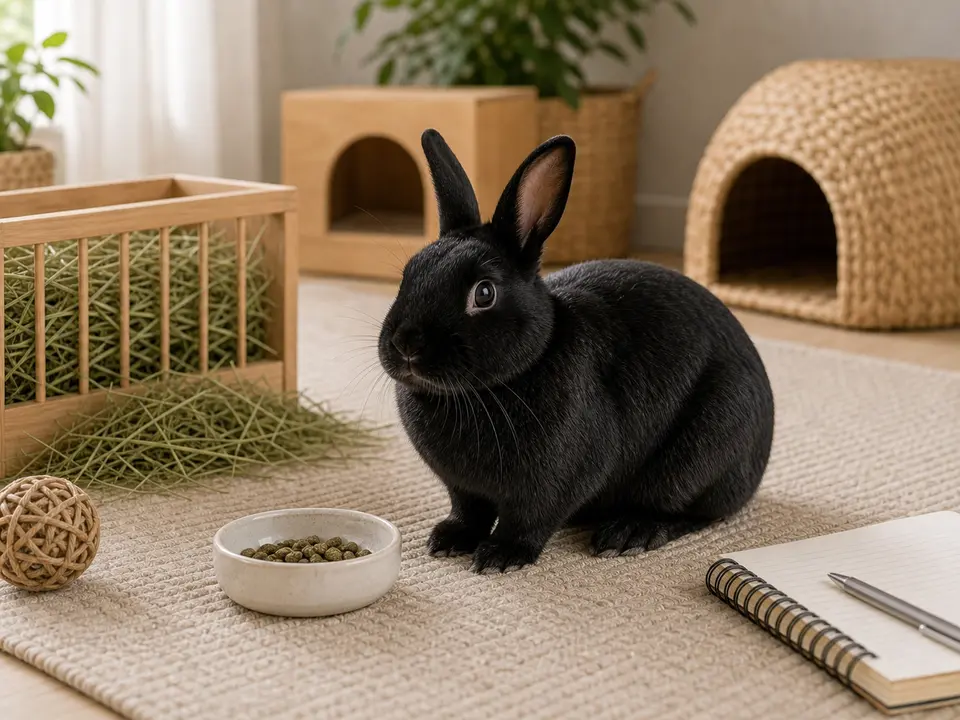
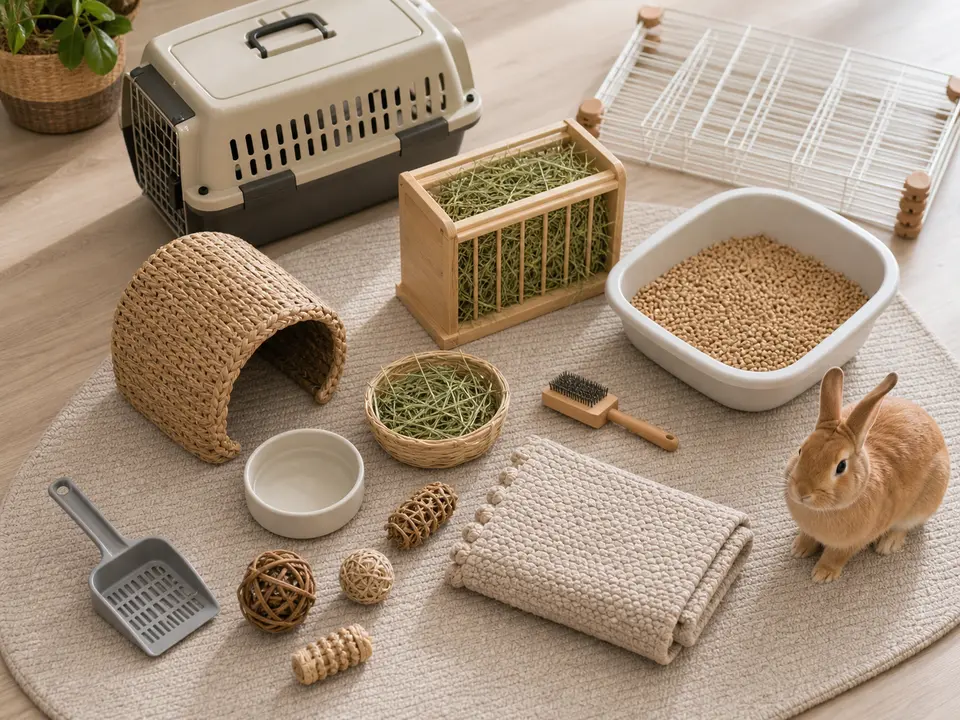
The safest rabbit treats are tiny, simple extras that do not crowd out hay: a small piece of rabbit-safe herb, leafy green, or occasional fruit. Skip sugary packaged snacks and stop treats if appetite or poop changes.
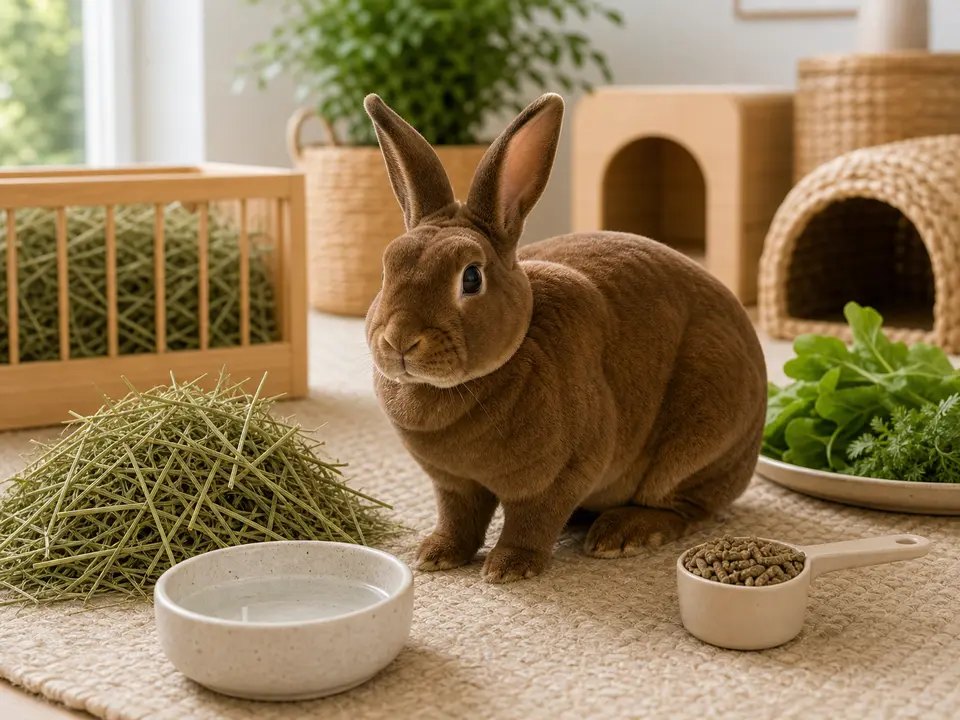
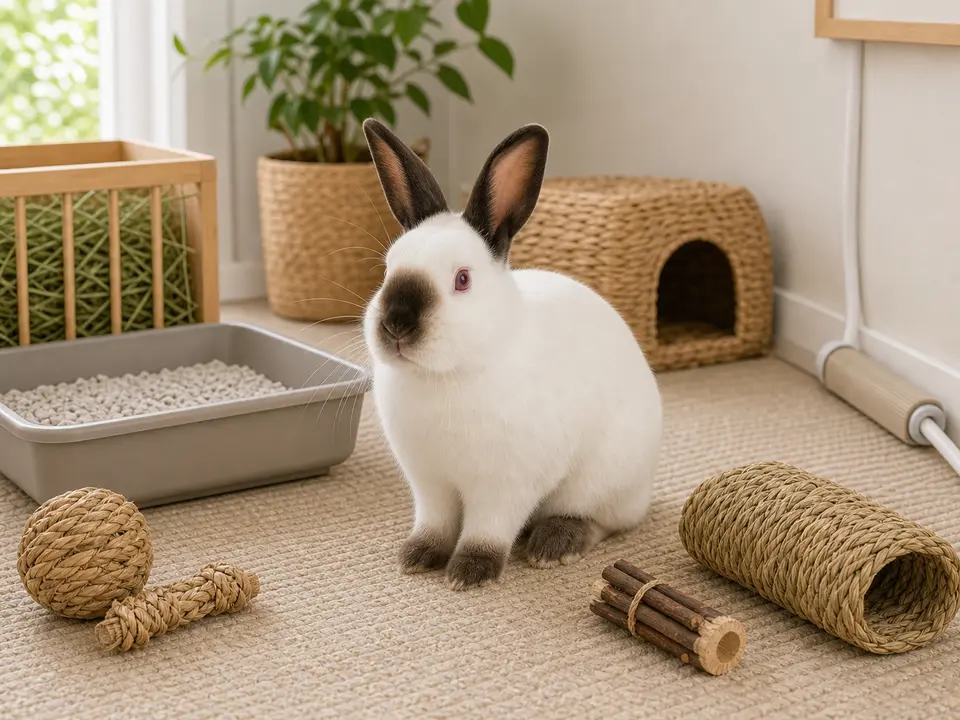
Food questions are easiest when you picture the whole feeding corner, not just one bowl. Start with the specific food choice, then watch hay interest, water, appetite, and litter-box output as the routine changes.
Safe treats: Keep treats tiny on purpose
The safest rabbit treats are tiny, simple extras that do not crowd out hay: a small piece of rabbit-safe herb, leafy green, or occasional fruit. Skip sugary packaged snacks and stop treats if appetite or poop changes. A useful treat is small enough that it does not change dinner, hay interest, or the next litter-box check.
Plain herbs, a tiny piece of rabbit-safe green, or an occasional small fruit piece usually makes more sense than sugary packaged snacks.
Use that as the baseline for safe treats: if tomorrow's hay, water, appetite, and litter box still look normal, the routine is moving in the right direction. Do not judge the idea only by the first excited meal; the next normal morning matters more.
Safe treats: Use treats where they help
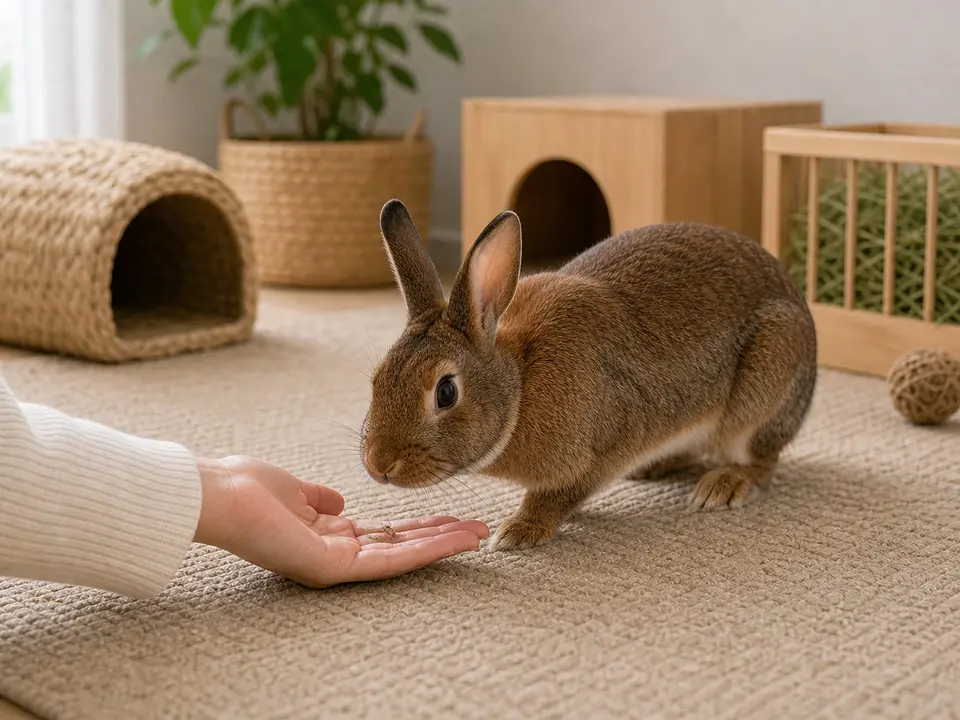
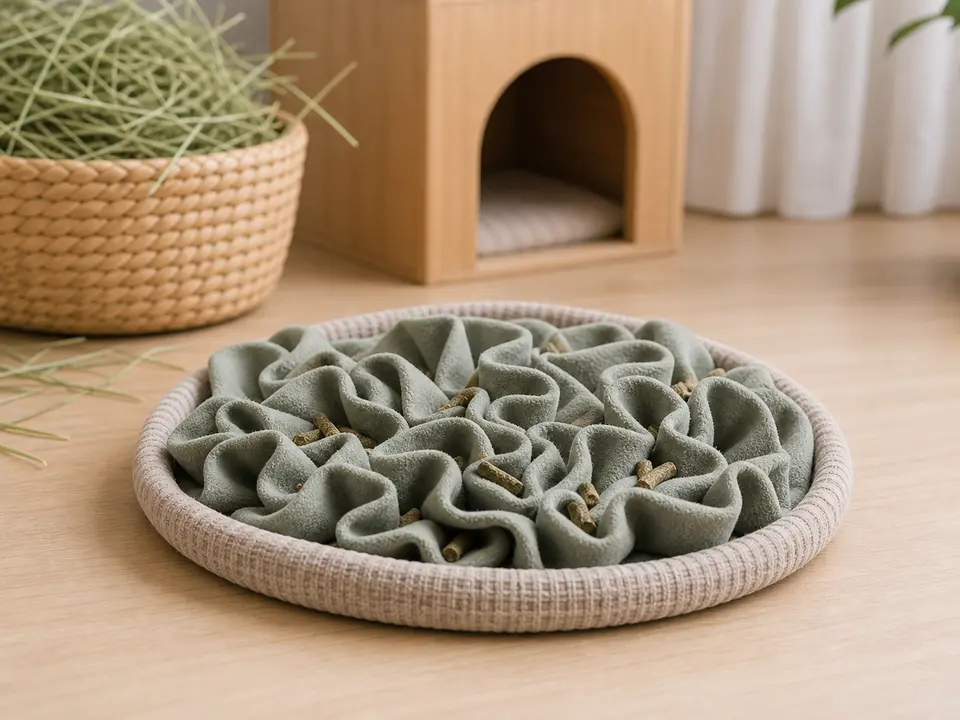
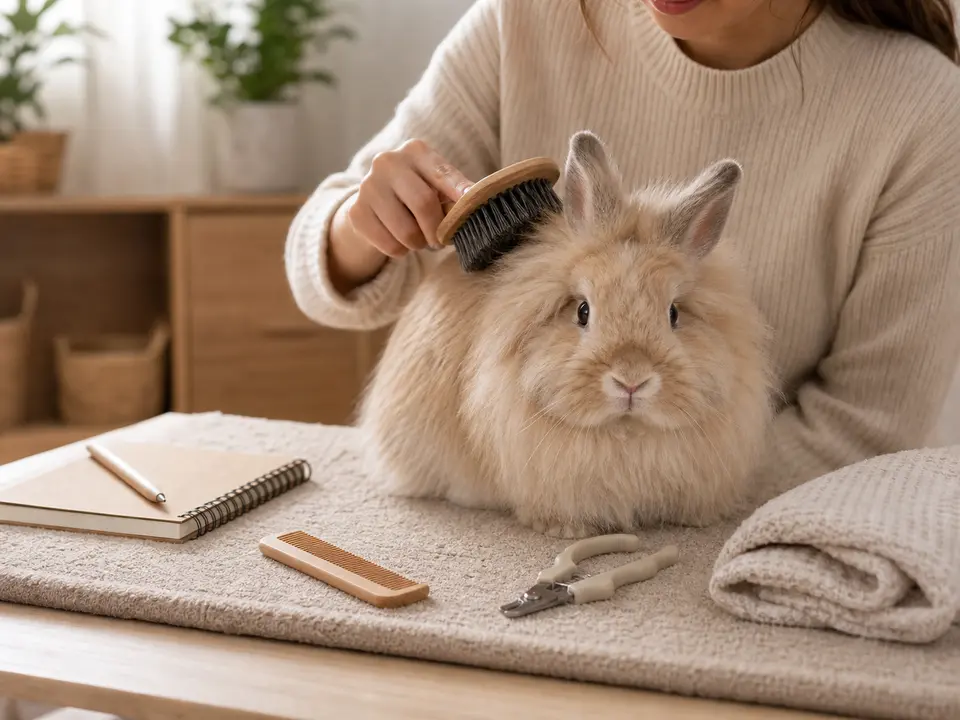
Treats are best when they support cooperation: stepping onto a mat, entering a carrier, coming over calmly, or tolerating a short grooming check.
They should make care easier, not turn every interaction into begging.
Keep this part visible in the room. A rabbit's real answer shows up in what they choose when nobody is nudging them toward the bowl. If you have to keep rescuing the setup, the placement or portion probably needs to become simpler.
Safe treats: Stop before begging runs the room
If your rabbit starts chasing hands, circling hard, or ignoring hay because treats are expected, make the treats smaller and less predictable.
The daily routine should still belong to hay, water, litter, and calm floor time.
Make one small note if you are adjusting safe treats: amount offered, where it sat, and whether hay was eaten afterward. That tiny record keeps you from changing the scoop, placement, and timing all at once.
Safe treats: Watch hay after treat time
After a treat, check that your rabbit returns to normal hay eating and normal round poops.
If the treat changes appetite or litter-box output, it is not a good match even if your rabbit loved it.
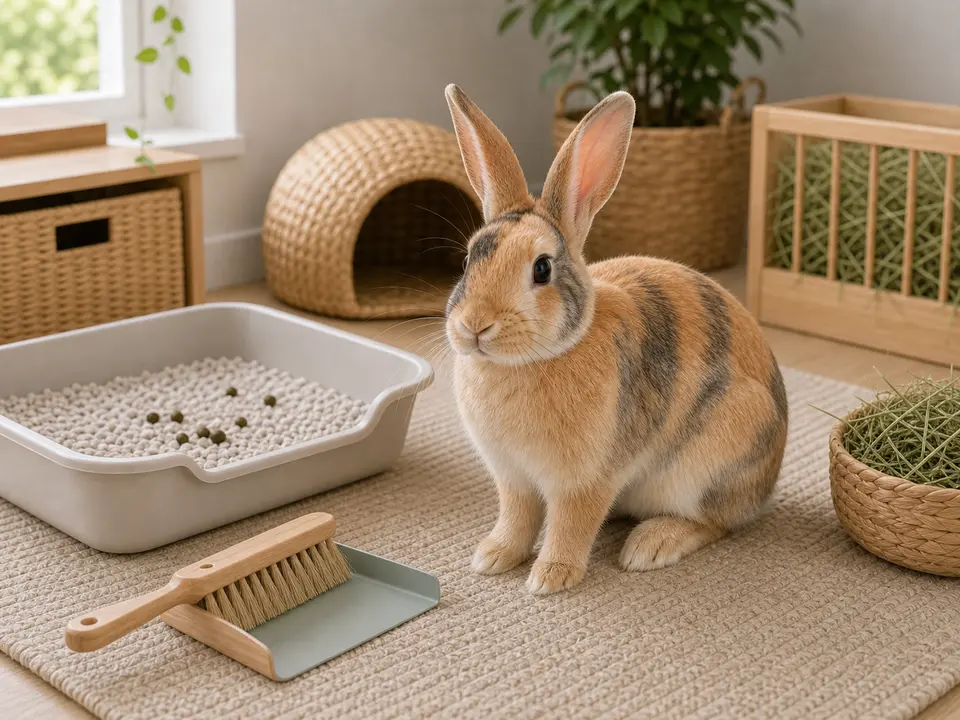
The litter box is not glamorous, but it is honest. Normal round poops make the food decision easier to trust. Check it before you forget the meal, because the next handful of hay and the next few poops tell the truth.
Safe treats: Keep the treat shelf simple
You do not need a drawer full of rabbit snacks. A few known safe options are easier to track and easier to use well.
When in doubt, choose the boring treat you trust over the bright package that promises too much.
Keep the treat jar away from the food bowl so a normal meal still feels normal. Treats should help a moment of cooperation, not become the loudest part of the room.
Before you decide
Is hay available and being eaten?
Did only one food change at a time?
Are poops normal after the change?
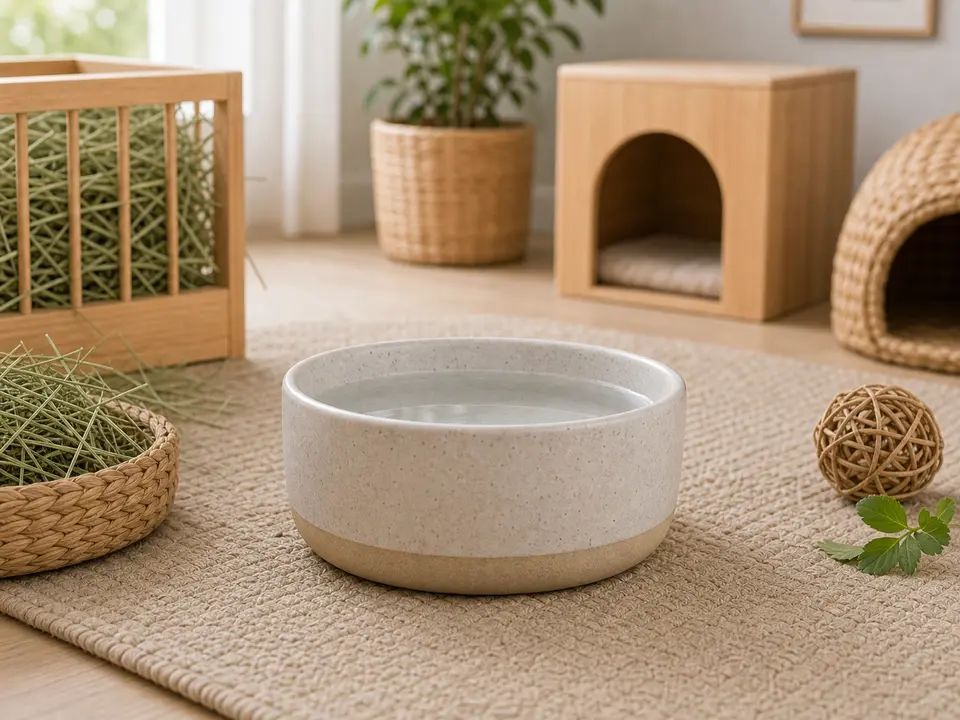
Is water easy to reach and clean?
Next best moves
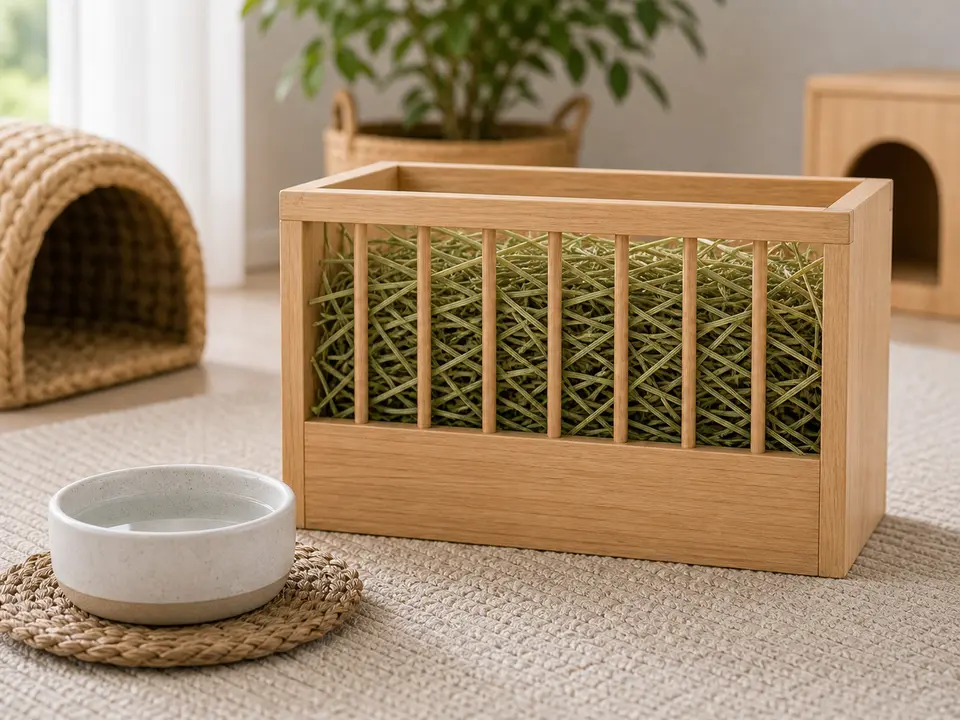
Keep hay visible and easy.
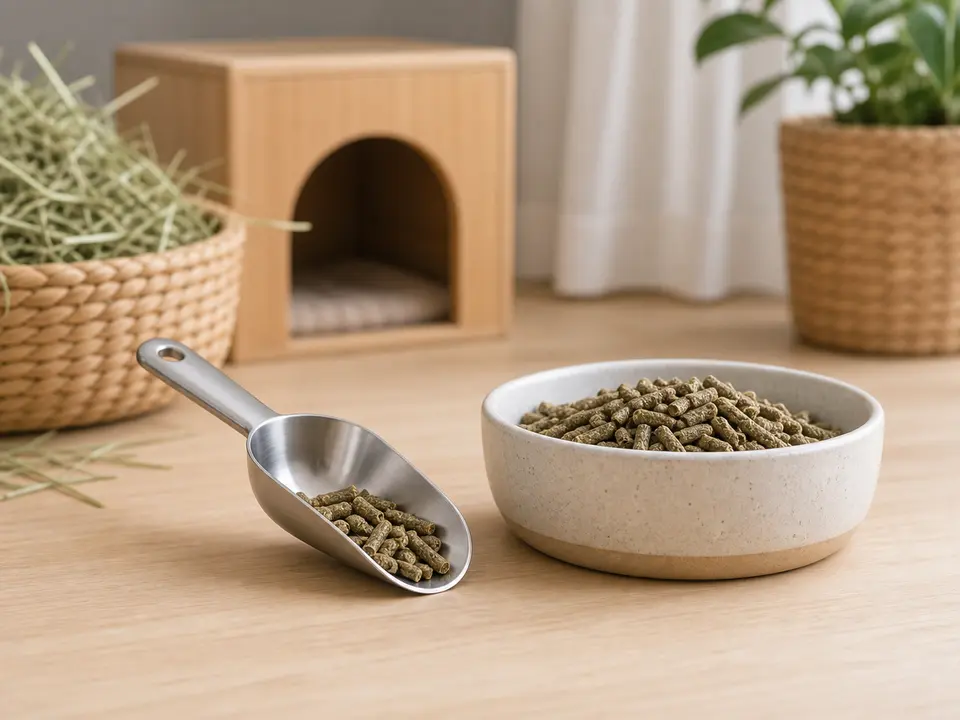
Change greens, pellets, or treats slowly.
Use food changes as enrichment without crowding out hay.
Feeding tools that keep hay in charge
These are practical pieces for the routine, not clutter to buy all at once.
Affiliate links: Furball Cove may earn from qualifying purchases at no extra cost to you.
The safest rabbit treats are tiny, simple extras that do not crowd out hay: a small piece of rabbit-safe herb, leafy green, or occasional fruit. Skip sugary packaged snacks and stop treats if appetite or poop changes.
How fast should I change the routine?
Change one food detail at a time and keep hay steady. That makes appetite and poop changes easier to understand.
What if my rabbit stops eating?
Do not treat that like ordinary pickiness. If your rabbit stops eating or pooping, call a rabbit-savvy vet promptly.