Two rabbits may be able to live together after careful bonding, but sex alone does not decide compatibility. Use neutral space, watch body language closely, and pause for rabbit-savvy rescue help if chasing, biting, or panic starts.
Rabbit-to-rabbit bonding is a compatibility process, not a trust exercise with a person. Plan separate home bases, use neutral territory, supervise every meeting, and judge progress by whether both rabbits can eat, rest, and move without pressure.
Two female rabbits can become a compatible pair
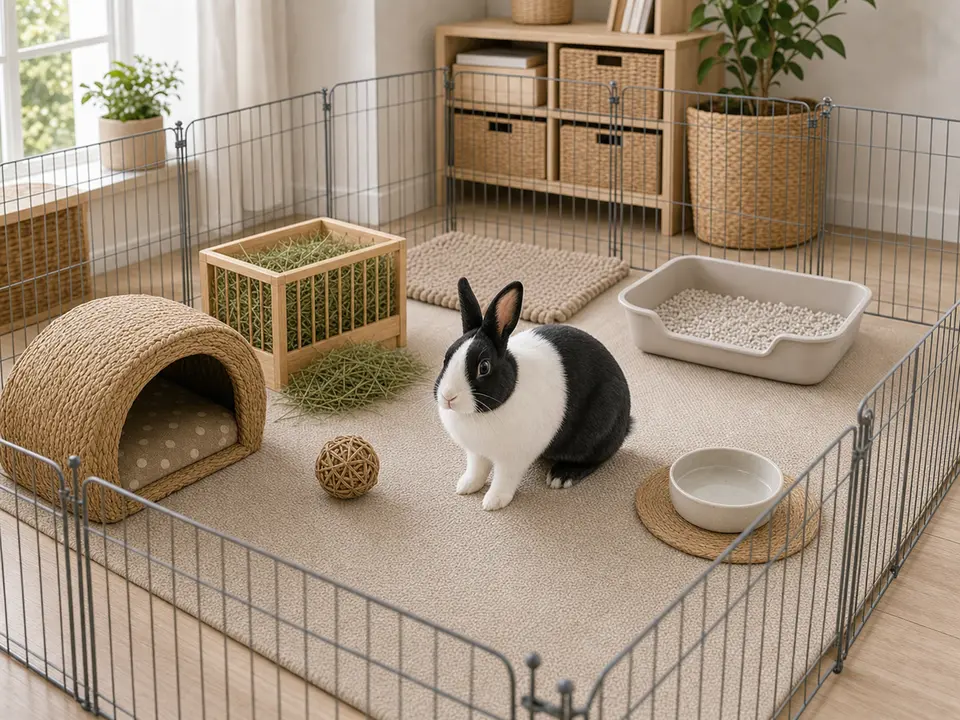
Two rabbits may be able to live together after careful bonding, but sex alone does not decide compatibility. Use neutral space, watch body language closely, and pause for rabbit-savvy rescue help if chasing, biting, or panic starts. Before the first meeting, each rabbit needs a secure individual home base with their own hay, water, litter, hideout, and room to rest.
If either rabbit is unwell, in pain, or not eating normally, pause introductions. A rabbit-savvy rescue or veterinarian can also help you plan around health and spay or neuter status.
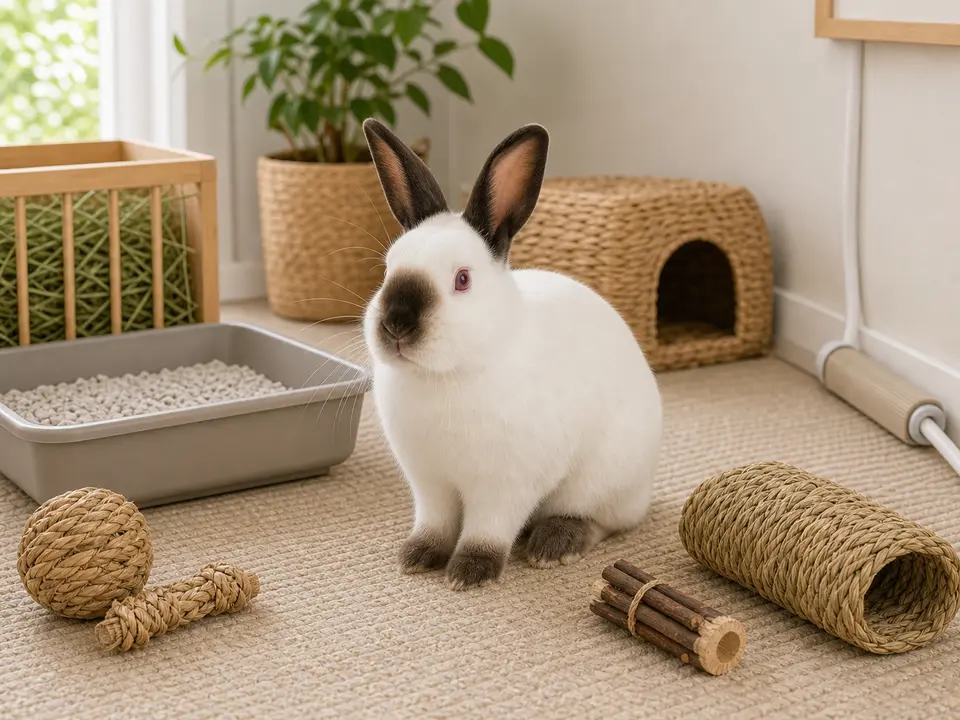
Give each rabbit a separate home base first
Use a neutral, grippy area that neither rabbit treats as home territory. Keep it simple enough that you can see both rabbits and intervene without chasing them around furniture.
Start with short supervised meetings. Ending a calm session early is more useful than stretching it until one rabbit becomes overwhelmed.
Meet in a room neither rabbit owns
Calm sniffing, eating, resting, grooming attempts, and choosing to move away can all be useful. Hard chasing, tight circling, boxing, biting, fur pulling, or one rabbit being pinned in a corner means the pressure is too high.
Do not force closeness to speed things up. Compatibility is shown through repeated calm behavior, not one promising photograph.
Read tension before it becomes a fight
Between sessions, keep the rabbits safely separated. They may live near one another behind a secure gap or double barrier when appropriate, but neither rabbit should be able to bite through the divider.
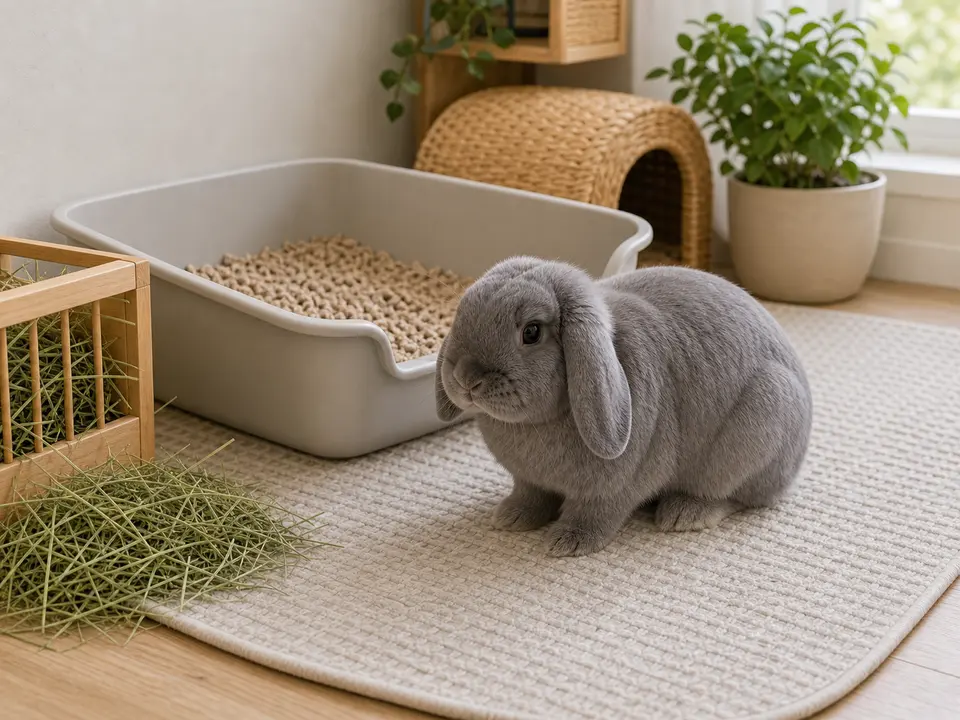
Duplicate resources prevent one rabbit from controlling every good place. Keep hay, water, litter, and resting areas generous while you learn the pair's pattern.
Combine housing only after calm behavior repeats
Do not move the rabbits into one enclosure until they can share space calmly across repeated longer sessions. Both rabbits should be able to eat, rest, and move without guarding, chasing, or hiding from the other.
If introductions keep escalating, stop improvising and ask an experienced rabbit rescue for hands-on bonding help before either rabbit gets hurt.
Before you decide
What changed recently?
Can your rabbit choose a quiet retreat?
Are hay, water, litter, and footing easy?
Is this normal for your individual rabbit?
Next best moves
Make one small change.
Watch what your rabbit chooses next.
Keep the setup calm enough to repeat tomorrow.
Quiet tools for trust-building
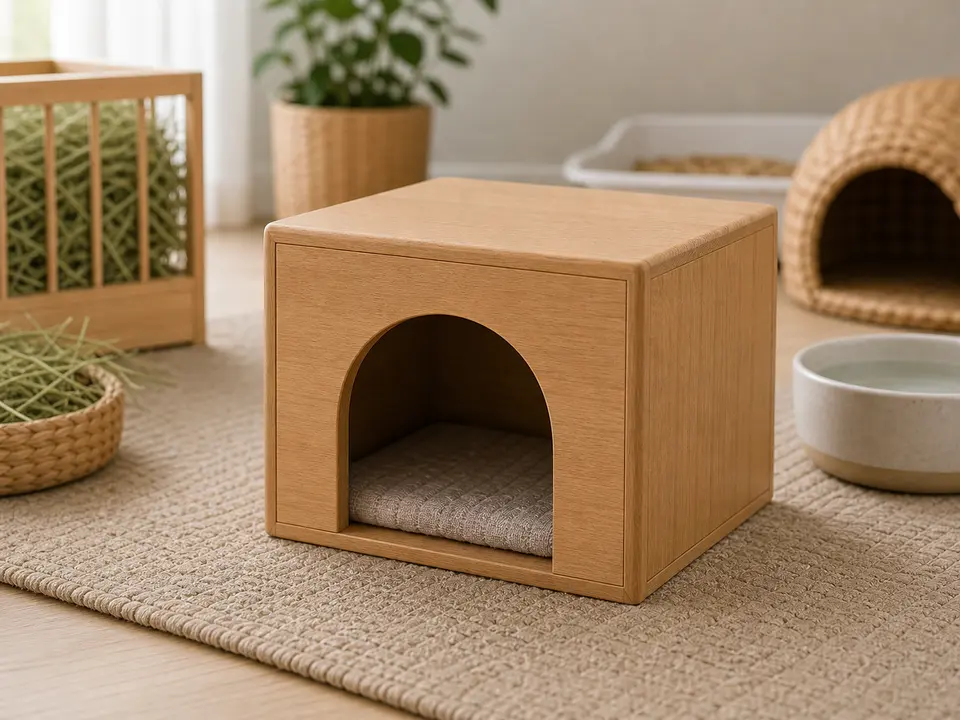
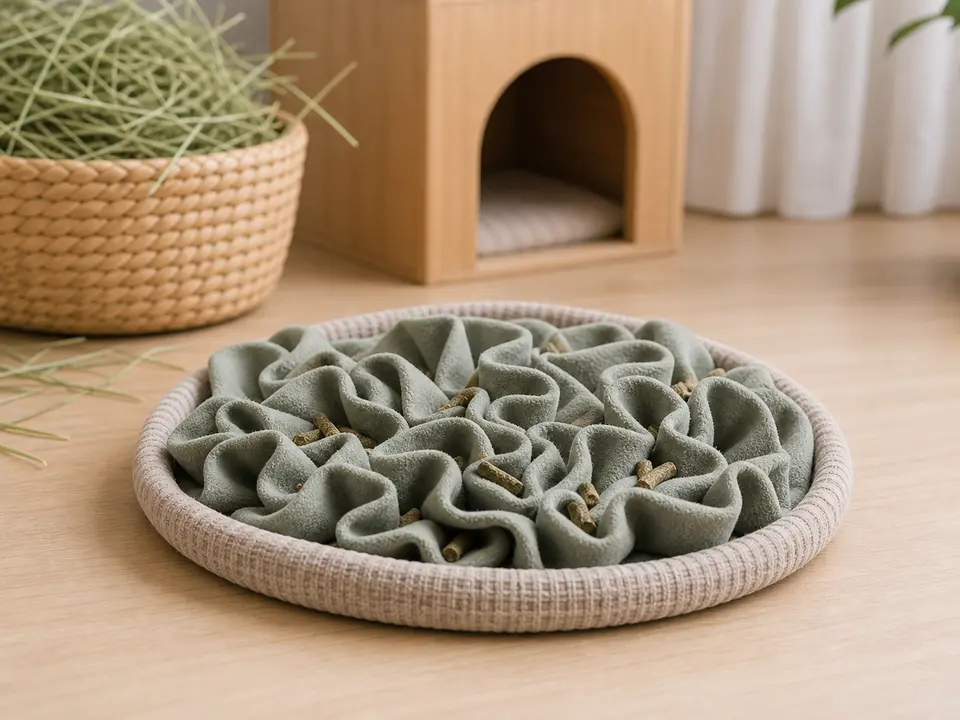
The best tools add choice, retreat space, and calm repetition instead of forcing contact.
Affiliate links: Furball Cove may earn from qualifying purchases at no extra cost to you.
Two rabbits may be able to live together after careful bonding, but sex alone does not decide compatibility. Use neutral space, watch body language closely, and pause for rabbit-savvy rescue help if chasing, biting, or panic starts.
How do I know if I moved too fast?
If your rabbit hides longer, avoids your hands, boxes, grunts, thumps repeatedly, or will not come back for food, make the next interaction shorter, lower, and easier to leave.
Should I pick my rabbit up to fix this?
Usually no. Most trust and behavior work starts better on the floor. Save picking up for necessary care, and practice it in tiny reward-based steps.