Short answer
Licking can be affection, grooming, salt taste, attention, or a self-soothing habit.
Start by making the scene calmer and safer, then look for the trigger. A cat who feels trapped, sore, or overstimulated will not learn from pressure.
Updated
Cat behavior
Licking can be affection, grooming, salt taste, attention, or a self-soothing habit.
Try to read the whole scene before you decide your cat is being difficult. Safety, pain, territory, play energy, handling, and whether your cat can leave all matter.
Licking can be affection, grooming, salt taste, attention, or a self-soothing habit.
Start by making the scene calmer and safer, then look for the trigger. A cat who feels trapped, sore, or overstimulated will not learn from pressure.
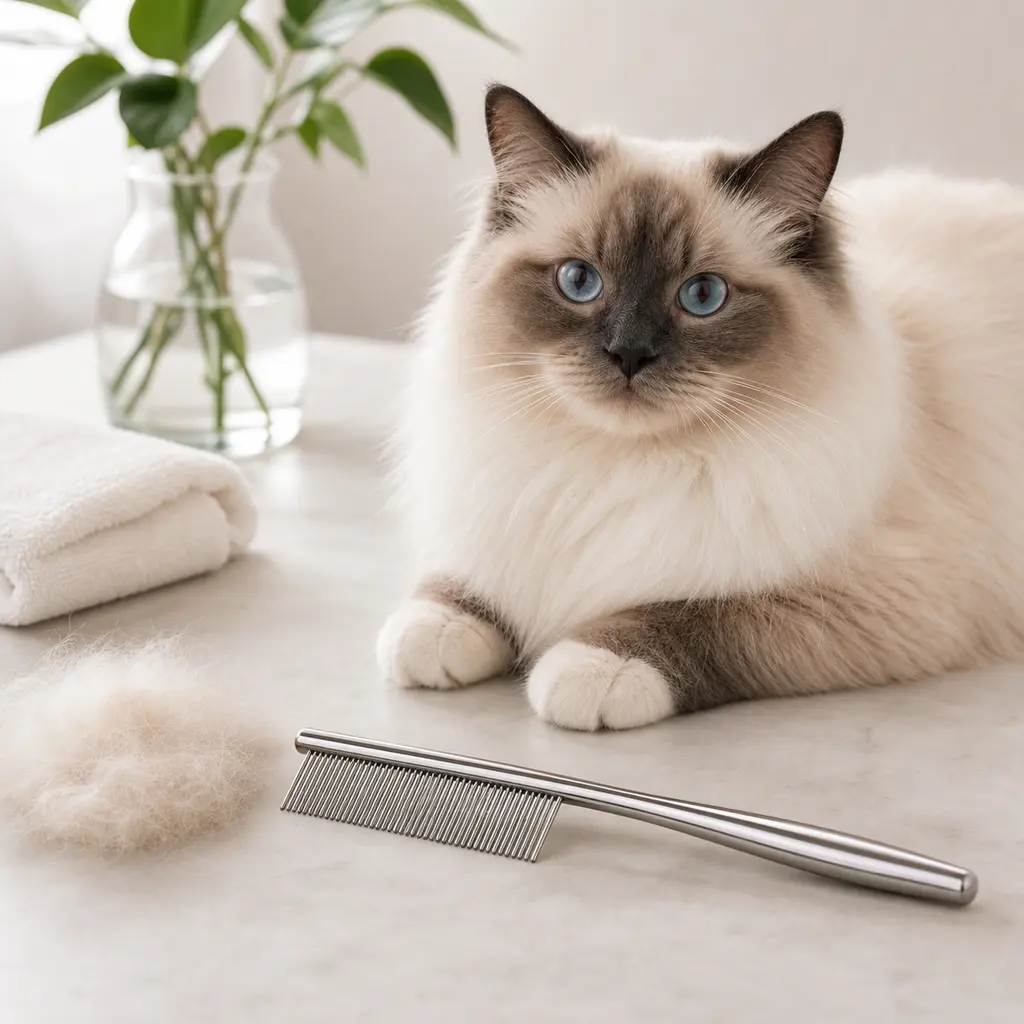
A few licks during calm contact are usually normal. Constant licking, skin irritation, or sudden obsessive grooming can mean stress or a medical issue.
Treat the visible behavior as a clue rather than the whole answer. Track what happened right before it, how much choice your cat had, and how quickly the room returned to normal.
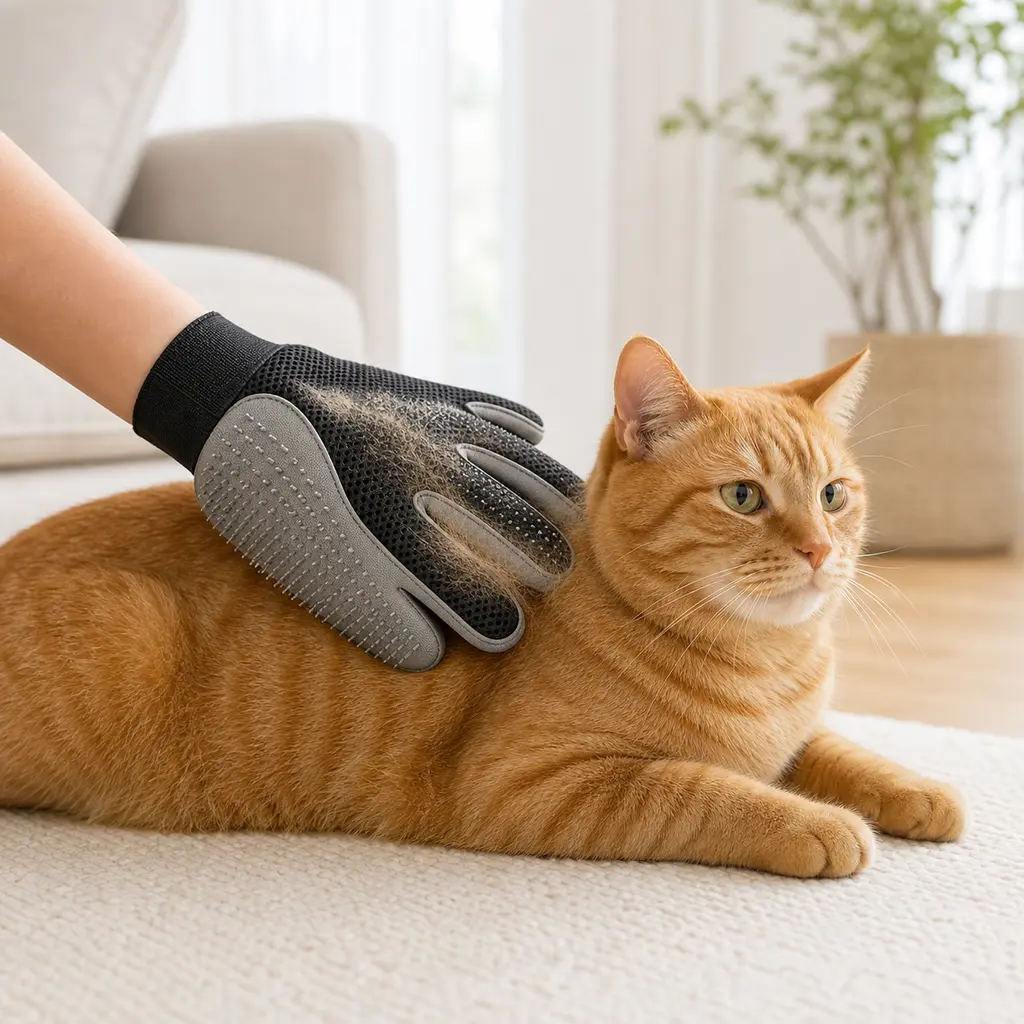
Redirect gently if licking hurts, keep routines calm, and call your vet for sudden overgrooming, bald spots, sores, or behavior changes.
Add distance, choice, and a safer outlet before adding more handling. Shorter sessions, clearer escape routes, and predictable routines often tell you more than one dramatic correction.
Call your veterinarian if the change is sudden, painful, severe, repeated, or paired with appetite loss, litter changes, breathing trouble, collapse, or obvious distress.
Get help quickly for bites, escalating fights, redirected aggression, fear that traps one cat, or sudden behavior that does not fit the cat's normal routine.
Licking can be affection, grooming, salt taste, attention, or a self-soothing habit.
No. Use it to understand the routine and decide what to ask, but call your veterinarian for illness, pain, toxins, sudden behavior changes, or anything that feels urgent.