Do not sprinkle household baking soda into your cat's litter box. It can make the box dusty or smell unfamiliar, and swallowing a meaningful amount of sodium bicarbonate can be harmful. Use an unscented litter your cat accepts and control odor by scooping every day instead.
If you already sprinkled a little into the box, you do not need to panic. Replace the litter, wipe down the box, and watch your cat. The situation changes if your cat licked or swallowed the powder, walked through a spill and groomed it off, or now seems unwell.
Skip the homemade deodorizer
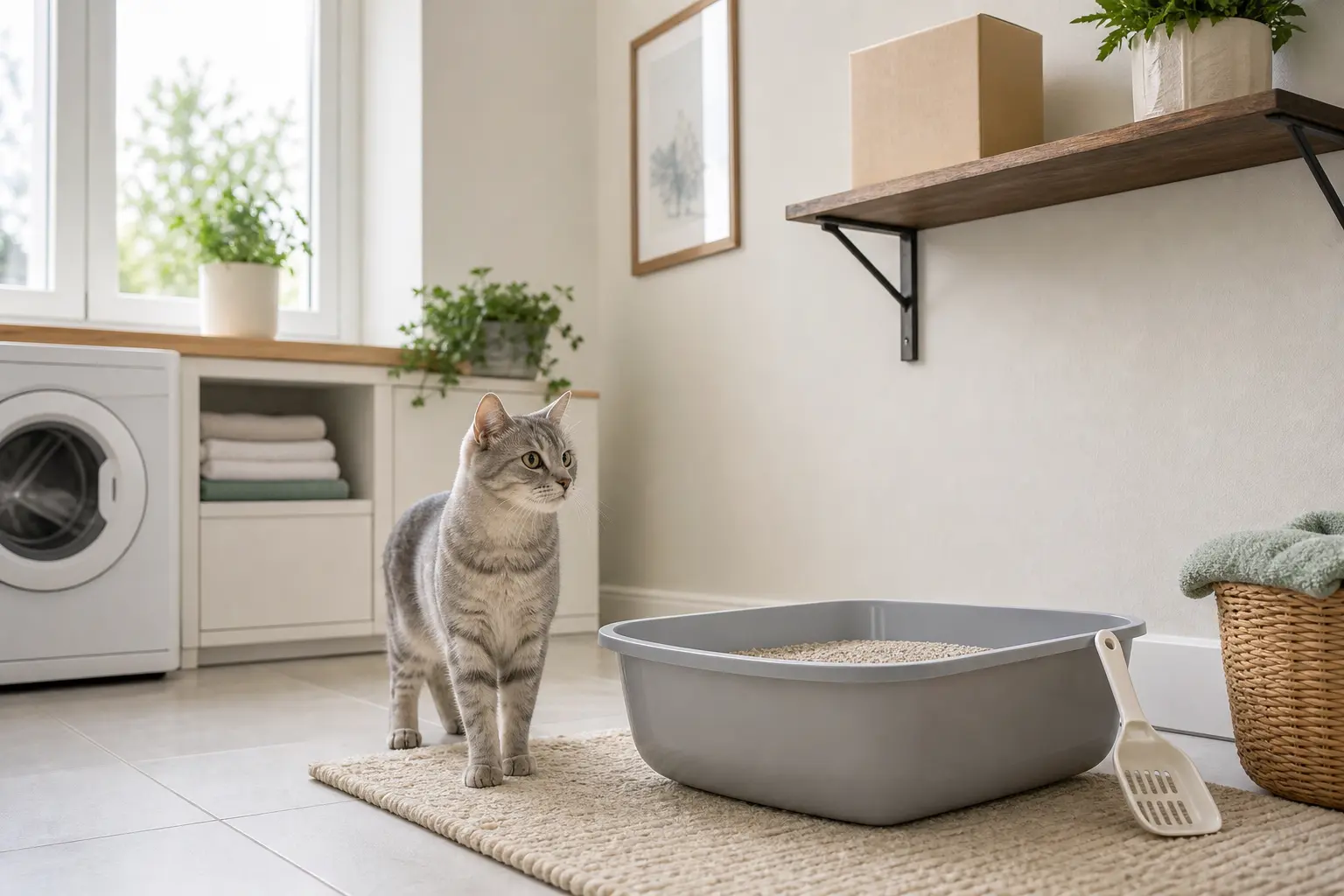
A litter box has to smell acceptable to your cat, not perfumed to a person. Loose baking soda can add dust and change the scent or feel of the litter. Cat Friendly Homes recommends soft, unscented litter and notes that many cats dislike litter deodorizers and strong fragrances.
Fix odor at the source
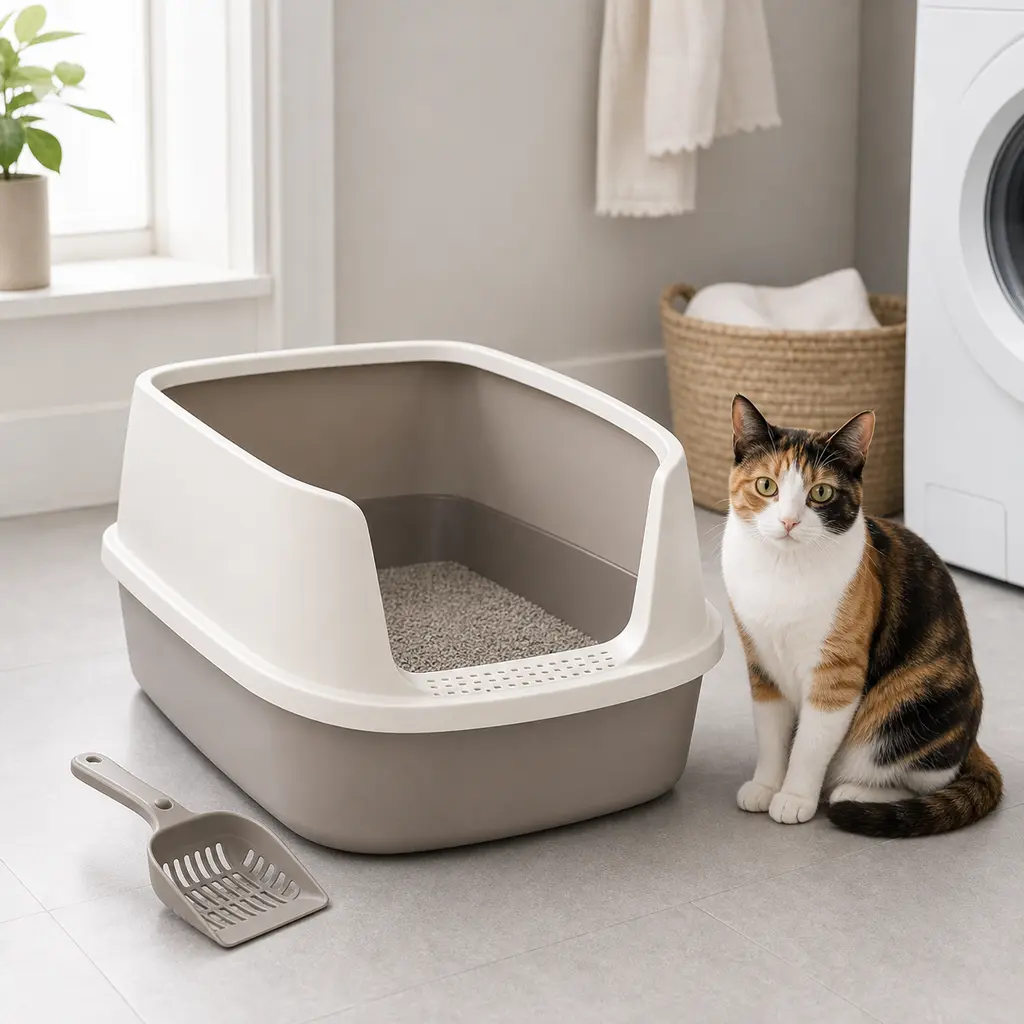
Scoop urine and stool at least daily, top up the litter your cat already uses, and wash the empty box with mild soap and hot water when it needs a reset. If a clean box suddenly smells much stronger, check whether urine volume, stool, diet, or box use has changed instead of covering the clue with powder.
If baking soda is already in the box
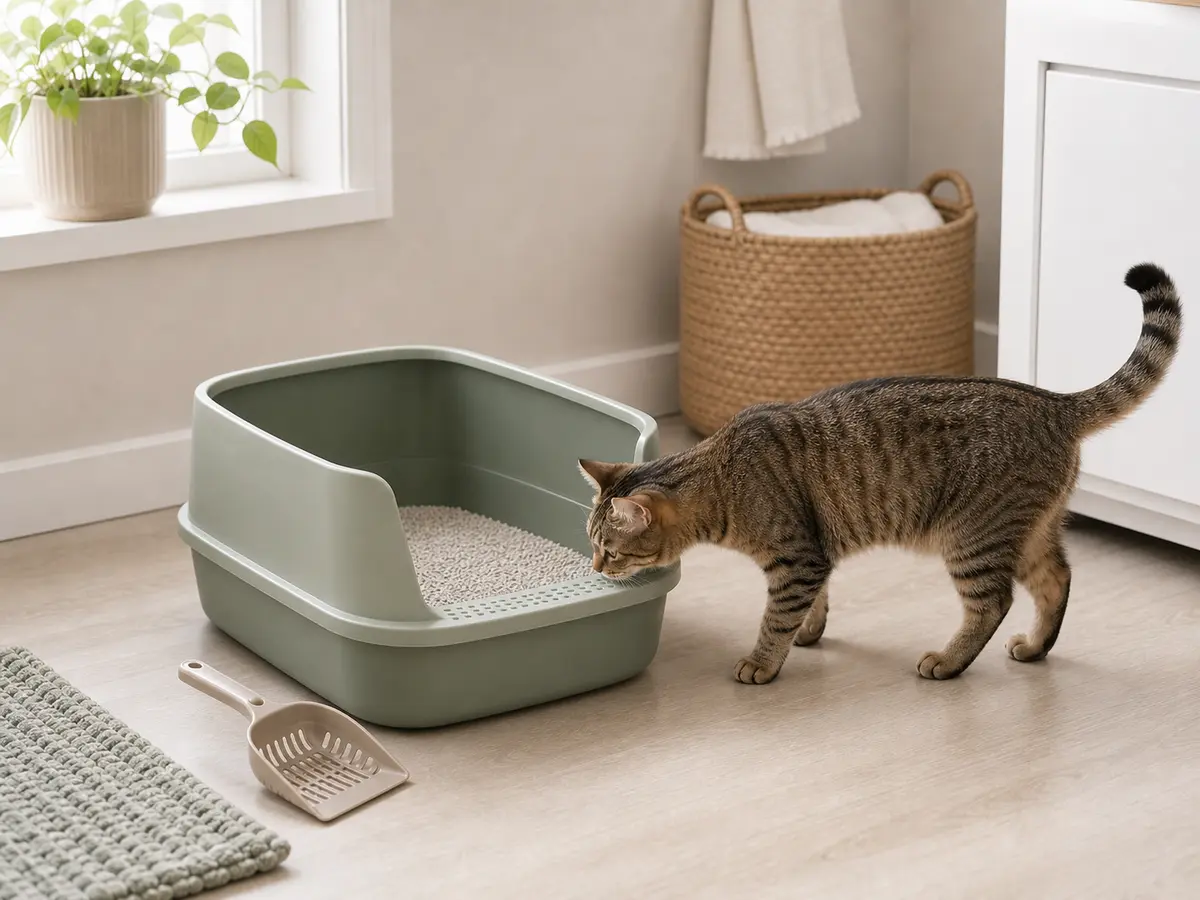
Pour out the treated litter, wipe away visible residue, refill with familiar unscented litter, and keep the package where your cat cannot reach it. A small incidental exposure is not automatically an emergency, but do not encourage your cat to walk through loose powder or rely on online dose guesses.
Call about a real ingestion
Call your veterinarian or pet poison control if your cat swallowed loose baking soda, chewed the package, groomed powder from the coat, got into an unknown amount, or has vomiting, diarrhea, weakness, tremors, unusual thirst, confusion, breathing trouble, or seizures. Bring the package and your best estimate of the amount and time.
Before you decide
Was baking soda mixed into litter, spilled loose, or actually swallowed?
Could your cat have powder on the paws or coat and groom it off?
Is your cat using the box normally after you replace the treated litter?
Any vomiting, diarrhea, weakness, tremors, unusual thirst, confusion, breathing trouble, or seizures?
Next best moves
Replace treated litter with a familiar unscented litter.
Control odor with daily scooping and mild soap-and-water cleaning.
Call your veterinarian or pet poison control for ingestion, an unknown amount, or symptoms.
Helpful supplies
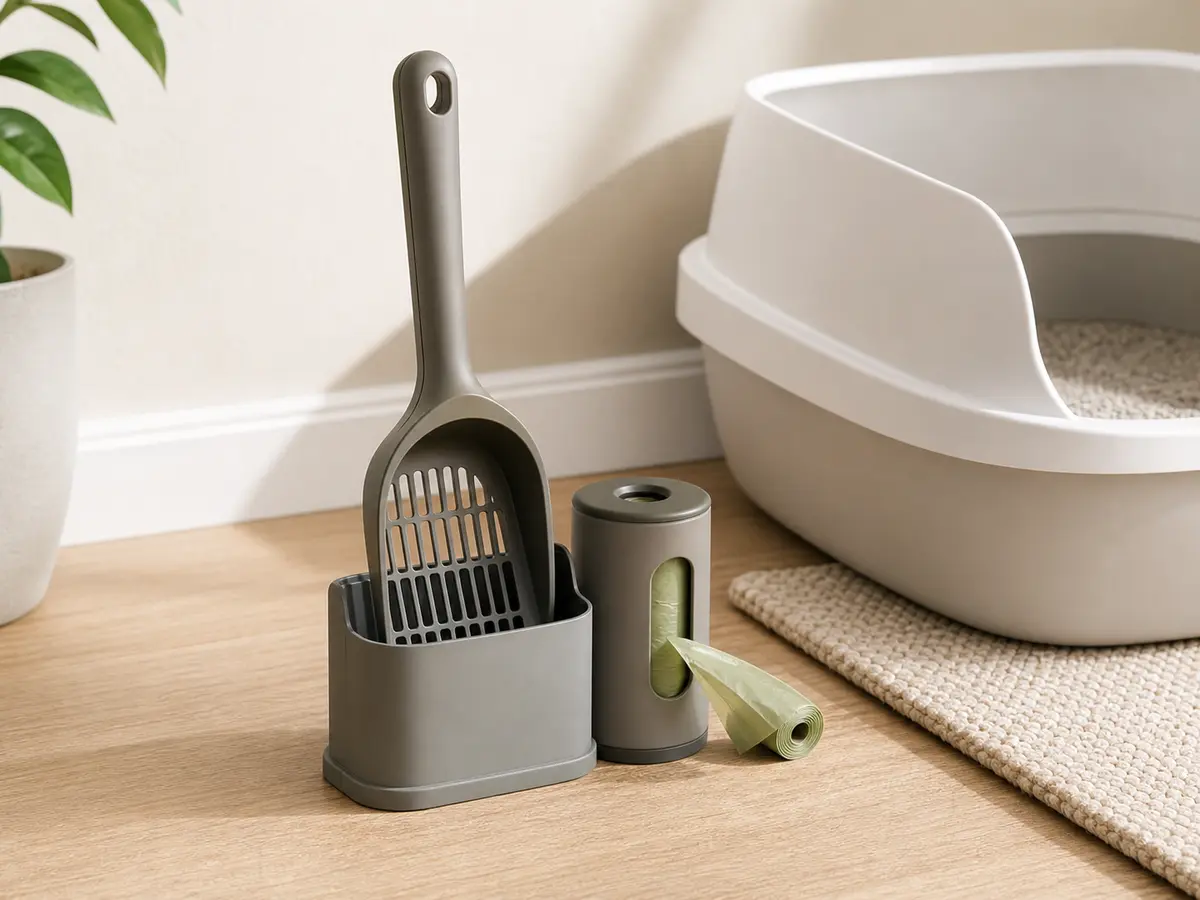
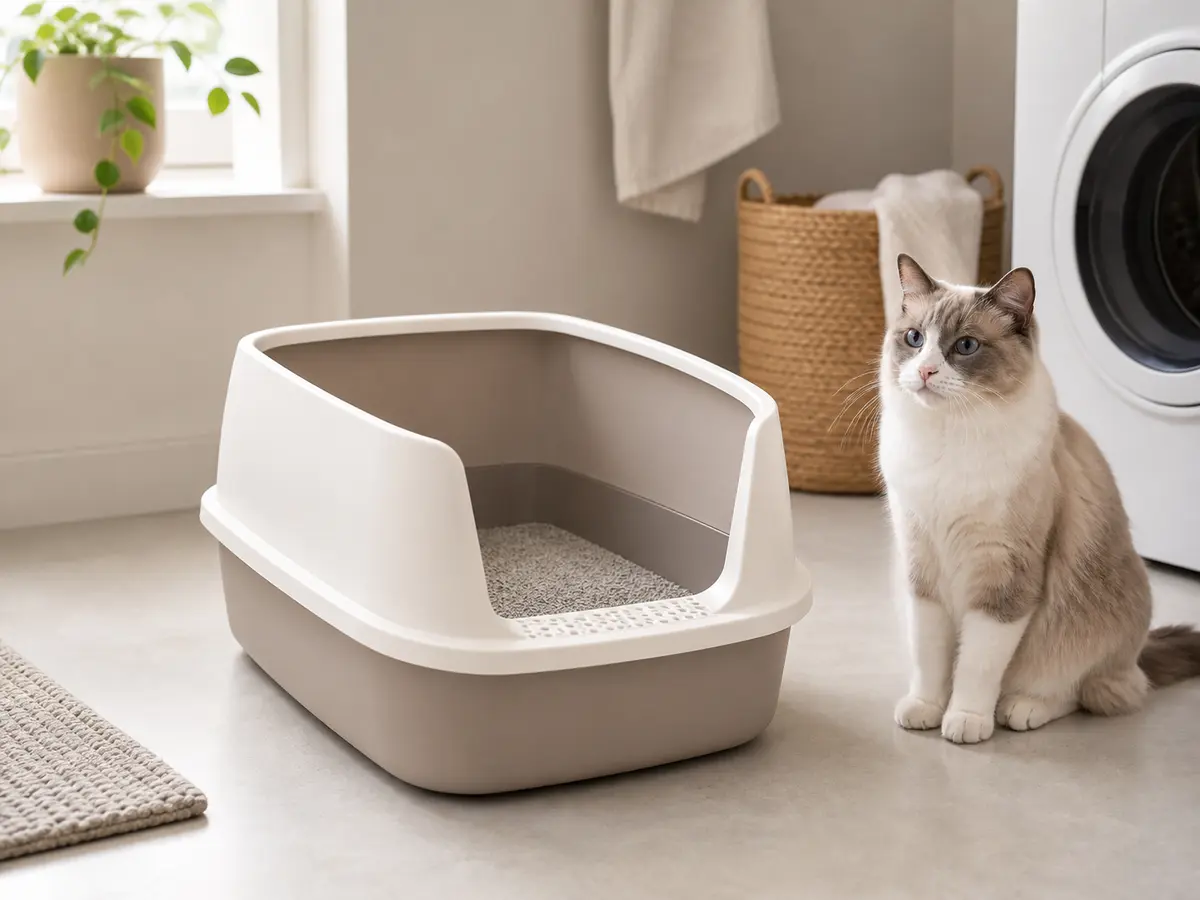
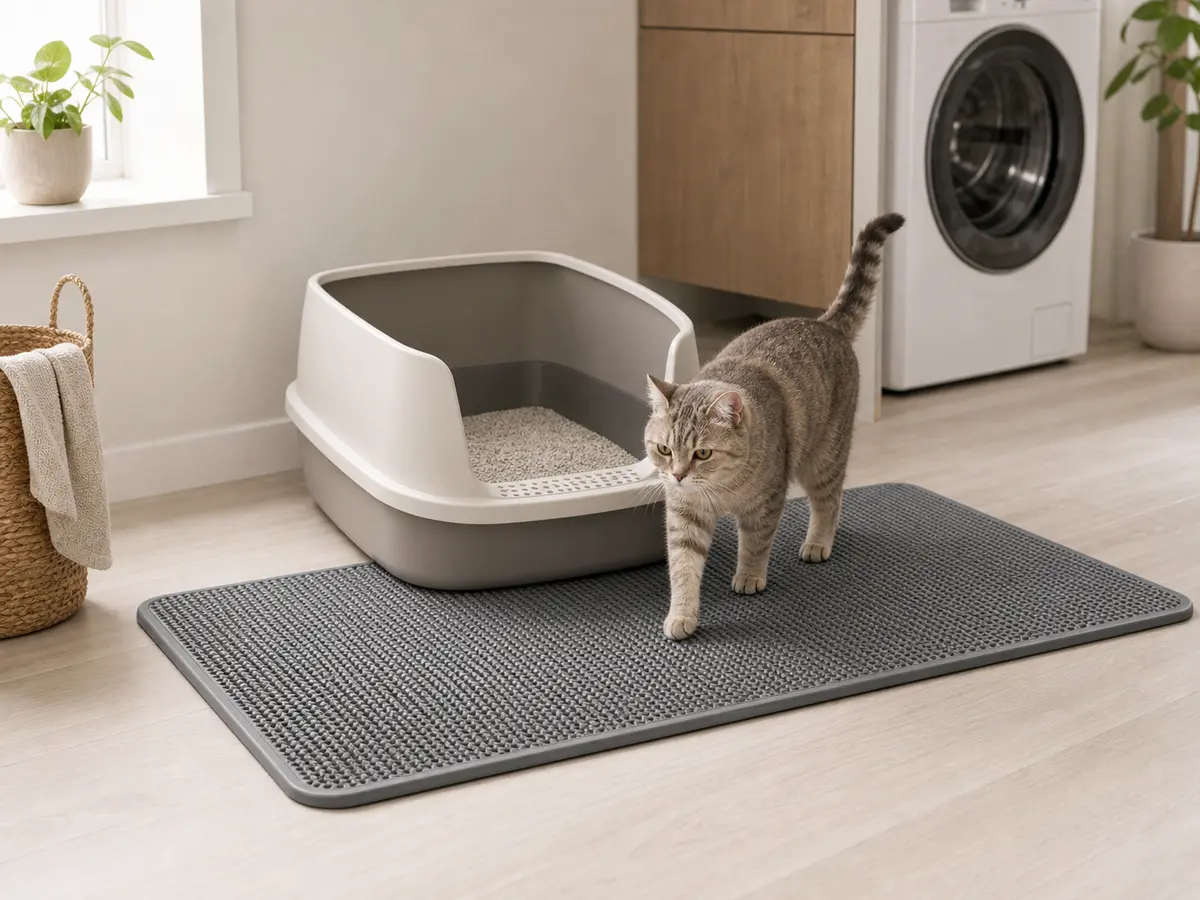
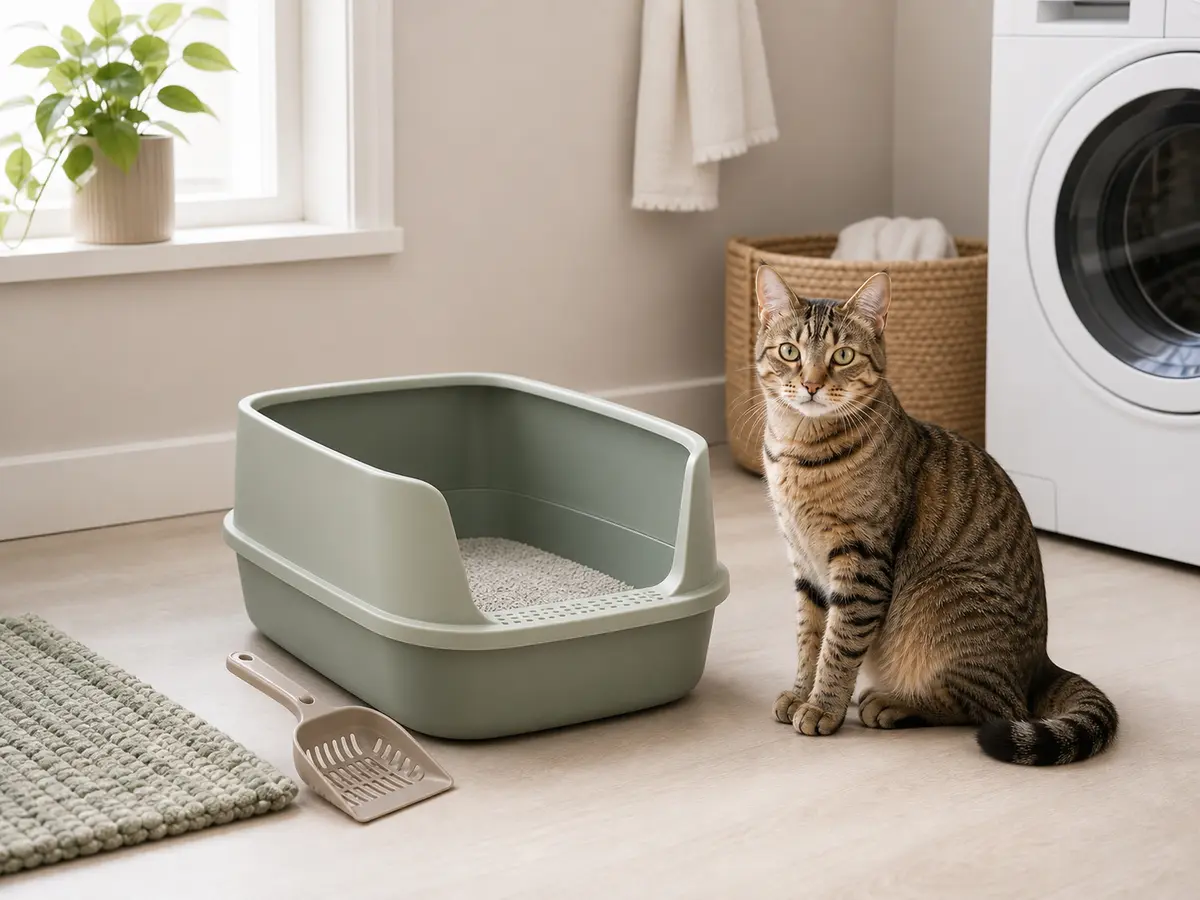
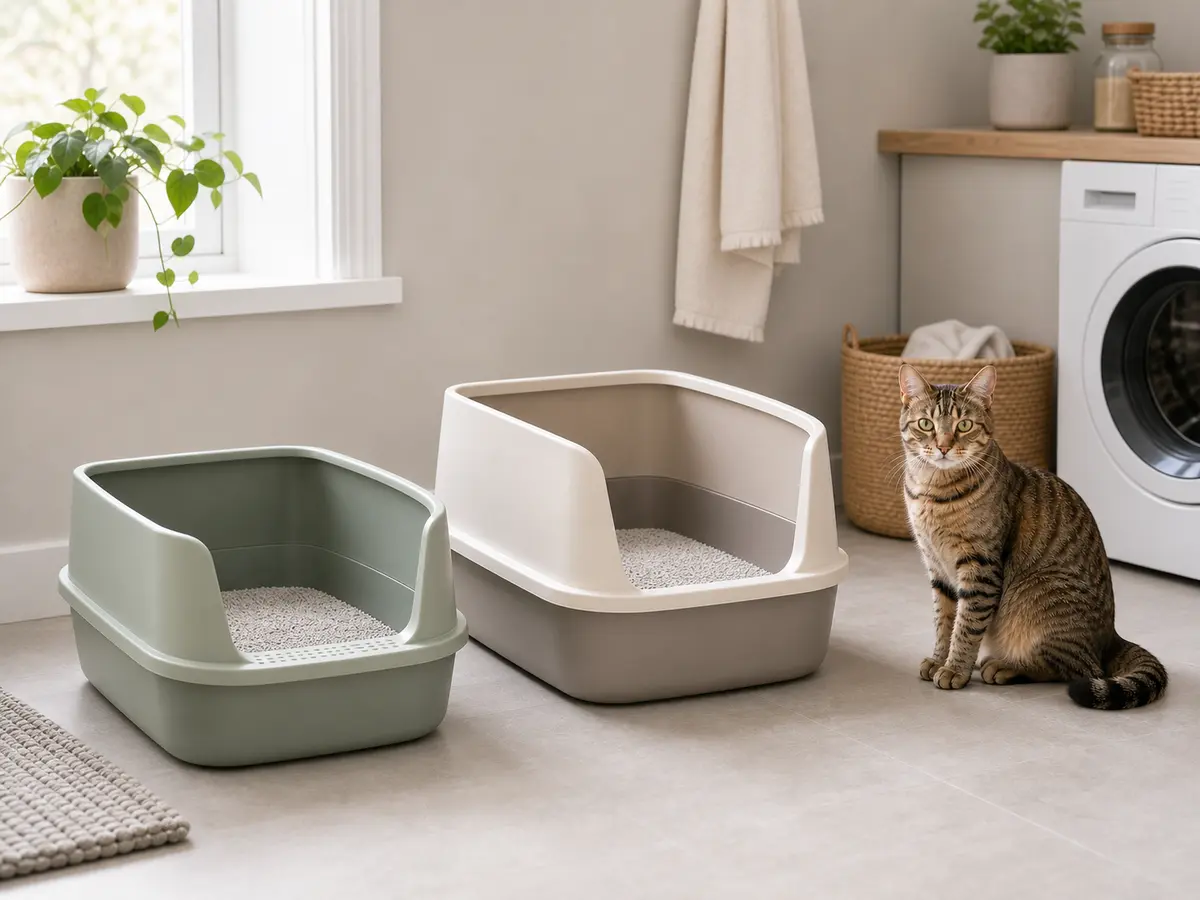
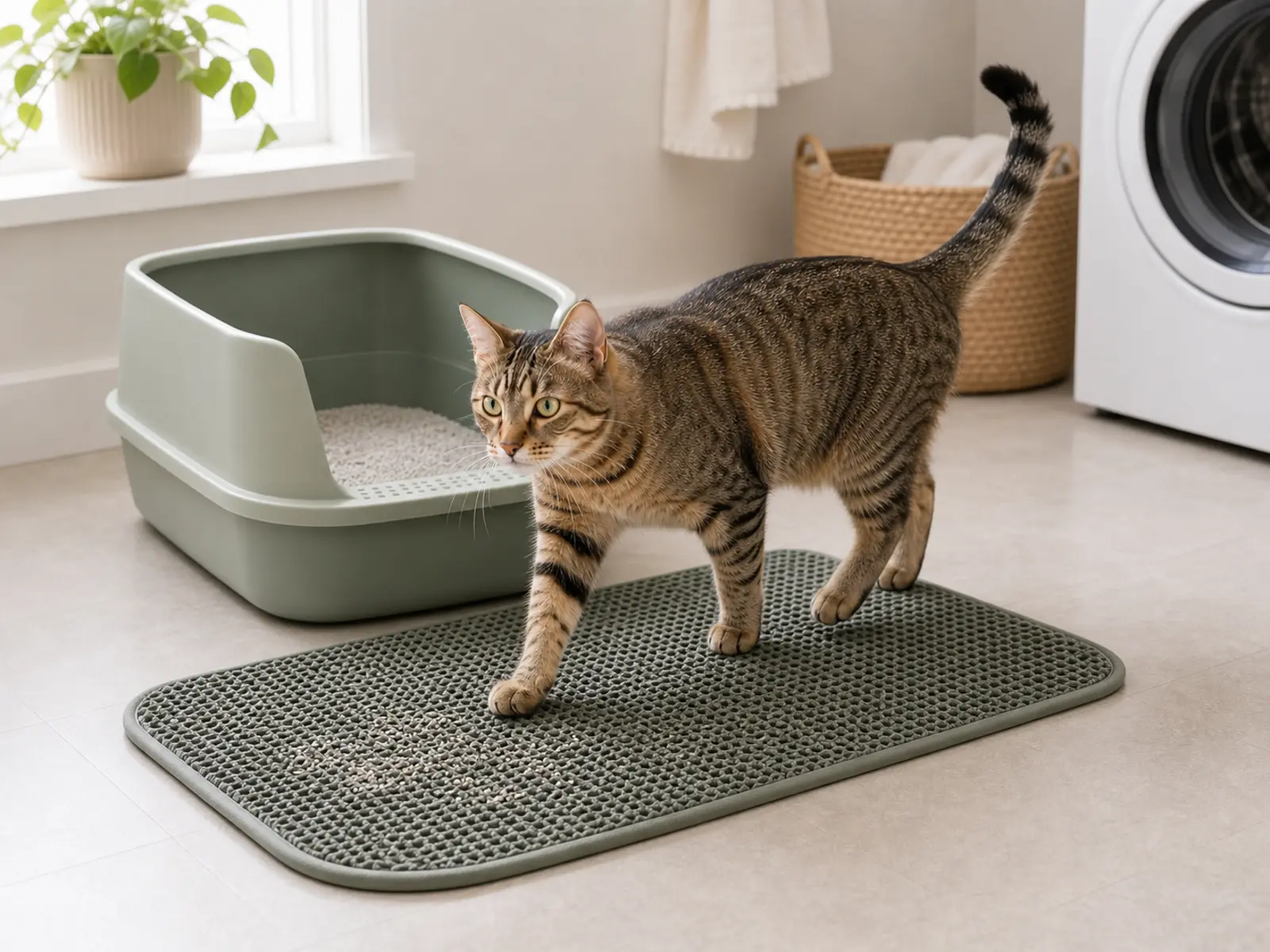
Use litter tools to make the easiest bathroom choice obvious: reachable box, enough room, manageable scatter, and daily scooping.
Affiliate links: Furball Cove may earn from qualifying purchases at no extra cost to you.
It is better not to. Use an unscented litter your cat accepts, scoop daily, and wash the box with mild soap and hot water instead of adding loose deodorizer.
What if my cat already used litter with baking soda in it?
Replace the treated litter and wipe away residue. Call your veterinarian or pet poison control if your cat swallowed powder, groomed it from the coat, got into an unknown amount, or seems unwell.