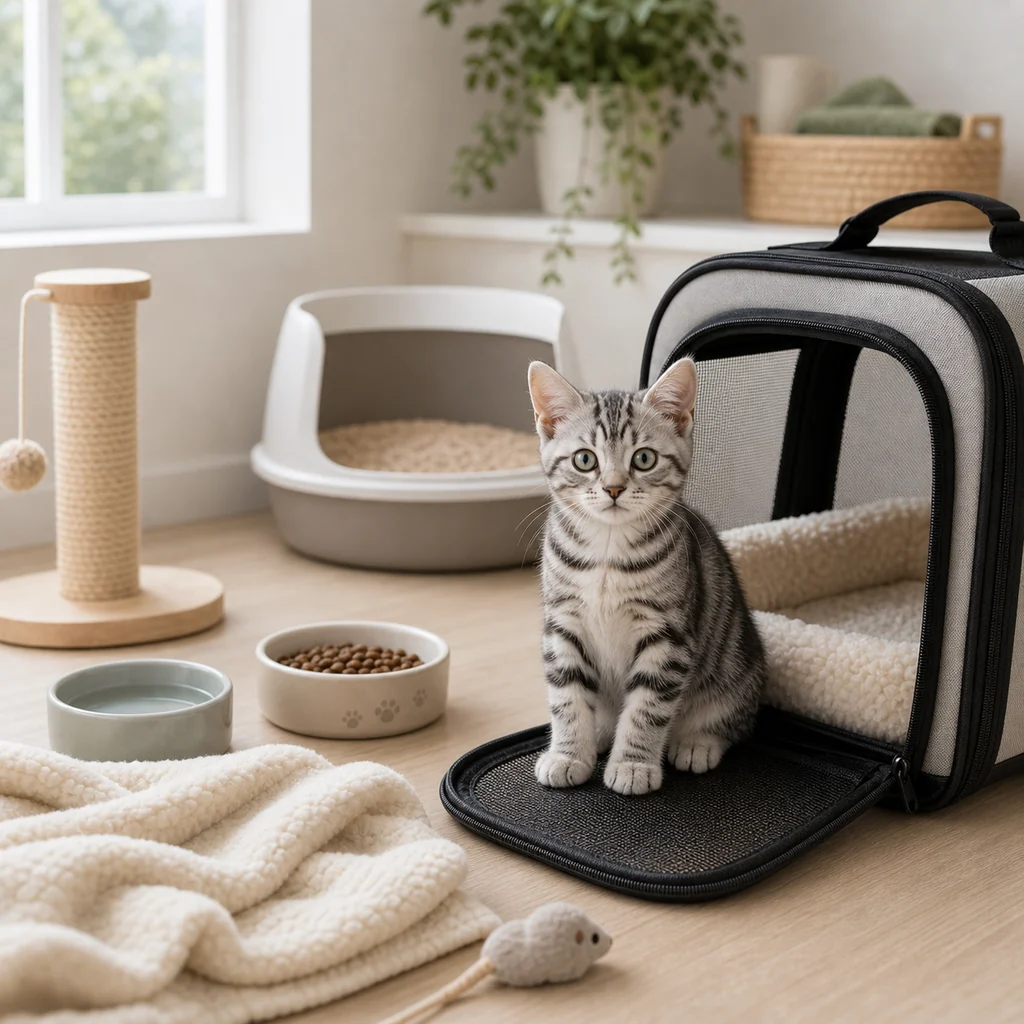
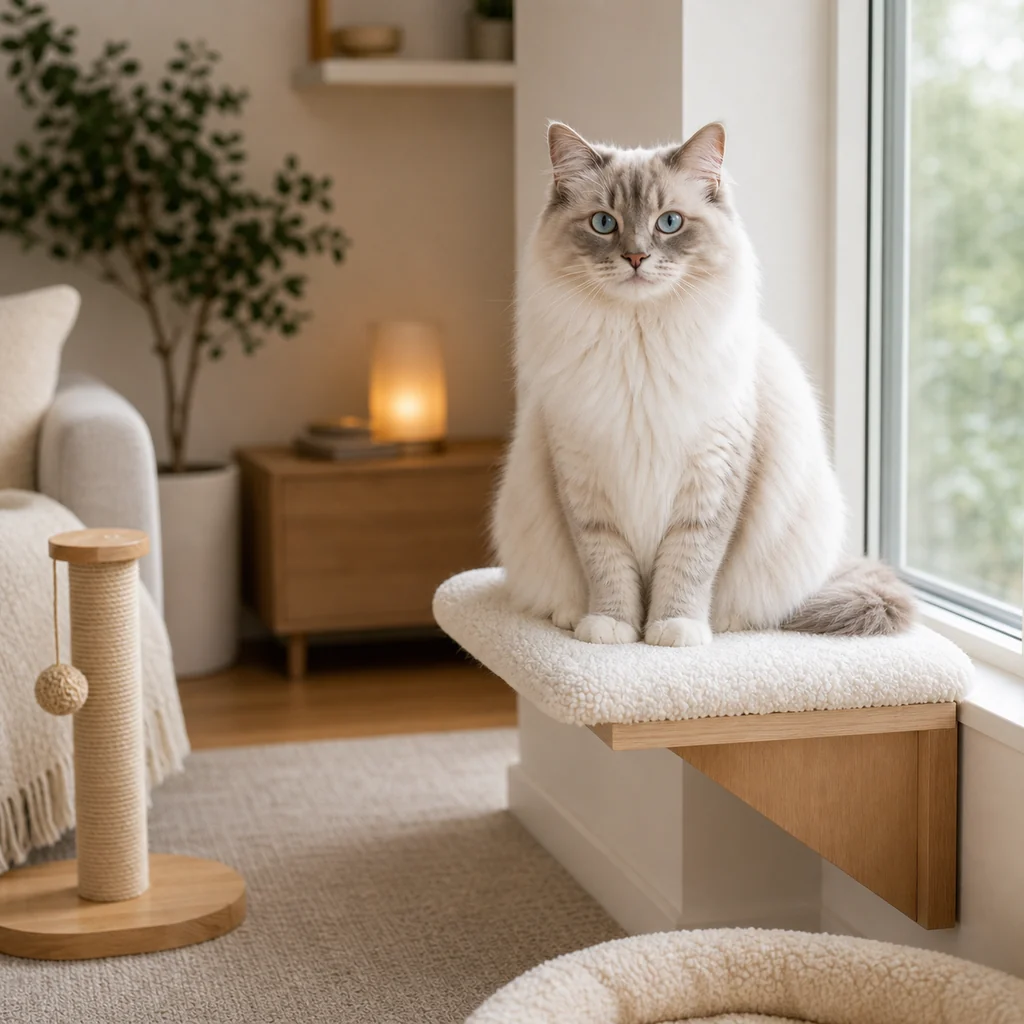
Apartment cats need a calm routine, vertical space, litter access, scratchers, and play more than they need a large floor plan.
Choosing a cat should feel thoughtful, not frantic. Picture the home you actually have: noise, time, grooming, kids, other pets, and how much daily play or quiet companionship would feel good.
Start with the individual cat
Apartment cats need a calm routine, vertical space, litter access, scratchers, and play more than they need a large floor plan.
Use the answer as a filter, not a verdict. The right next step is to compare the source, the cat's history, and the home routine you can keep after the exciting first week.
What this looks like at home
Quieter breeds may be easier in shared walls, but individual cats vary. A high-energy cat can still do well in an apartment if the room has climbing, puzzle feeding, and daily play.
A good choice depends on the actual cat, not only the label. Ask about energy, handling, litter habits, noise tolerance, social recovery, and how the cat behaves after the first few quiet minutes.
What to do next
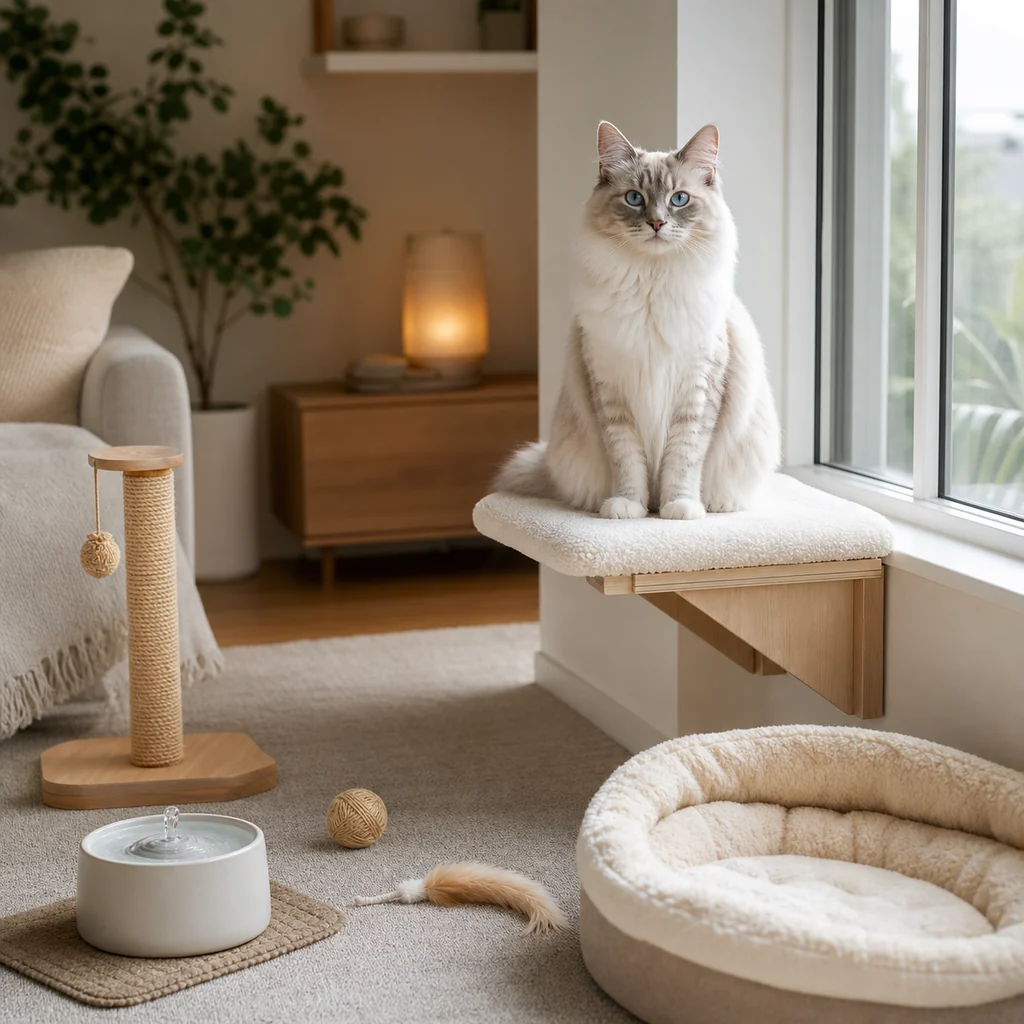
Compare breeds by voice, energy, grooming, and confidence, then plan window perches, scratchers, litter placement, and a daily play rhythm.
Slow the decision down enough to compare daily fit. Meet the cat in a calm moment, ask for history, and choose the home routine you can maintain after the exciting first week.
Before you decide
Is this a new pattern or a long-standing habit?
Did food, litter, home setup, visitors, pets, or routine change recently?
Does your cat still eat, drink, use the box, move, and rest normally?
Would pain, toxin exposure, or sudden illness make this urgent?
Next best moves
Make one small change and observe before changing everything.
Keep notes if the pattern repeats.
Call your vet quickly for sudden health, pain, toxin, or litter-box warning signs.
Quick cat question
What are the best cat breeds for apartments?
Apartment cats need a calm routine, vertical space, litter access, scratchers, and play more than they need a large floor plan.
Is this a substitute for a veterinarian?
No. Use it to understand the routine and decide what to ask, but call your veterinarian for illness, pain, toxins, sudden behavior changes, or anything that feels urgent.