Ask better shelter questions
Ask what the cat is like when the room is calm: hiding, greeting, playing, eating, using the box, and accepting touch. A shy cat is not a bad cat, but the home needs to be ready for patience.
Updated
Adoption
A good adoption match starts with temperament, routine, and the first week at home.
The right cat is not just the prettiest photo. Look at noise level, handling comfort, other pets, children, litter habits, medical notes, and how the cat settles when life is quiet.
Ask what the cat is like when the room is calm: hiding, greeting, playing, eating, using the box, and accepting touch. A shy cat is not a bad cat, but the home needs to be ready for patience.
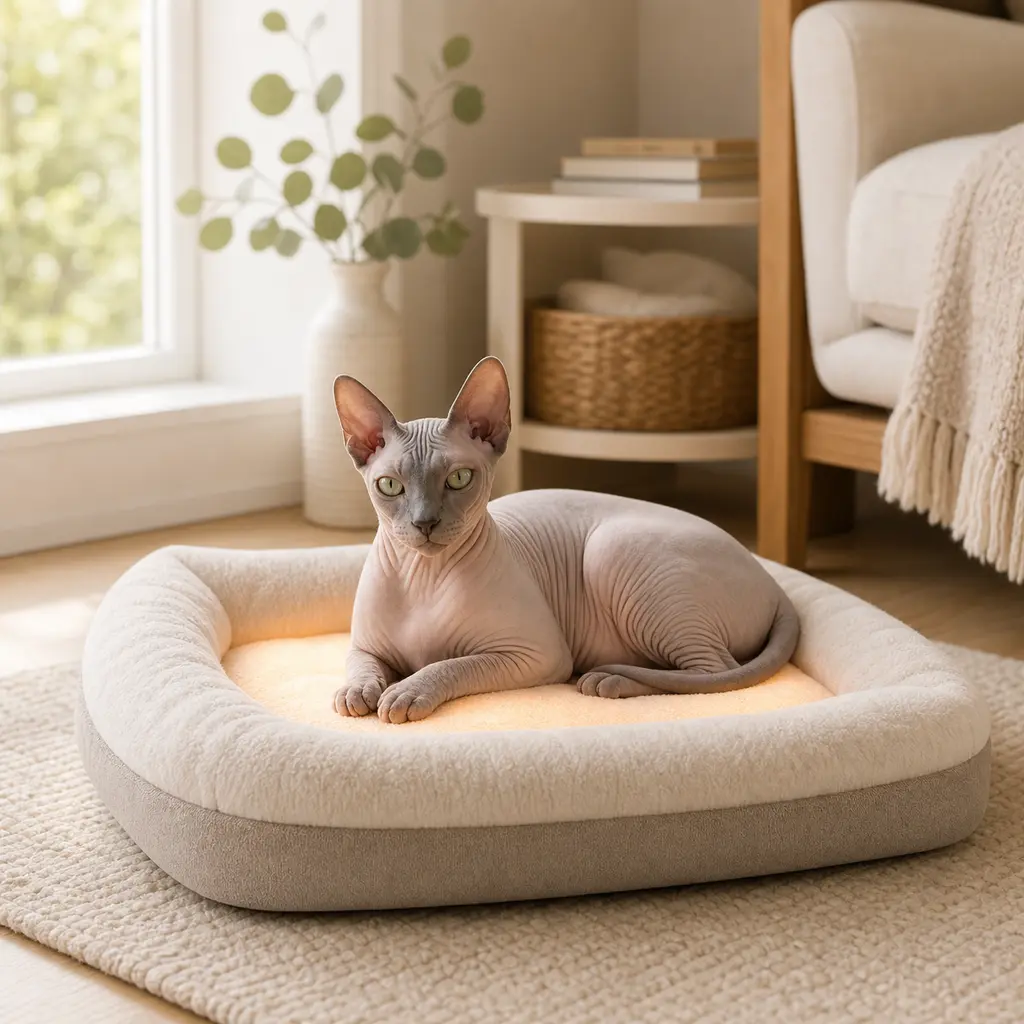
Kittens are busy and need supervision. Adult cats are often easier to read. Bonded pairs may settle better together. Seniors can be steady, affectionate, and wonderfully clear about their favorite routines.
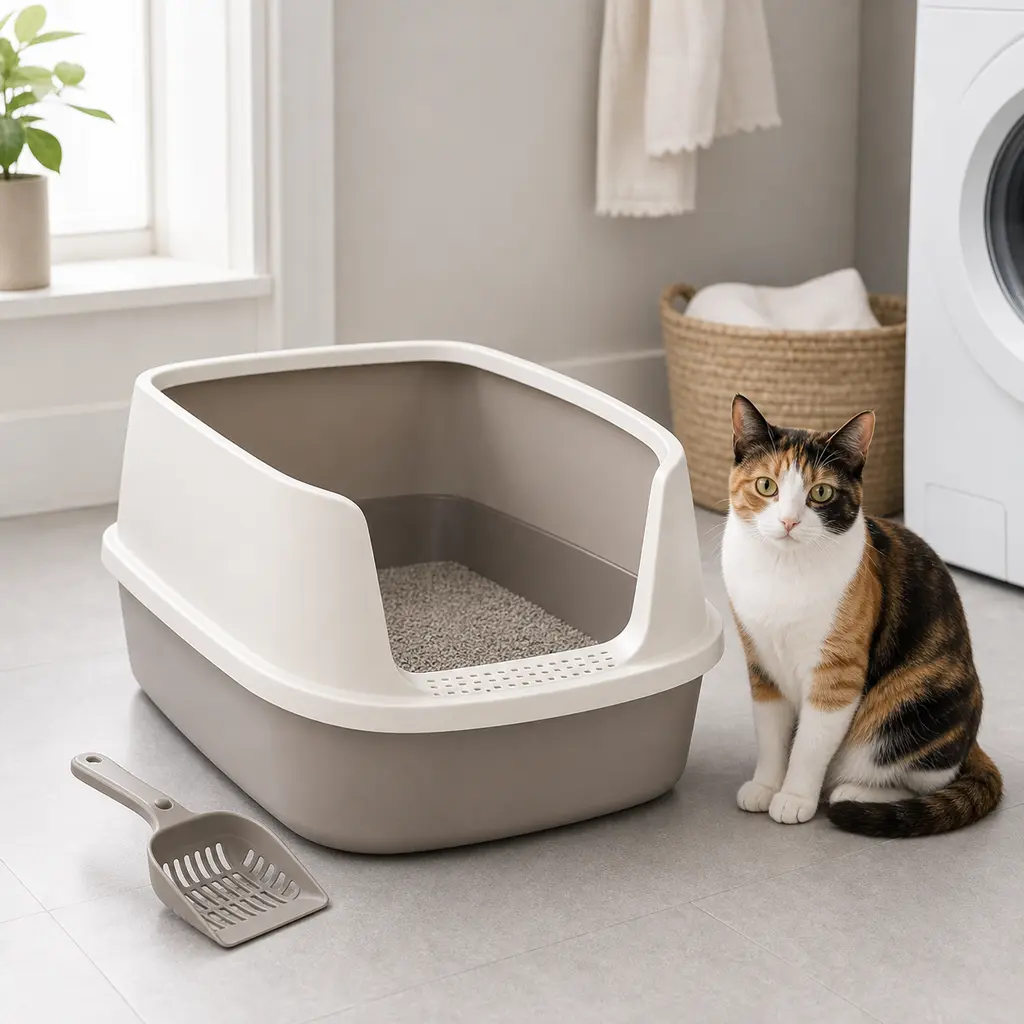
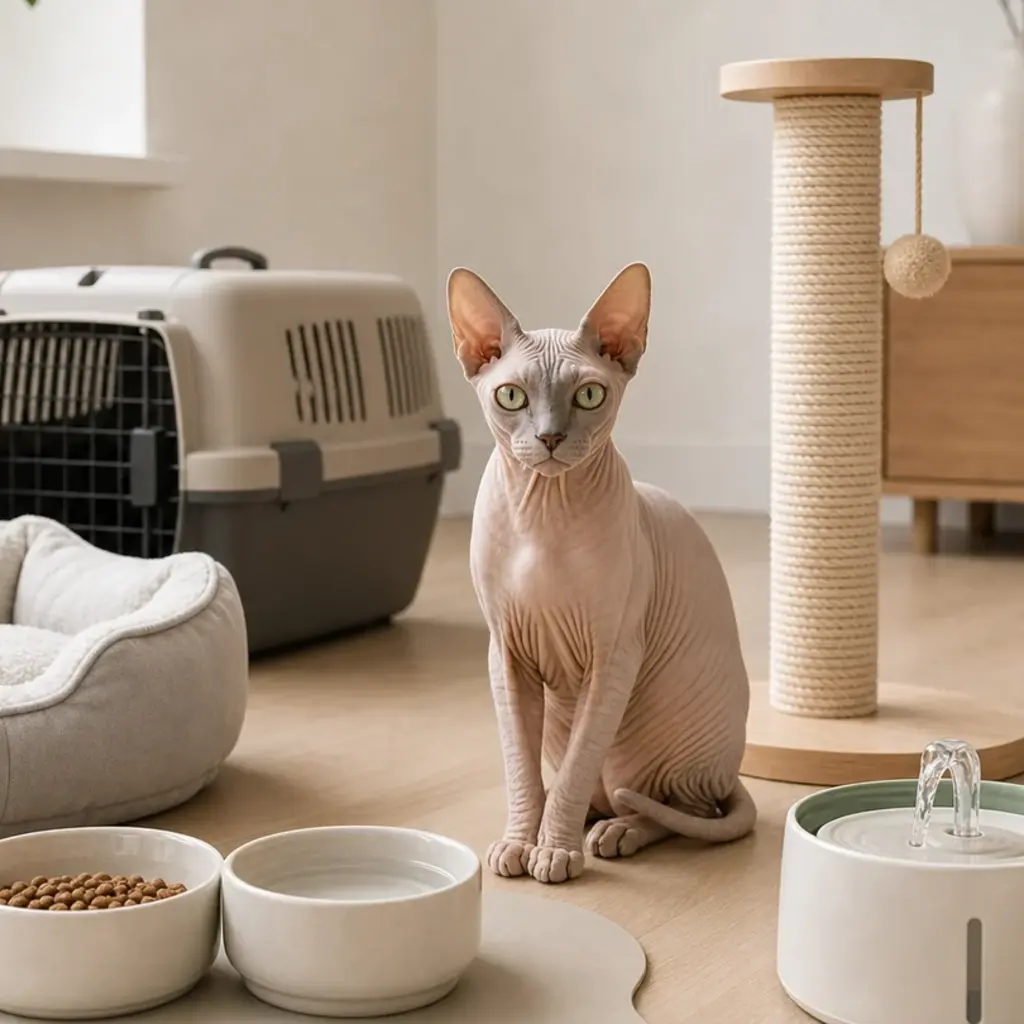
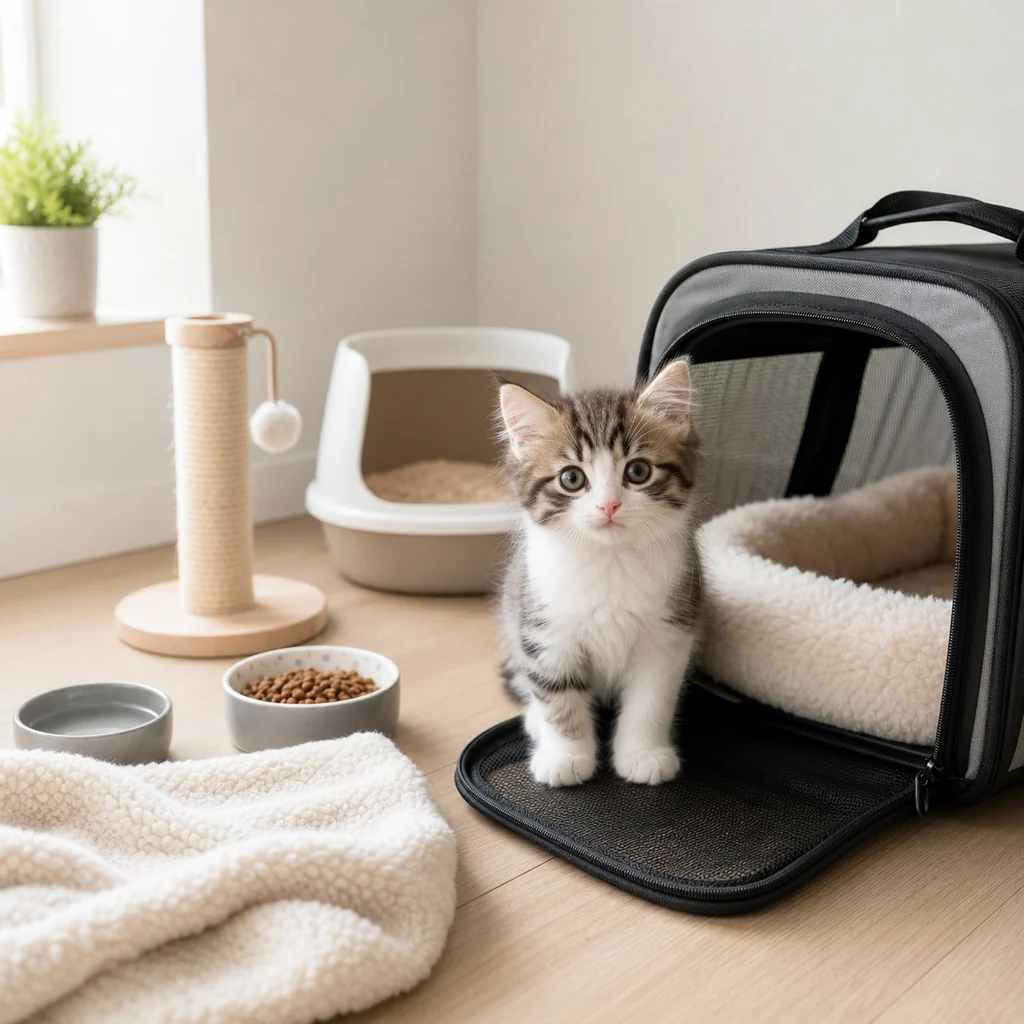
Use one quiet room with food, water, litter, a scratcher, a hiding place, and the carrier left open. A smaller start helps the cat learn the home without feeling chased by every hallway.
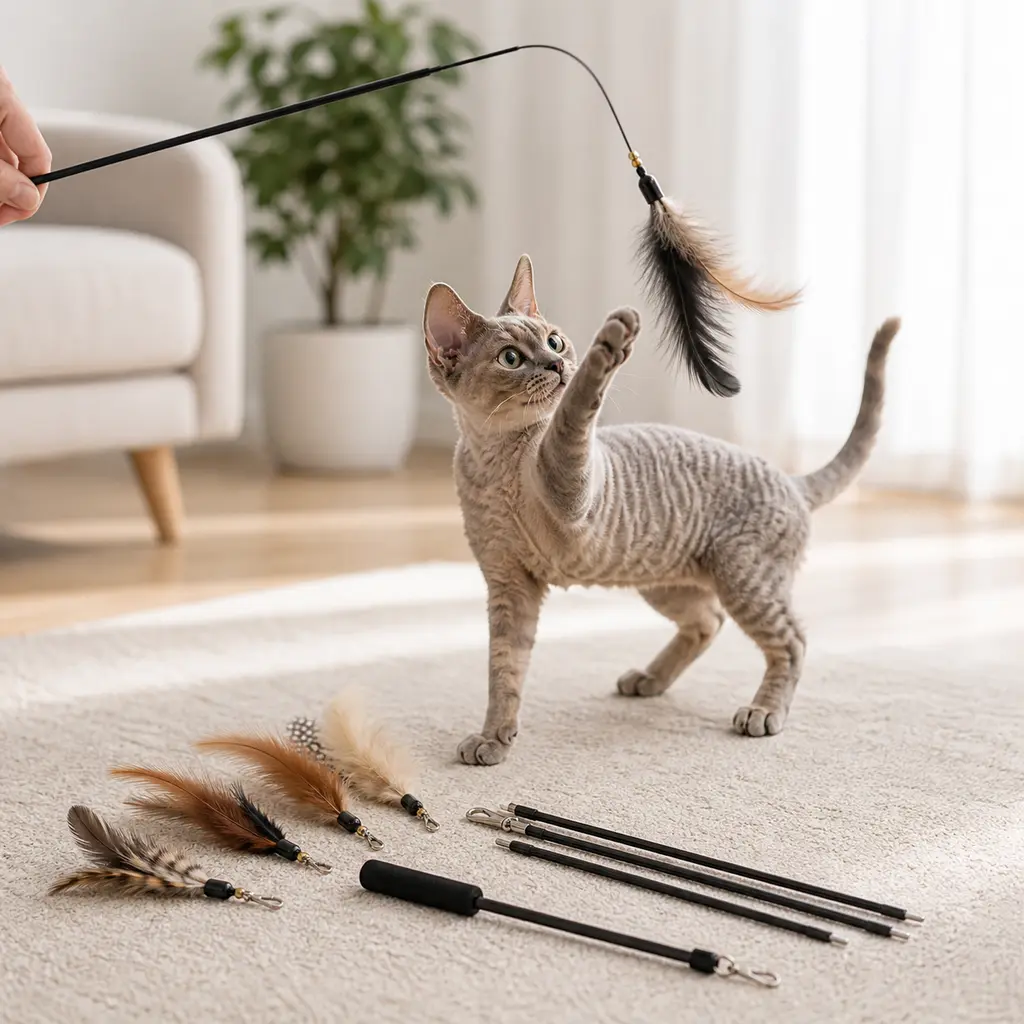
Some cats explore by dinner. Others need several days of quiet check-ins. Sit nearby, offer treats or play, and let the cat choose distance before you invite more handling.
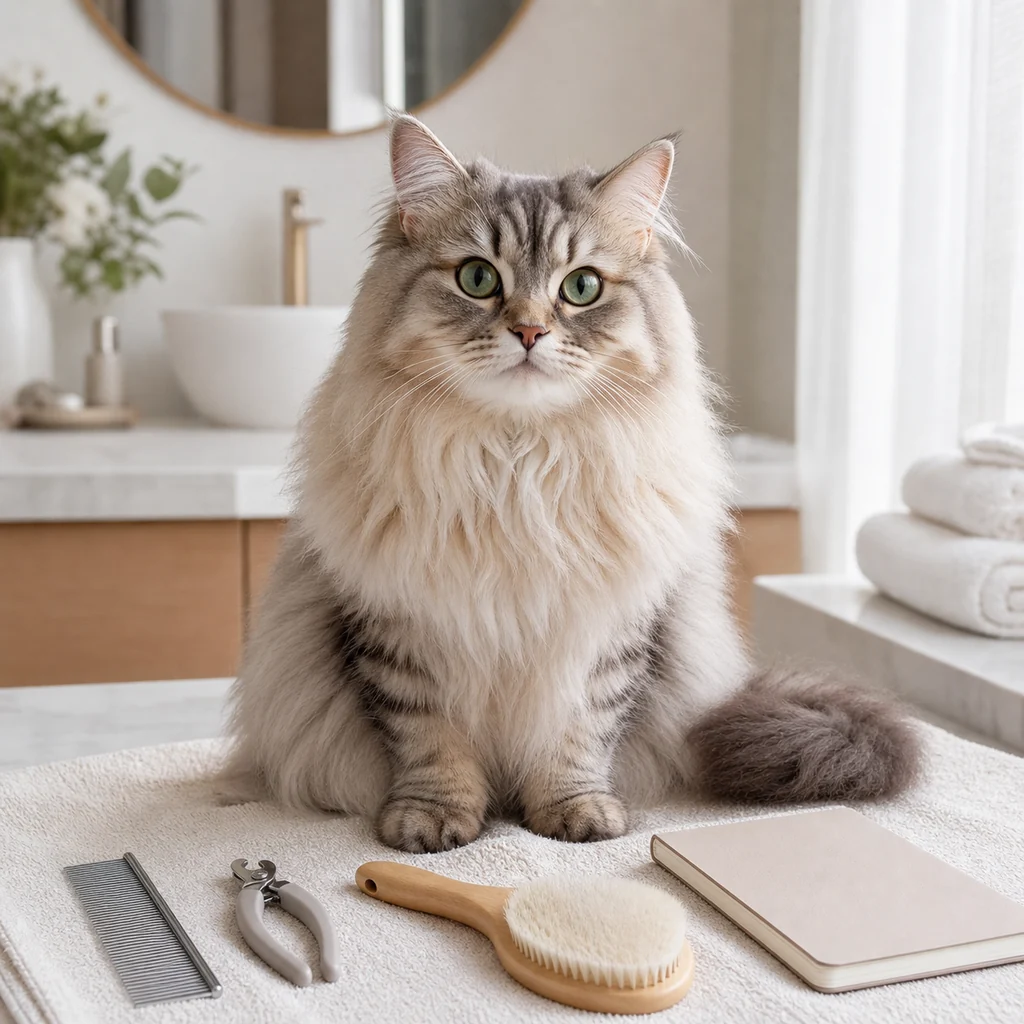
Bring adoption records to your veterinarian and ask about spay or neuter status, parasite prevention, diet changes, medications, and any warning signs the shelter mentioned. Call your vet sooner if the cat will not eat, cannot urinate, hides with obvious distress, or seems painful.
Care gear for cat adoption should protect trust first, then make the task cleaner or more precise.
Affiliate links: Furball Cove may earn from qualifying purchases at no extra cost to you.
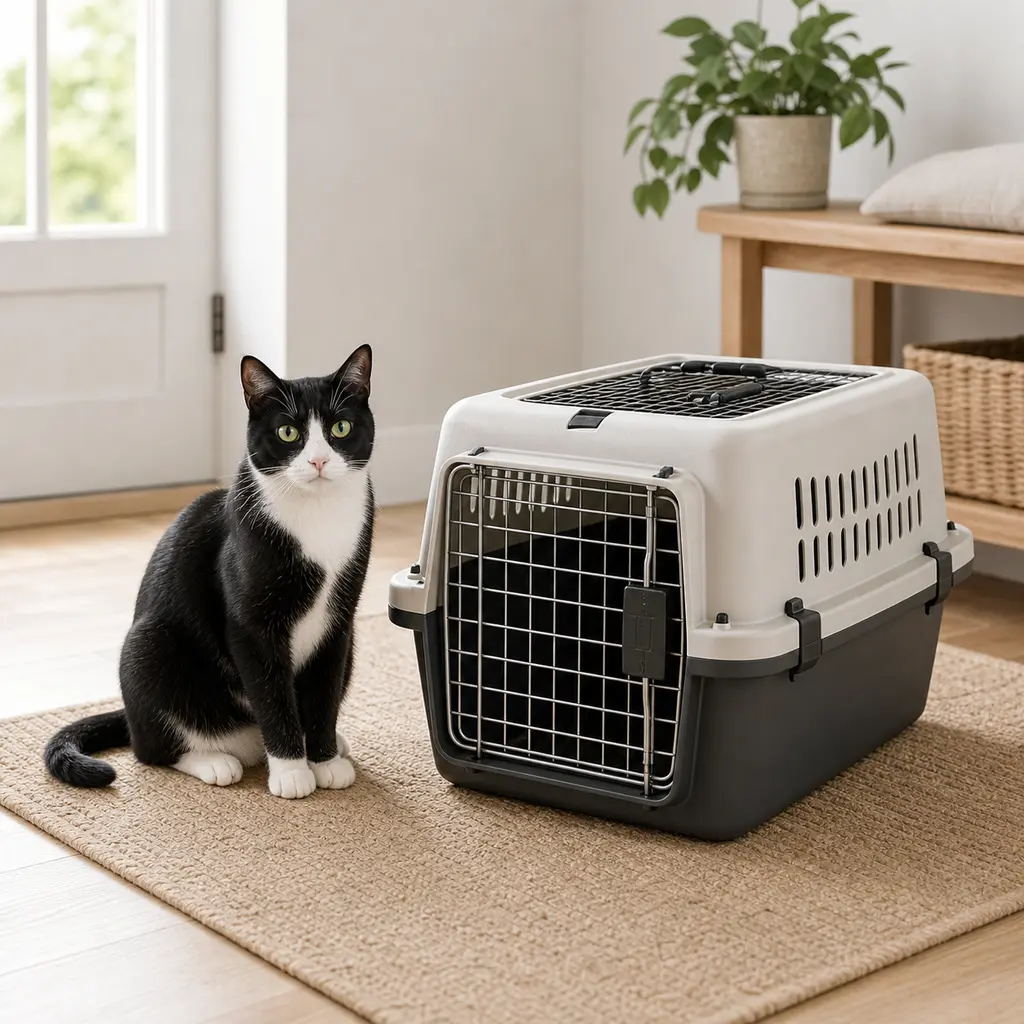
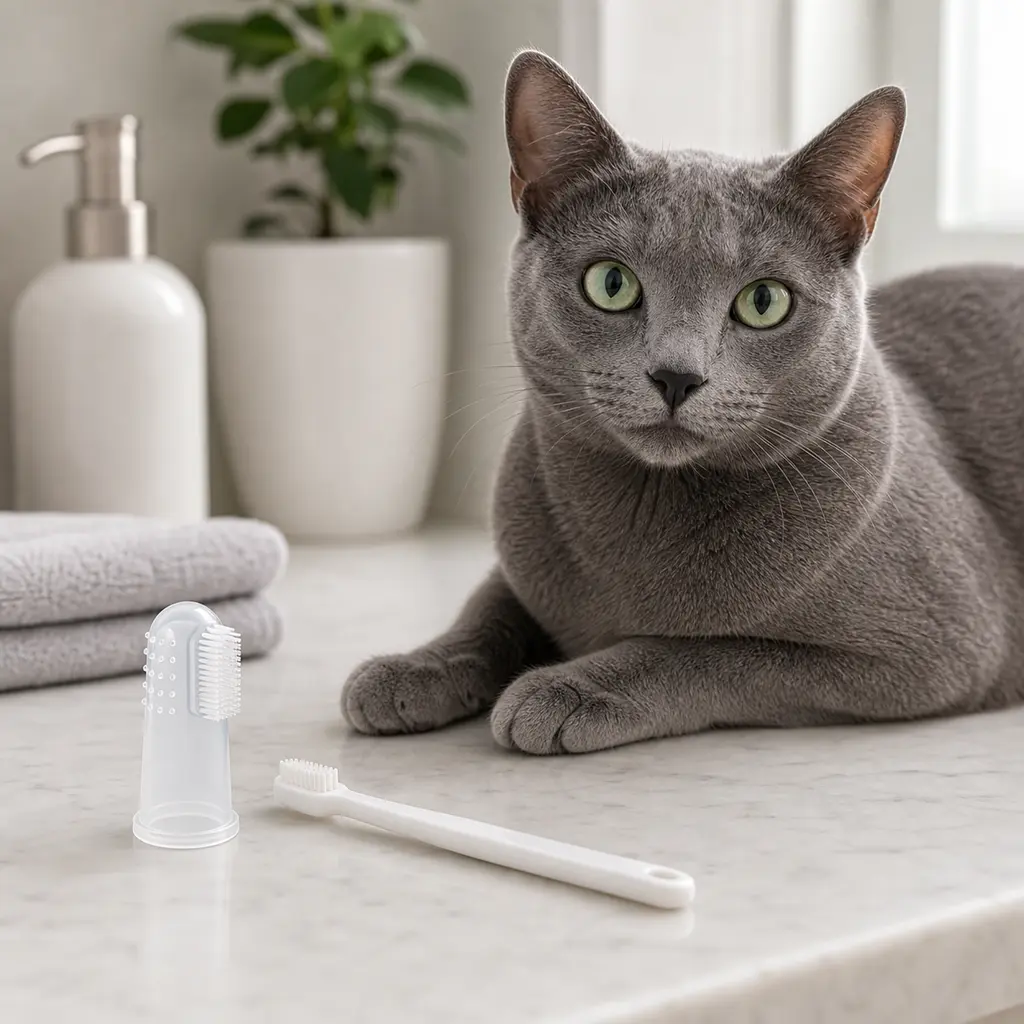
This earns its spot in cat adoption because it can turn vet-day handling into a setup you can practice before it matters.
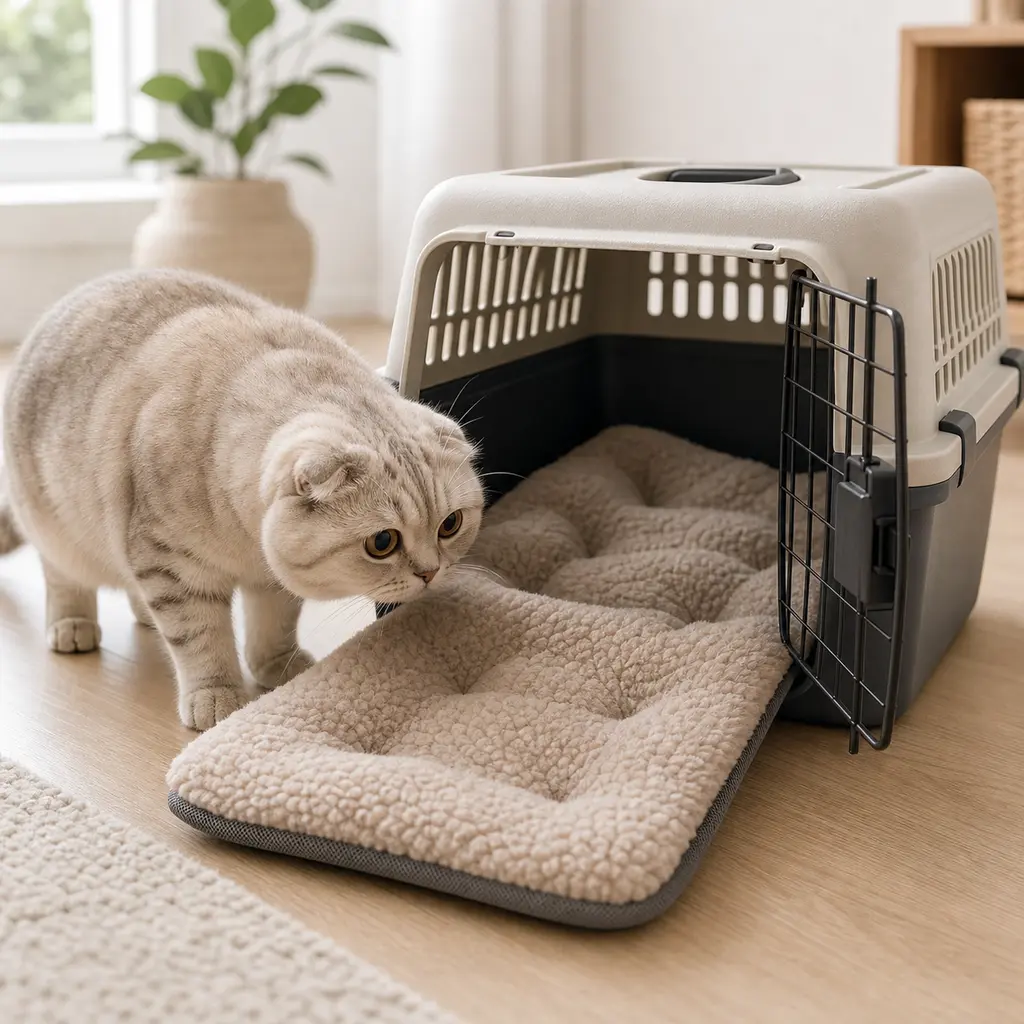
A good pick for cat adoption: it can add a washable layer when treats, stress shedding, or car rides happen.
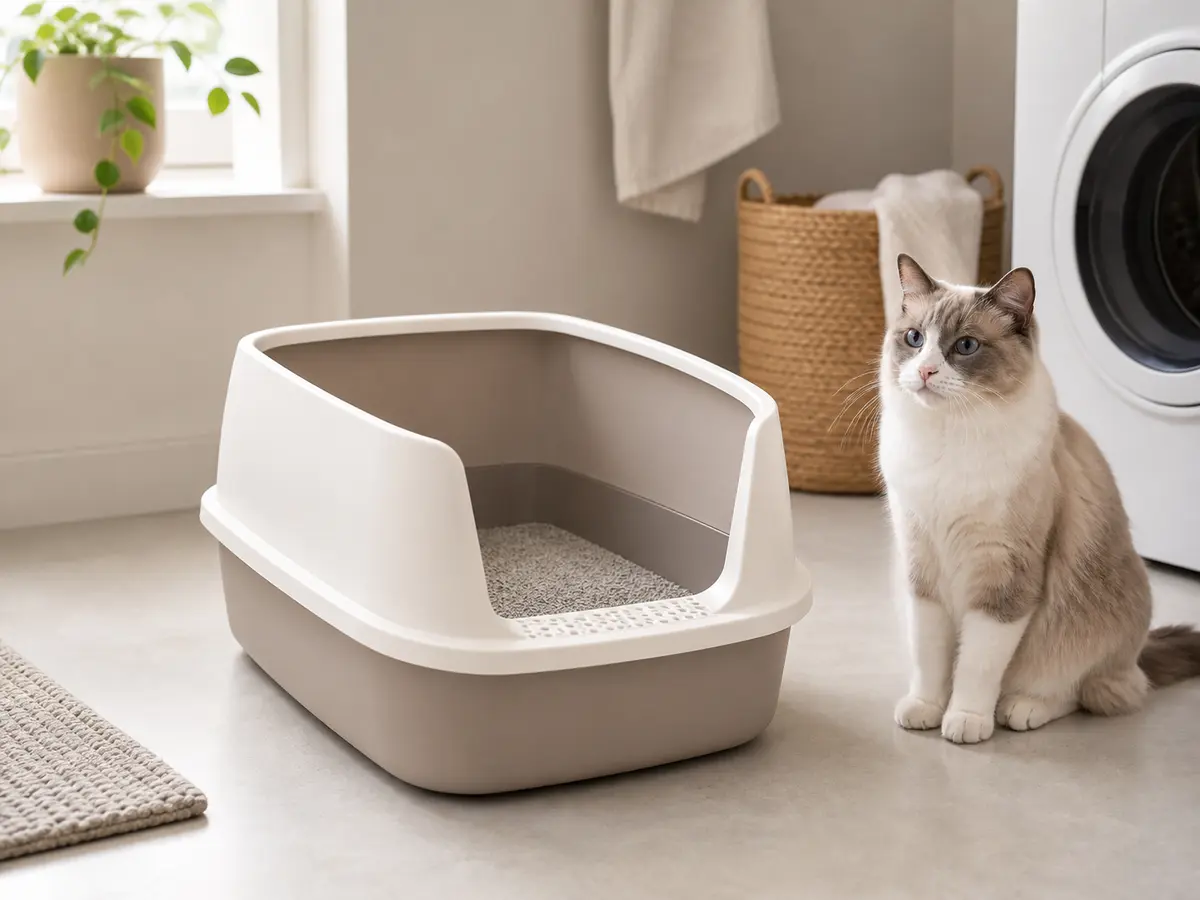
This earns its spot in cat adoption because it can make daily scooping cleaner when your cat likes a dramatic dig.
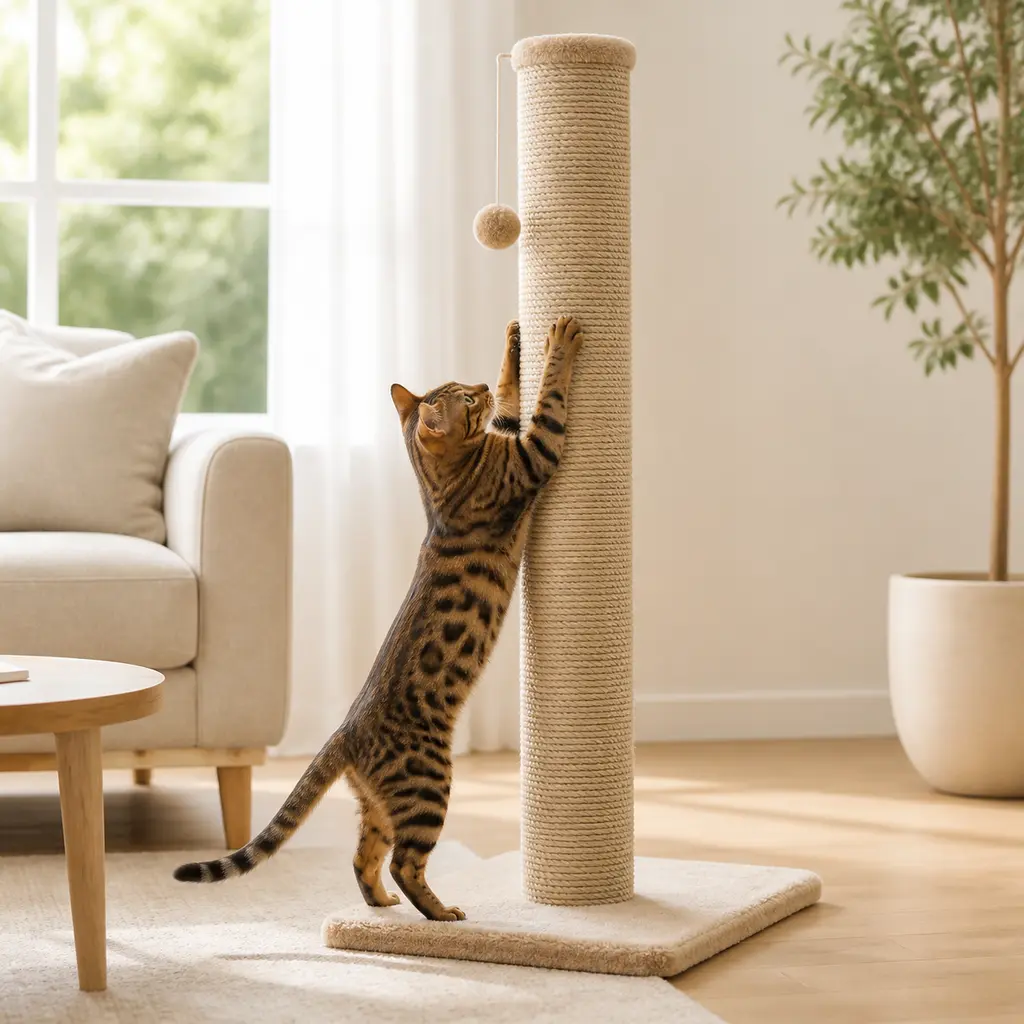
For cat adoption, choose this when you want to make claw care part of the room instead of a scolding moment.
For cat adoption, watch the real-life pattern: calm use, normal appetite, predictable litter habits, relaxed body language, and cleanup you can keep doing.
Ask a veterinarian, groomer, or qualified behavior professional when appetite, weight, litter habits, breathing, pain, skin, coat, fear, biting, or sudden behavior changes feel new, severe, repeated, or hard to manage safely.