Quick answer
For companion birds, species usually matters most. Breed, variety, mutation, color, song line, type line, and show line are second-level details unless they change movement, grooming, diet, health monitoring, or housing.
Bird guides
For birds, species comes first; breed, color, song line, or mutation is a second-level detail.
Use this page to separate real care differences from appearance, show lines, color mutations, and marketing labels.
For companion birds, species usually matters most. Breed, variety, mutation, color, song line, type line, and show line are second-level details unless they change movement, grooming, diet, health monitoring, or housing.
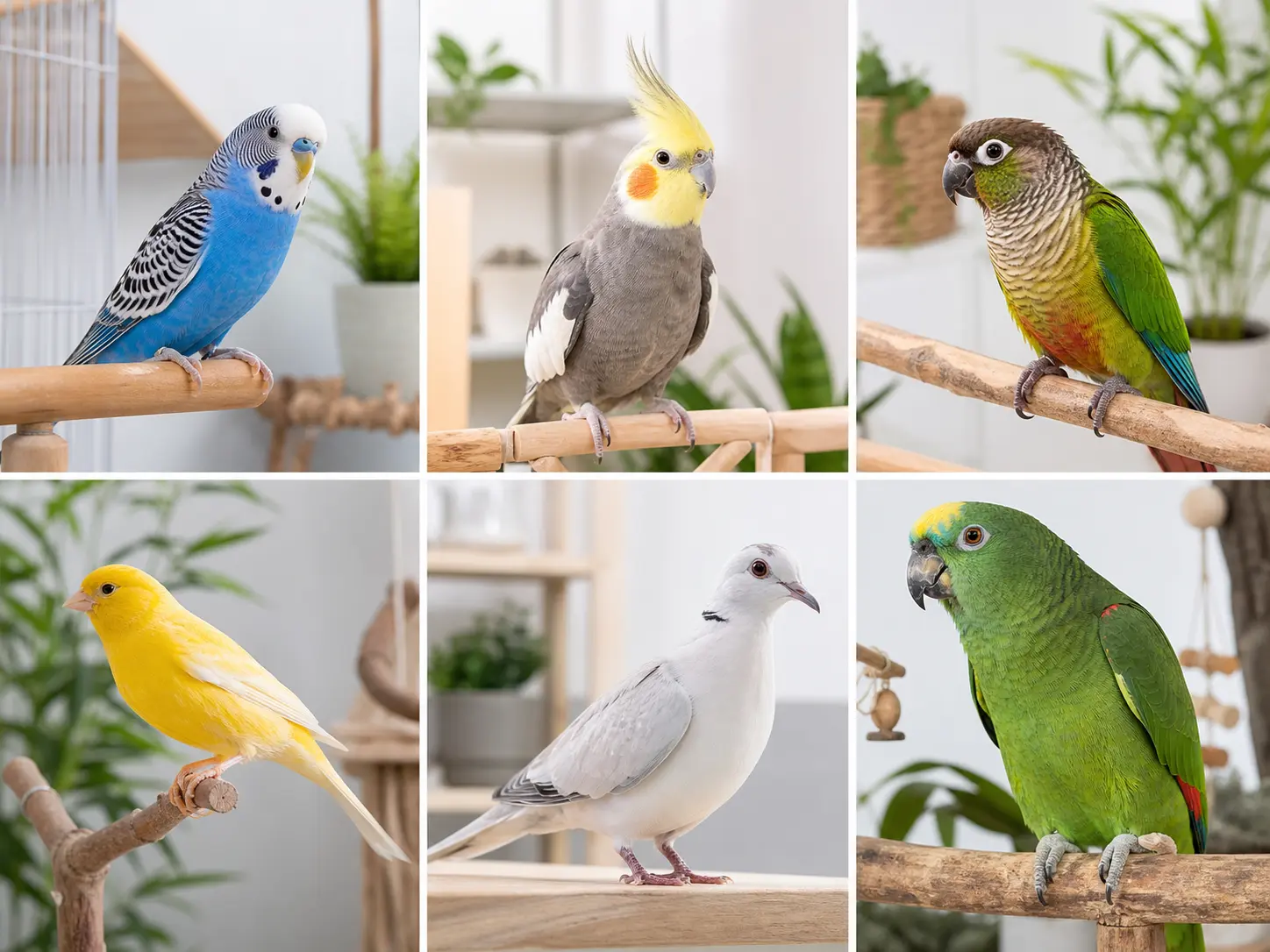
Many pet parrots are not organized like dog breeds. A budgie, cockatiel, lovebird, conure, Amazon, cockatoo, or macaw is usually chosen and cared for by species or species group first. Mutation labels may describe color, not temperament or difficulty.
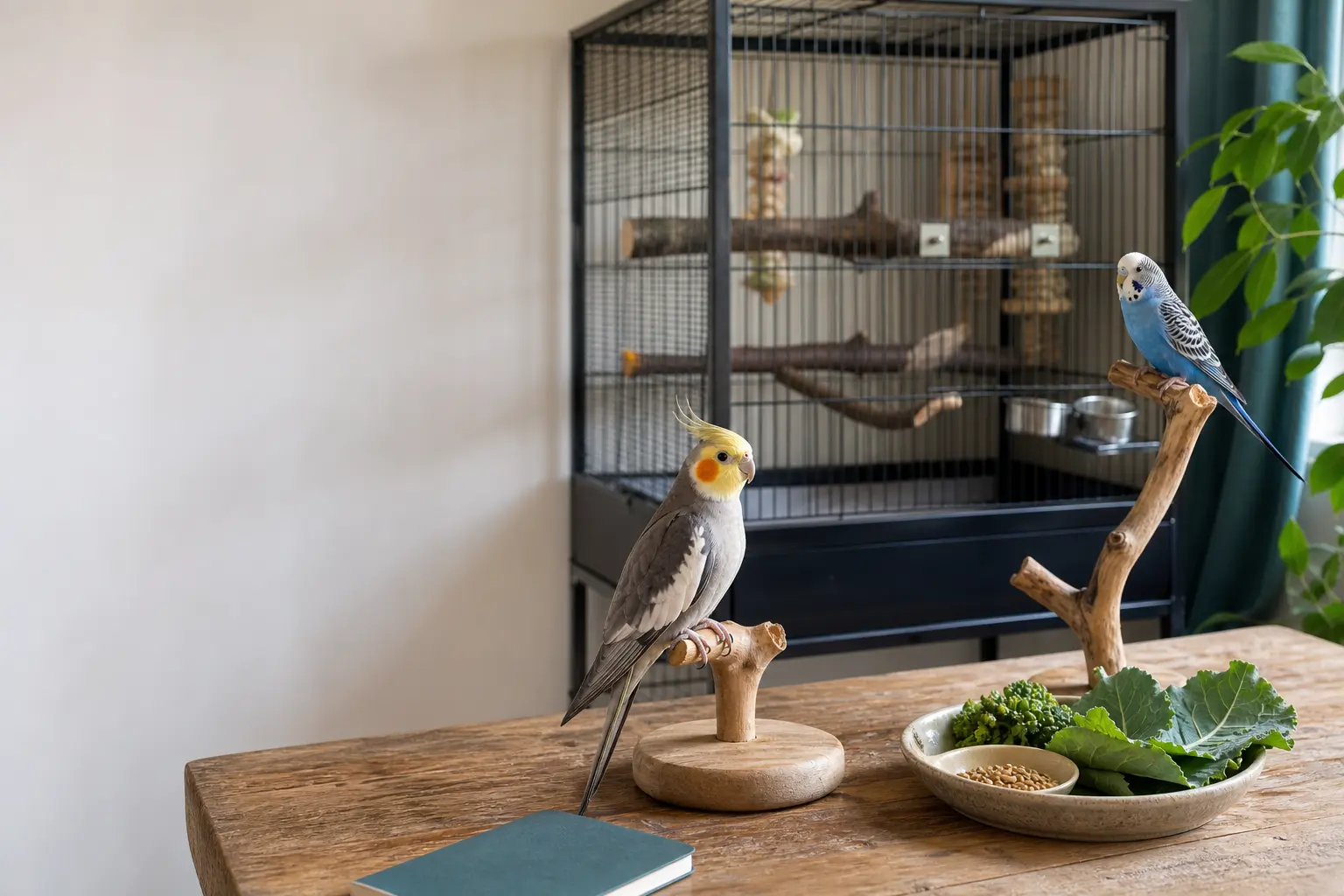
Use species as the care anchor: expected adult size, noise, lifespan, diet, social needs, cage footprint, mess, and common health concerns. This is why the species guide should come before shopping by color.
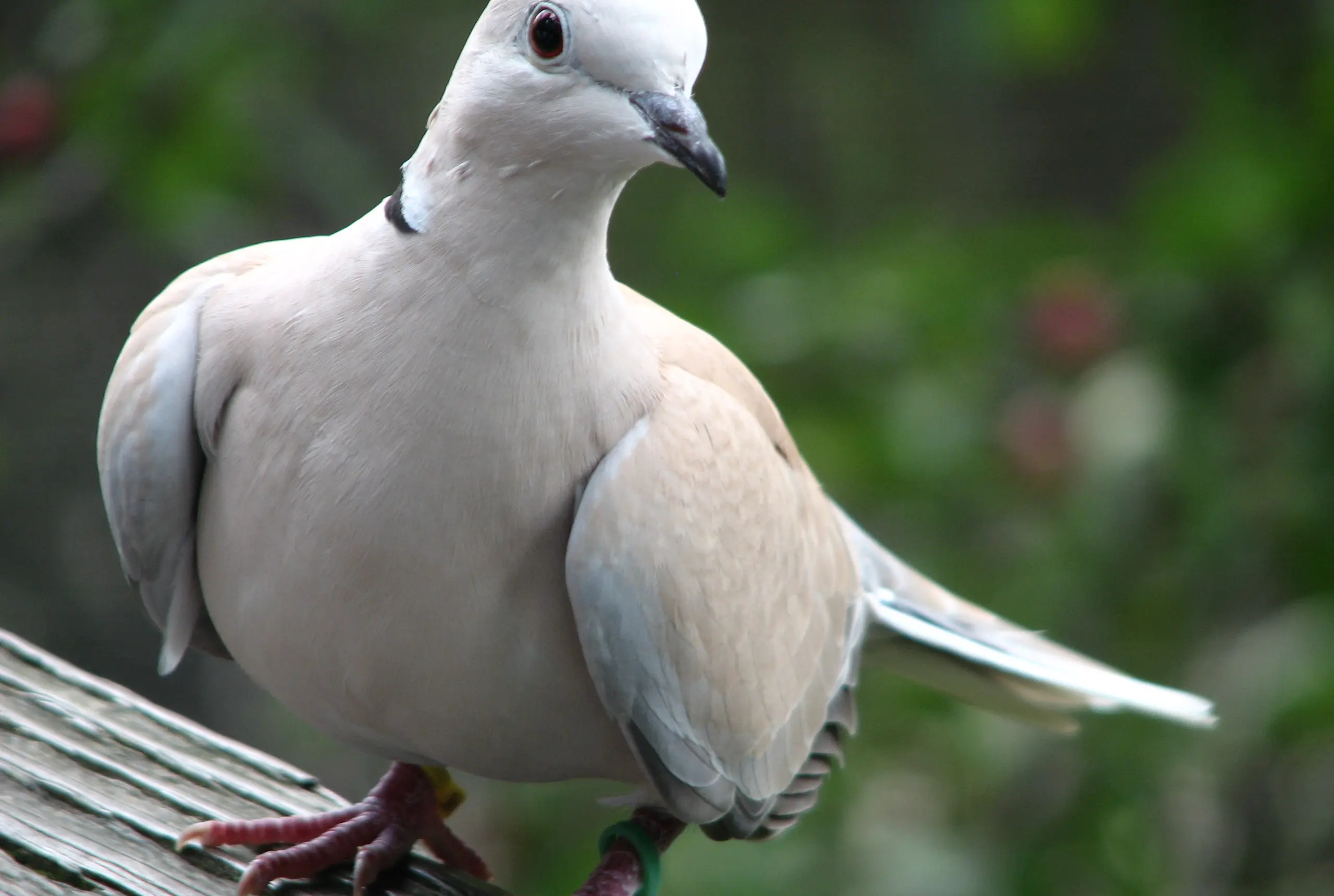
Breed is most useful in domestic or selectively bred contexts such as fancy pigeons, some doves, poultry, and show lines. Breed can affect feathering, body shape, flight, visibility, and sometimes housing or grooming.
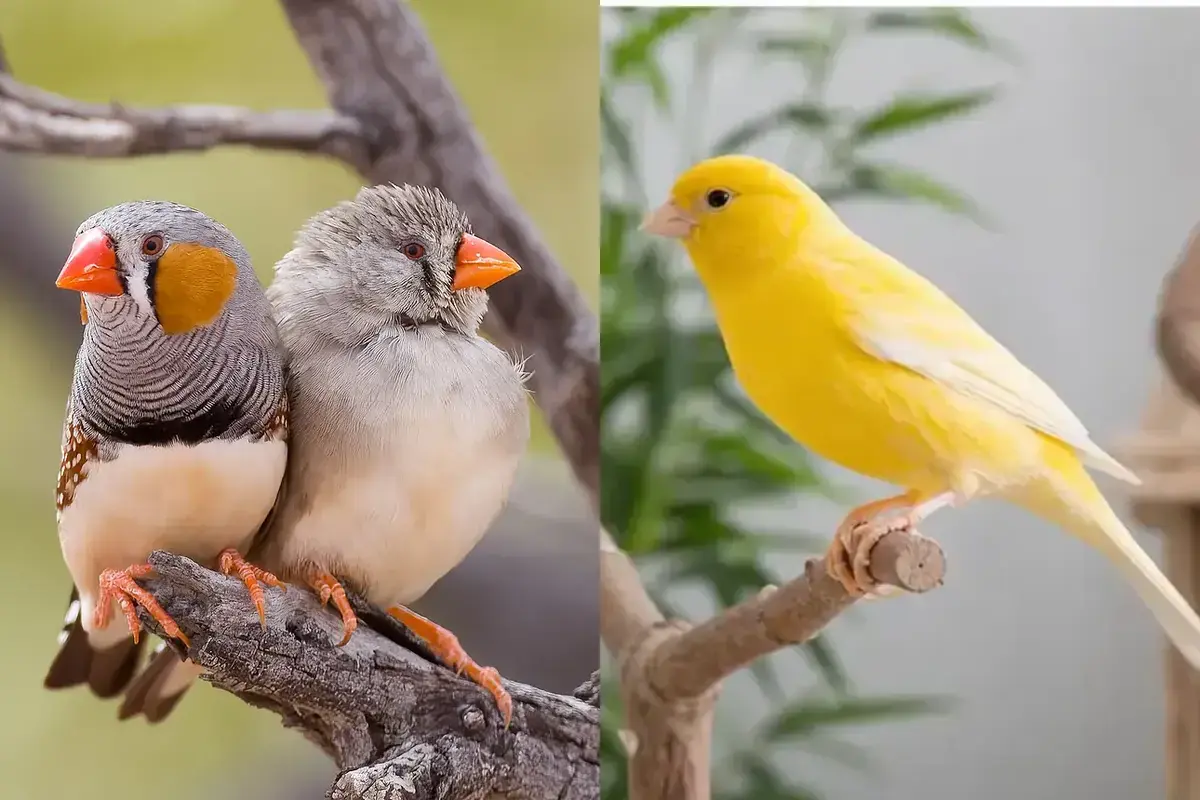
Variety or type can mean appearance, posture, size, song, feathering, or show standard. With canaries, song line, type line, and color line may shape what owners expect, but the bird still needs sound canary care.
A morph or mutation is an inherited trait such as color, pattern, crest, or feather texture. Many parrot color mutations do not change core care, and they do not make a bird quieter, easier, less messy, or shorter-lived.
Take variety seriously when it affects flight, feather care, posture, visibility, mobility, size, breeding pressure, or feeding. Crested birds, heavily feathered pigeons, unusual posture lines, and larger forms deserve extra setup scrutiny.
Do not choose by rare color, marketing label, baby photo, or novelty before checking noise, lifespan, cage size, diet, vet access, social needs, and adult temperament. The premium choice is the bird whose daily care you can keep well.
Start here before a seller, rescue post, or forum label makes a bird sound easier than it is.
Species
The main biological identity and the best care anchor for most companion birds.
Breed
A selectively bred line, more common in pigeons, poultry, and domestic contexts.
Variety or Type
Appearance, song, size, posture, or show traits within a species.
Morph or Mutation
An inherited color, pattern, or feather trait that often changes looks more than care.
Some labels change the daily setup. Others mostly change what the bird looks or sounds like.
Canary Song Lines
Song, type, and color lines can affect expectations, but canary care still comes first.
Fancy Pigeons
Some breeds change flight ability, feather care, visibility, mobility, and housing needs.
Feather or Flight Limits
Crests, heavy feathering, posture, or reduced flight can change grooming and safety.
Size Differences
Adult body, tail, wings, and beak strength matter more than a cute label.
Color can be beautiful, but it rarely changes the hard parts of bird ownership.
Budgie Colors
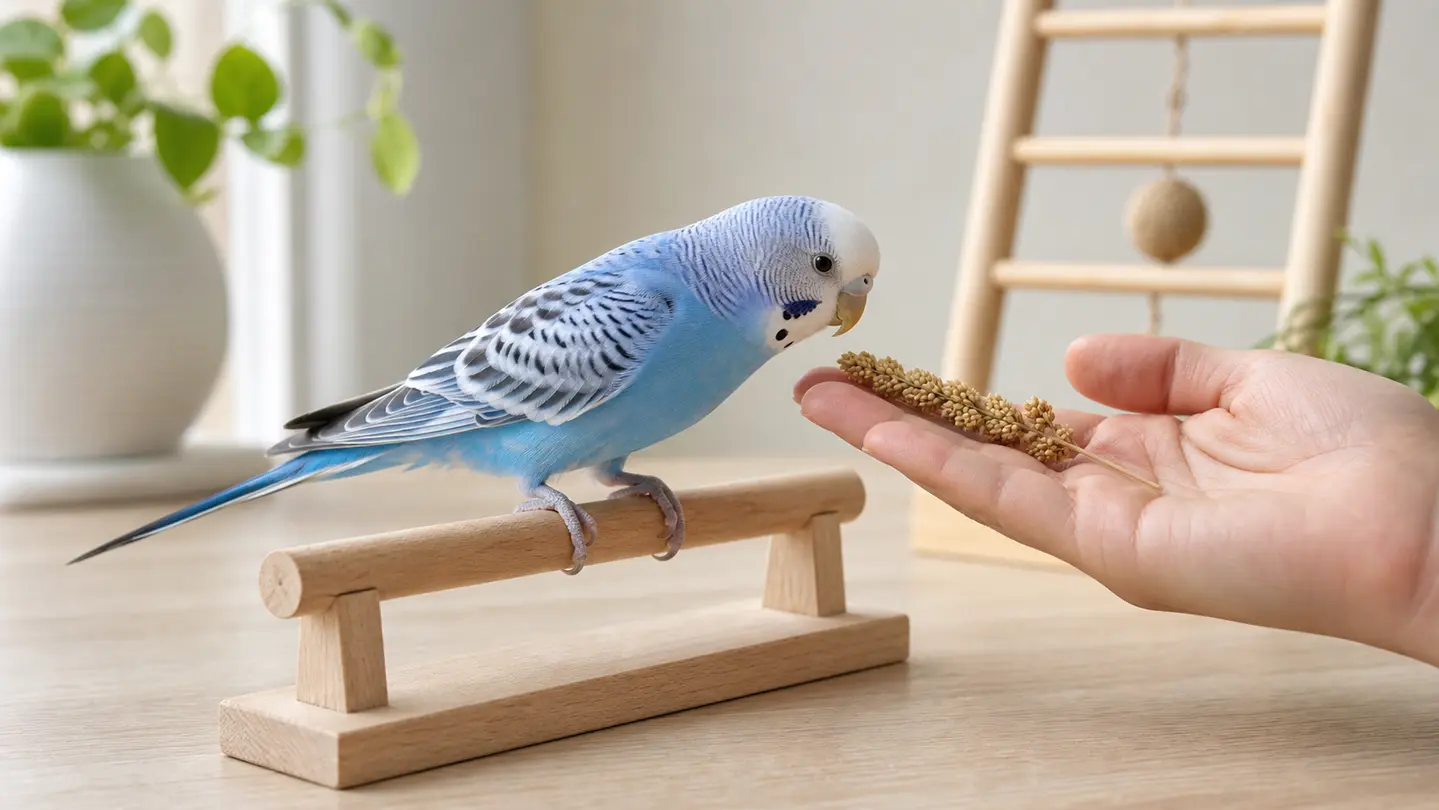
A blue, green, pied, or lutino budgie still needs budgie space, diet, and social care.
Cockatiel Colors
Pearl, lutino, pied, or cinnamon does not remove dust, sleep, diet, or handling needs.
Parrot Mutations
Color does not make a parrot quieter, easier, shorter-lived, or lower-care.
Compare the Care
Use noise, lifespan, housing, food, handling, and mess before color preference.