

Could the loudest normal calls fit your home, neighbors, work, and sleep?
Bird guides
Choose the Right Pet Bird
Choose the bird whose daily routine fits your real home.
Noise, lifespan, clean air, cage space, food, social time, and avian-vet access matter more than color or talking ability.
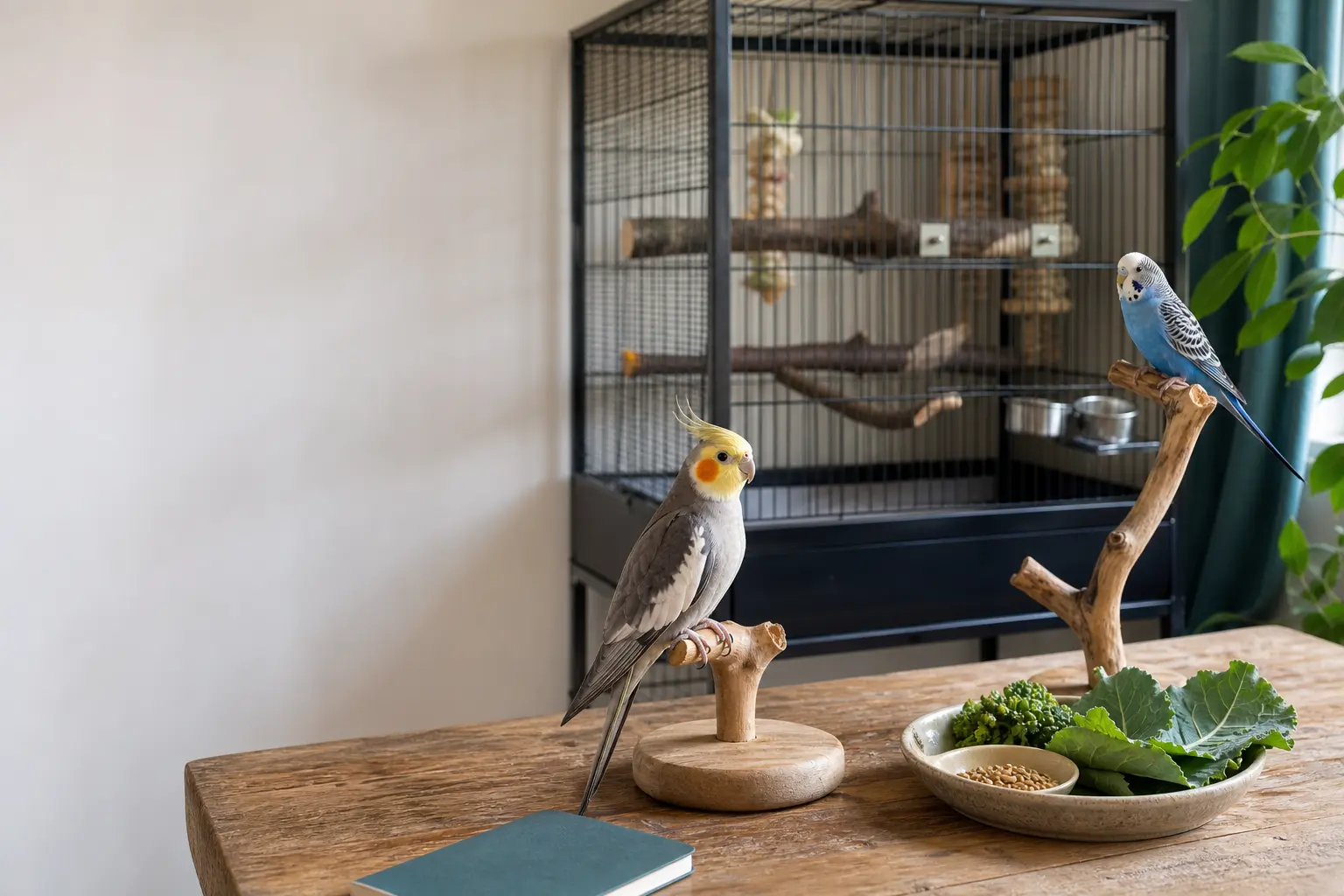
Start here
A good bird fit works on a normal busy week.
Before you fall for a species, make sure the ordinary routine fits: noise, clean air, cage space, daily care, social needs, lifespan, and avian-vet access.
Can food, water, cleaning, sleep, attention, and enrichment happen every day?
Can the bird stay away from fumes, smoke, aerosols, scented products, and unsafe cookware?
Can you set up the adult cage and identify a qualified bird vet before adoption?
Clean hands, safer home
Birds are family animals, and hygiene is part of the normal routine. Wash hands after touching birds, droppings, cages, bowls, toys, perches, bedding, liners, or cleaning tools, and wash before eating, drinking, smoking or vaping, or preparing food. Do not pick up droppings bare-handed, and keep bird equipment away from kitchen sinks and food-prep surfaces. Wash bites or scratches promptly and seek medical care for deep bites, infected wounds, serious scratches, or higher-risk people.
New birds need separation first
A new bird needs separation before introductions, not an immediate cage share. A practical starting point is at least 30 days of separate housing with avian-vet guidance, separate bowls and tools, and careful observation before shared space. Wash hands between birds and avoid sharing perches, toys, carriers, or cleaning tools during the separation period.
Rule out bad fits first
If one of these cannot work in your home, pause before looking at species, colors, or talking ability.
Compare common starting points
Use these as reference points. None is automatically easy, and every bird still needs daily care.
Budgies
Best to compare first when you want a small, social bird and can handle daily chatter.
Cockatiels
A common first-bird candidate for homes ready for dust, attention, and a long routine.
Canaries
Better when you want song and observation more than regular hands-on handling.
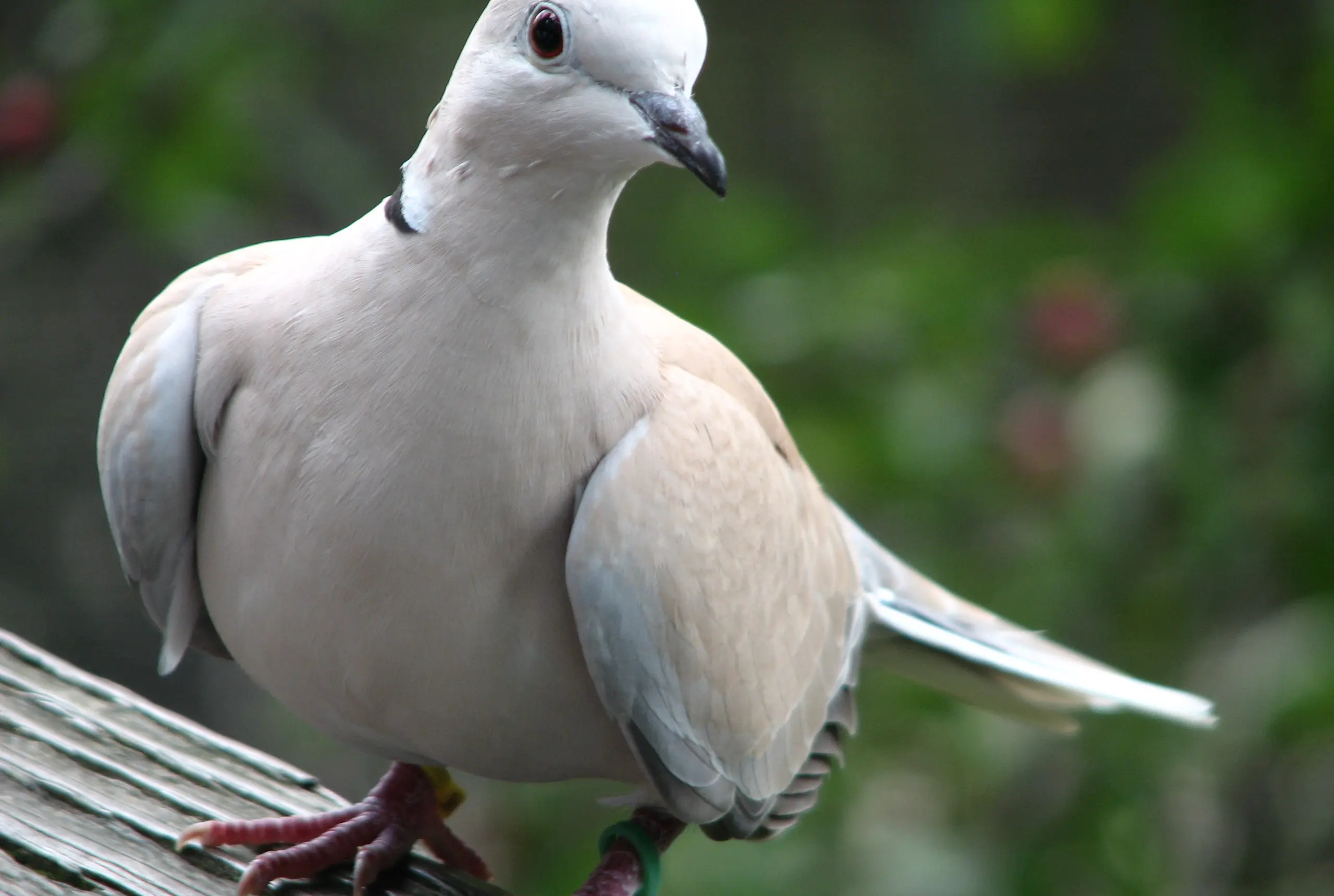
Ringneck Doves
Gentle and calmer, but still need room, cleaning, companionship planning, and safe housing.
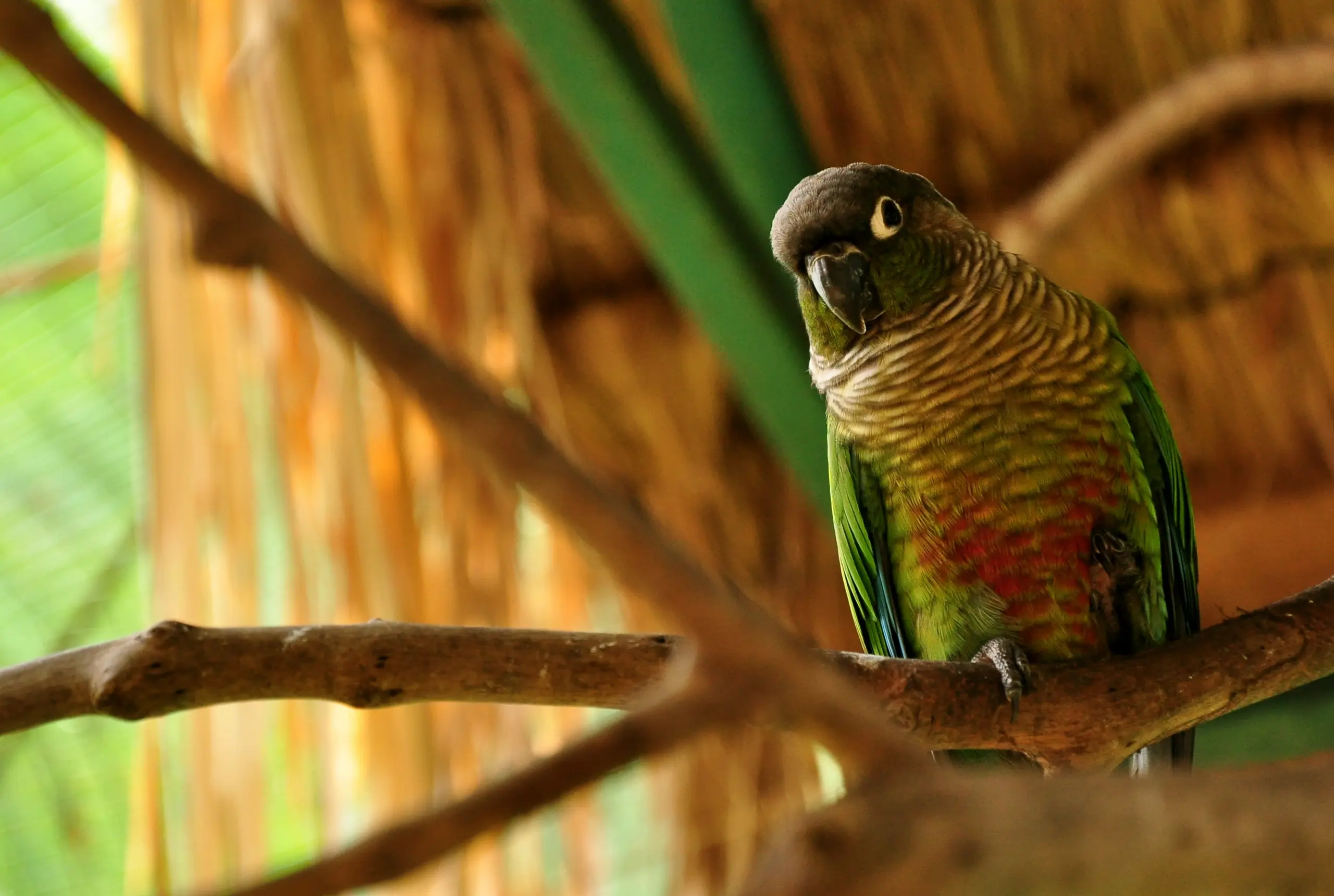
Green-cheeked Conures
Playful and hands-on for homes ready for training, noise, and daily attention.
Amazon Parrots
Large, loud, long-lived parrots for experienced homes with structure and vet access.
Do not choose a bird yet if
These are not moral failures. They are signs to fix the setup before adoption.
Use the best next tool
Pick one path based on how close you are to a decision.
Questions people ask first
These guides answer the issues that usually decide whether a bird is a good fit.
What is the best beginner bird?
See which birds are more forgiving for prepared first-time owners.
Are pet birds good for apartments?
Check noise, lease rules, shared walls, and daily routine before choosing.
Are birds good pets for kids?
Know what children can safely help with and what adults need to own.
How long do pet birds live?
Compare the commitment before a bird becomes part of the family.
Which birds are quieter?
Find quieter options while remembering that no bird is silent.
What bird is best if I work full time?
Match social time, sleep, cleaning, and enrichment to a weekday schedule.

