Updated
Bird food check
Can Birds Eat Apricot Flesh?
Usually useful
Apricot flesh can usually be a small plain fresh food for many companion birds when washed, prepared safely, and matched to the species.
Wash apricot flesh well and serve it plain.
 Apricot Flesh
Plain preparation
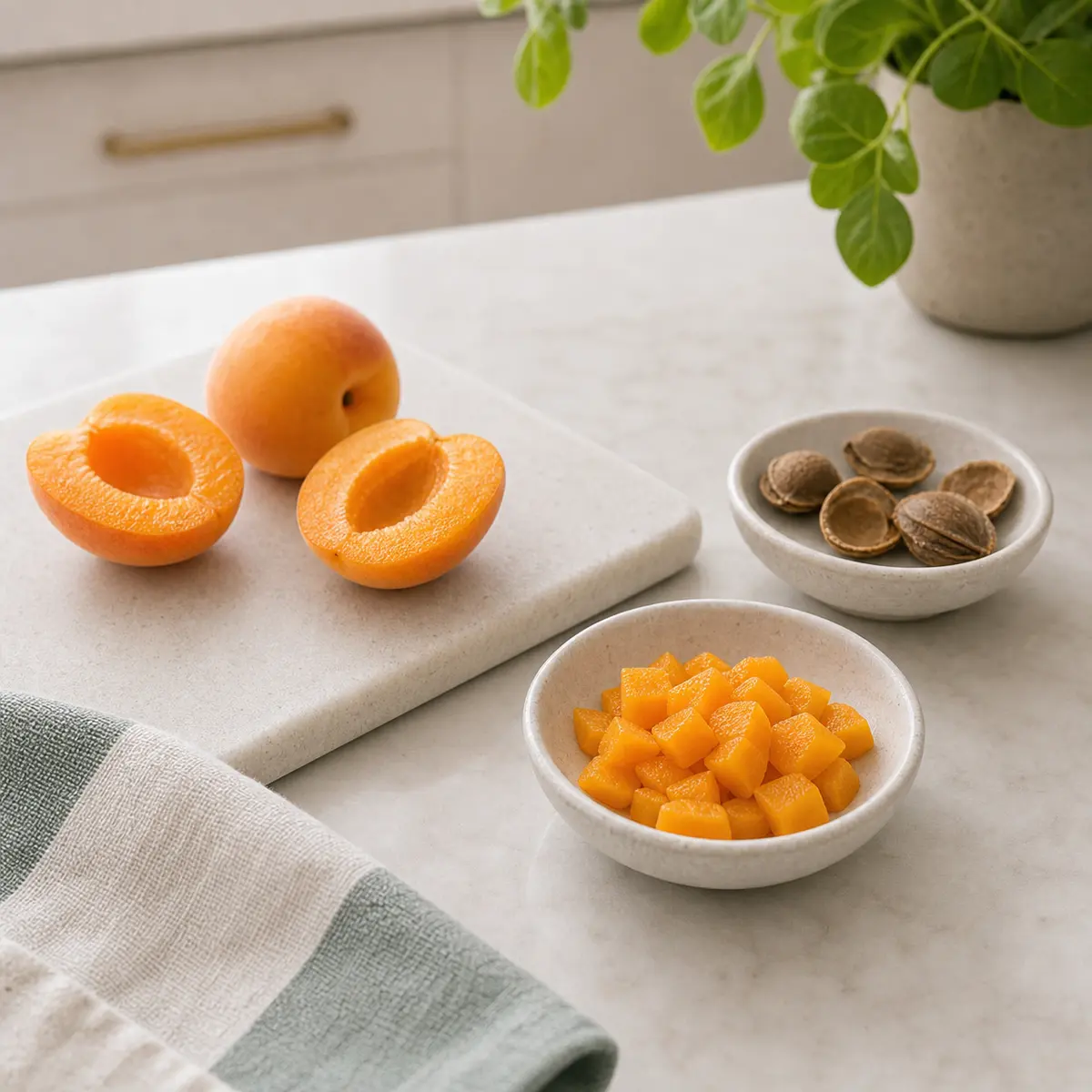
Wash apricot flesh well and serve it plain. Remove pits, seeds, stems, peels, spoiled pieces, and anything moldy when relevant. Cut pieces small enough for the bird and remove fresh food before it spoils.
A sensible amount
Use a small fresh-food portion beside the normal species diet.
The main caution
Avoid salt, butter, oil, sugar, sauce, seasoning, and mixed table scraps. Do not let fresh food replace the species diet.
Stop offering it if
- The bird consistently refuses it.
- Droppings become temporarily looser after introduction.
Call an avian veterinarian if
- Appetite remains reduced.
- Activity drops.
- Symptoms continue.
- The bird seems unwell.
Useful tools for the feeding routine
Three practical picks for preparing, measuring, storing, or serving bird food.
Affiliate links: Furball Cove may earn from qualifying purchases at no extra cost to you.
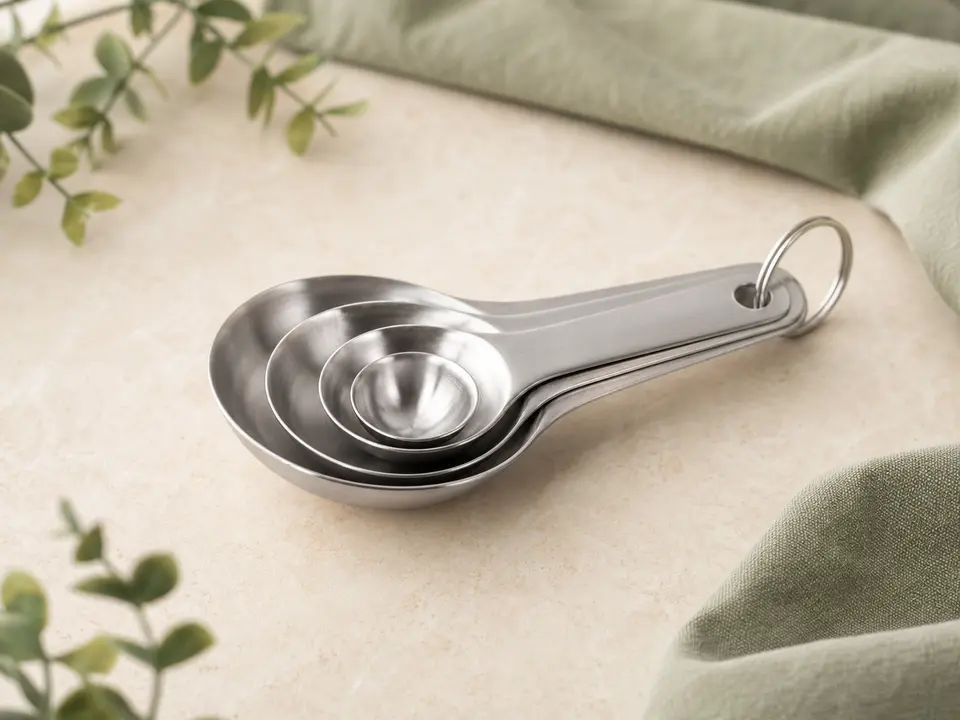
Measuring spoons
Repeat a small amount consistently when a serving guide uses teaspoons or tablespoons.
Shop measuring spoons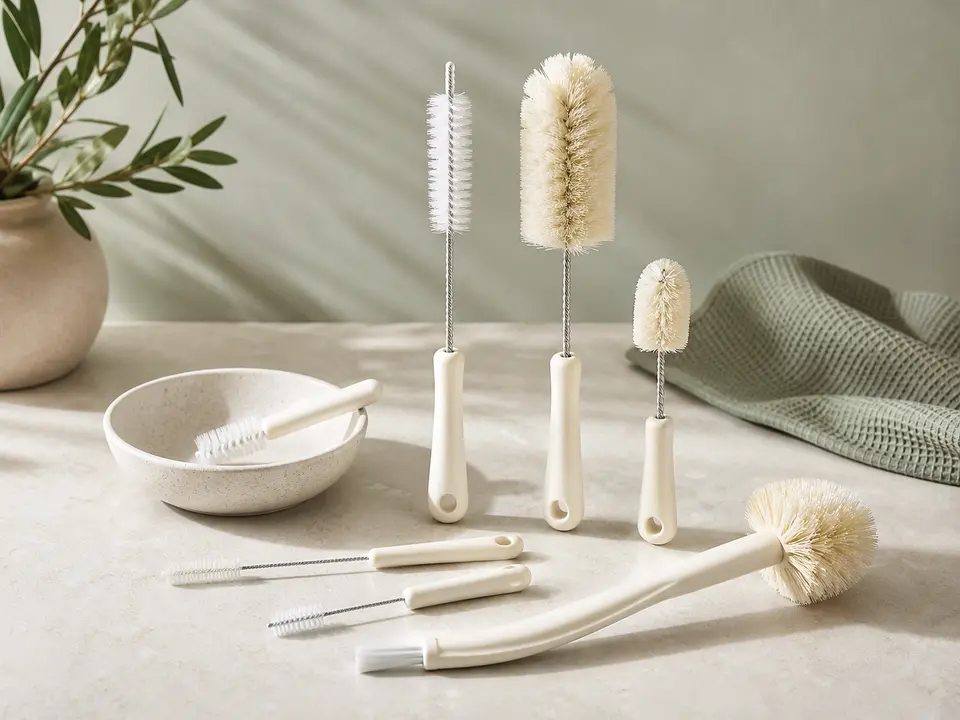
Small dish brushes
Keep dedicated brushes on hand for bowl rims, bottle parts, cup corners, and feeder crevices.
Shop dish brushes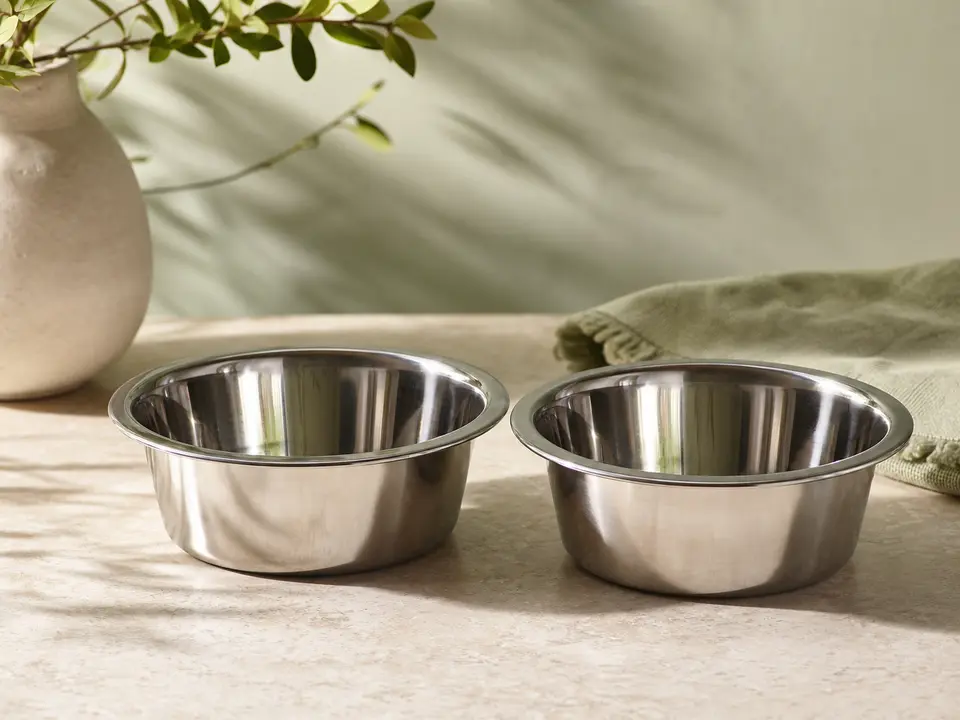
Stainless bird bowls
Keep food and water in separate, washable bowls that make daily changes easy to see.
Shop stainless bowls