Updated
Bird food check
Can Birds Eat Coconut?
Limited treat
Coconut is best treated as a limited extra, not a daily staple for every bird.
Use coconut only as a measured extra.
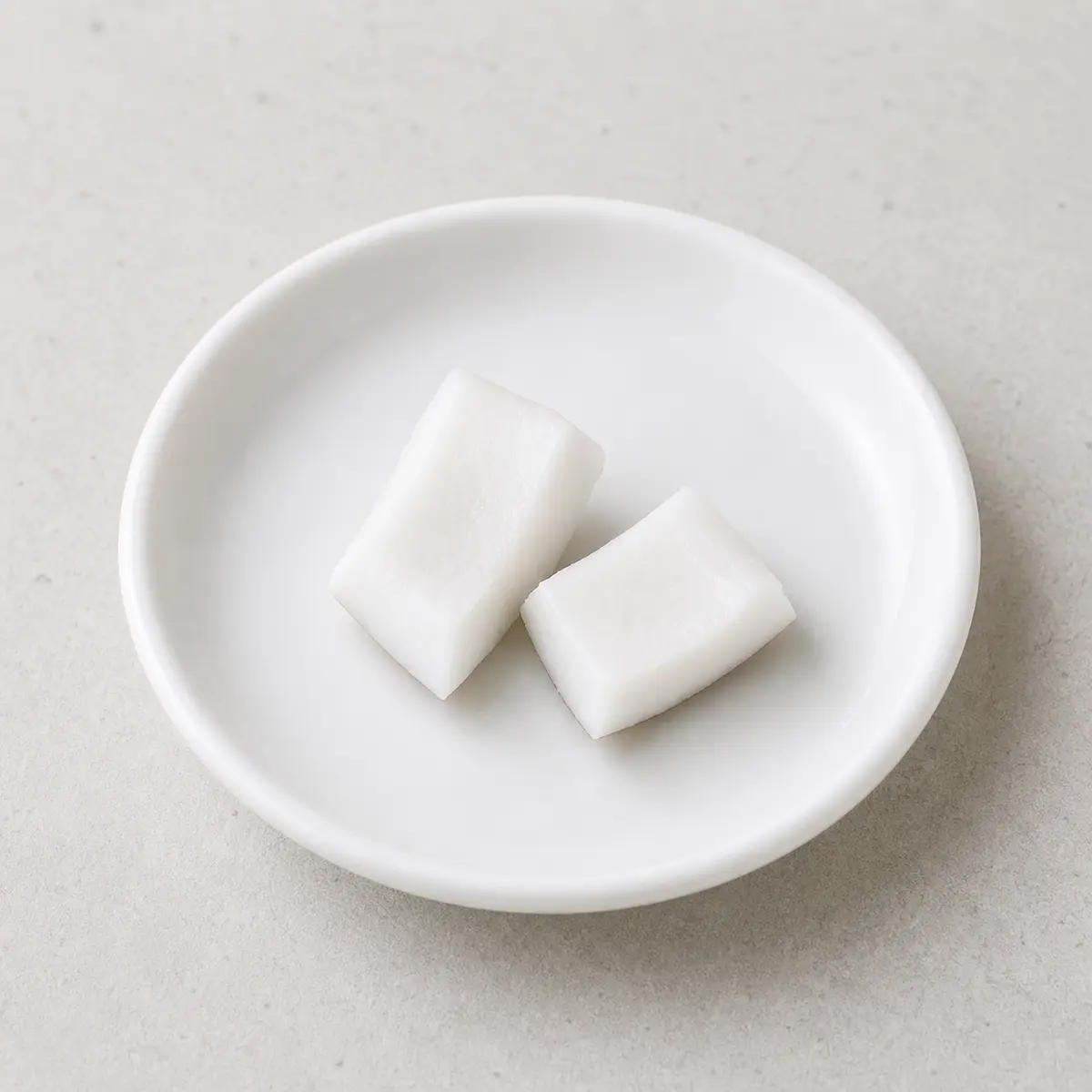 Coconut
Plain preparation
Use coconut only as a measured extra. Reserve rich, fatty, sweet, or protein-heavy extras for training or occasional use. Ask an avian vet first for overweight, egg-laying, ill, or diet-restricted birds.
A sensible amount
Tiny, occasional portions only unless your avian veterinarian gives a species-specific plan.
The main caution
Avoid free-choice treat cups. Avoid replacing balanced meals with favorite extras.
Stop offering it if
- The bird consistently refuses it.
- Droppings become temporarily looser after introduction.
Call an avian veterinarian if
- Appetite remains reduced.
- Activity drops.
- Symptoms continue.
- The bird seems unwell.
Useful tools for the feeding routine
Three practical picks for preparing, measuring, storing, or serving bird food.
Affiliate links: Furball Cove may earn from qualifying purchases at no extra cost to you.
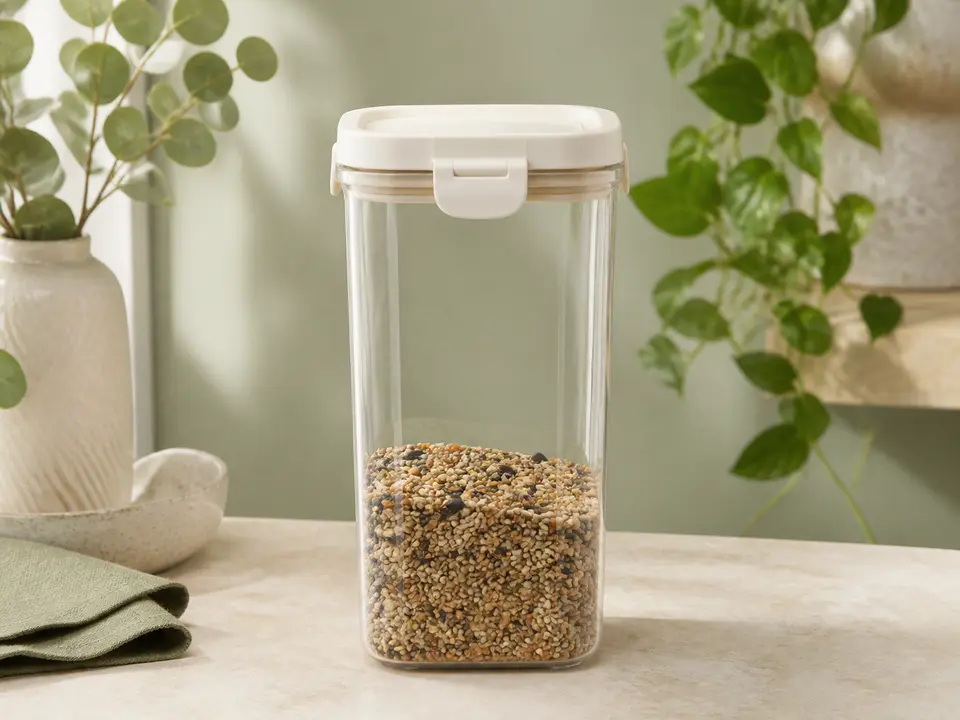
Seed storage container
Close dry food securely between uses and keep the remaining amount easy to see.
Shop seed containers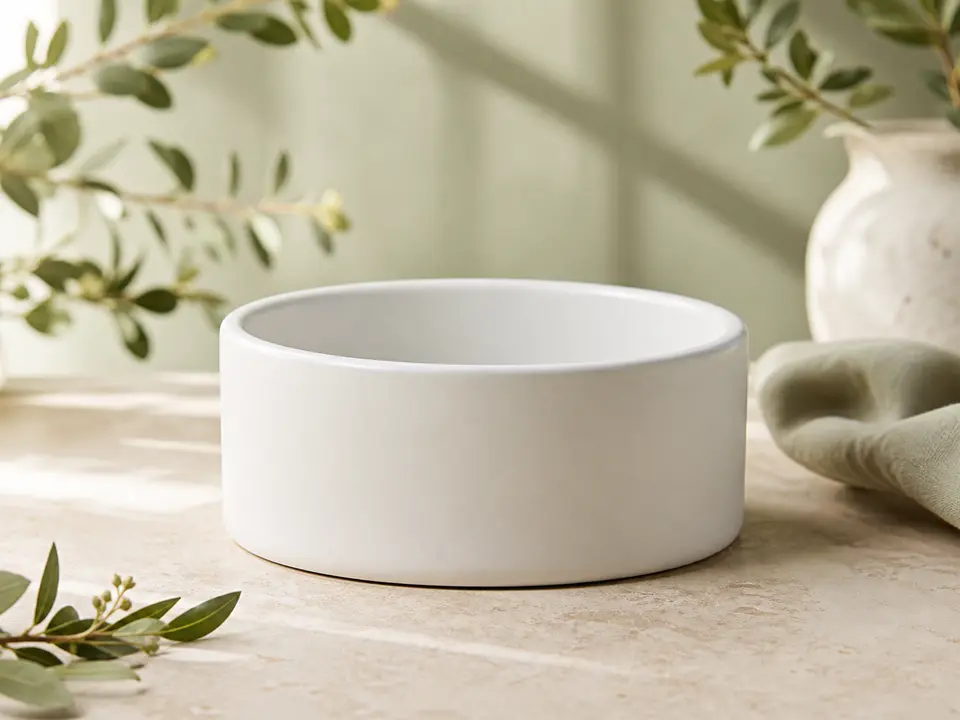
Ceramic bird crock
A low, steady dish keeps a measured serving visible and is simple to clear after meals.
Shop ceramic crocks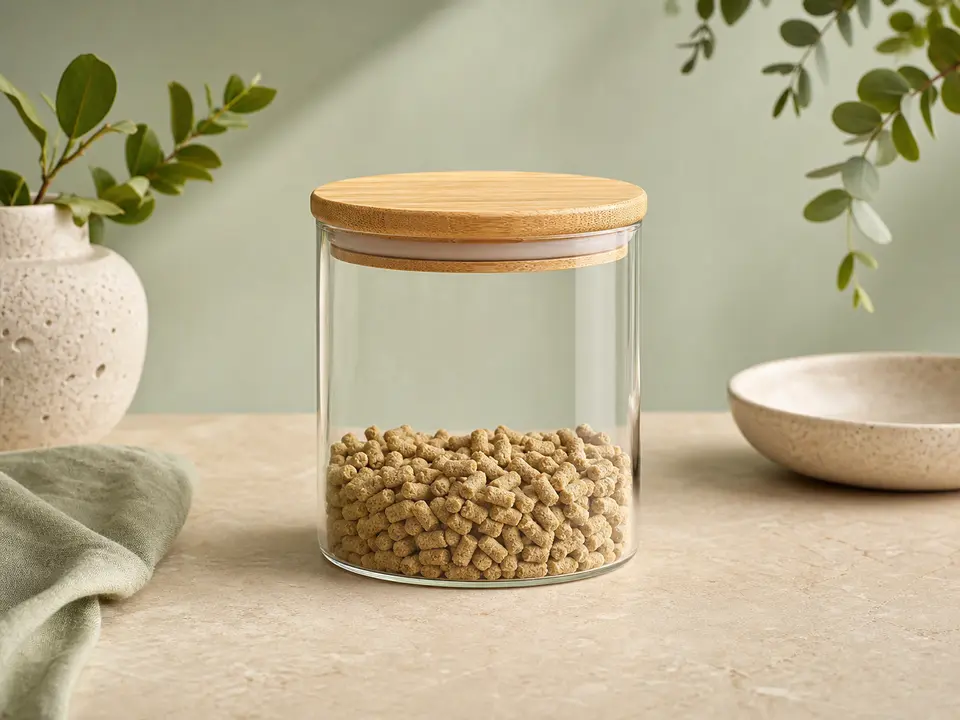
Airtight treat jar
Keep approved training treats separate from the daily food so the extra amount stays visible.
Shop treat jars