Updated
Bird food check
Can Birds Eat Human Vitamins?
Avoid
Do not use human vitamins as bird food. Remove it and return to the normal species-appropriate diet.
Remove human vitamins from the cage, play stand, floor, or treat dish.
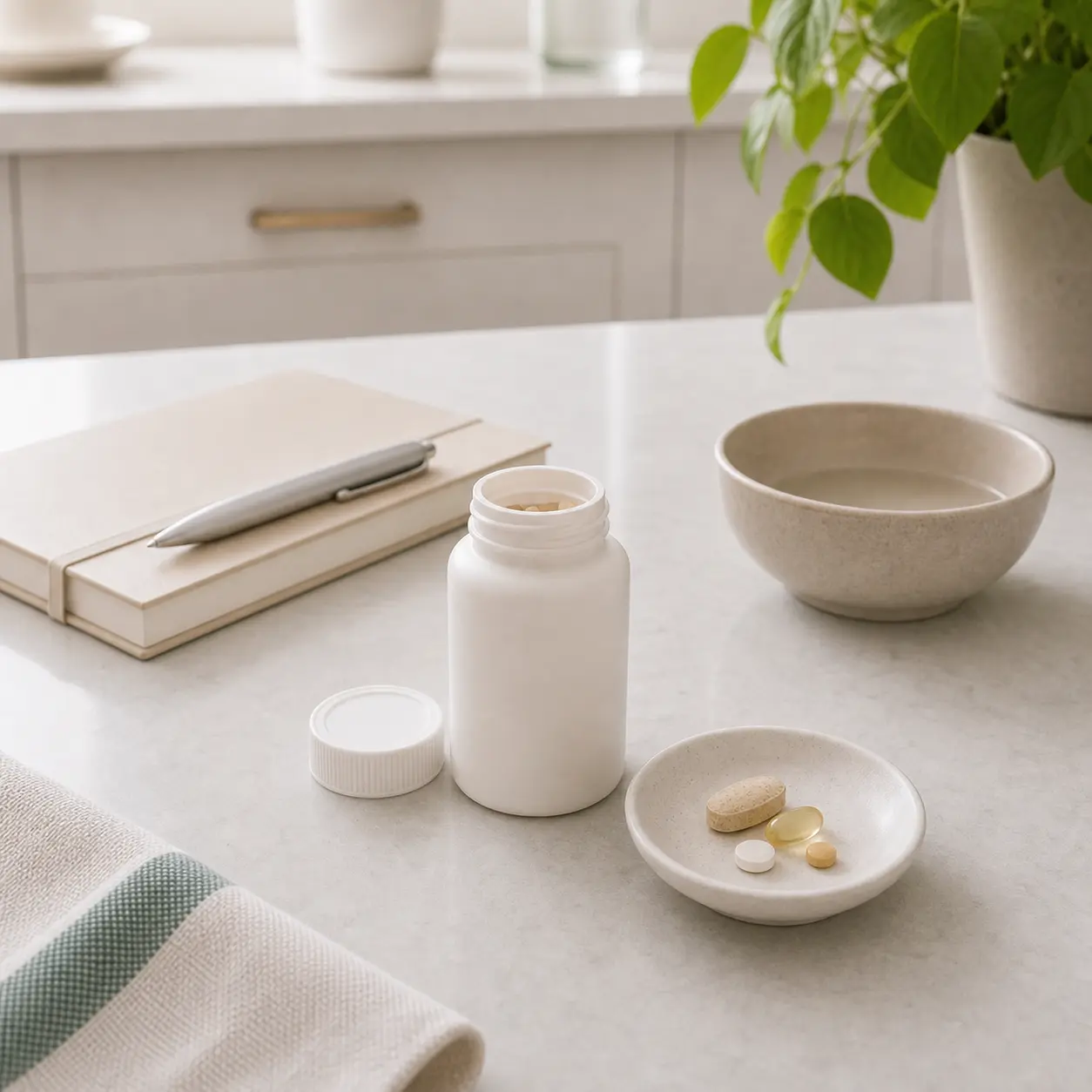 Human Vitamins
Remove it
Remove human vitamins from the cage, play stand, floor, or treat dish. Offer clean water and return to the normal species-appropriate diet. Call an avian veterinarian if the bird already ate a meaningful amount or seems unwell.
Do not improvise
Testing a smaller amount. Mixing it into chop or seed to see if the bird tolerates it.
When to call
- Appetite change, vomiting or regurgitation, droppings change, weakness, balance trouble, breathing change, or fluffed posture.
Useful tools for a clean reset
Three optional storage, cleanup, or serving tools. They are not treatment and do not make this item suitable for feeding.
Affiliate links: Furball Cove may earn from qualifying purchases at no extra cost to you.
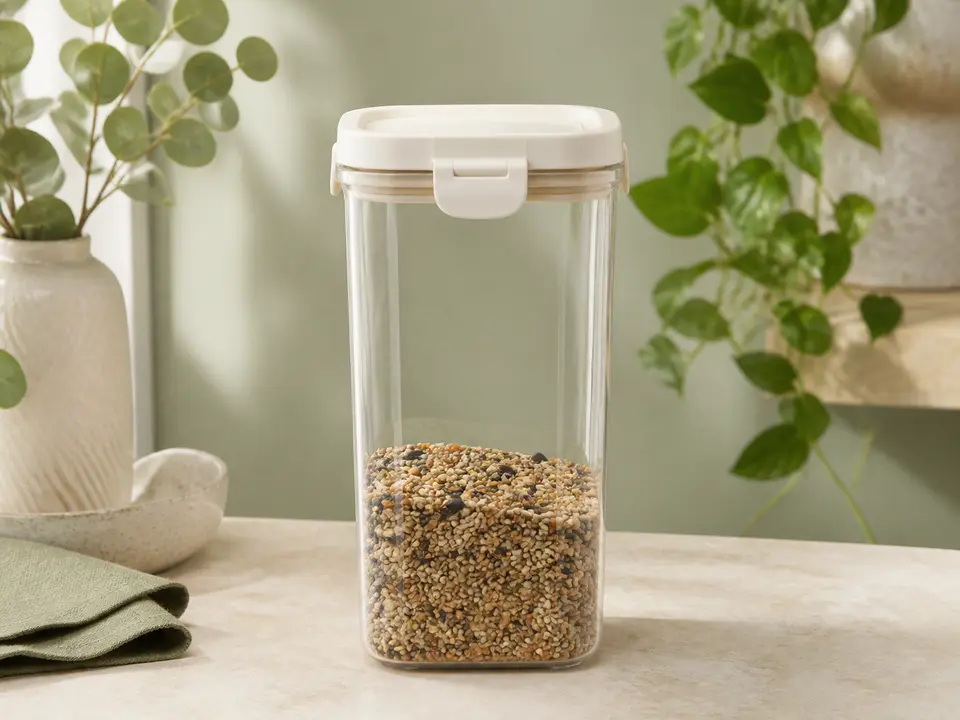
Seed storage container
Close dry food securely between uses and keep the remaining amount easy to see.
Shop seed containers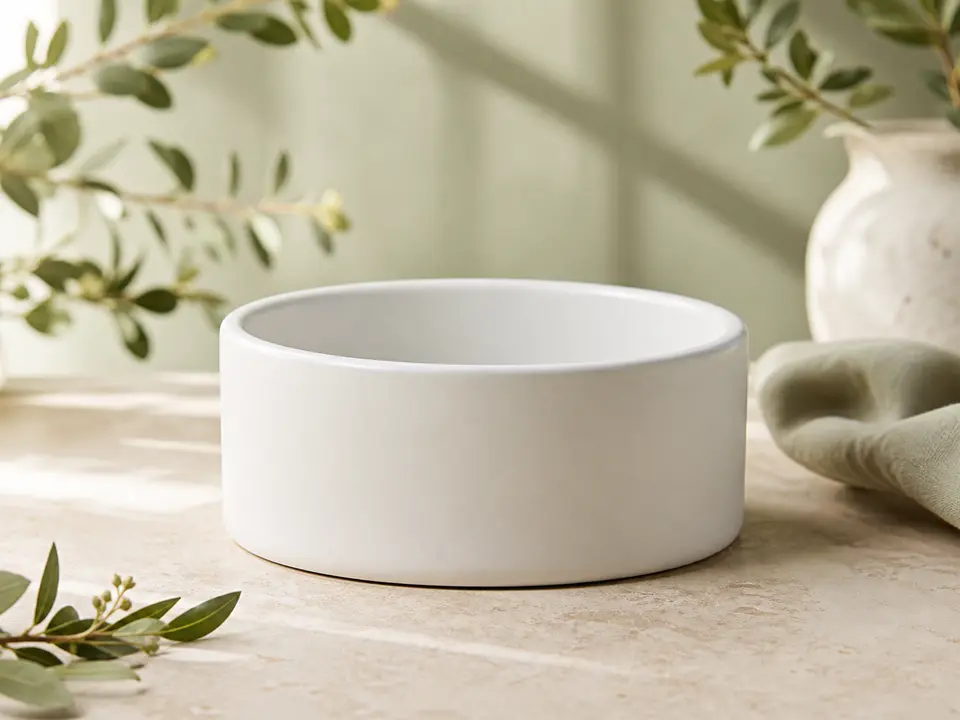
Ceramic bird crock
A low, steady dish keeps a measured serving visible and is simple to clear after meals.
Shop ceramic crocks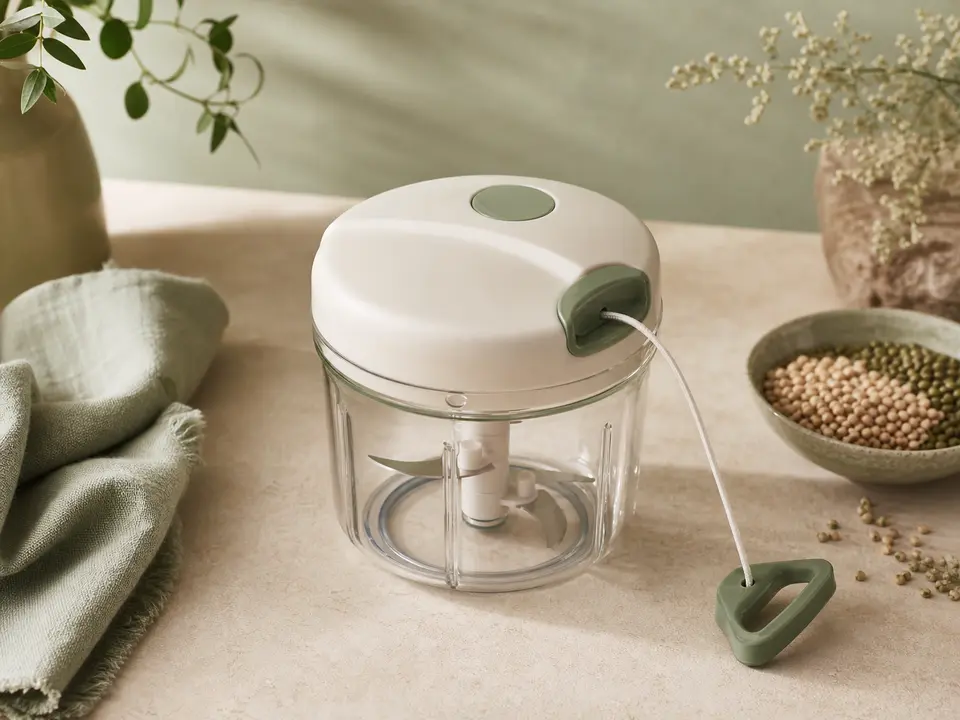
Manual food chopper
Turn a checked mix of fresh foods into small, consistent pieces without a large appliance.
Shop manual choppers