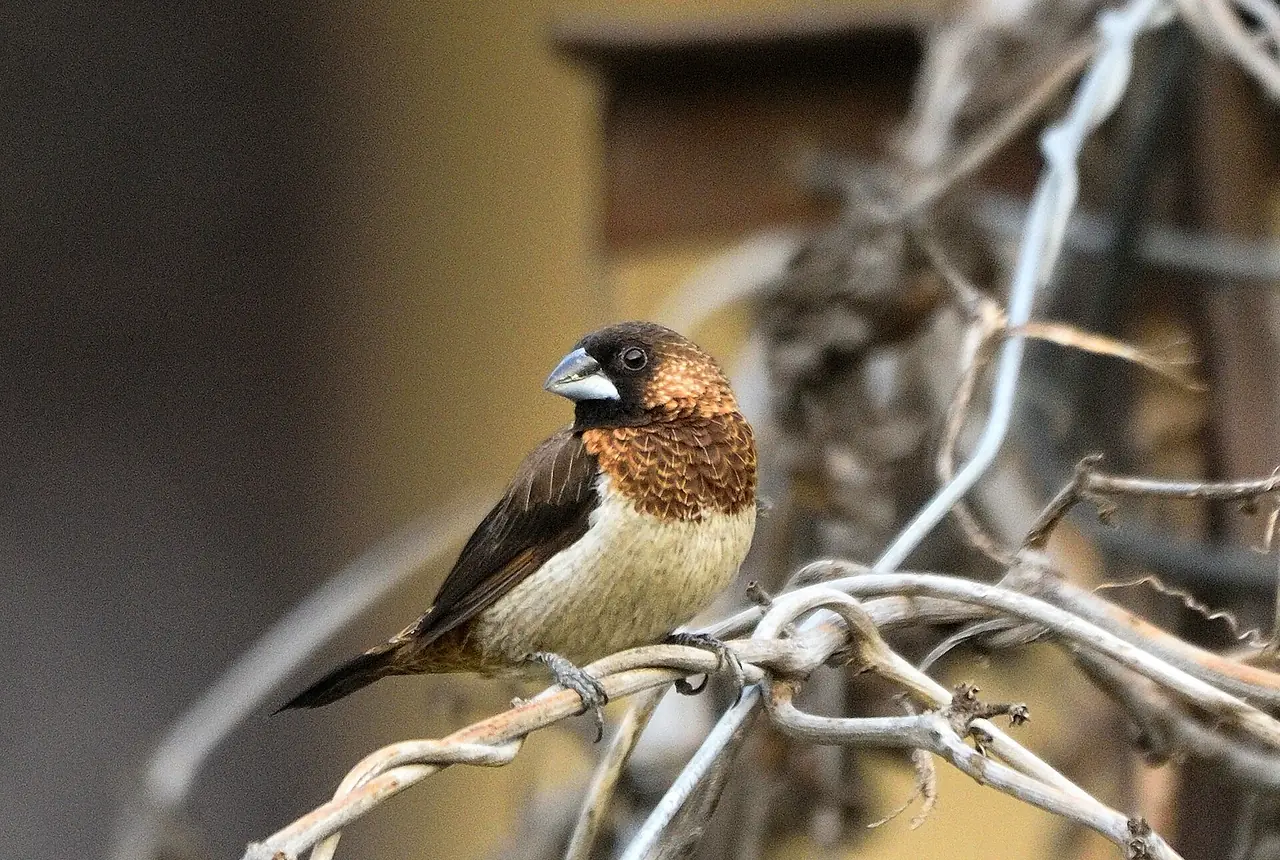
Society Finches are domesticated flock birds whose soft chatter, shared rests, and quick flights are best enjoyed by watching. A peaceful-looking group can still hide crowding or unequal access to food. They suit homes ready for compatible company and horizontal flight space; they should not be chosen for solitary life or routine handling.
Several landing and feeding places make it easier to see whether every bird is moving, resting, and eating normally.
Lifespan
Typical group range: 5-10 years
Noise
Soft busy chatter, not hands-on parrot noise
Daily social time
Usually watch-and-listen birds that need compatible flock or pair planning
Space
Needs horizontal flight space, safe perches, and group-aware layout
Handling style
Do not expect cuddling
Experience
Better for prepared homes that can support flight space, independent behavior, and species-specific care
The honest fit
Could this bird fit your life?
The match may work if…
Society finches fit observation homes that want soft social birds and can manage flock housing, daily food and water, and easy cleaning.
You are comfortable with the bird's normal sound, movement, and daily social rhythm.
You have room for the recommended enclosure, safe movement, and a practical cleaning area.
Think twice if…
The room cannot fit a horizontal flight cage, safe placement, and daily cleanup without crowding the bird.
Feeding would likely become loose seed refills instead of seed or pellet base plus greens and clean daily water.
The household wants a bird to hold instead of an observation-first bird whose handling stays rare, calm, and practical.
The daily rhythm
A normal day with Society Finches
Society Finches organize their day around flock chatter, shared rests, bathing, and quick flights across a wide enclosure. Use multiple feeding stations and watch each bird closely because a calm-looking group can still hide crowding or exclusion.
The surprise with society finches is how social they are. A lone society finch is usually the wrong plan unless there is a specific health reason.
Society Finches are domesticated finches known for social tolerance, soft chatter, and many brown, white, and pied color forms.
A Society Finch home is an observation setup where compatible flock life matters more than human touch or step-up training.
Home and movement
Use a wide cage with multiple perches, bathing, clean flooring, and room for birds to move away from each other.
Food and daily care
Use a finch-appropriate base diet and provide fresh water, with greens or other additions chosen for the flock and introduced gradually. Multiple feeding points help reveal whether a quieter bird is being excluded.
A small flock produces seed hulls, bath splash, and fine debris in several busy corners. Replace paper and clean feeding stations gently rather than stirring dust into the room; avoid smoke, sprays, candles, perfume, and overheated nonstick cookware.
Social life, sound and handling
Society Finches keep up soft flock chatter around feeding, bathing, and shared rest. Darkness and a quiet room support sleep, while sudden silence from one bird can be easier to miss inside the group.
Do not expect cuddling. Watch posture, pairing, sleep spots, and feeder access to understand whether the group is comfortable.
Careful, not fearful
Health and safety considerations
Compare Society Finches as a finch, with the final choice based on noise, space, diet, social routine, legal sourcing, and avian-vet access.
Sudden changes in appetite, breathing, posture, droppings, weight or usual voice deserve a call to an avian veterinarian.
Before adoption
Before you bring one home
Ask about flock size, sex if known, breeding history, diet, and whether any bird is being picked on or excluded.
Confirm what species the bird is and ask for any available health and history records.
Ask what the bird currently eats, how it uses its enclosure, and how it responds to handling.
Measure the enclosure location, doorway route, and safe out-of-cage area before committing.
Confirm an avian veterinarian is accessible before the bird comes home.