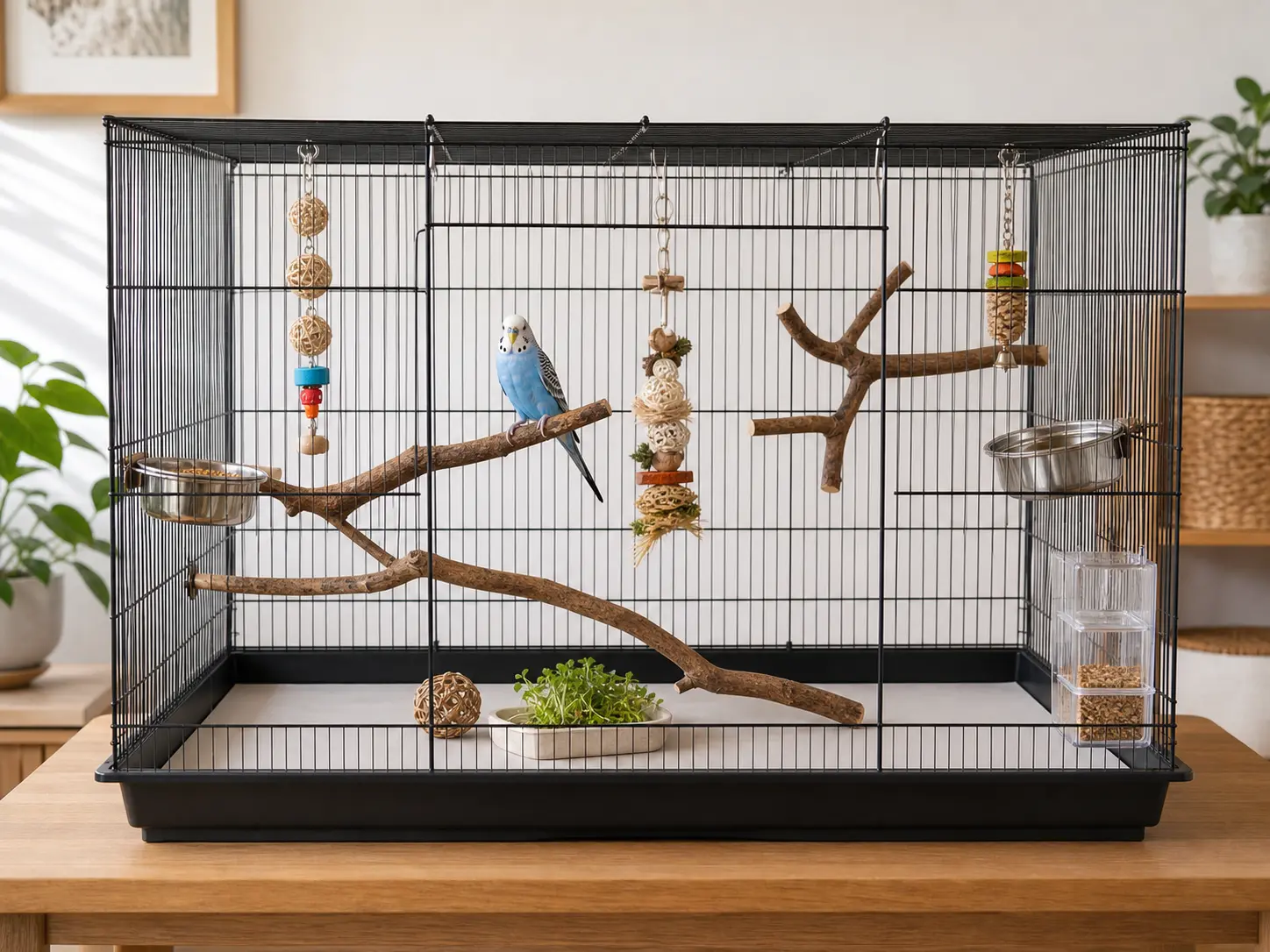
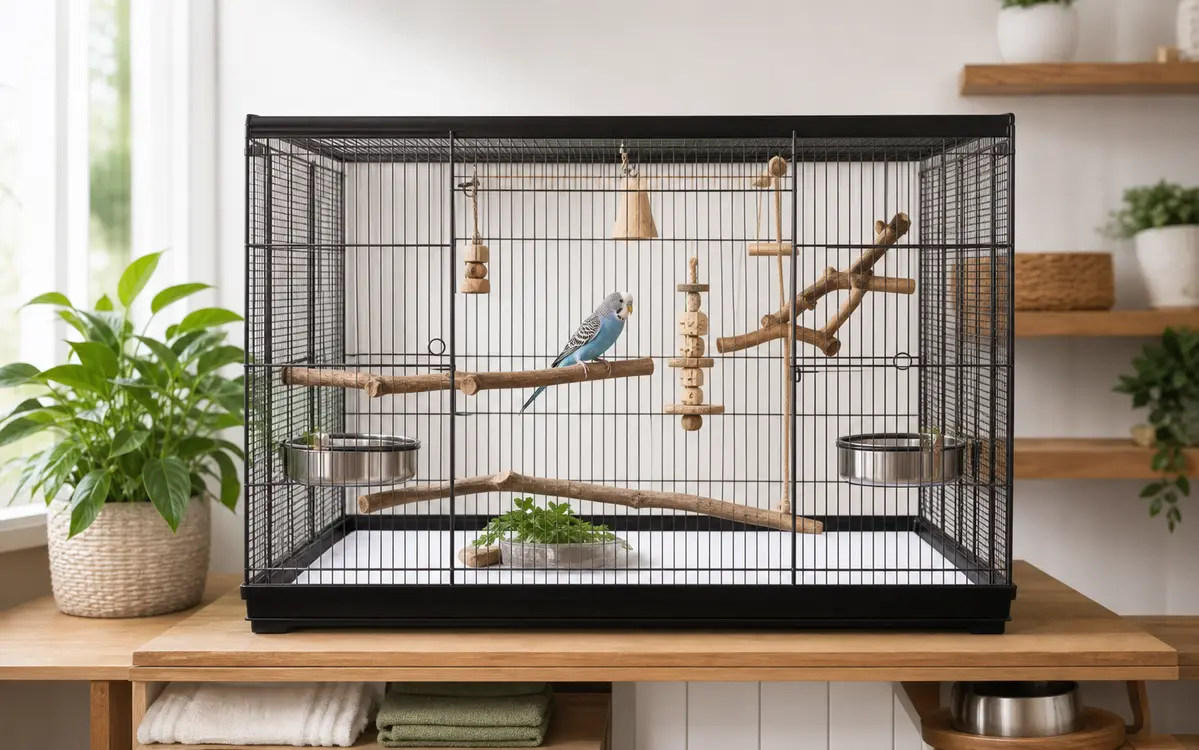
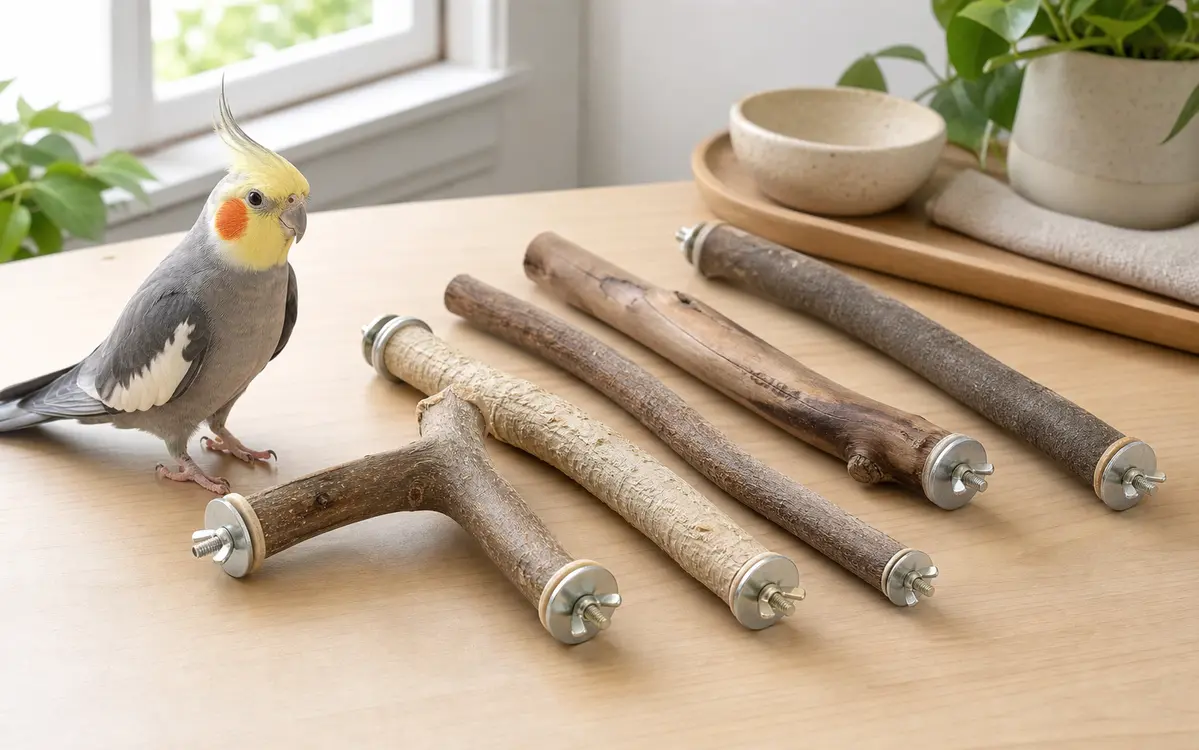
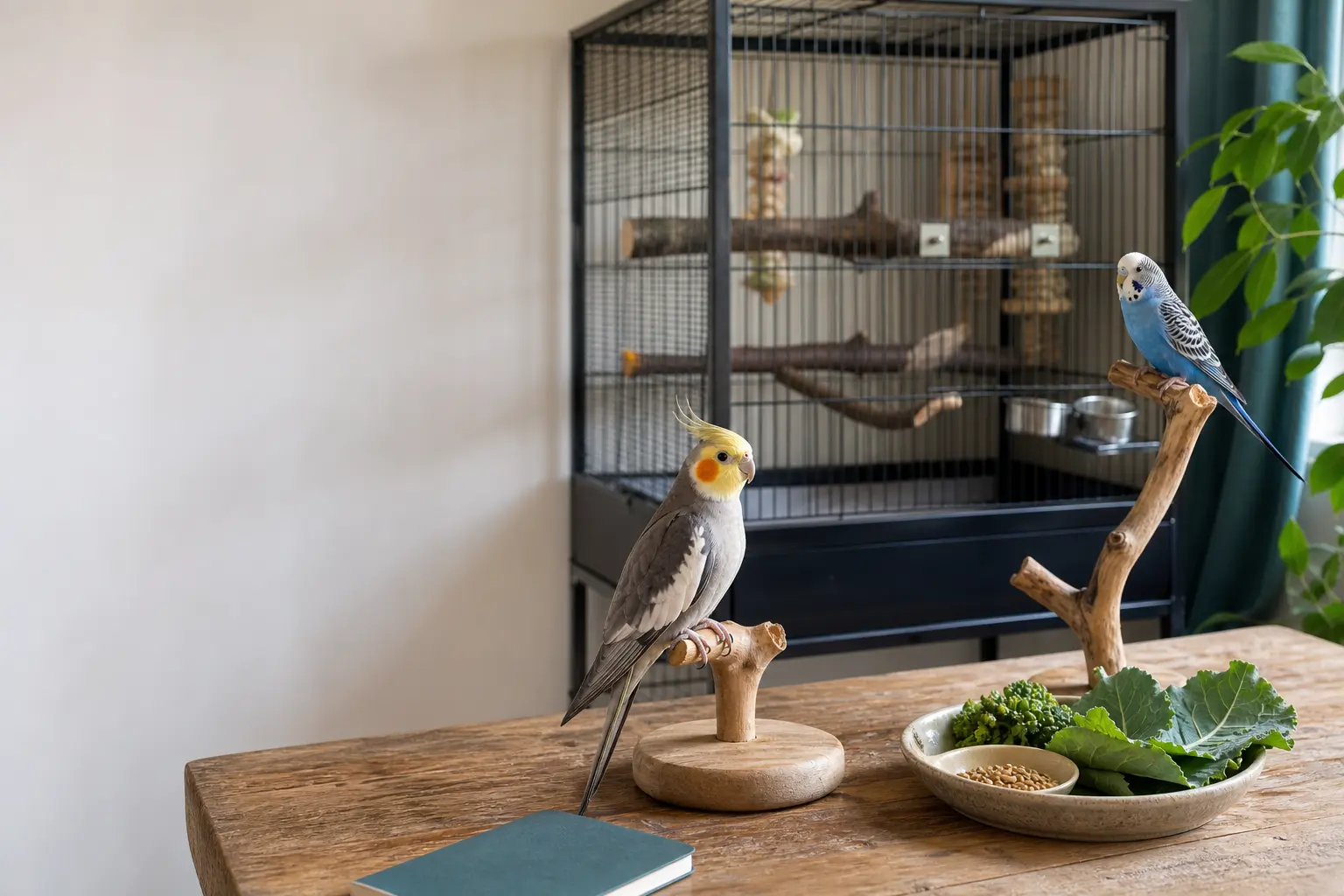
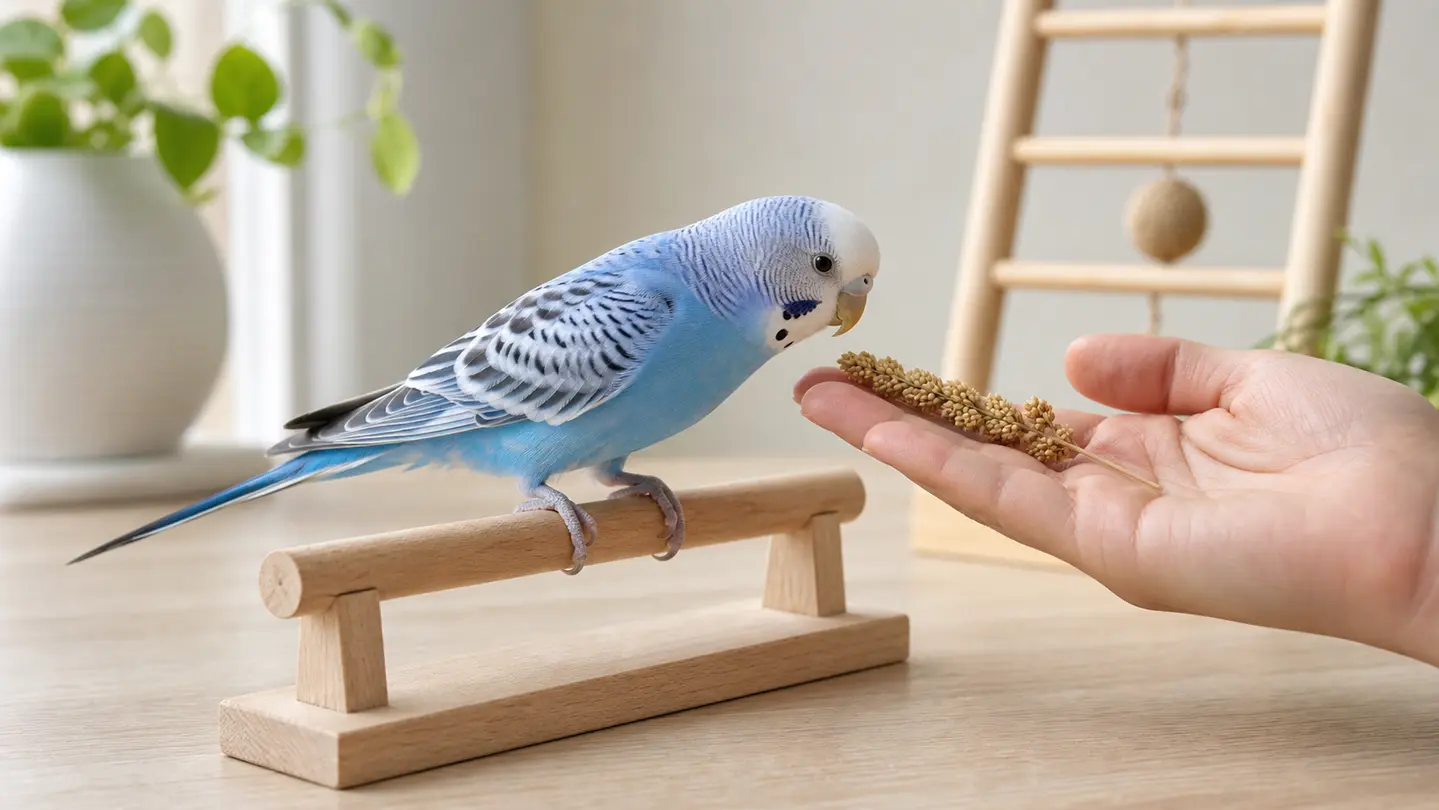
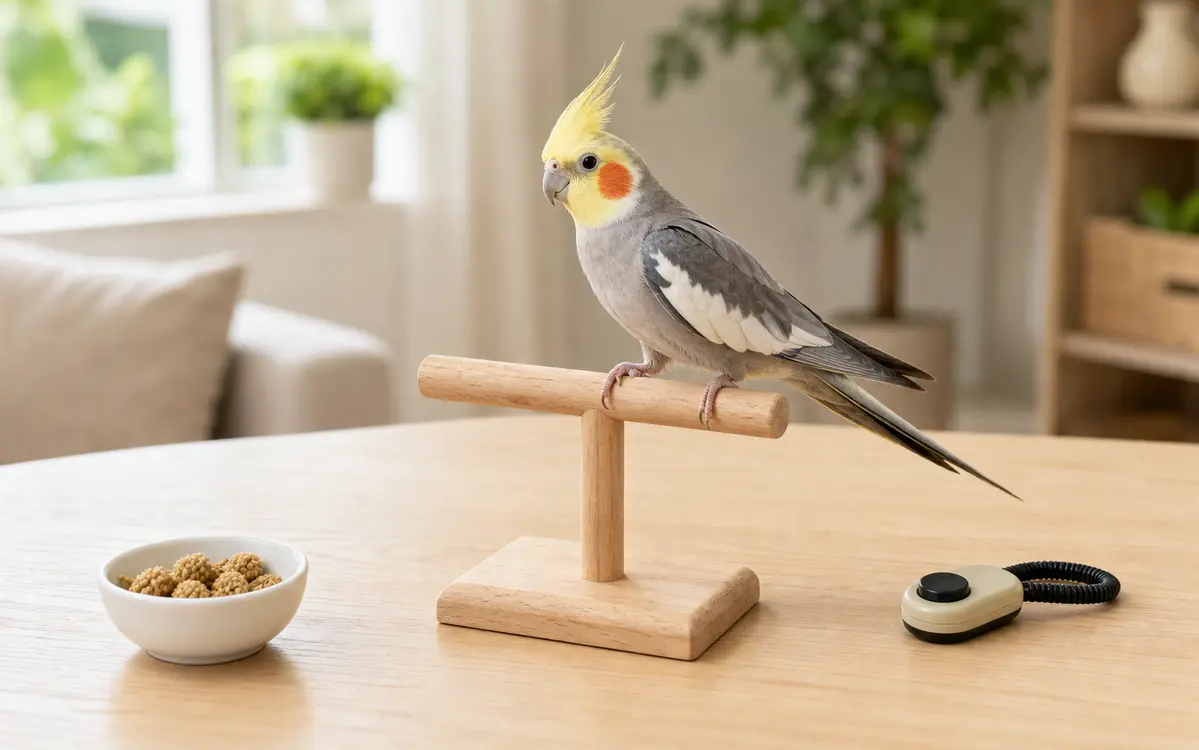
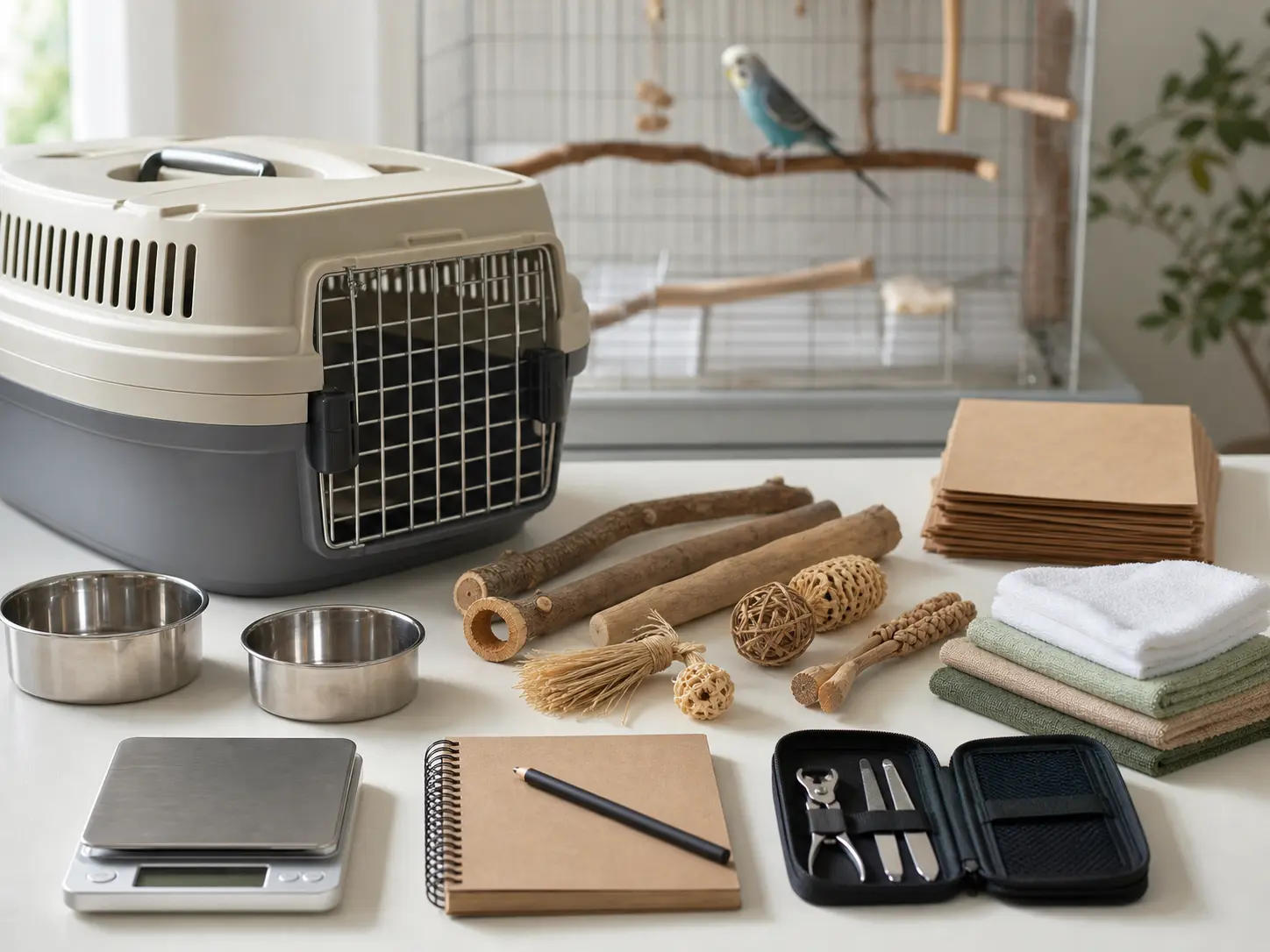
The bird can turn, climb, stretch, and use toys without constantly hitting bars.
Updated
Bird guides
Bird Cages & Setup
Choose a cage that lets your bird move, rest, eat, and feel secure.
Start with the adult bird, then check width, bar spacing, safe materials, perch layout, bowl access, placement, sleep, and daily cleaning.

Start here
The best cage is the one that protects the daily routine.
Before color, brand, or price, check the four things that decide whether the setup will work every day.
Spacing is small enough to prevent head traps and strong enough for the species.
Perches, bowls, toys, and doors make feeding and cleaning simple.
No fumes or smoke, no predator access, and a calm dark sleep routine.
Skip these
- Round cages
- Tiny starter cages
- Rust, sharp welds, or peeling coating
- Unsafe bar spacing
- Crowded toys with no movement path
- Kitchen, smoke, candle, or aerosol exposure
Buy for movement, not just footprint
A cage should be wide enough for normal movement, climbing, and short wing stretches. Tall, narrow cages look impressive but can waste space if the bird cannot move side to side. For finches, canaries, doves, and many small parrots, horizontal room matters a lot.
Check bar spacing before style
Bar spacing has to match the bird. If the spacing is too wide, a small bird can trap its head or body. If the bars are too weak, a stronger parrot can bend them. Choose safe coating, solid latches, no rust, and no sharp welds.
Set up perches for real feet
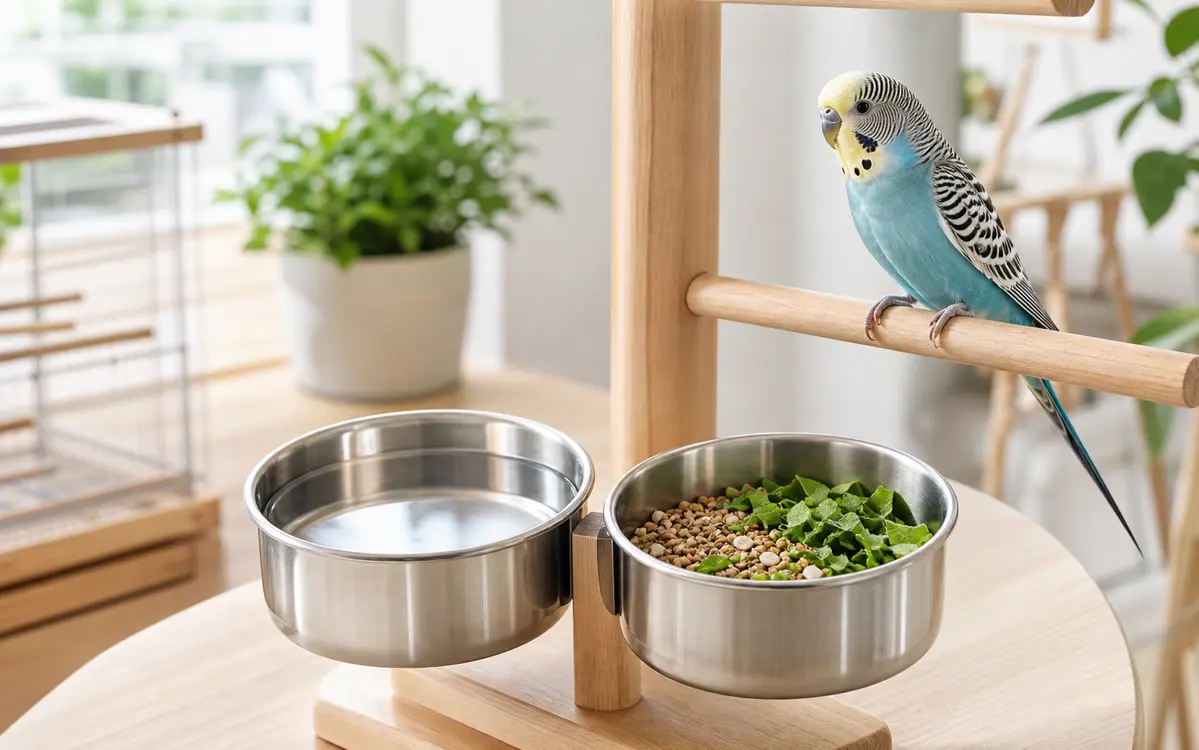
Use several natural perches with different safe diameters. Keep food and water bowls easy to reach, but do not place perches so droppings land in the dishes. Avoid making one smooth dowel the main place your bird stands all day.
Keep the best flight path open
Toys, swings, bowls, and perches should not crowd the cage. Leave open space where the bird can turn, climb, and move without hitting everything. Rotate enrichment instead of packing the cage with every toy at once.
Place the cage where the air is safe
Keep birds away from kitchen fumes, smoke, aerosols, candles, scented products, direct drafts, and overheated nonstick cookware. A cage near family life can be good, but the bird still needs calm sleep and protection from dogs, cats, doors, and rough traffic.
Make cleaning easy enough to repeat
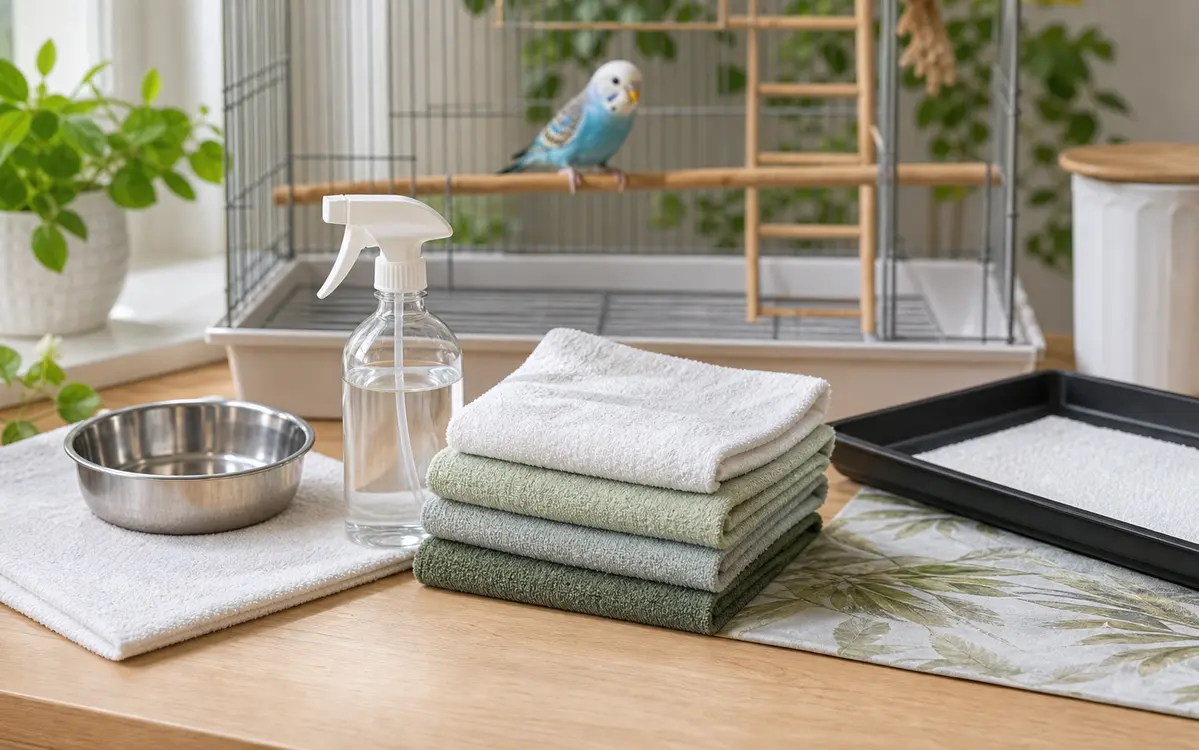
Use plain paper liners, washable bowls, accessible doors, and a layout you can spot-clean without a battle. If cleaning is awkward, it will be skipped or rushed. The best cage is one you can keep clean on a busy weekday.
Household hygiene belongs in the setup
Treat cleanup as normal household hygiene, not as a scare. Wash hands after handling liners, droppings, bowls, perches, toys, or cleaning tools. Do not clean cages, bowls, perches, or bird equipment in the kitchen sink or on food-prep surfaces; use a separate cleanup area and keep bird supplies away from human food.
Before you decide
- The bird cannot fit its head through the bars.
- The cage is wide enough for normal movement, not just tall.
- Food and water dishes can be washed and reached every day.
- Perches, toys, and bowls leave open movement space.
- The cage is away from fumes, smoke, aerosols, drafts, and predator pets.
Next best moves
- Measure the adult bird and tail before buying.
- Choose the largest safe cage that fits the room and cleaning routine.
- Set up the cage before the bird comes home, then adjust after watching how the bird actually uses it.
Cage setup pieces worth getting right
Keep the first setup simple: safe cage, real perches, washable bowls, and liners that make daily cleaning easy.
Affiliate links: Furball Cove may earn from qualifying purchases at no extra cost to you.

Roomy rectangular cage
Start with safe space, ventilation, bar spacing, and room for natural perches.

Natural perch set
Varied perch diameters support normal feet better than one smooth dowel.

Stainless bowls
Separate clean food and water dishes that are easy to wash every day.

Paper cage liners
Plain paper makes droppings easier to monitor without scented products.
Common questions
Are round cages okay for birds?
No. A rectangular cage is usually safer and easier to arrange because the bird gets clearer corners, better usable space, and a more predictable layout.
Do birds need time outside the cage?
Many companion birds do, but the cage still has to work as a safe home base. Out-of-cage time does not make a cramped or unsafe cage acceptable.
Where should I put a bird cage?
Choose a bright, social room away from kitchen fumes, smoke, aerosols, drafts, direct heat, and rough traffic. The bird also needs a predictable dark, quiet sleep period.
What should go on the cage floor?
Plain paper is usually the easiest liner because it lets you see droppings and change the bottom often. Avoid scented products and loose materials that hide problems.