Updated
Cat food safety
Can Cats Eat Dill? Tiny Plain Sprig Only
Use caution
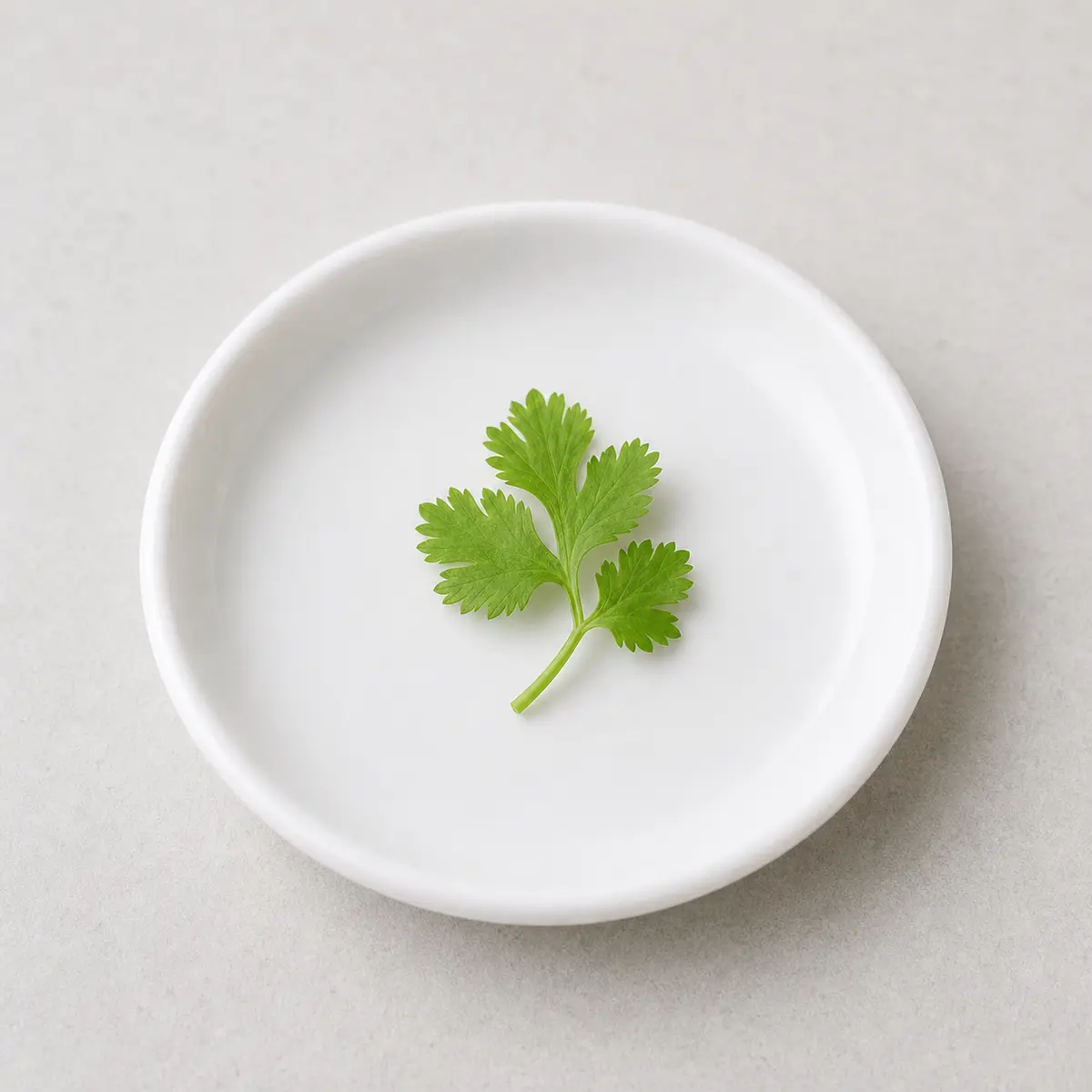
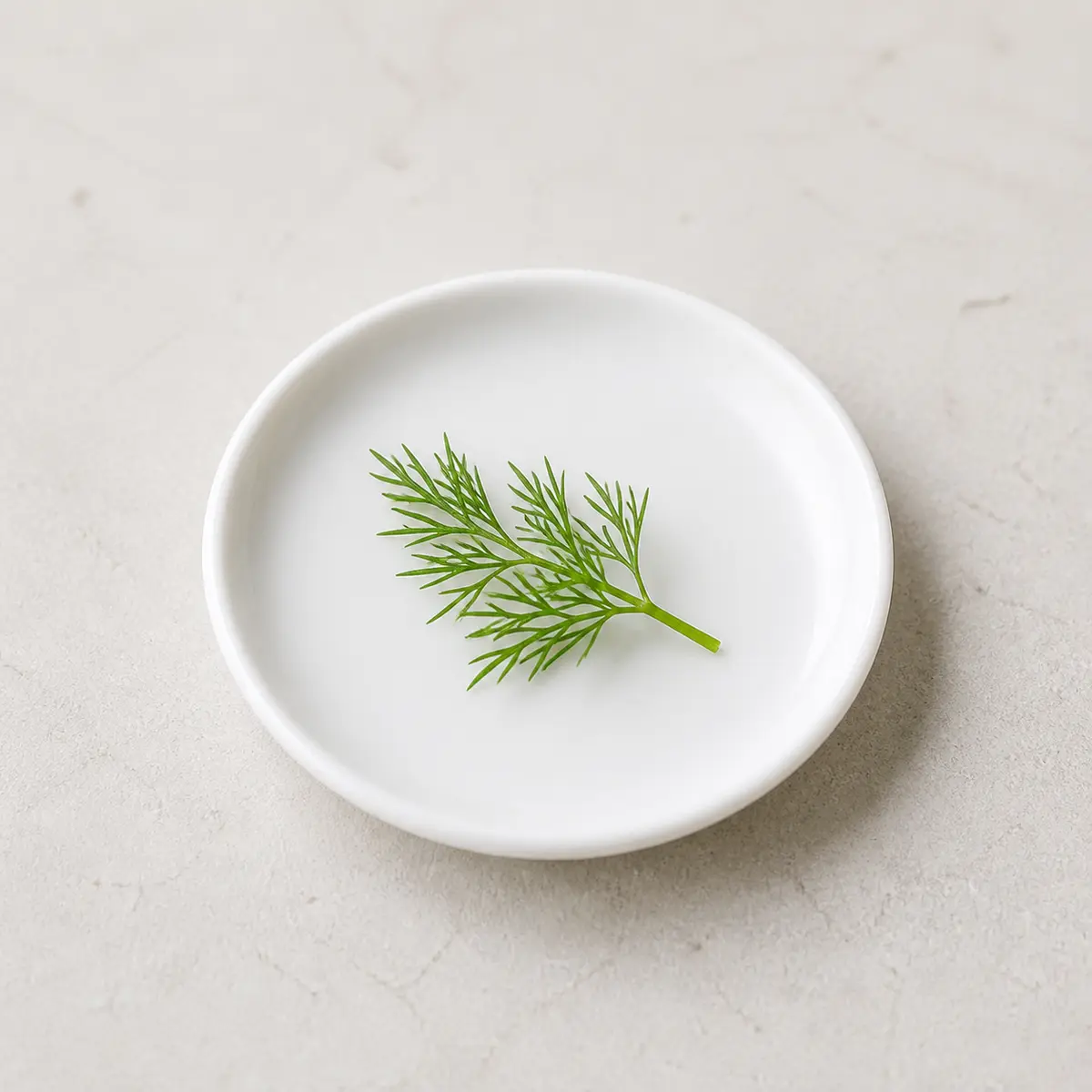
A tiny washed dill sprig is usually okay for a healthy cat, but cats do not need dill.
 Dill
DillCall for alliums, oils, or symptoms
Call your veterinarian if dill was in pickles, brine, garlic, onion, essential oil, or symptoms repeat.
Pickle dill is not plain dill
Brine, salt, vinegar, garlic, onion, sugar, and spices change the answer.
Skip medicinal use
Do not use dill to treat breath, digestion, appetite, or hairballs without veterinary advice.
Wash and separate it
- Wash well and offer one tiny plain sprig if any.
- Keep dill separate from pickles, brine, garlic, onion, sauces, and spice blends.
- Stop if vomiting, drooling, diarrhea, or appetite changes appear.
Skip brine and alliums
- Pickles, pickle brine, garlic, onion, sauces, spice blends, essential oils, concentrated extracts, spoiled herbs, and pesticide-treated dill.
- Dill for cats with digestive disease, poor appetite, prescription diets, or plant-chewing concerns unless your veterinarian approves it.
- Using herbs to treat digestion, breath, appetite, or hairballs.
Watch
- Drooling, vomiting, diarrhea, pawing at the mouth, refusing food, or repeated plant chewing.
Portion
One tiny sprig is enough. Dill should not become a routine add-in.
Helpful food-safety supplies
Optional tools for measuring, storing, serving, and cleaning up tiny portions safely.
Affiliate links: Furball Cove may earn from qualifying purchases at no extra cost to you.