Updated
Cat food safety
Can Cats Eat Dried Mealworms? Feeder-Grade Only
Use caution
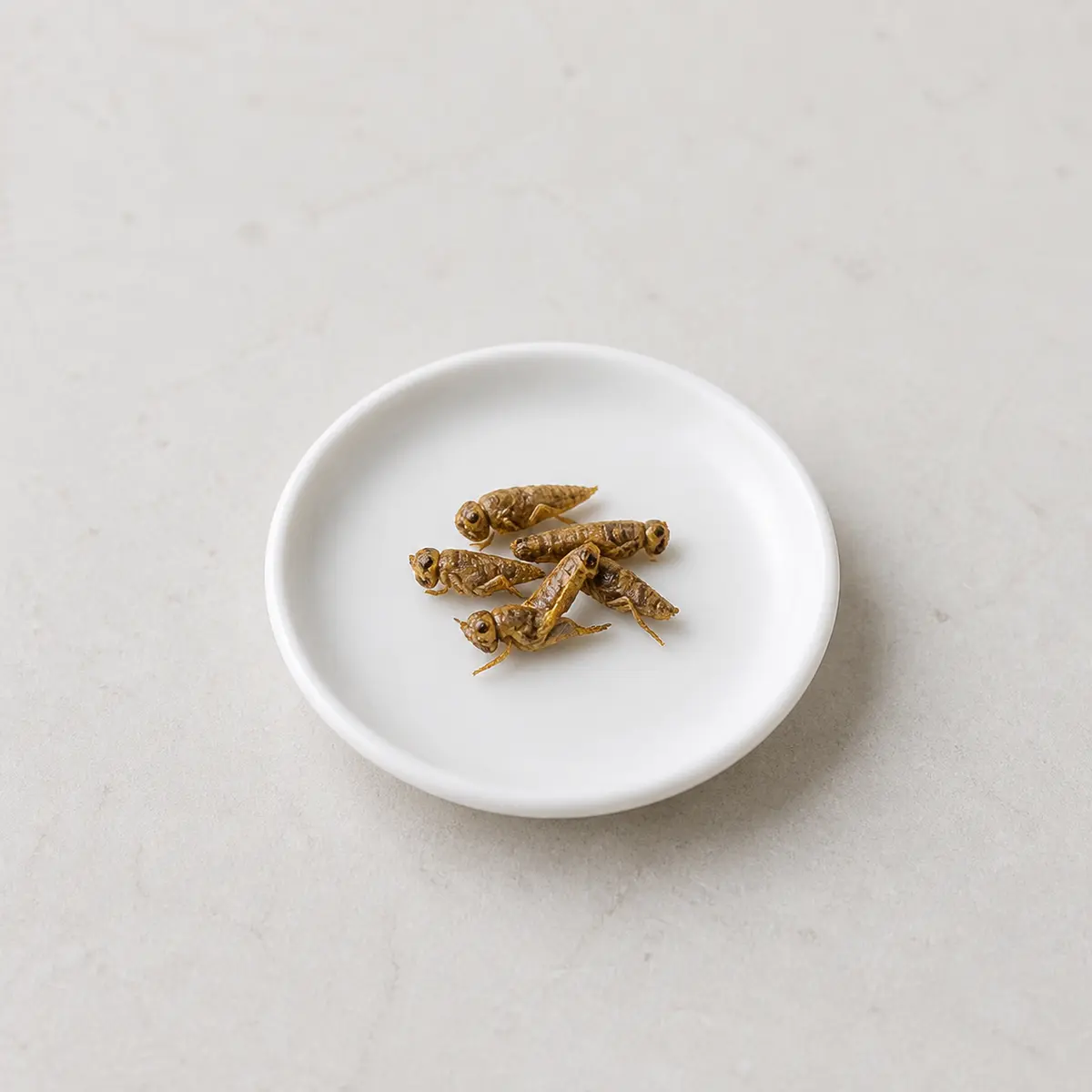
Only consider dried mealworms if they are plain, feeder-grade, and tiny. Cats do not need them.
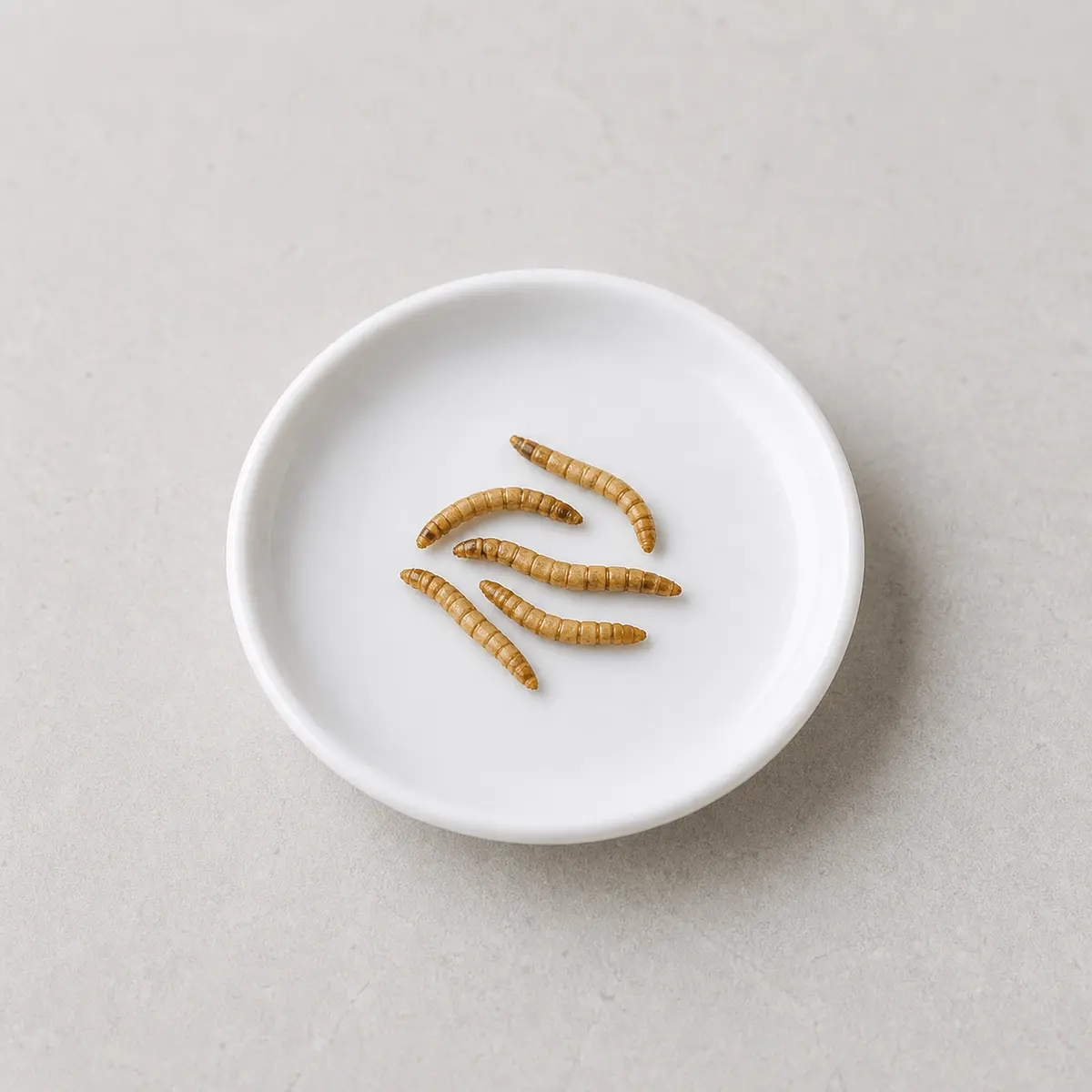 Dried Mealworms
Call for stale product or symptoms
Call your veterinarian if your cat ate stale or moldy mealworms, bird mix, a large amount, or has vomiting, swelling, coughing, or weakness.
Bird mixes are not cat treats
Mealworms sold in seed mixes can bring stale pieces, hard corn, seeds, or storage issues.
Watch texture and allergy signs
Crunchy insects can cause coughing or gagging, and any swelling, itchiness, or vomiting means stop and call.
Use only controlled-source insects
- Use only plain feeder-grade dried mealworms from a reputable source, if any.
- Break or choose tiny pieces your cat can chew easily.
- Stop if vomiting, diarrhea, coughing, itching, or appetite changes appear.
Skip bird mixes and seasoning
- Wild insects, bird-food mixes, seasoned mealworms, salted insects, stale insects, moldy products, large crunchy pieces, and unknown sources.
- Dried mealworms for cats with insect allergy signs, digestive disease, prescription diets, or poor appetite unless your veterinarian approves it.
- Letting insect treats replace complete cat food.
Watch
- Vomiting, diarrhea, coughing, choking, drooling, itching, facial swelling, refusing food, or behavior that feels wrong.
Portion
One tiny piece is enough. Dried mealworms should stay occasional if used at all.
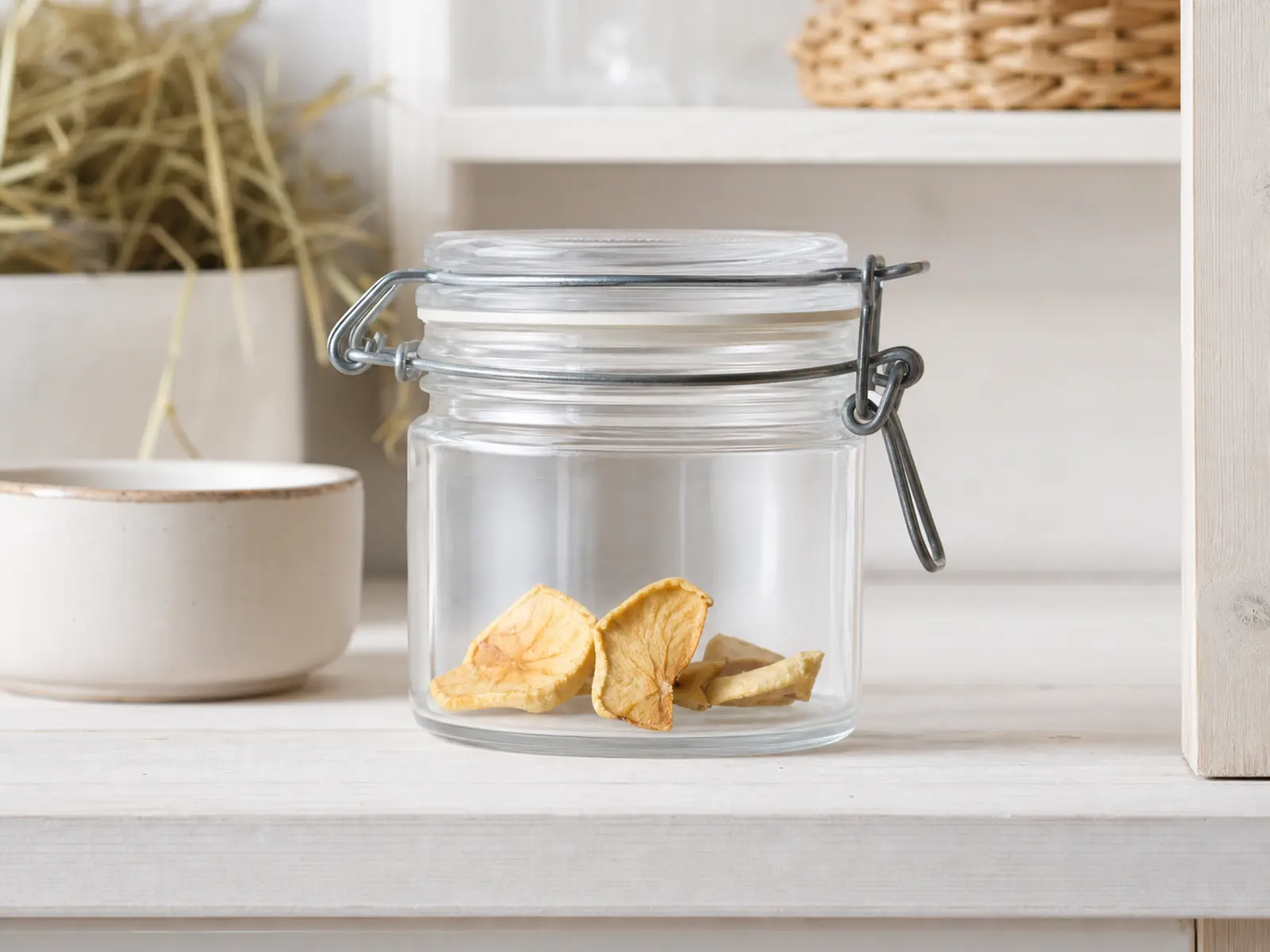
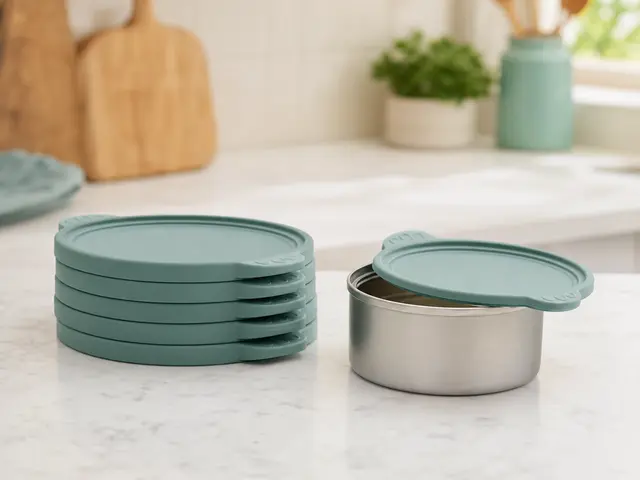
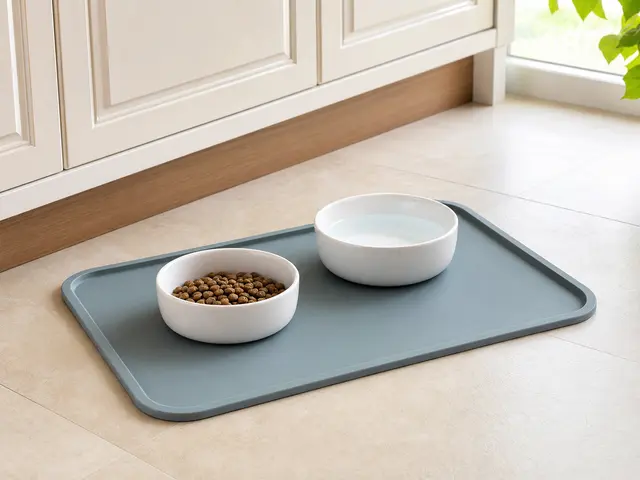
Helpful food-safety supplies
Optional tools for measuring, storing, serving, and cleaning up tiny portions safely.
Affiliate links: Furball Cove may earn from qualifying purchases at no extra cost to you.