Updated
Cat food safety
Can Cats Eat Lemons? Usually Skip Citrus
Usually skip
Usually skip lemons. Citrus is not useful for cats and can irritate the mouth or stomach.
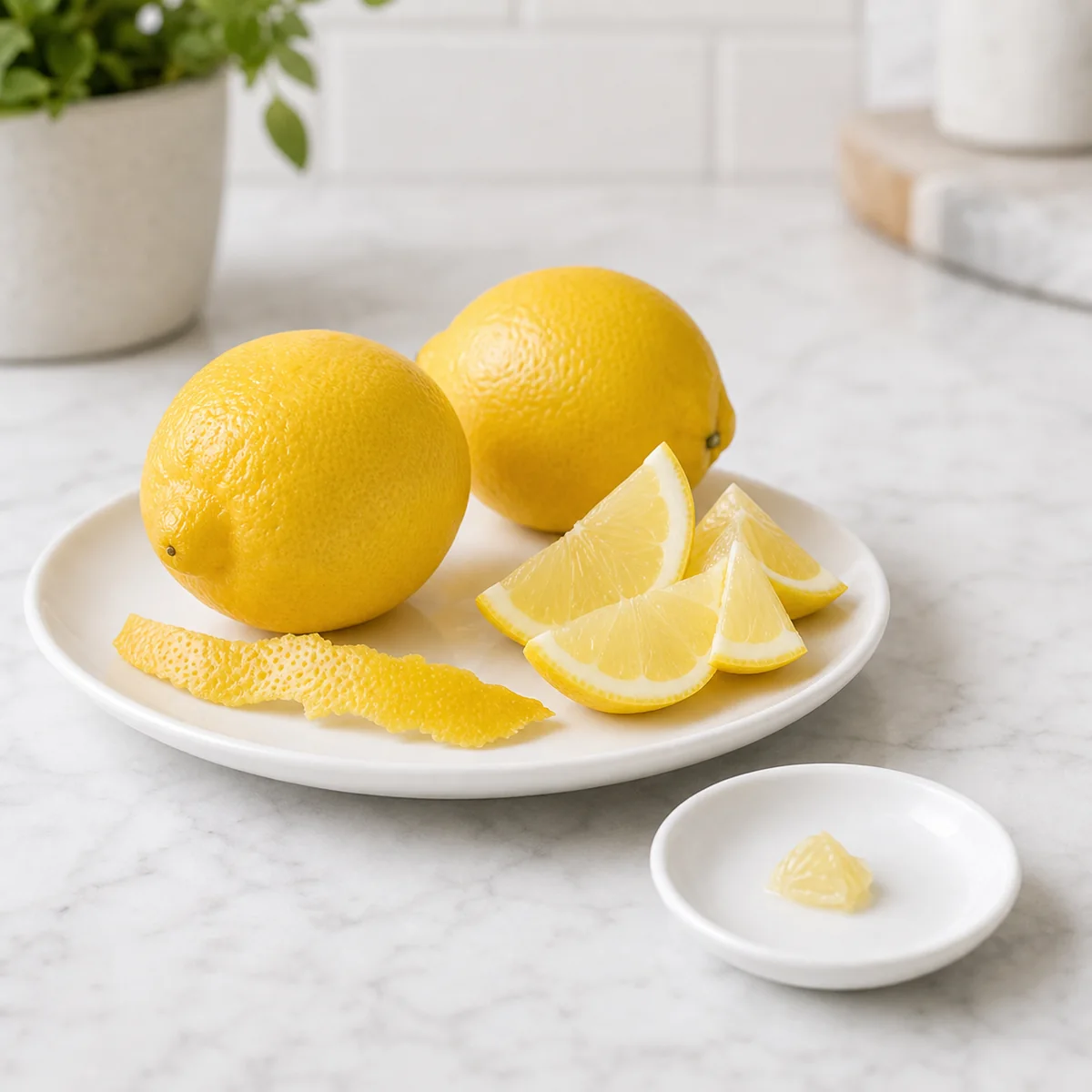 Lemons
Call for peel, oil, cleaner, large amount, or symptoms
Call your veterinarian if your cat ate peel, contacted citrus oil or cleaner, swallowed a large amount, or symptoms start.
The peel and oil matter
Citrus oils and peel are more concerning than a tiny taste of pulp.
Do not use lemon as a training tool
Strong smells may deter some cats, but using citrus around cats can create exposure problems.
Skip citrus
- Do not offer lemon as a treat.
- If your cat licked lemon, check whether peel, oil, cleaner, dessert, or sweetened drink was involved.
Avoid peel, oils, and lemon products
- Peel, zest, essential oil, lemonade, lemon desserts, lemon chicken, cleaners, cocktails, sugar, and citrus-scented products.
- Using lemon to deter chewing or behavior. Choose cat-safe management instead.
Watch
- Drooling, pawing at the mouth, vomiting, diarrhea, coughing, lethargy, poor appetite, or skin irritation after contact.
Portion
No routine serving. A tiny accidental lick of pulp or juice is different from peel, oil, cleaner, or a sweetened lemon food.
Helpful food-safety supplies
Optional tools for measuring, storing, serving, and cleaning up tiny portions safely.
Affiliate links: Furball Cove may earn from qualifying purchases at no extra cost to you.