Updated
Cat food safety
Can Cats Eat Pizza Crust? Usually Skip It
Usually skip
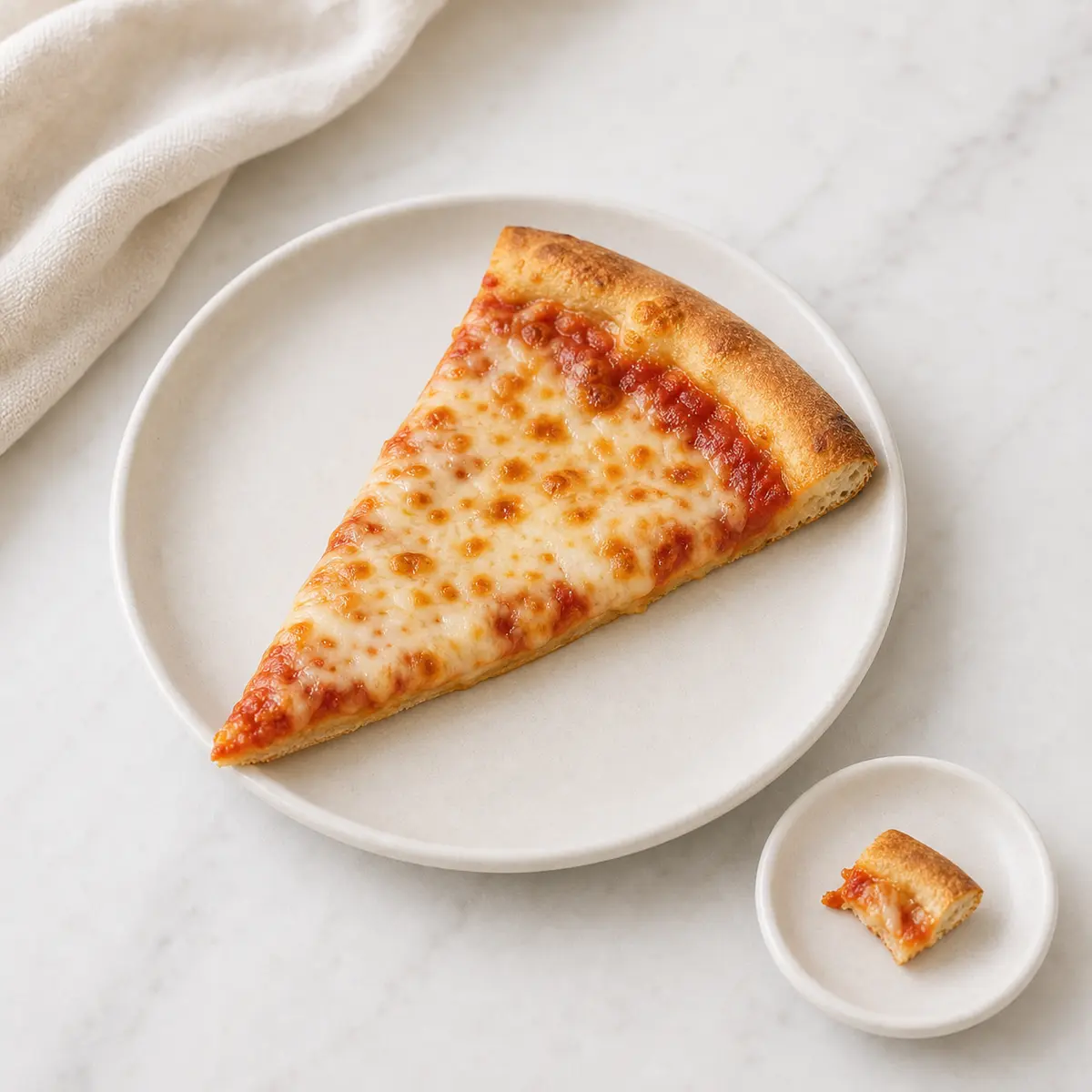
Usually skip pizza crust. It is salty bread with possible sauce, cheese, garlic, or onion residue.
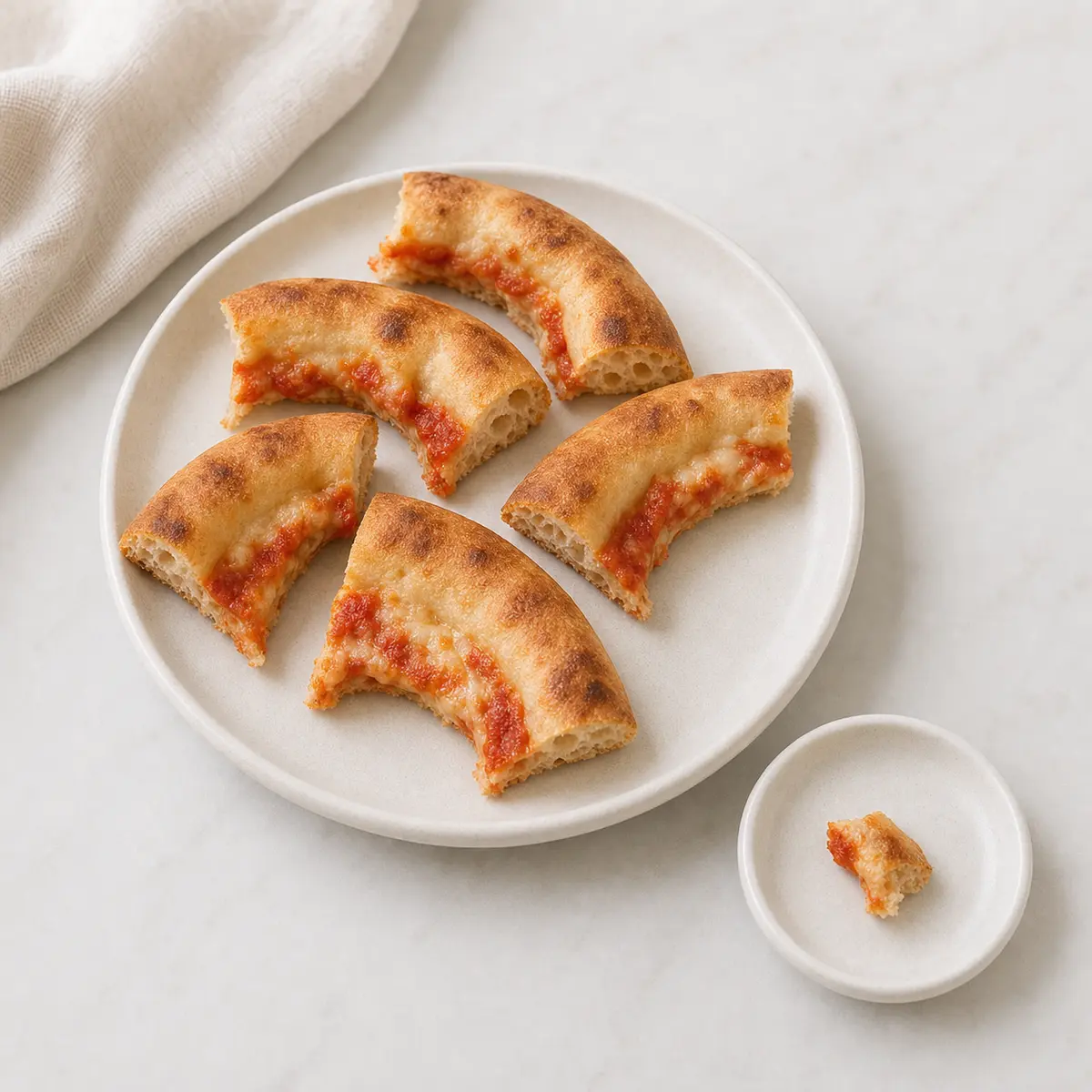 Pizza Crust
Ask your vet
Call your veterinarian if crust had garlic or onion, a large amount was eaten, or vomiting, weakness, pain, or repeated diarrhea starts.
Crust is not plain bread
Pizza crust often carries oil, salt, garlic, cheese, or sauce even when it looks bare.
Toppings matter
Pepperoni, sausage, onion, garlic, and sauce can change a crumb into a more serious exposure.
How to handle it
- Do not offer pizza crust from the table or box.
- If your cat ate some, check for garlic butter, onion, sauce, cheese, pepperoni, sausage, or a large amount.
Avoid
- Garlic crust, stuffed crust, cheesy crust, sauce residue, onion, garlic, chili flakes, salty crust, greasy crust, toppings, and large pieces.
- Pizza crust for cats with digestive sensitivity, pancreatitis risk, obesity, diabetes, prescription diets, or poor appetite.
Watch
- Vomiting, diarrhea, belly pain, thirst, drooling, lethargy, refusing food, or behavior that feels wrong.
Portion
No routine serving. If a tiny crumb was eaten, check the crust seasoning and topping residue.
Helpful food-safety supplies
Optional tools for measuring, storing, serving, and cleaning up tiny portions safely.
Affiliate links: Furball Cove may earn from qualifying purchases at no extra cost to you.