Updated
Cat food safety
Can Cats Eat Salsa? No, Skip It
Skip it
No, skip salsa. Onion, garlic, salt, acidity, and spice make it a poor choice for cats.
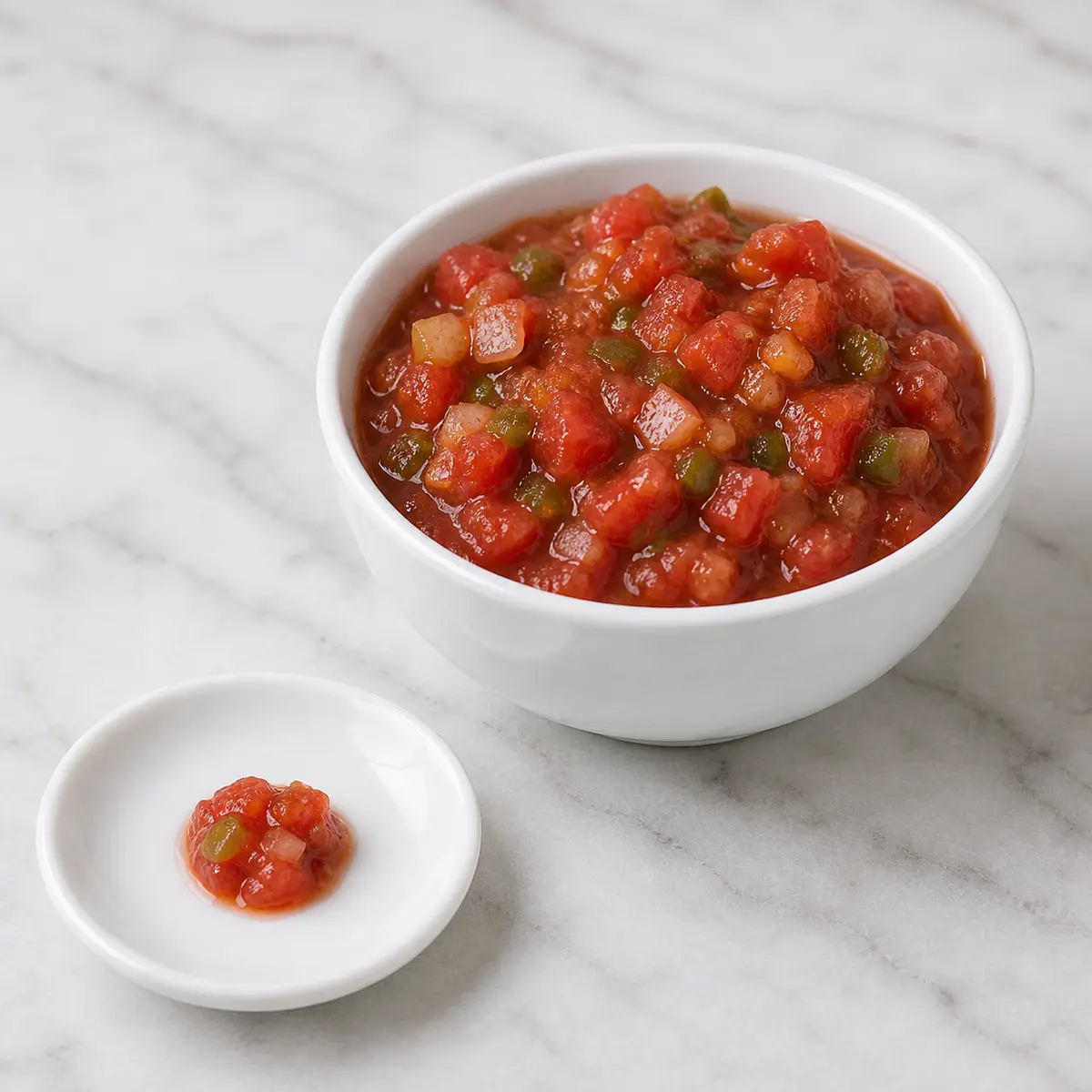 Salsa
SalsaAsk your vet
Call your veterinarian if salsa contained onion, garlic, shallots, scallions, a large amount was eaten, or symptoms start.
Alliums are common
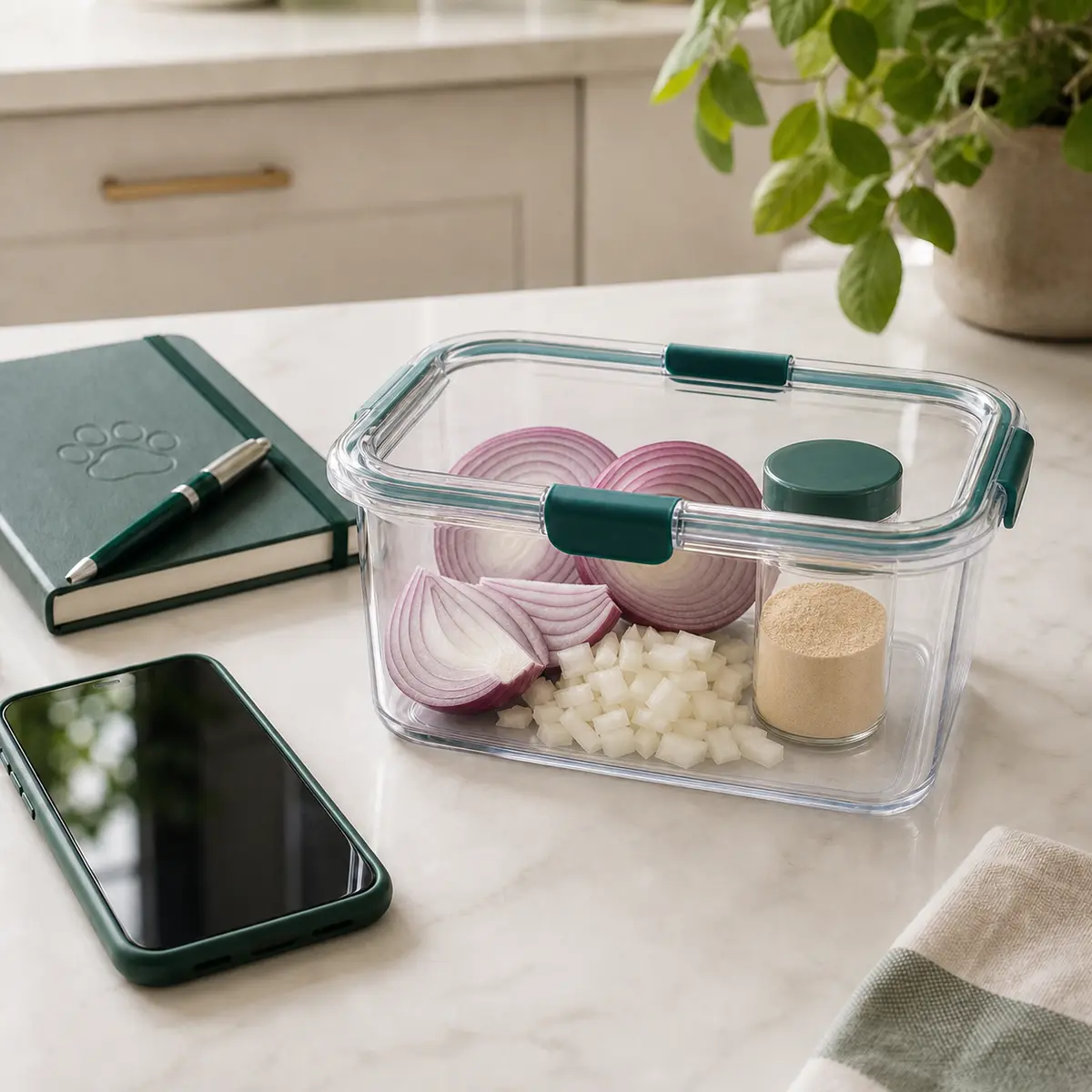
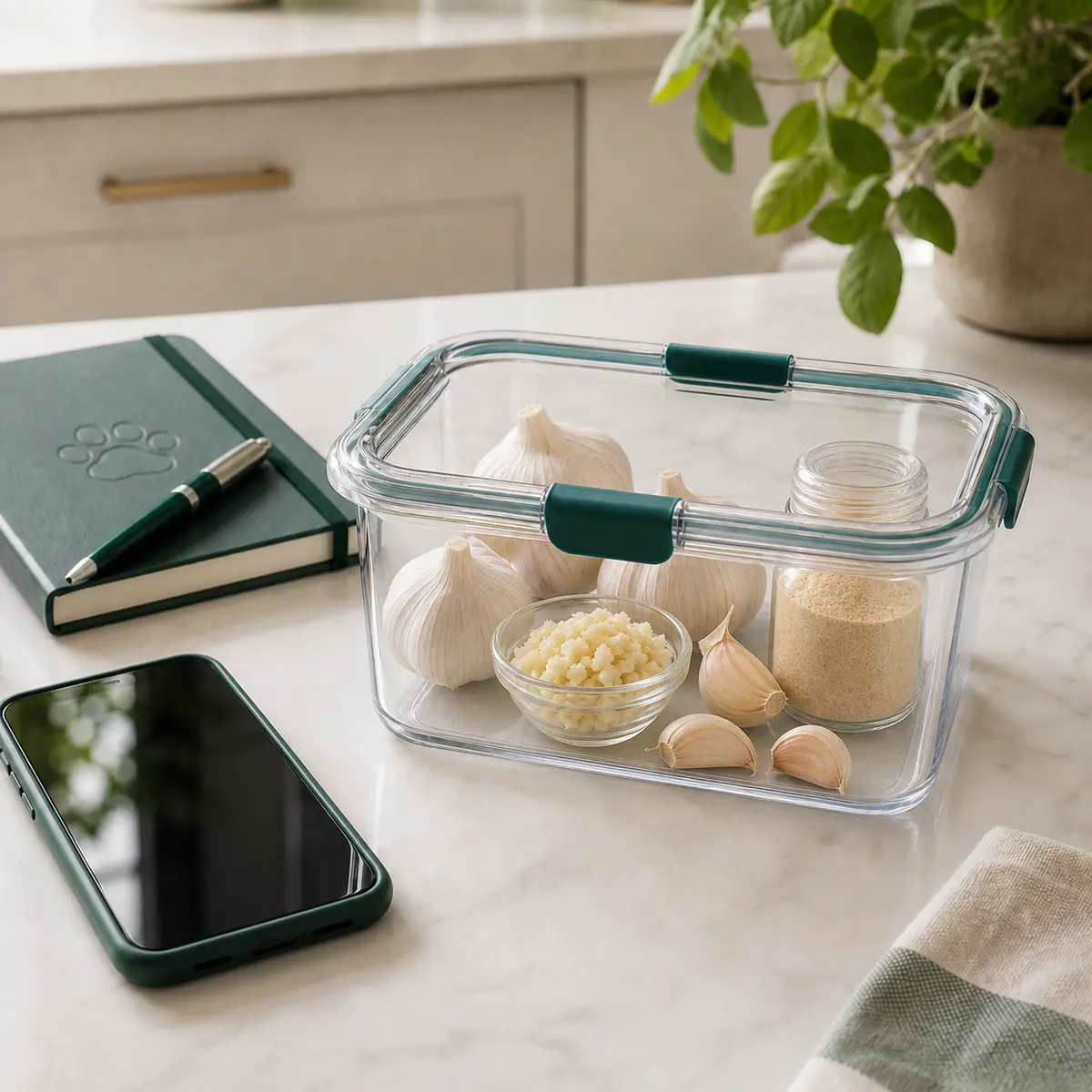
Onion, garlic, scallions, and shallots are normal salsa ingredients and are not safe for cats.
Spice adds irritation
Chiles, acid, and salt can upset the mouth and stomach even when alliums are not listed.
How to handle it
- Do not offer salsa.
- If your cat licked some, check the ingredient list for onion, garlic, chiles, salt, and xylitol or sweeteners.
Avoid
- Onion, garlic, scallions, shallots, chiles, hot sauce, salty salsa, lime-heavy salsa, chips, and repeated licking.
- Salsa for cats with digestive disease, kidney disease, urinary diets, or prescription diets.
Watch
- Vomiting, diarrhea, drooling, belly pain, thirst, lethargy, pale gums, weakness, or behavior that feels wrong.
Portion
No routine serving. A tiny lick is an ingredient-check question.
Helpful food-safety supplies
Optional tools for measuring, storing, serving, and cleaning up tiny portions safely.
Affiliate links: Furball Cove may earn from qualifying purchases at no extra cost to you.