Updated
Cat food safety
Can Cats Eat Salt? No, Avoid Extra Salt
Avoid extra salt
No. Do not offer salt or salty foods as cat treats.
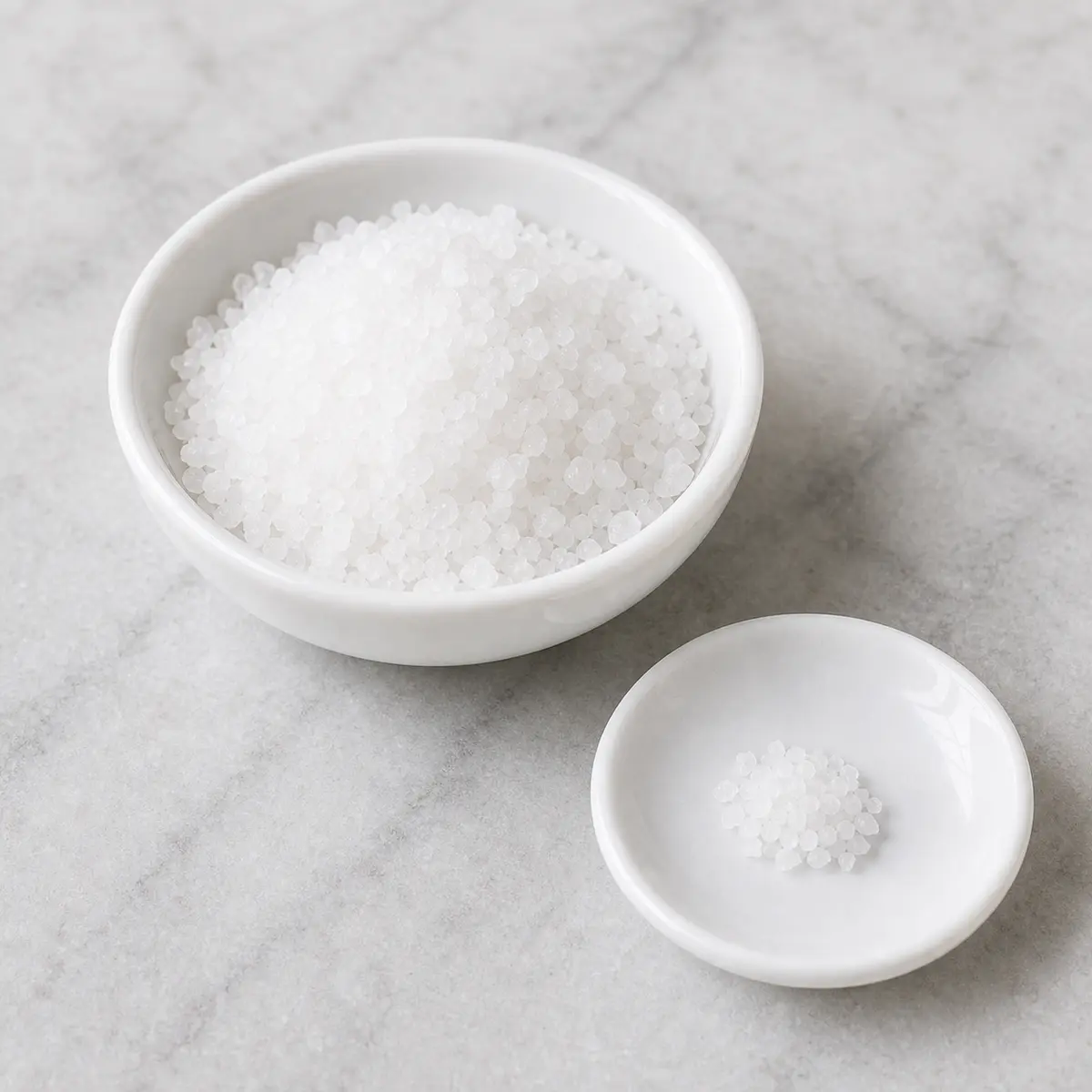 Salt
SaltAsk your vet
Call your veterinarian or emergency clinic promptly if your cat ate a salt pile, salt dough, brine, or a large salty food exposure.
Salt dough is urgent
Homemade ornaments, dough, and brines can contain enough salt to be dangerous.
Snacks add up
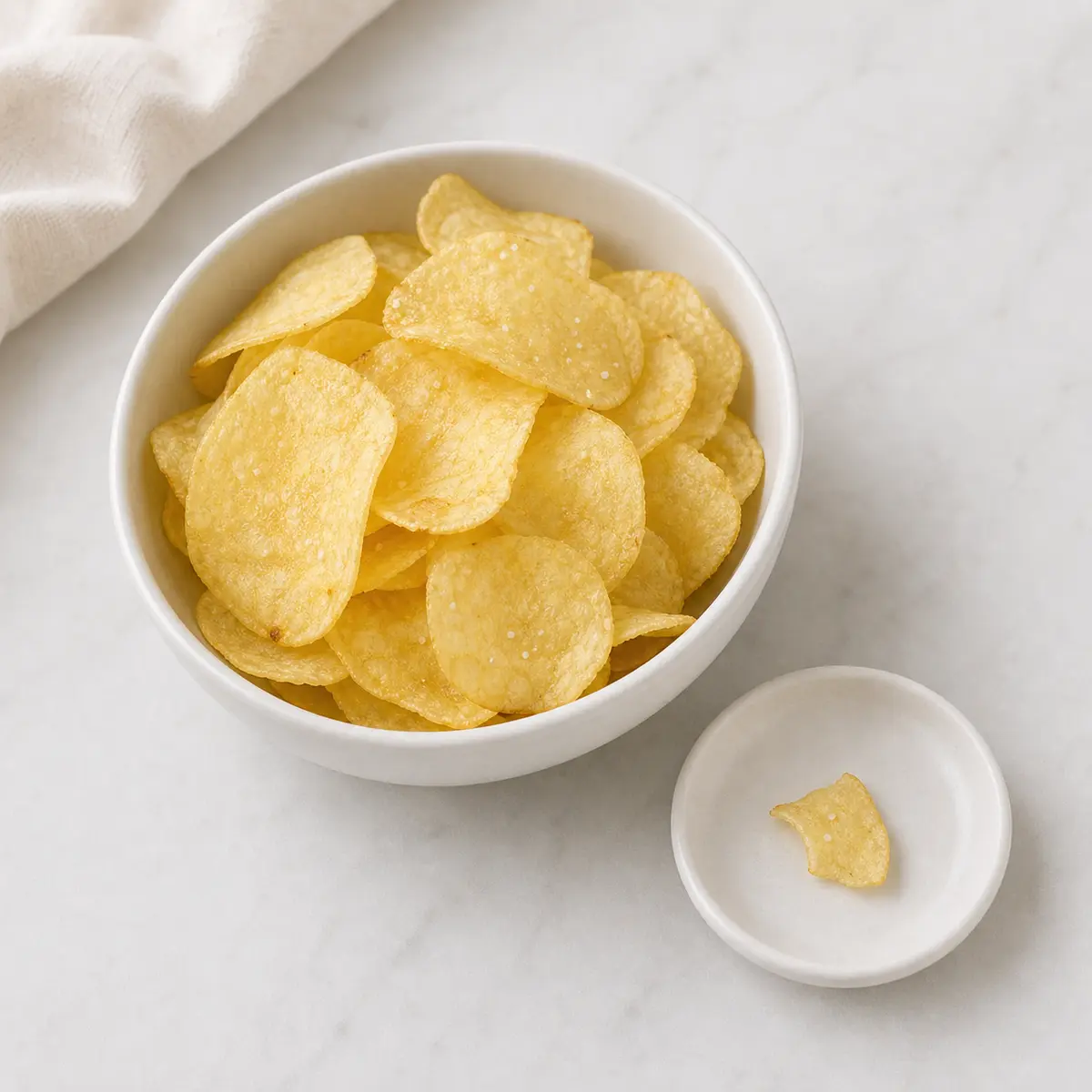
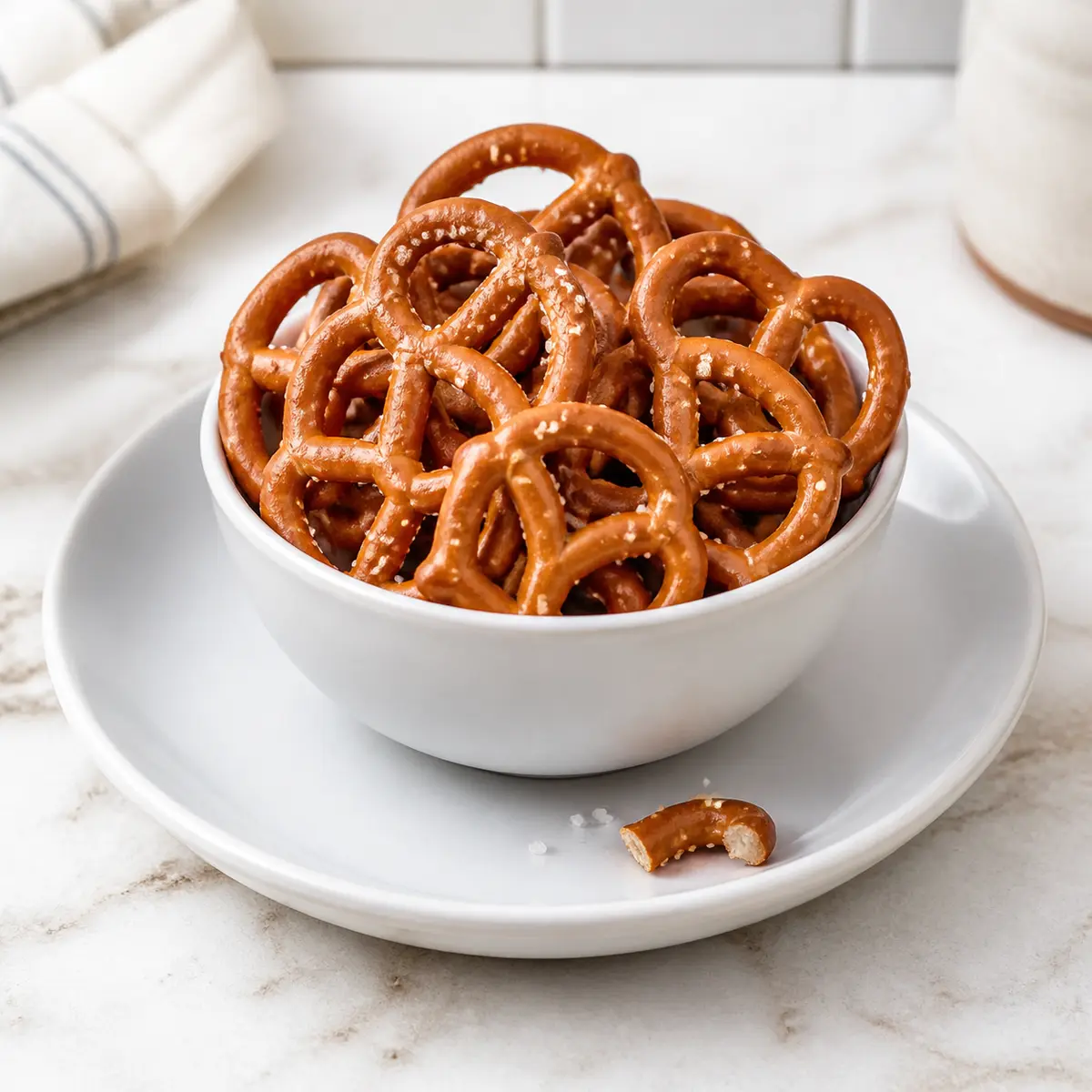
Chips, pretzels, cured meats, and salted fish can deliver more sodium than a cat should get.
How to handle it
- Keep salt piles, brines, salt dough, and salty snacks away from cats.
- If exposure happened, estimate the amount and check whether water, vomiting, or symptoms are involved.
Avoid
- Salt, salt dough, rock salt, brine, bouillon, chips, pretzels, cured meat, salted fish, salted nuts, and heavily seasoned leftovers.
- Giving salt as a home remedy or encouraging water without veterinary advice after a large exposure.
Watch
- Vomiting, diarrhea, thirst, drooling, tremors, wobbliness, weakness, seizures, lethargy, or behavior that feels wrong.
Portion
No safe treat serving. Estimate any exposure instead.
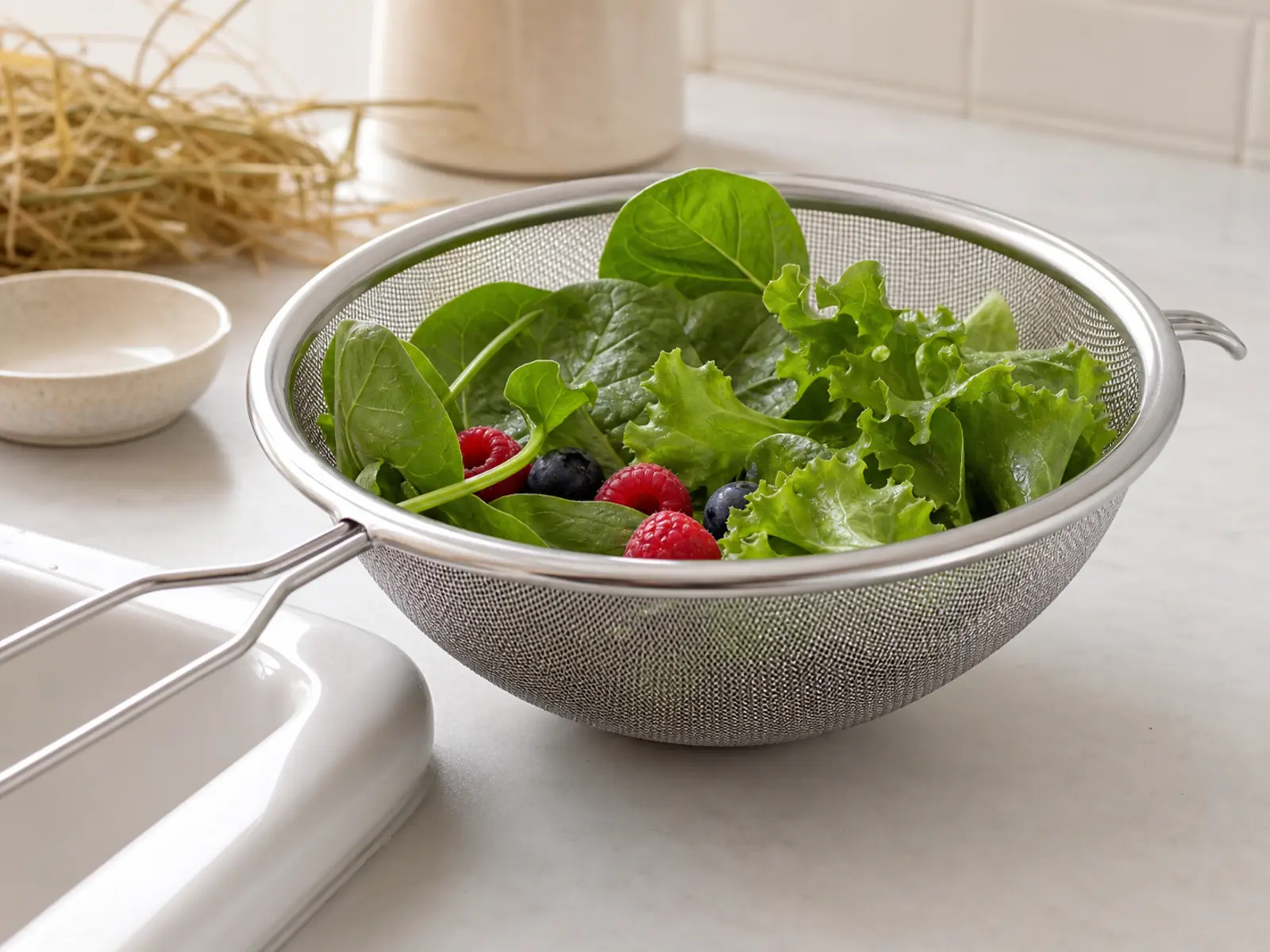
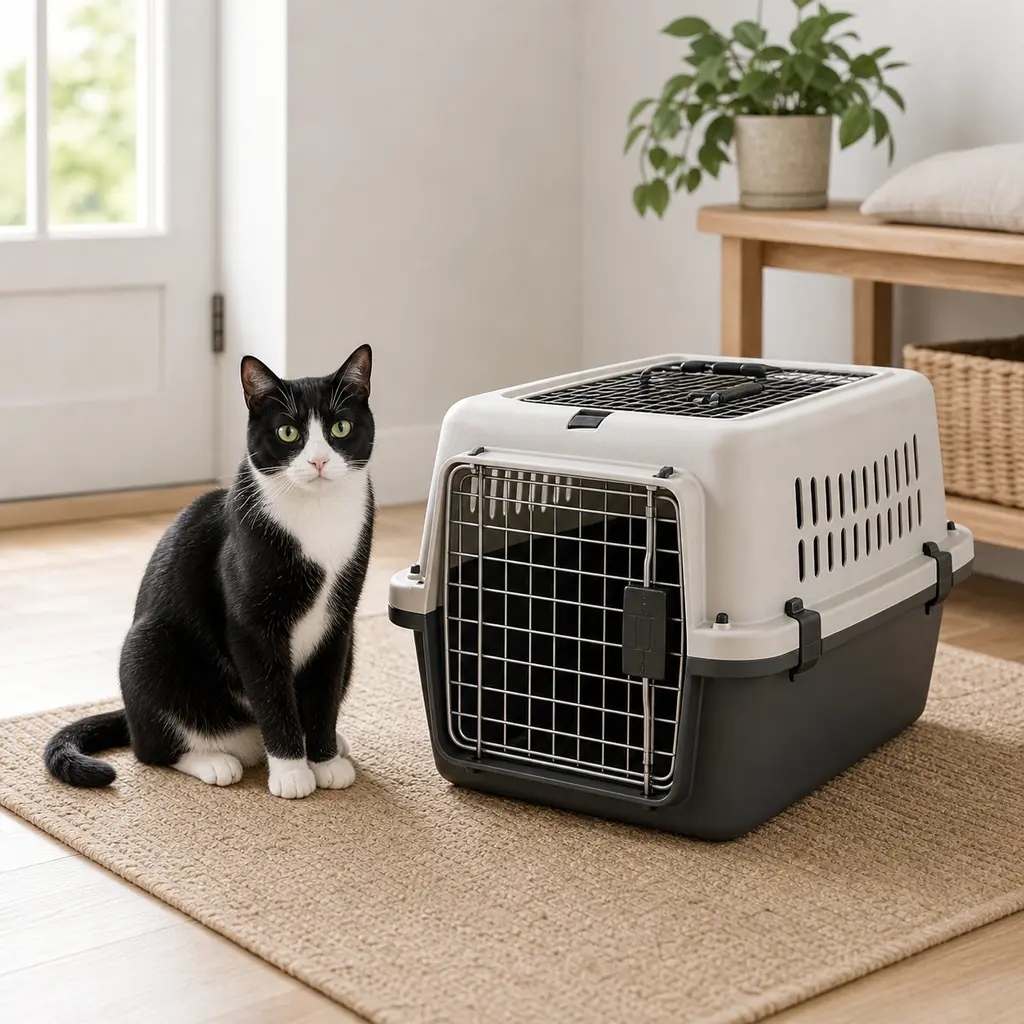
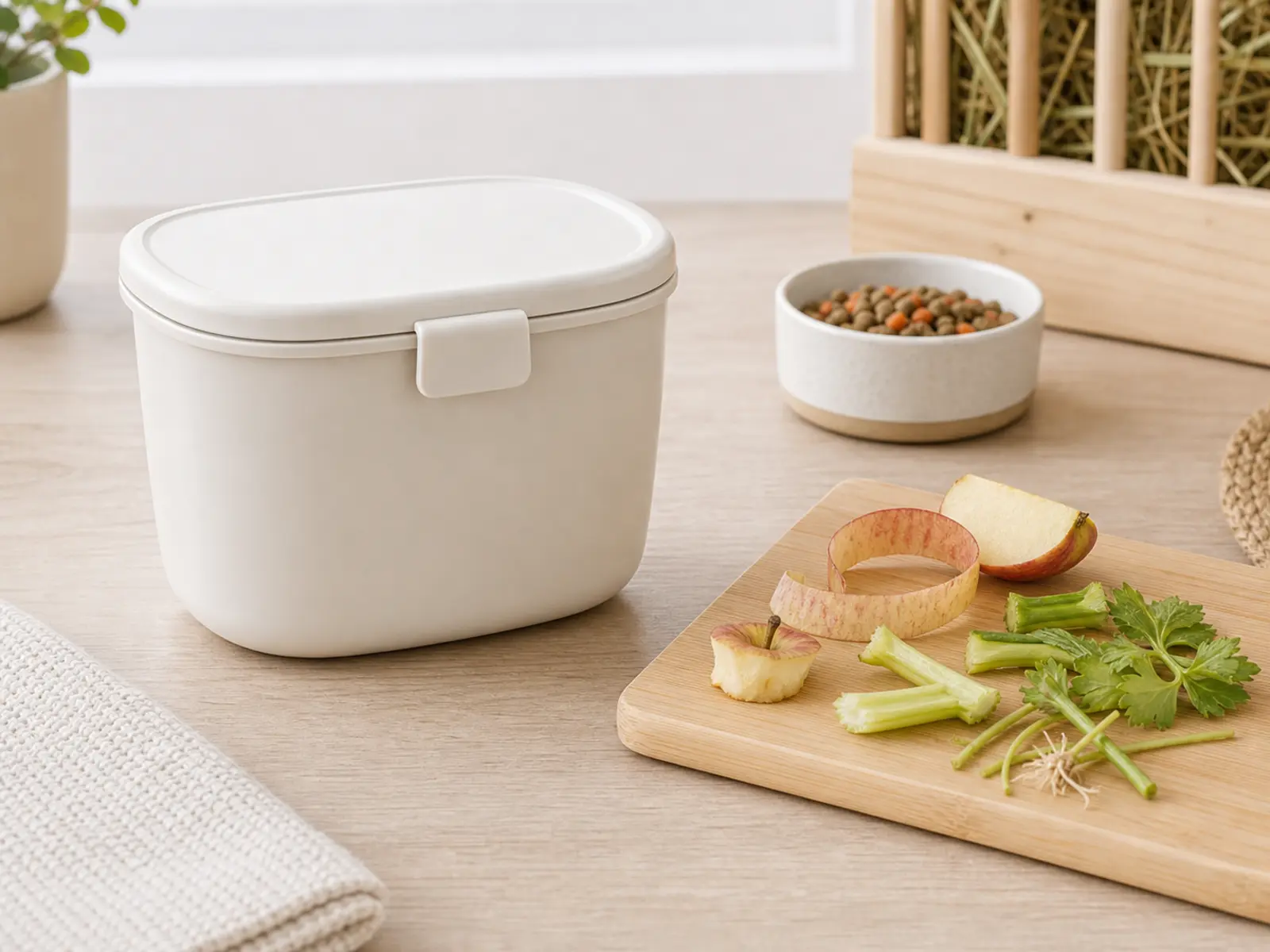
Helpful food-safety supplies
Optional tools for measuring, storing, serving, and cleaning up tiny portions safely.
Affiliate links: Furball Cove may earn from qualifying purchases at no extra cost to you.