Updated
Cat safety check
Can Cats Eat Pickles? Usually Skip Them
Avoid
No—do not serve pickles to your cat. One small piece from a plain dill pickle is usually a watch-at-home mistake, but garlic or onion in the brine, a large amount, or symptoms need a veterinarian or pet poison control call.
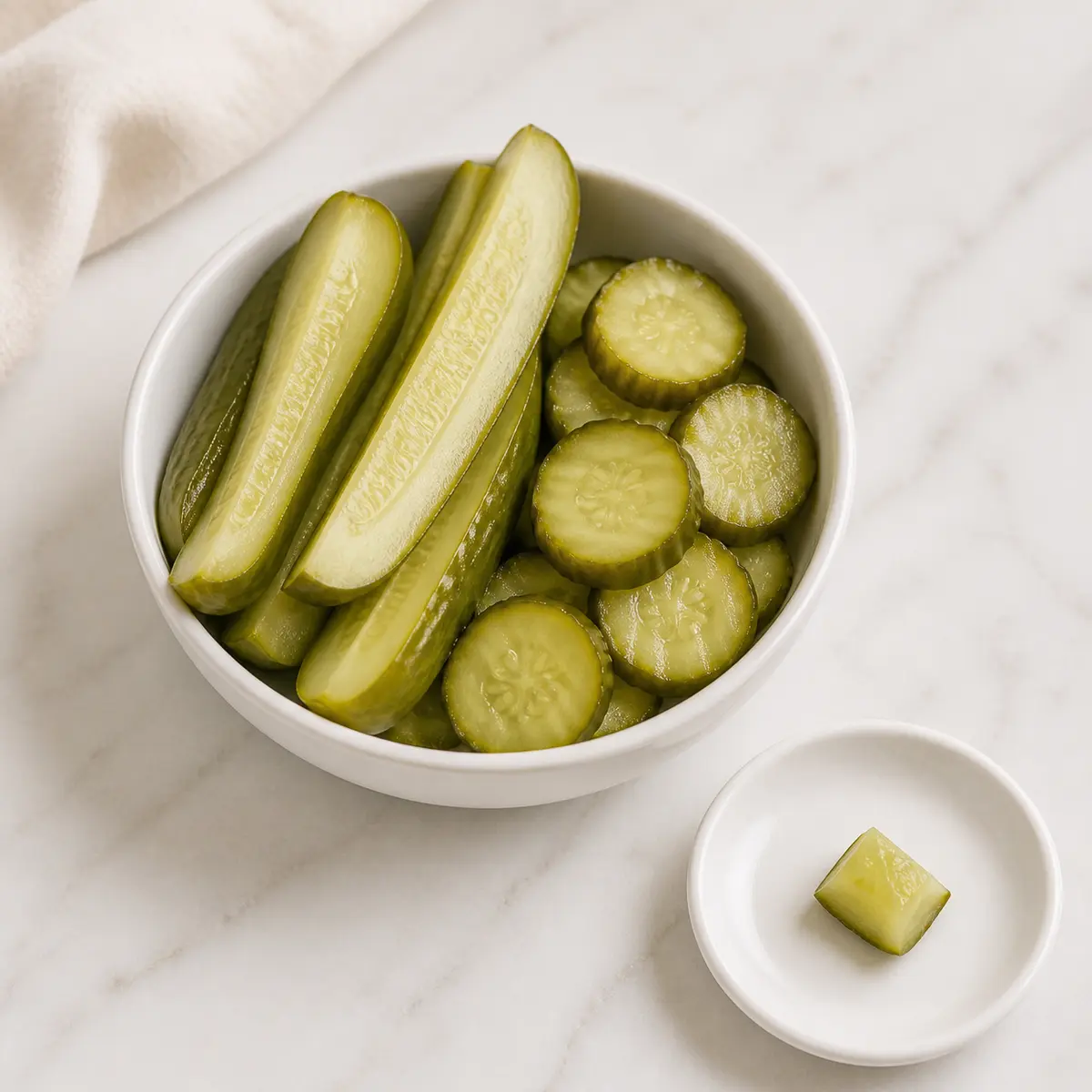 Pickles
Ask your vet
Call your veterinarian or pet poison control if the pickle or brine contained garlic or onion, the amount was large or unknown, or your cat has symptoms. Save the jar and ingredient list.
Skip pickles as a treat
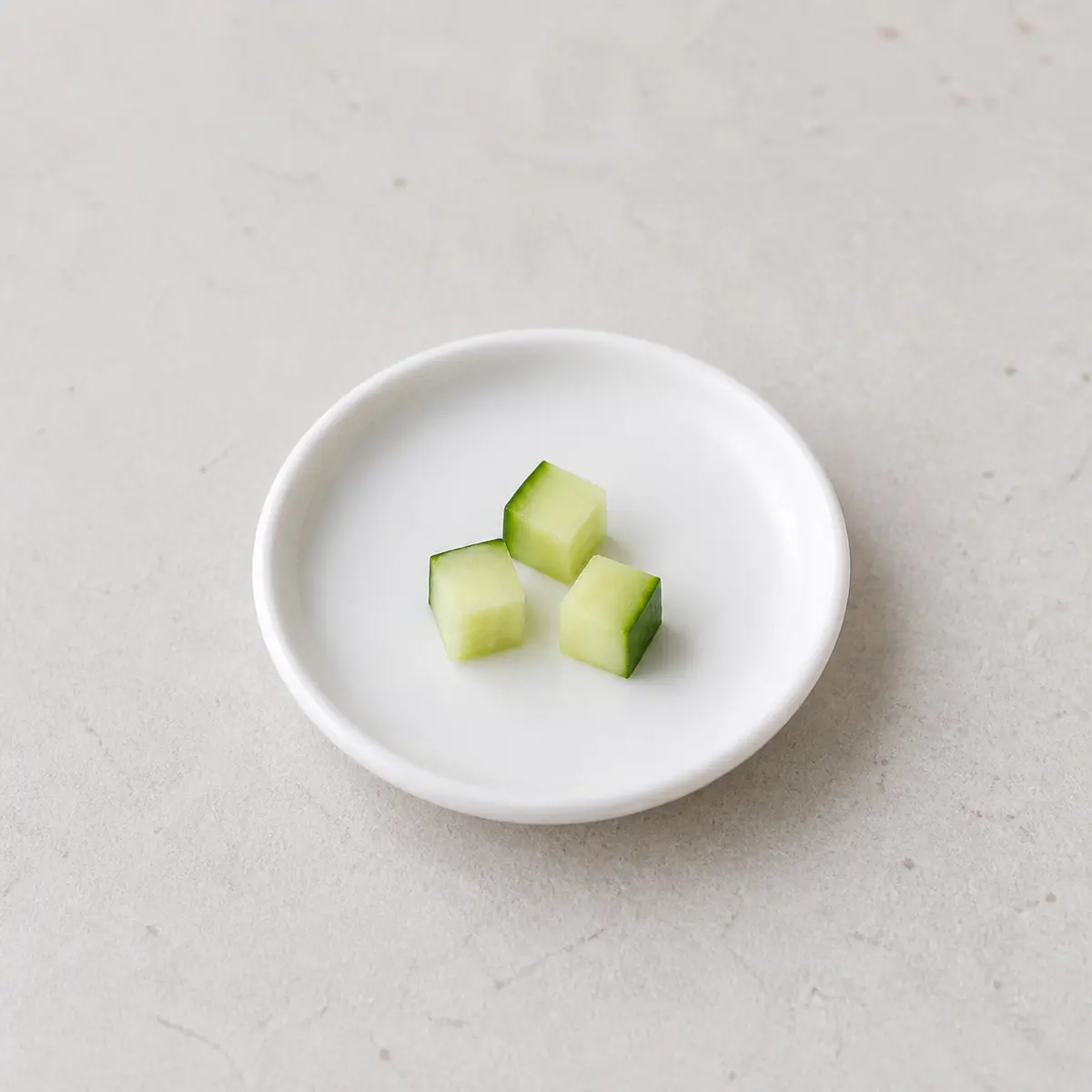
Cats do not need pickles, and the brine adds a lot of salt to a very small snack. If your cat likes crunch, use a cat treat or ask your veterinarian whether one tiny piece of plain fresh cucumber fits instead.
Read the jar, not just the front label
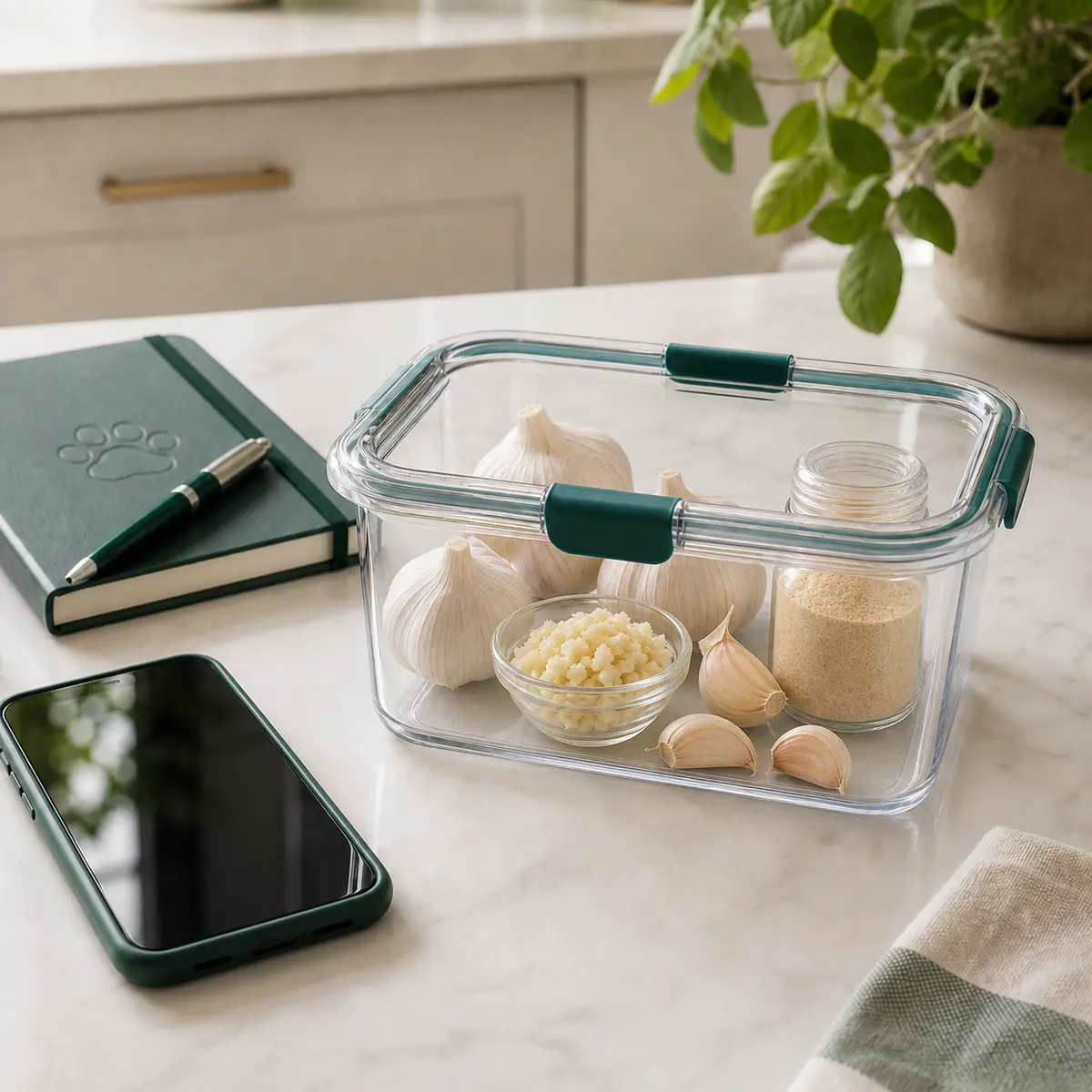
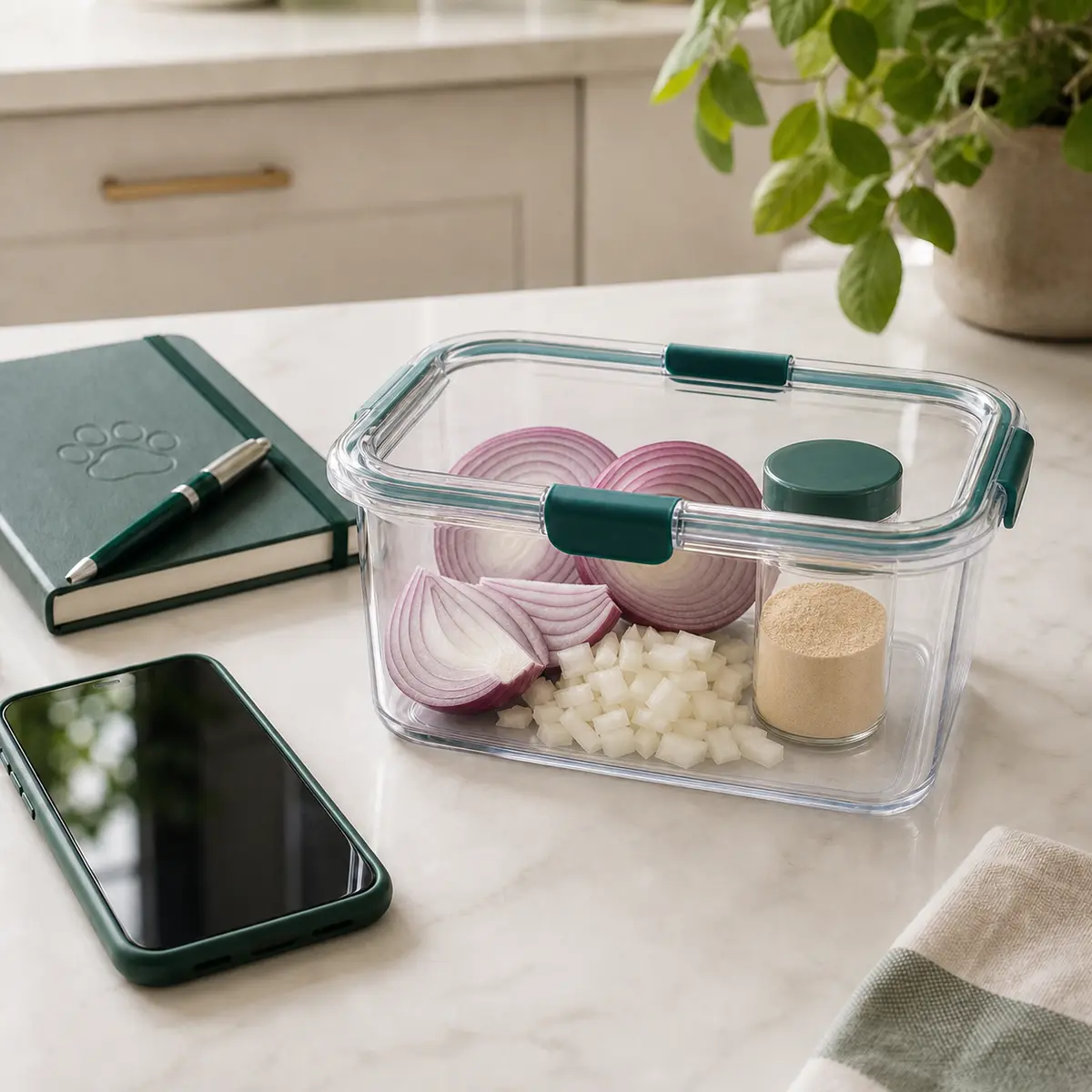
Turn the jar around and read the full ingredient list. If you find garlic, onion, or chives, save the label and call your veterinarian or pet poison control. Those ingredients remain unsafe when cooked, dried, or mixed into brine, and signs of red-blood-cell damage may take time to appear.
After a stolen bite
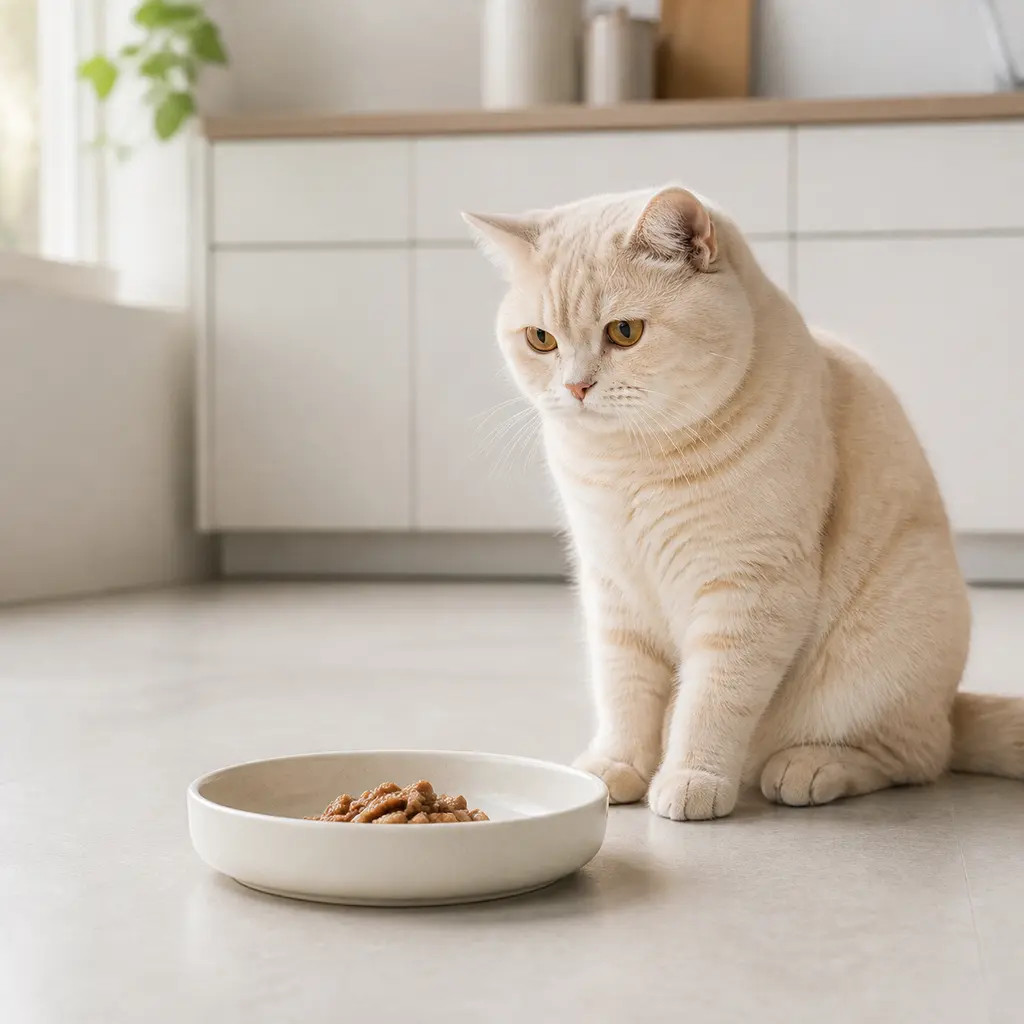
For one small piece from a plain dill pickle, take away the rest, offer normal access to fresh water, and watch your cat. Call your veterinarian or pet poison control for garlic or onion, a large or unknown amount, repeated vomiting or diarrhea, weakness, pale gums, fast breathing, tremors, collapse, or unusual behavior.
If one piece was stolen
- After one small plain piece, remove the rest, leave fresh water available, and watch your cat.
Keep off the menu
- Do not offer pickles as a treat; the brine is salty and cats do not need them.
- Read the full ingredient list. If it contains garlic, onion, or chives, save the jar and call your veterinarian or pet poison control.
Watch
- Call your veterinarian if vomiting or diarrhea repeats instead of settling.
- Call your veterinarian now for weakness, pale gums, fast breathing, tremors, collapse, or behavior that feels wrong.
Portion
Best avoided. If your cat already ate a lot, has symptoms, or the ingredients are unclear, call your veterinarian.
Helpful food-safety supplies
Optional tools for measuring, storing, serving, and cleaning up tiny portions safely.
Affiliate links: Furball Cove may earn from qualifying purchases at no extra cost to you.