Updated
Rabbit food check
Can Rabbits Eat Fish? No—Keep It on Your Plate
No—do not feed
No. Rabbits are herbivores, and fish has no useful place in a rabbit's hay-and-plant diet. Keep raw or cooked fish, bones, skin, oil, sauce, and seasoned leftovers out of reach. A tiny plain stolen nibble is usually a monitoring question; a bone, unknown recipe, or any change in eating or droppings needs a rabbit-savvy veterinary call.
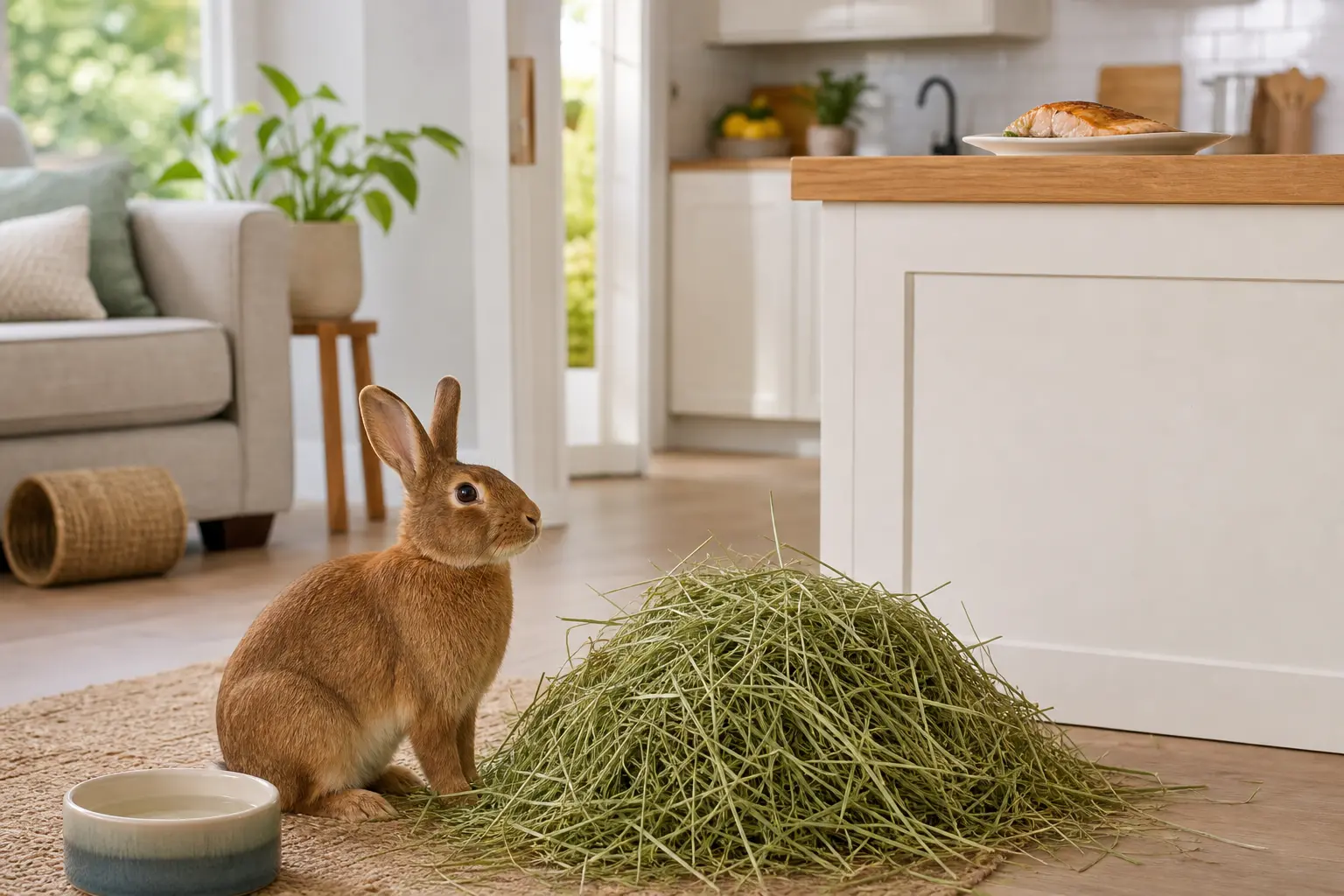 Fish
FishAsk your vet if they ate it
If your rabbit ate fish and seems off, has stopped eating, or you do not know the amount, call a rabbit-savvy veterinarian or pet poison hotline.
Fish does not match a rabbit's digestive job
Rabbits are built to keep fibrous plant material moving through the gut and to spend much of the day chewing hay. Fish supplies animal protein and fat but none of the long plant fiber that makes grass hay useful. That is why even plain boneless fish is a no, rather than a tiny high-value treat.
Check the plate before you judge the bite
Start with the plate, not a guess about the bite. Look for missing bones, skin, batter, garlic, onion, butter, oil, sauce, toothpicks, and packaging. Save the label or recipe and call your rabbit-savvy veterinarian if anything beyond plain fish may have disappeared.
A bone or wrapper changes the call
A small sharp bone or piece of film is not a wait-and-see detail. Call a rabbit-savvy veterinarian if a bone, skewer, absorbent pad, foil, or plastic may be missing, and share the item, time, and amount. Rabbits cannot vomit, so do not try to make it happen at home.
Let hay and the litter box answer the next question
Once the human food is secured, refresh hay and water and watch what your rabbit actually does. Normal hay chewing and ordinary droppings are reassuring. Reduced eating, smaller or fewer droppings, belly pressing, pain, or a quiet hunched rabbit needs prompt veterinary help.
Clear the coffee table before floor time
Fish mistakes often happen after the meal, when a plate, takeout carton, or cat bowl stays low while the rabbit begins an evening lap of the room. Move dishes and packaging before opening the pen so prevention becomes part of the ordinary routine.
Reconstruct the missing bite
Compare the plate with what was served. Check the floor, napkin, trash, and the rabbit's mouth area only if handling is calm. Write down the fish type, recipe, missing amount, and time instead of relying on a vague memory later.
Reset the room with familiar food
Put fresh grass hay where your rabbit normally settles and make sure the water bowl is clean and full. Skip compensating treats. The most useful observation is whether the rabbit returns to the long hay meal and produces normal droppings.
Call when the story includes more than fish
Call your rabbit-savvy veterinarian for bones, skewers, garlic, onion, heavy seasoning, packaging, an uncertain amount, or any appetite and litter change. Have the label, recipe, time, and your rabbit's current behavior ready for the clinic.
How to handle it
- Keep fish plates, pet-food bowls, takeout boxes, and grocery packaging above rabbit height before floor time starts.
- After a stolen bite, inspect the plate and floor for bones, toothpicks, foil, plastic film, sauce, and missing pieces before estimating the amount.
- Write down whether the fish was raw, cooked, smoked, canned, fried, breaded, or seasoned, plus the time and best estimate of what disappeared.
- Return to the familiar routine with unlimited grass hay and clean water; do not add fruit, treats, or another new food while you monitor.
Avoid
- Fish of any kind offered as a rabbit treat, including tuna, salmon, white fish, shellfish, fish skin, and fish-based cat or dog food.
- Cooked or raw bones, skewers, toothpicks, foil, plastic wrap, absorbent pads, and packaging from the fish tray.
- Call your rabbit-savvy veterinarian about garlic, onion, or an unknown recipe; keep butter, oil, salt, batter, breading, smoke flavor, brine, chili, and lemon sauce away too.
- Waiting through reduced appetite or fewer droppings because the stolen amount looked small; those changes need prompt rabbit-savvy veterinary advice.
Watch
- Normal interest in hay and water after the kitchen is cleared
- The usual number and size of dry round droppings
- No drooling, mouth discomfort, gagging, belly pressing, or hunched posture; call your rabbit-savvy veterinarian if one appears
- Less eating, fewer droppings, unusual quietness, pain, or suspected bone or packaging ingestion; call a rabbit-savvy veterinarian promptly
Portion
There is no useful serving size. Fish adds animal protein and fat without the long plant fiber a rabbit needs, so it should not become a treat even when it is plain.
Keep human dinner separate from the rabbit routine
The useful gear here prevents access and makes the normal hay-and-water reset easy. It does not turn fish into a rabbit treat.
Affiliate links: Furball Cove may earn from qualifying purchases at no extra cost to you.
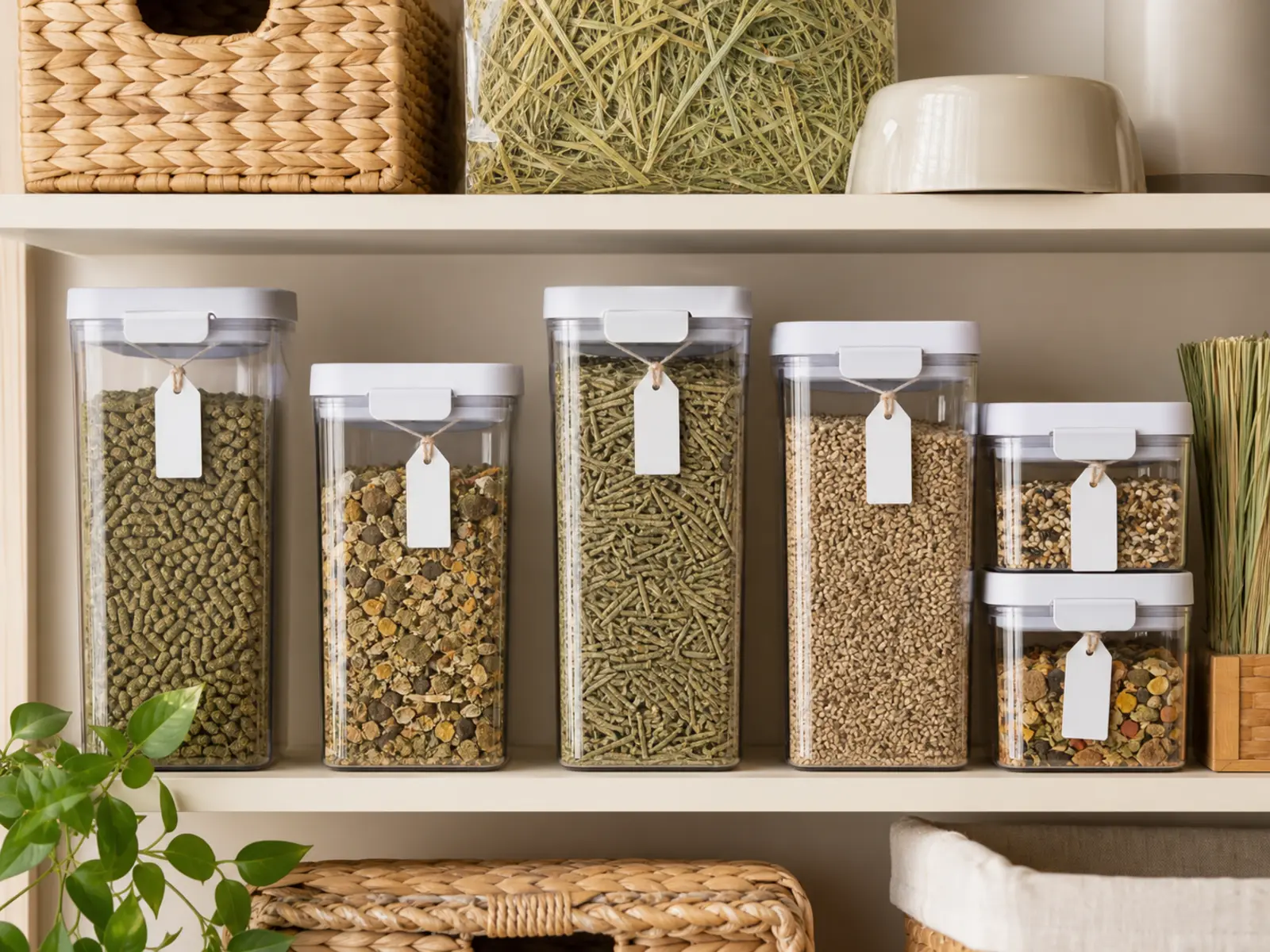
Airtight pellet containers
Move leftovers off low plates and into a closed container before the pen opens.
Shop airtight pellet containers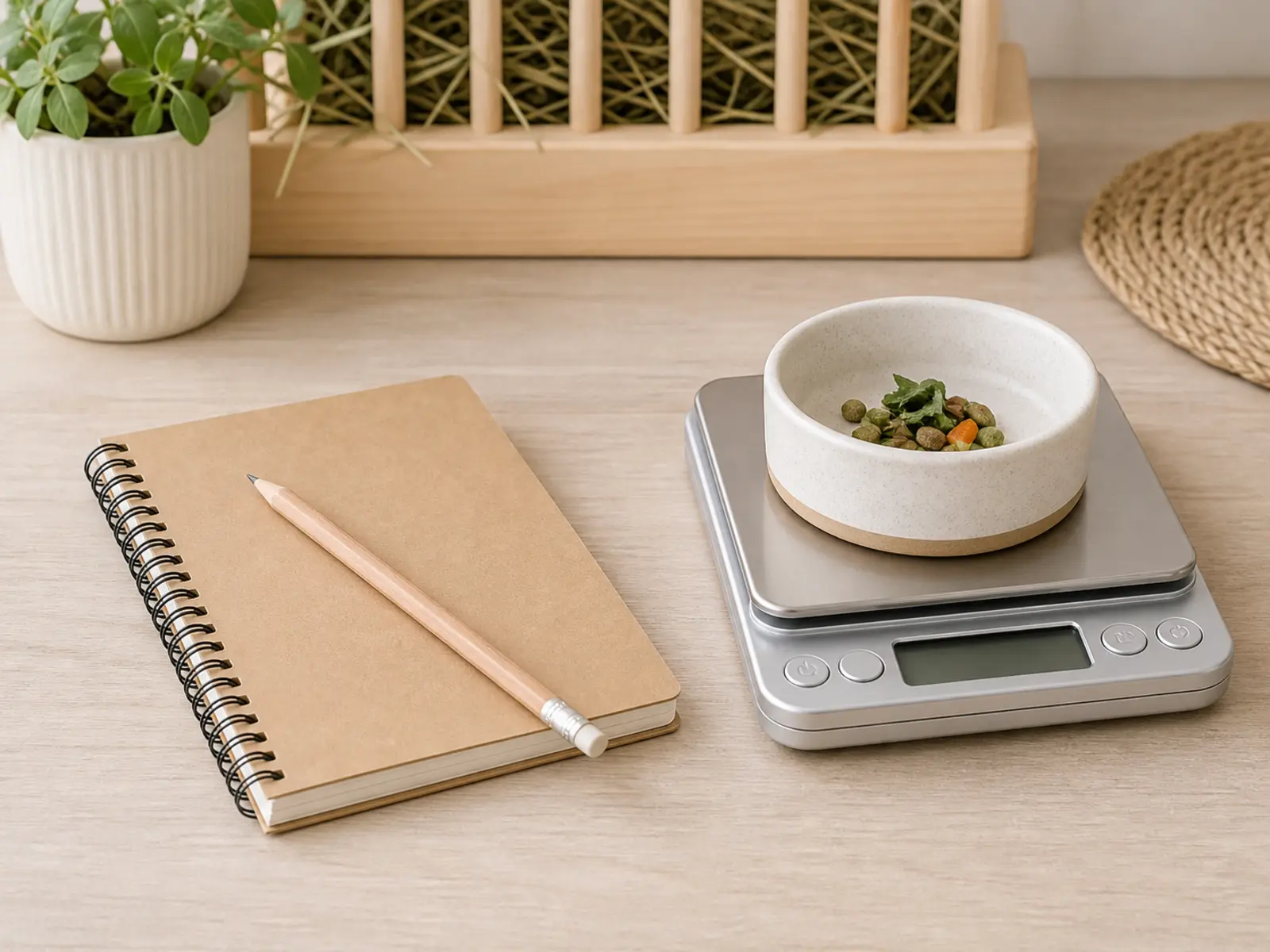
Rabbit care notebook
Record the recipe, amount, time, and litter changes clearly for a veterinary call.
Shop rabbit care notebook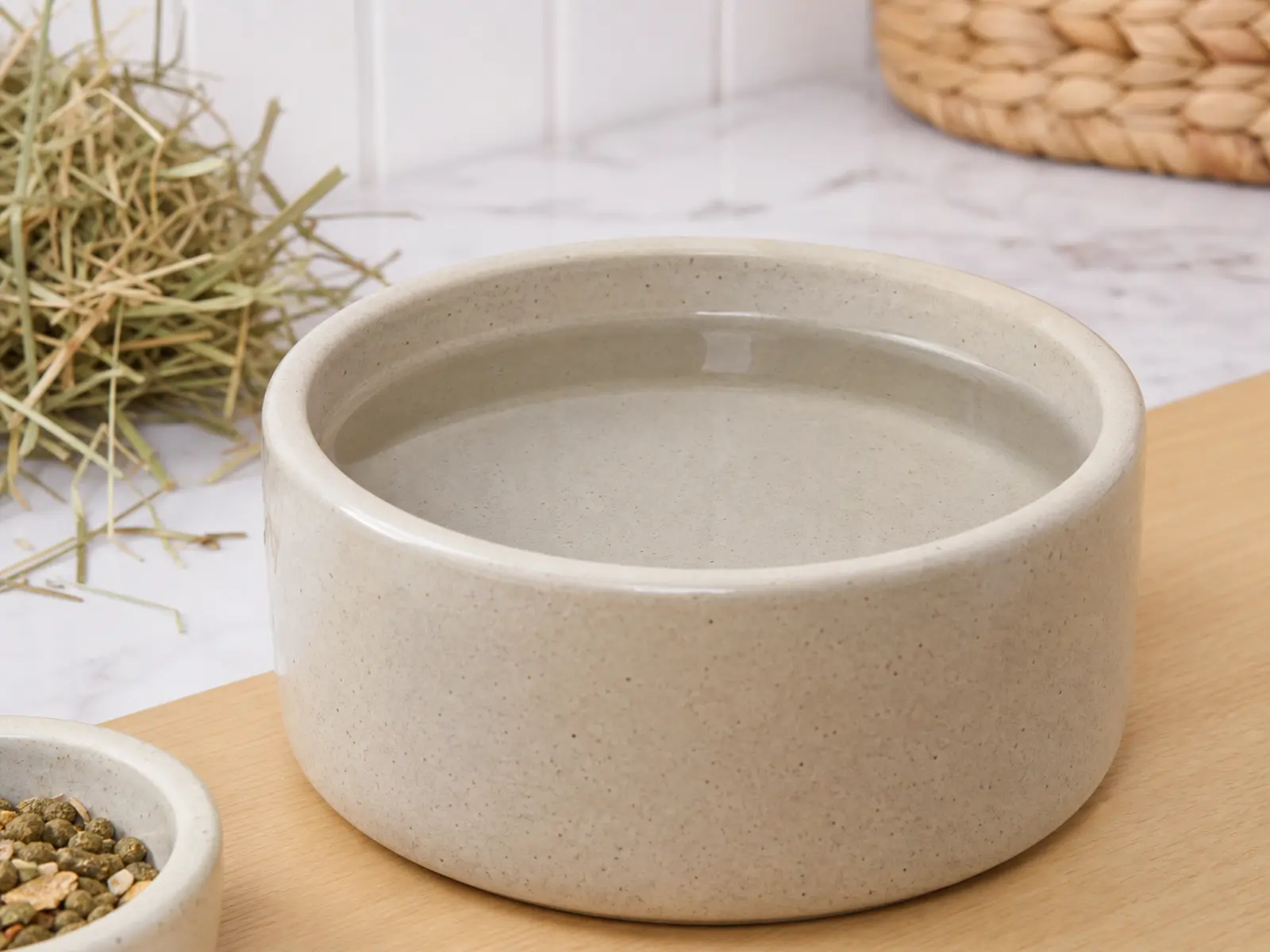
Heavy water crock
Keep clean water stable and easy to reach while you watch the normal routine.
Shop heavy water crock