Updated
Rabbit food check
Can Rabbits Eat Sugar Snap Peas? Yes—Start Small
Yes—small fresh portions
Yes. Adult rabbits can eat fresh sugar snap pea pods as a small non-leafy vegetable. Wash the pod, start with one short piece, and keep unlimited grass hay at the center of the diet.
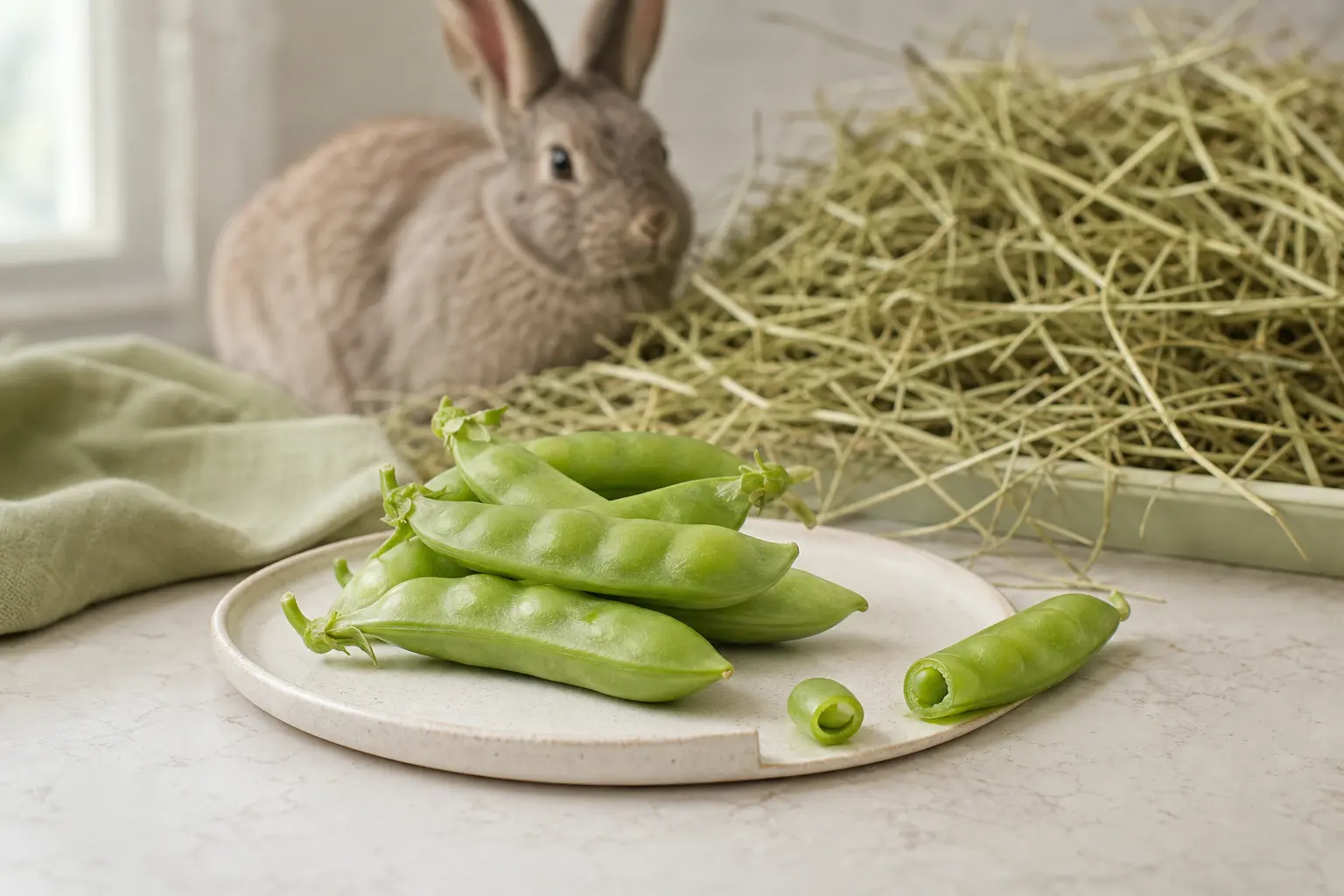 Sugar Snap Peas
Make sure it is a sugar snap pea
A sugar snap pea is an edible Pisum sativum pod: bright green, crisp, rounded, and visibly plump where the peas sit inside. It is not the decorative sweet pea grown for fragrant flowers. Keep the grocery label or identify the garden plant before any pod reaches the rabbit plate.
The pod and peas can stay together
You do not need to shell a fresh sugar snap pea for a healthy adult rabbit. Wash the whole edible pod, remove the dry stem tip, and cut a short piece so you can see exactly what was offered. Throw away pods that are spoiled or heavily damaged.
Count it as a non-leafy vegetable
House Rabbit Society lists sugar snap peas with non-leafy vegetables, not with the leafy greens that should make up most of the fresh plate. That is the useful limit: one crunchy extra can fit, but it should not turn into a pile beside an untouched hay rack.
Fresh pods are not dried peas
Dried peas and pea flakes are concentrated, hard pantry or pet-shop foods and do not share this serving advice. House Rabbit Society specifically warns against dried peas because they may cause a digestive blockage. This page's yes applies to a fresh, raw sugar snap pod.
Read the label before the pod leaves the bag
At the produce drawer, keep one plump green pod beside the package marked sugar snap peas. The rounded bumps and thick edible wall separate it from a flat snow pea, while the grocery label keeps it far away from the unrelated ornamental sweet pea in the garden.
Inspect the seam and both ends
Turn the pod under the kitchen light. Check the stem, pointed end, curved seam, and the skin between each pea for damp spots, splits, mold, or grit. Rinse it under cool water and trim only the dry end.
Cut one clear first piece
Slice a short section onto a shallow plate and put the remaining pod away. A visible trial piece is easier to track than several pods scattered through a salad, and it leaves room for the familiar leafy greens your rabbit already handles well.
Let hay remain the long meal
Offer the snap-pea piece while the hay rack is full and water is fresh. The pod may disappear in seconds; the more important observation is whether your rabbit goes straight back to pulling long hay strands and follows the usual meal rhythm.
Check the next litter-box clean
Look for the ordinary scatter of dry round droppings and normal appetite over the next day. Soft stool means the pod should come out of the rotation. Fewer droppings or reduced eating needs a prompt rabbit-savvy veterinary call, not another food test.
Serve
- Keep the produce label until you can distinguish a plump edible sugar snap pod from a flatter snow pea and from an ornamental sweet-pea plant.
- Choose a firm bright-green pod without slime, mold, black spots, or a sour smell. Open any damaged pod instead of hiding a bad interior in the serving.
- Rinse the pod under cool water, rub the seam and stem end, trim the dry tip, and cut one short piece for a first trial.
- Serve it raw and plain beside the normal hay supply. Introduce no other unfamiliar vegetable that day so the litter-box check means something.
Avoid
- Decorative sweet pea (Lathyrus) flowers, pods, vines, or seeds. The similar name does not make the ornamental plant food.
- Dried peas, split peas, pea flakes, seasoned snack peas, canned peas, frozen-hard pods, or peas mixed into rabbit muesli.
- Pods with sauce, salt, butter, oil, garlic, onion, dressing, or residue from a cooked family meal. Call your rabbit-savvy veterinarian promptly if garlic or onion was eaten.
- A bowlful of pods or repeated refills that crowd out leafy greens and the long grass hay needed for normal chewing and digestion.
Watch
- The trial piece disappearing while normal hay chewing continues
- The usual appetite, water use, posture, energy, and interest in familiar greens
- Normal-sized, dry round droppings and no soft stool during the next day
- Less eating, fewer droppings, belly pressing, unusual quietness, or obvious discomfort; call a rabbit-savvy veterinarian promptly if eating or output slows
Portion
For a first introduction, one short piece is enough. House Rabbit Society places sugar snap peas in the non-leafy vegetable group and suggests that this whole group—not snap peas alone—make up about one quarter of the fresh vegetables, around one tablespoon per two pounds of rabbit. Adjust the complete diet with your rabbit-savvy veterinarian when age, weight, or illness changes the plan.
Prep one fresh pod without turning it into a bowlful
Sugar snap pea prep is simple: identify the produce, wash one pod, cut a visible trial piece, refrigerate the rest, and keep hay easy to reach. These tools support that routine; none of them make a larger serving more useful.
Affiliate links: Furball Cove may earn from qualifying purchases at no extra cost to you.
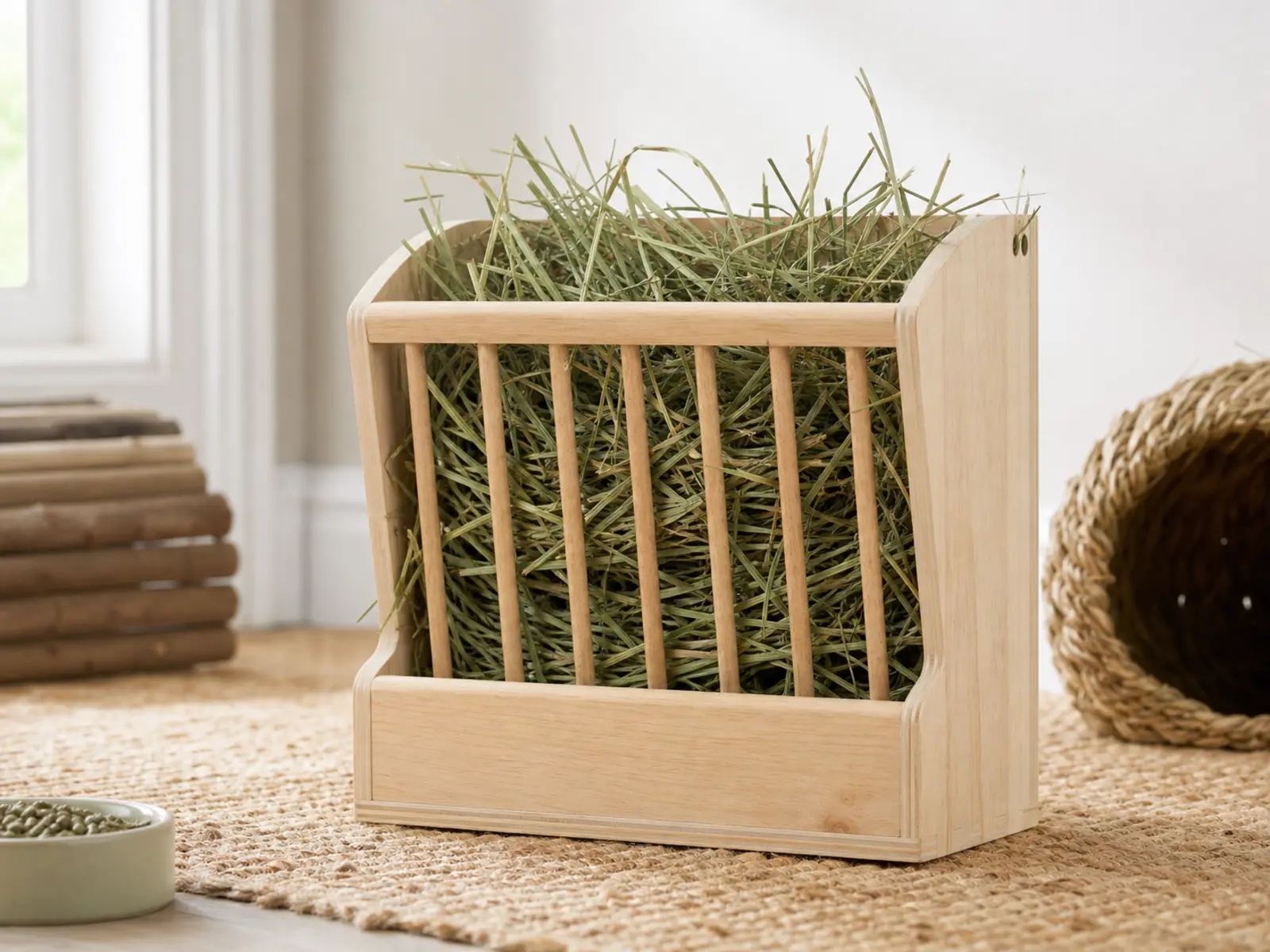
Rabbit hay feeder
Keep loose grass hay abundant and easy to pull so the crisp pod remains the brief extra, not the meal.
Shop rabbit hay feeder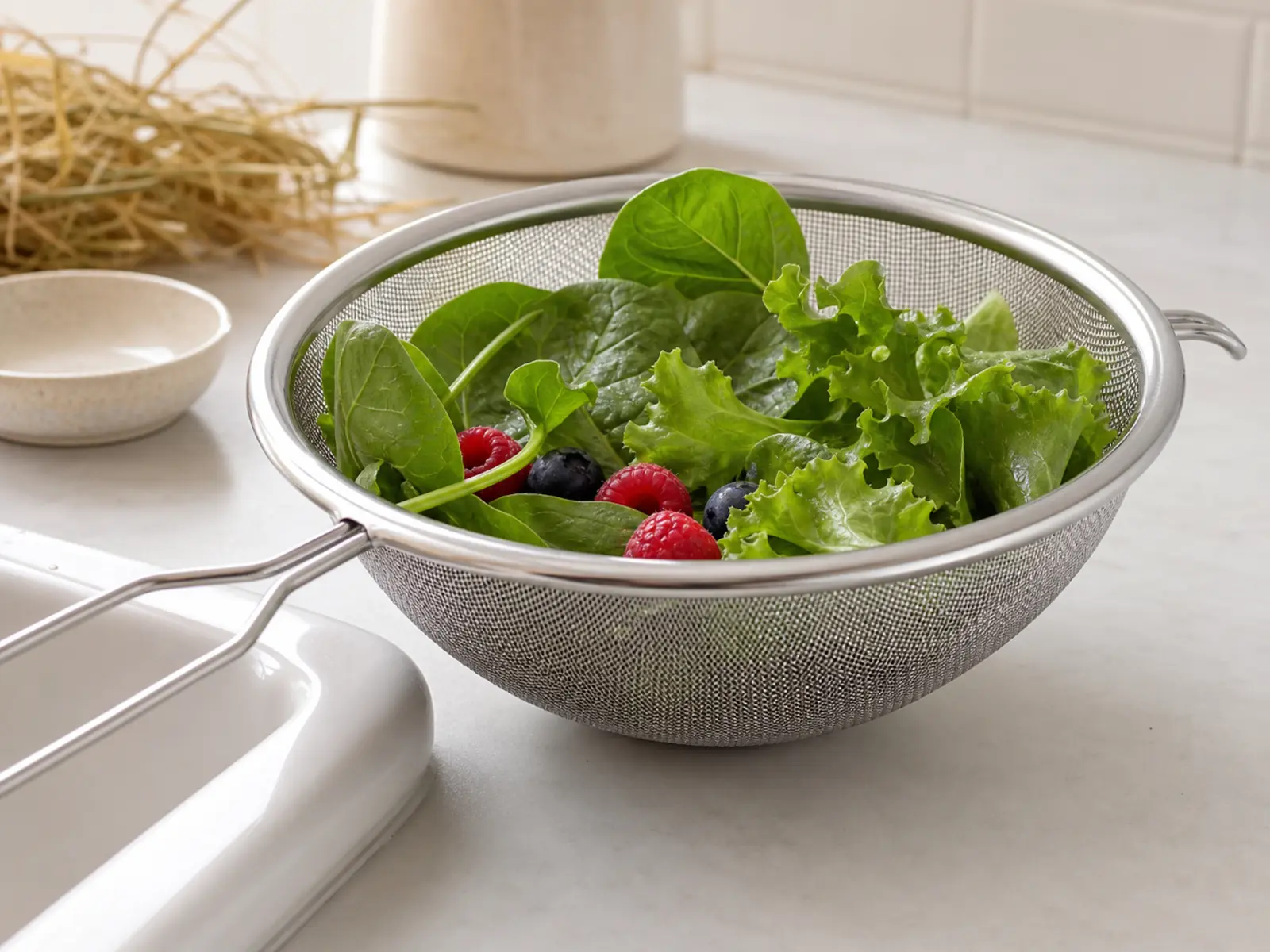
Produce strainer
Rinse the curved seam and stem end without losing one small pod among a sink full of human meal prep.
Shop produce strainer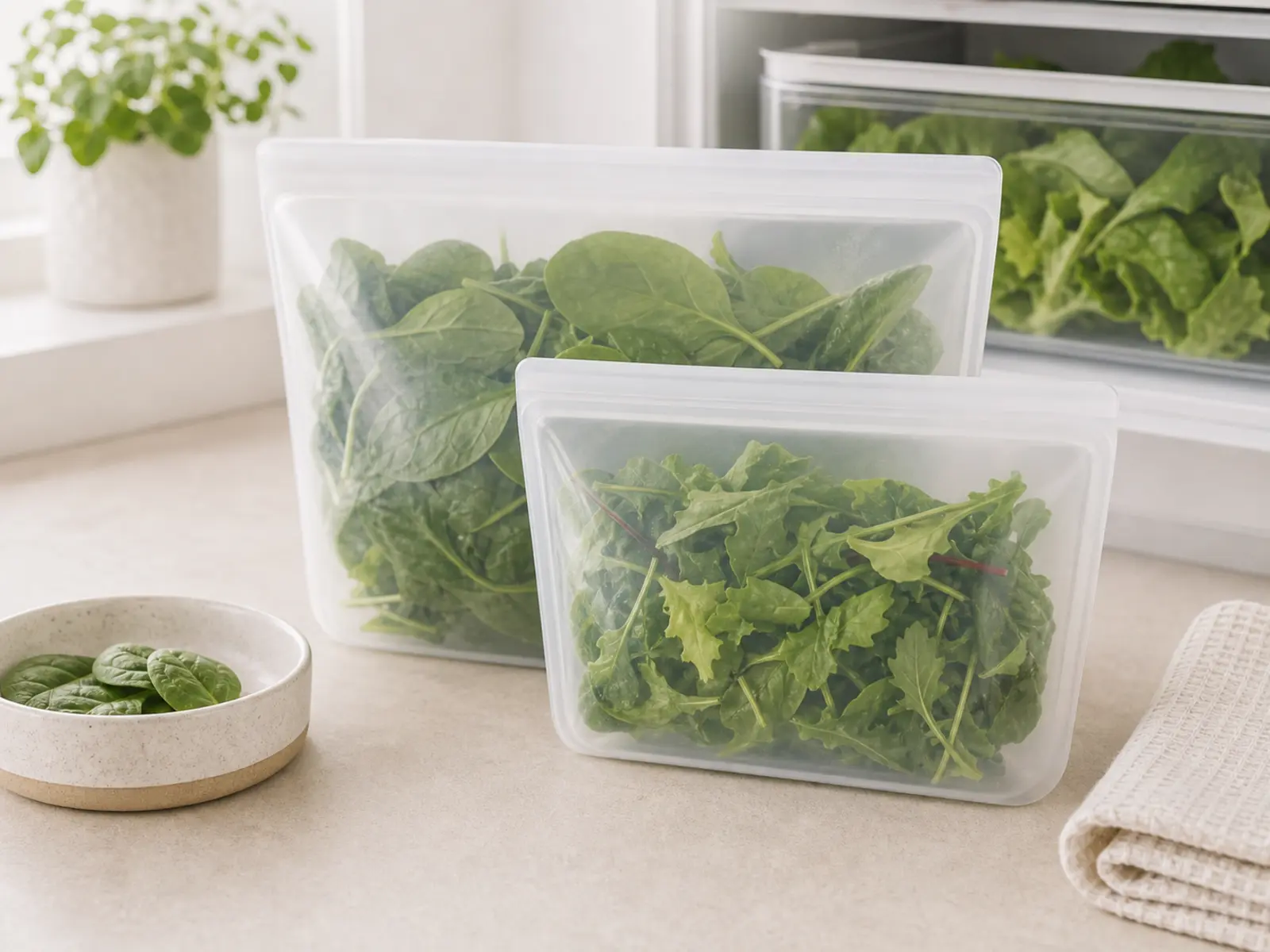
Produce storage bags
Put the remaining dry pods back in the refrigerator before one trial piece quietly becomes several.
Shop produce storage bags