Updated

Cat health

Blood in Cat Urine

Blood in cat urine, straining, crying in the box, repeated trips, or little to no urine can be urgent and should trigger a prompt vet call.

This is not a page for waiting out a mystery stain. Urine changes can become serious quickly, so focus on what you see in the box, how often your cat goes, and whether urine is actually coming out.

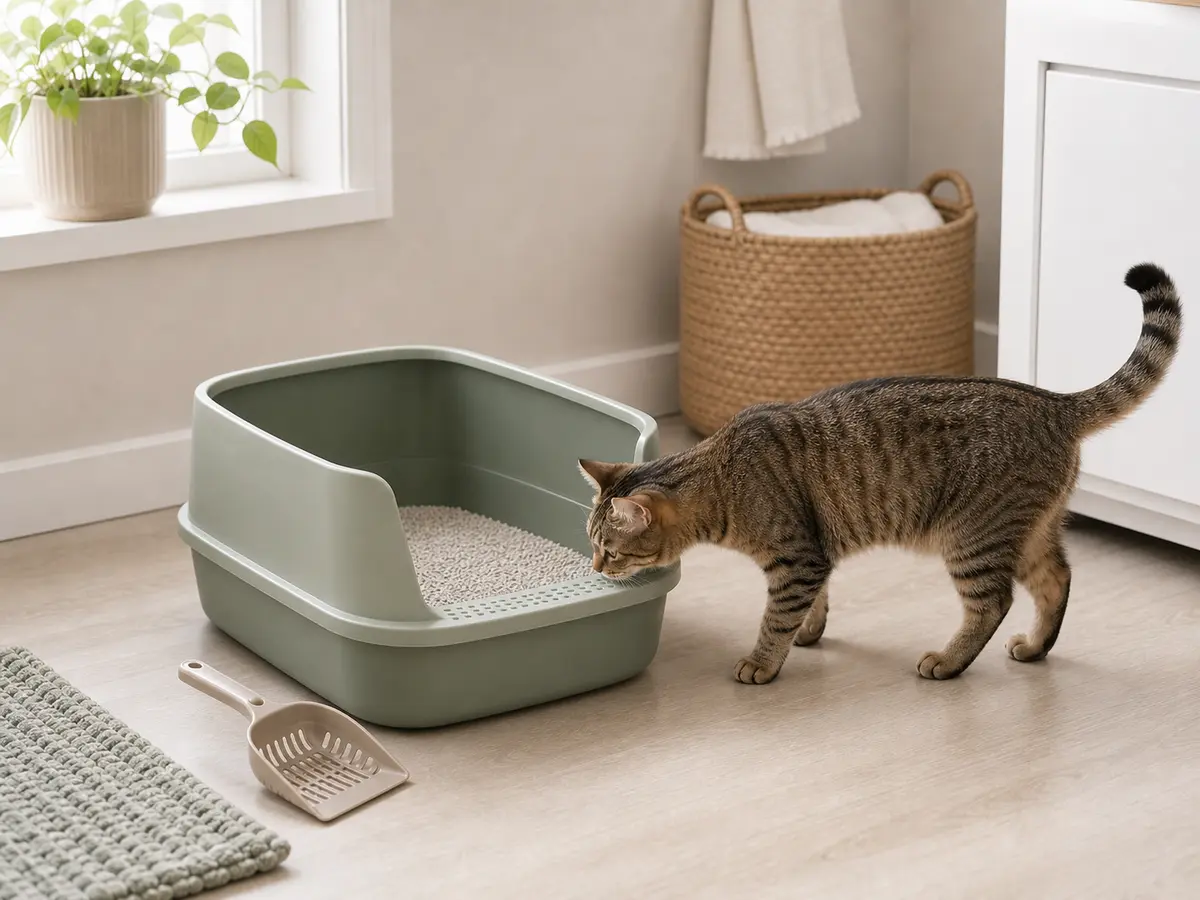
Low entry litter box for easier access

Watch what happens in the box

Look for repeated trips, straining, crying, licking after box visits, blood, tiny clumps, accidents, or no urine. The key question is whether your cat is passing urine normally.

Treat symptom pages as triage support, not a diagnosis. Appetite, water, urine, stool, breathing, mobility, gums, pain signs, and energy matter more than one isolated symptom word.


Soft-sided cat carrier for travel practice

Treat little or no urine as urgent

A cat who keeps trying to urinate but produces little or nothing needs veterinary help right away. Do not wait for the next scheduled appointment if your cat seems blocked, painful, or distressed.

Do not monitor at home when breathing is hard, gums look pale or blue, the cat cannot stand, pain is obvious, appetite stops, urination changes, or symptoms escalate.

Litter trapping mat beside a box

Do not scold accidents

Urine outside the box can be pain, stress, access trouble, or a medical issue. Clean the area, keep the box easy to reach, and focus on the health pattern instead of blame.

Write down timing, frequency, appetite, litter use, breathing, movement, and any trigger you saw. A short video is often more useful to your veterinarian than a long description.

Cat vet records and appointment questions

Save useful details for the call

Note when the blood appeared, how often your cat visits the box, clump size, appetite, water interest, sex, age, medications, and any previous urinary issues. Clear details help the clinic triage the visit.

Start by deciding whether this can wait. Breathing trouble, urine changes, appetite loss, severe pain, collapse, toxin exposure, or sudden decline means the next step is a vet call.

Before you decide

  • Is urine coming out?
  • Is your cat straining, crying, licking, hiding, or painful?
  • Are clumps tiny, absent, bloody, or much more frequent?
  • Has your cat had urinary trouble before?

Next best moves

  • Call your veterinarian or emergency clinic promptly.
  • Keep your cat indoors and easy to transport.
  • Do not give human medicine or wait for accidents to solve themselves.

Quick cat question

Why is there blood in my cat's urine?

Blood in cat urine, straining, crying in the box, repeated trips, or little to no urine can be urgent and should trigger a prompt vet call.

When should I get help?

Call your veterinarian if the change is sudden, painful, repeated, worsening, or paired with appetite, litter, breathing, movement, or behavior changes.

References